
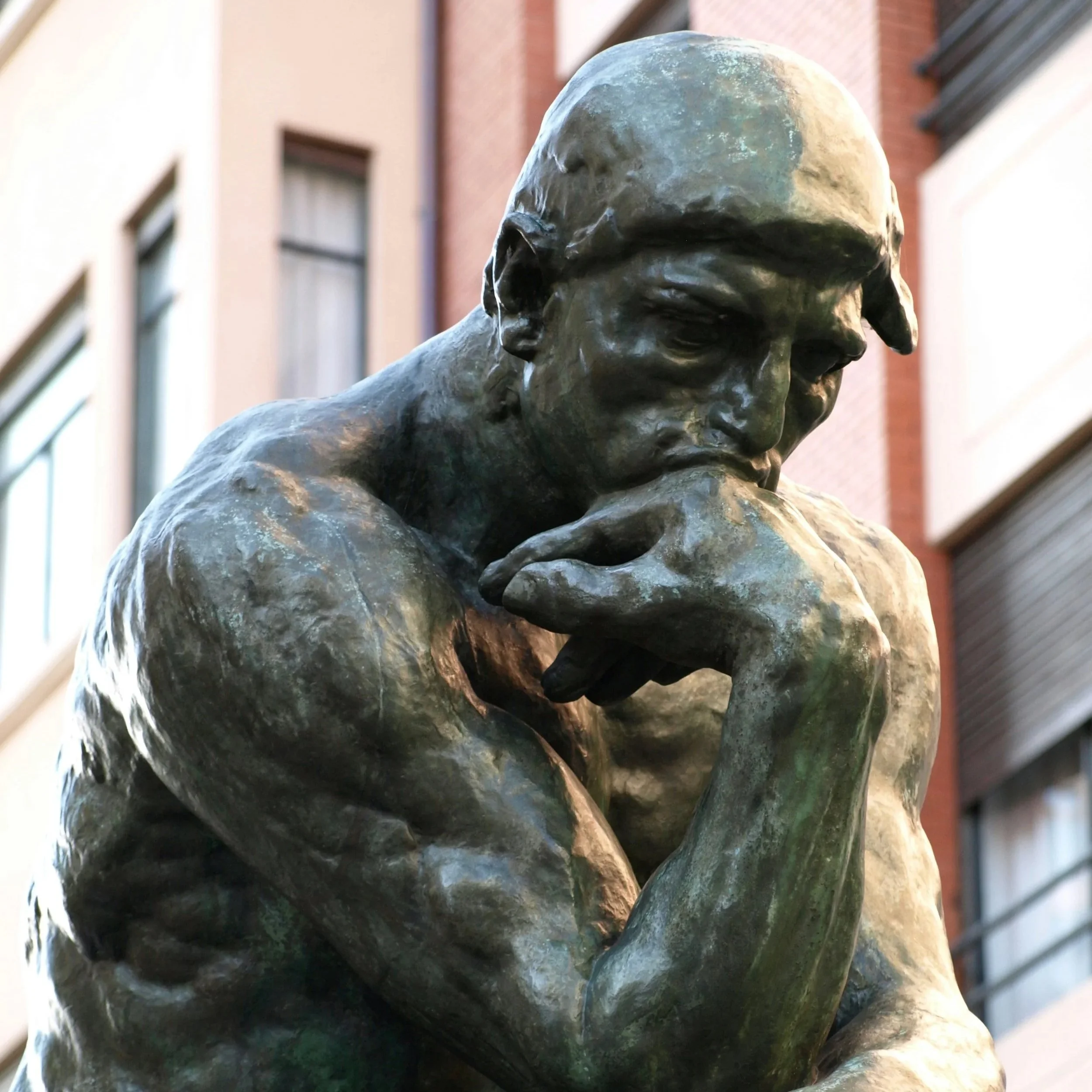
The Last Stop - A Closing Thought From Between Stations Magazine
Motion is Lotion
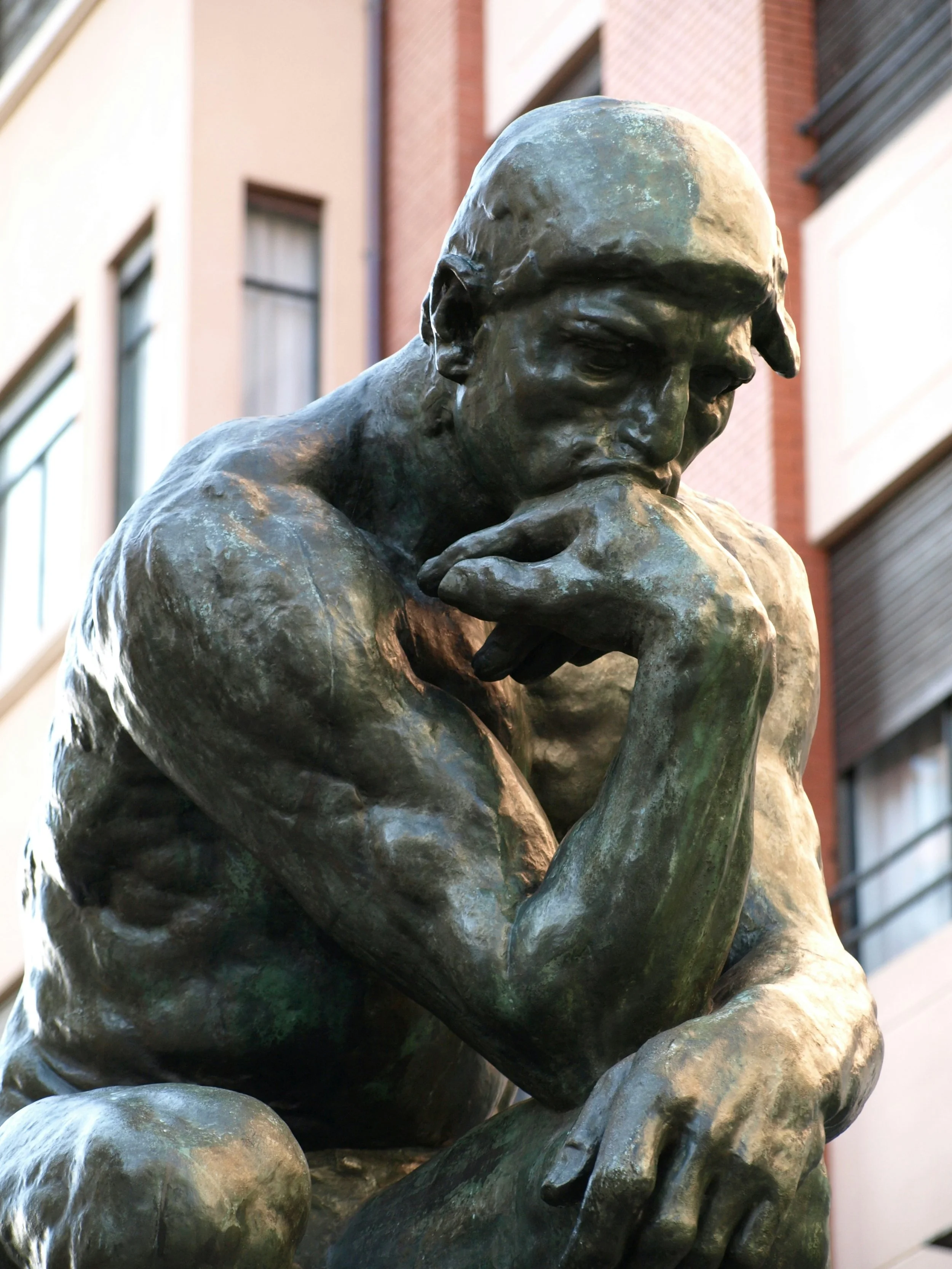
Motion Is Lotion
"Motion is lotion; Rest is rust - Use it or lose it!"
A wise man once told me that motion is lotion — a clever and fun way of saying "keep moving"! I heard this phrase from him more times than I can count, and over the years it settled into me the way good advice does: quietly, then all at once. Now I catch myself repeating it to my own family, friends, and anyone who will listen. In short, motion is my ultimate potion.
I didn't understand it right away. When you're young, moving is just what a body does — you run because the ball is there, you climb because the tree exists, you dance in the kitchen because a song came on and your feet had opinions about it. No one needs to tell a child or young adult to keep moving. It's simply what they do.
But somewhere along the way, chairs got comfortable and days got busy, and stillness crept in like a houseguest who never quite leaves. That's when the phrase started to make sense to me. Lotion doesn't fix dry skin once and walk away — it works because you keep applying it. Motion is the same. It isn't a single burst of energy that carries you for a lifetime. It's a small kindness you offer your body, again and again, so it remembers how to move without complaint.
There's something almost stubborn about a joint. Leave it alone too long and it tightens up, as if it's sulking. Ask it to bend after a week of sitting and it creaks like an old door hinge. But give it a little attention — a walk around the block, a stretch before bed, a few slow laps in a pool — and it softens. It says thank you in the only language joints know, which is ease.
The man who first said this to me wasn't a doctor or a trainer. He was just someone who noticed things. He noticed that the people who kept dancing, kept gardening, kept walking to the corner store instead of driving, seemed to carry their years more lightly than the ones who didn't. He wasn't chasing marathons — he was chasing mornings where his back didn't argue with him before coffee. He just moved.
That's the whimsical part of it, I think — the idea that staying limber isn't about punishing yourself into shape. It's closer to tending a garden than running a race. You don't yell at tomatoes to grow faster. You water them a little, most days, and trust the process. Bodies work the same way. A short walk today doesn't look like much, but stack enough of those small walks together and you've built something sturdy without ever noticing the construction.
I've started to see movement everywhere once I started looking for it. The neighbor who sweeps her porch every morning, humming to herself. The man at the park who does slow, deliberate stretches by the fountain, unbothered by anyone watching. My own habit of taking the stairs and walking everywhere, not because I'm in a hurry, but because I like the small proof that my legs still know their job. None of this looks like exercise in the traditional sense. It looks like living, done on purpose.
There's a lightness to this way of thinking that I find comforting. It takes the pressure off. You don't need the perfect routine or the fanciest equipment. You need permission to wiggle, stretch, pace, sway, and wander — and the willingness to do it tomorrow too, and the day after that. Motion, applied often and gently, becomes its own kind of care.
So, here's what I've come to believe, passed down from a wise man and tested by my own creaky mornings: don't wait for your body to ask for movement loudly, through pain or stiffness. Offer it before it has to ask. Dance in the kitchen. Take the long way. Stretch while the kettle boils. Keep the lotion coming.
Because a body that keeps moving tends to stay one that can.
-Dedicated to the memory of Big Brother Bay
As always, slow down, look around, and enjoy the journey…between stations.
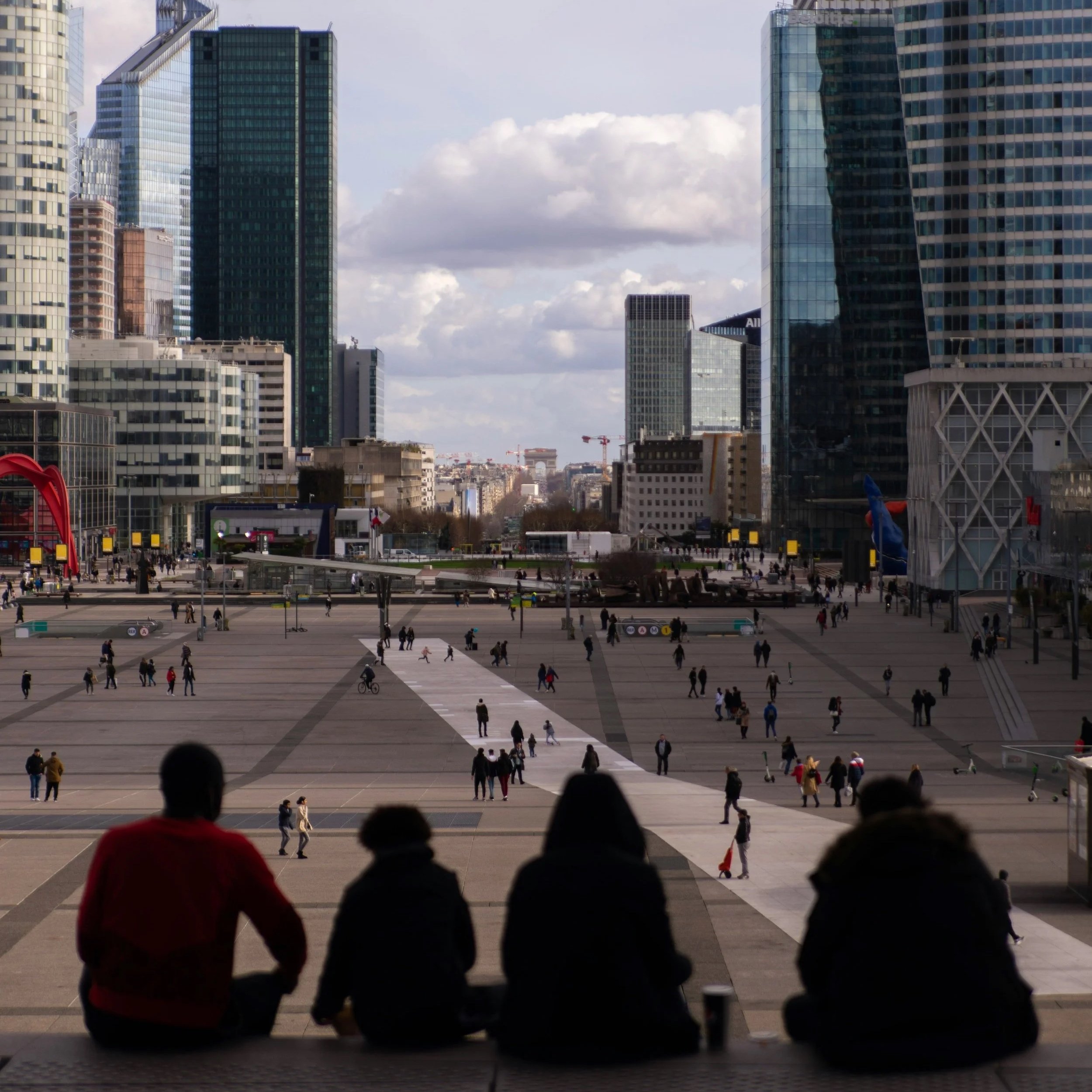
September Random Walk: Paris Arche to Arc
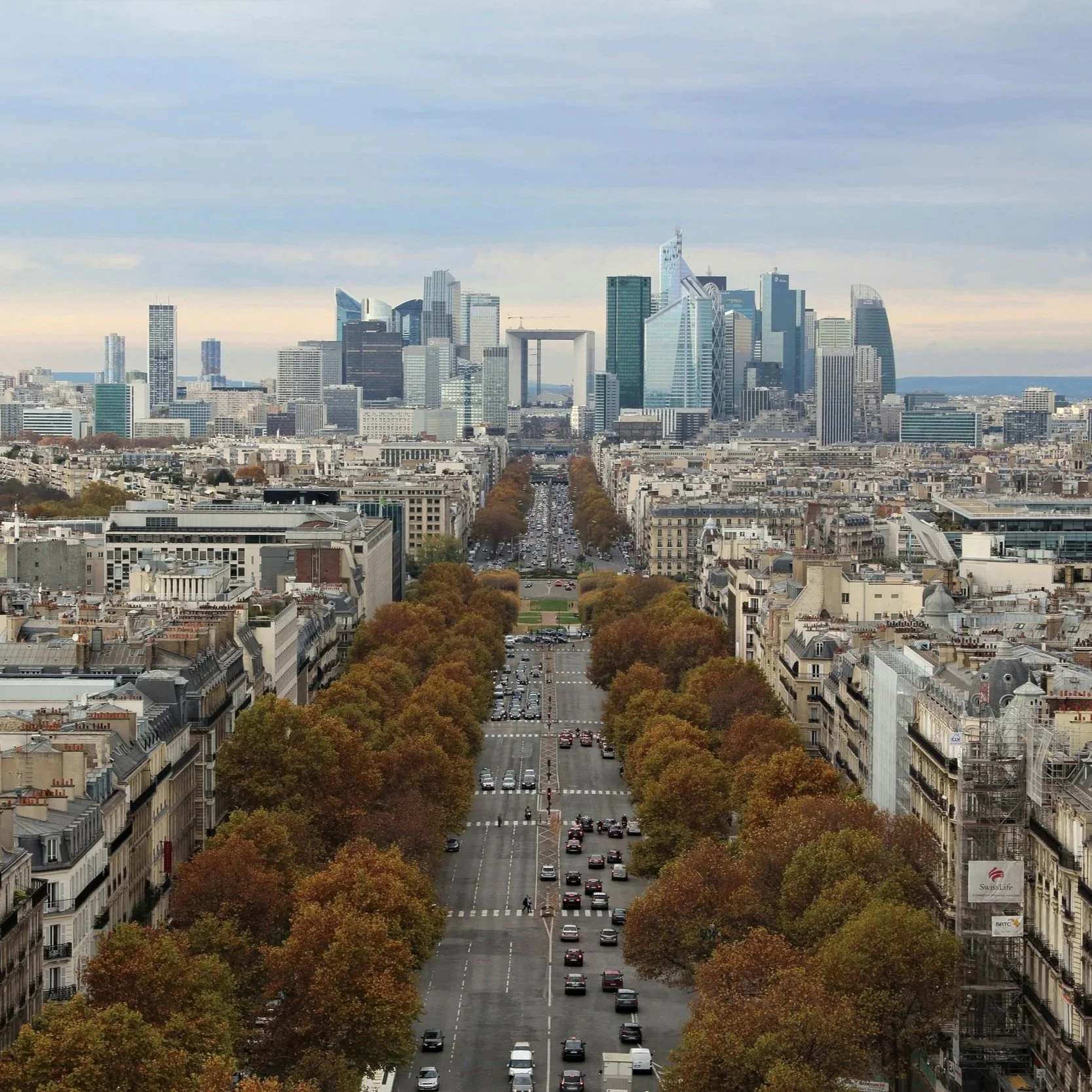
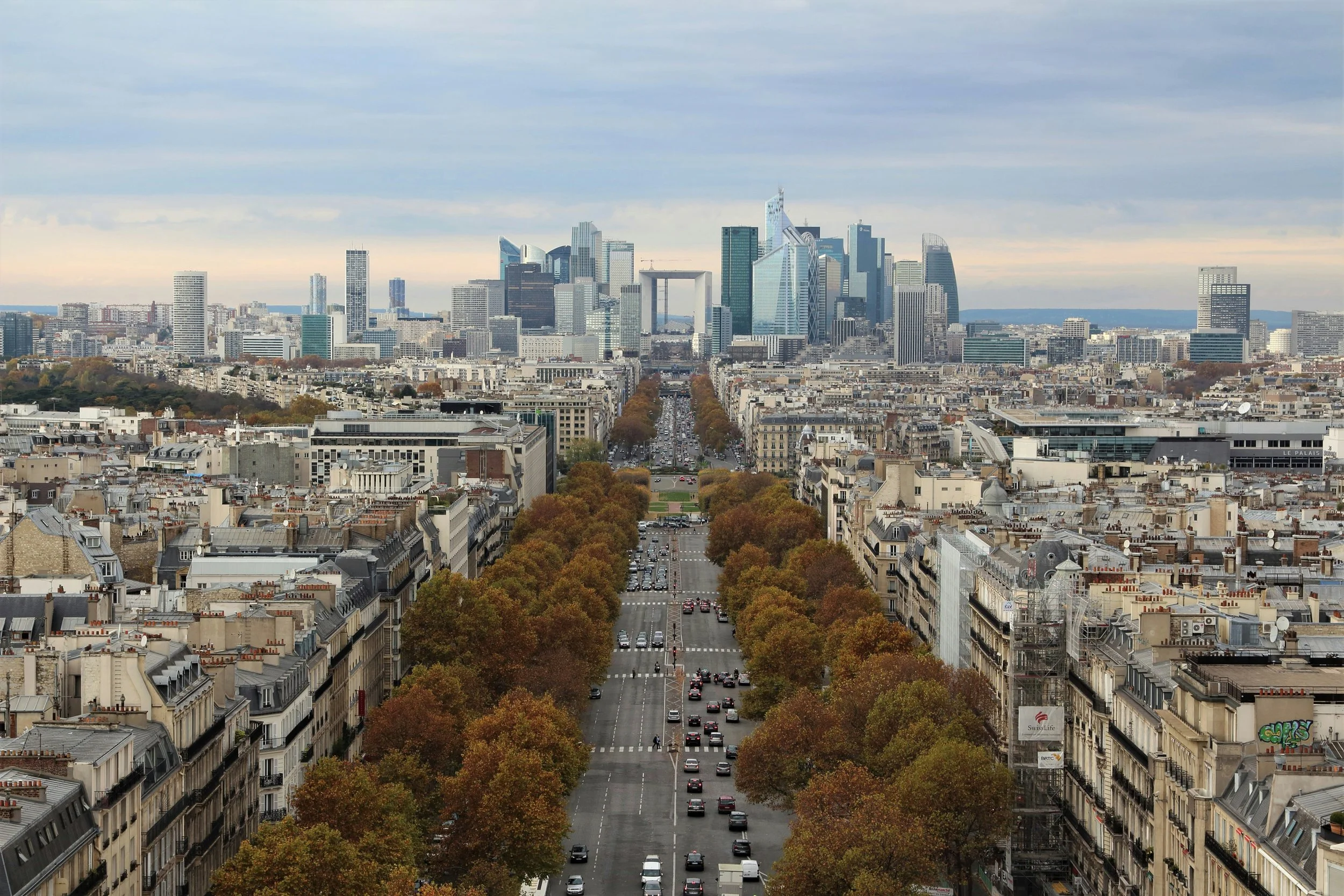
Four kilometers, one dead-straight sightline - this walk traces the Axe Historique from the Grande Arche through Quartier Bellini and Neuilly-sur-Seine, all the way to the Arc de Triomphe.
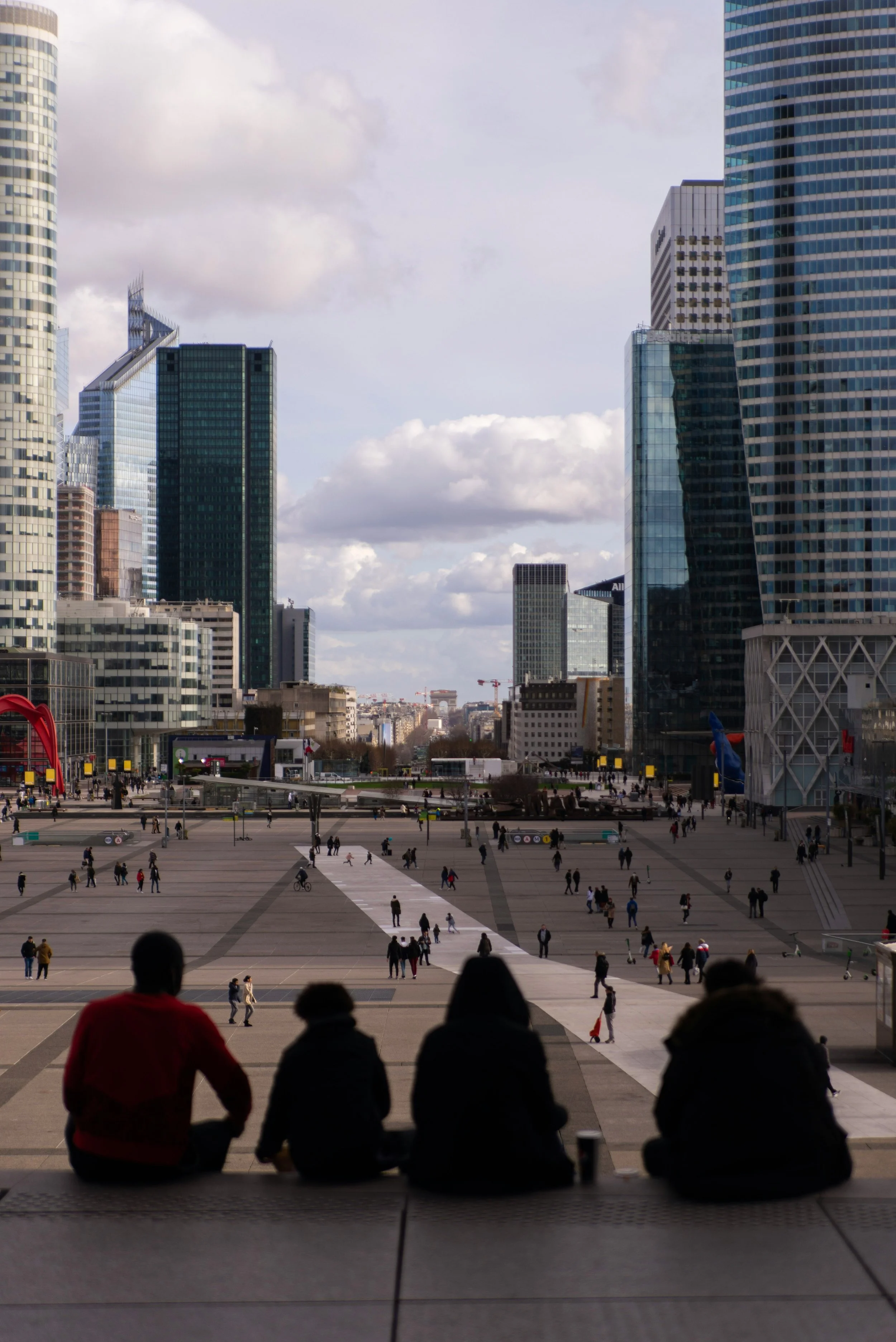
Some walks need a plan. This one just needs a straight line and a decent pair of shoes. If you draw an arrow from the Grande Arche in La Défense all the way to the Arc de Triomphe, you're tracing one of the most famous sightlines in the world. It's the Axe Historique, the same visual axis that stretches on through the Champs-Élysées, the Tuileries, and the Louvre. Walking it backwards, from modern glass cube to Napoleonic stone arch, feels like watching Paris rewind through a couple of centuries in about an hour and a half.
I did this walk on a whim one Sunday, mostly because I was curious whether the Grande Arche and the Arc de Triomphe would stay lined up with each other the entire way. They do, more or less. It's a little uncanny. Here's what the route looks like, block by block, with a few detours worth knowing about along the way.
Starting Point: The Grande Arche
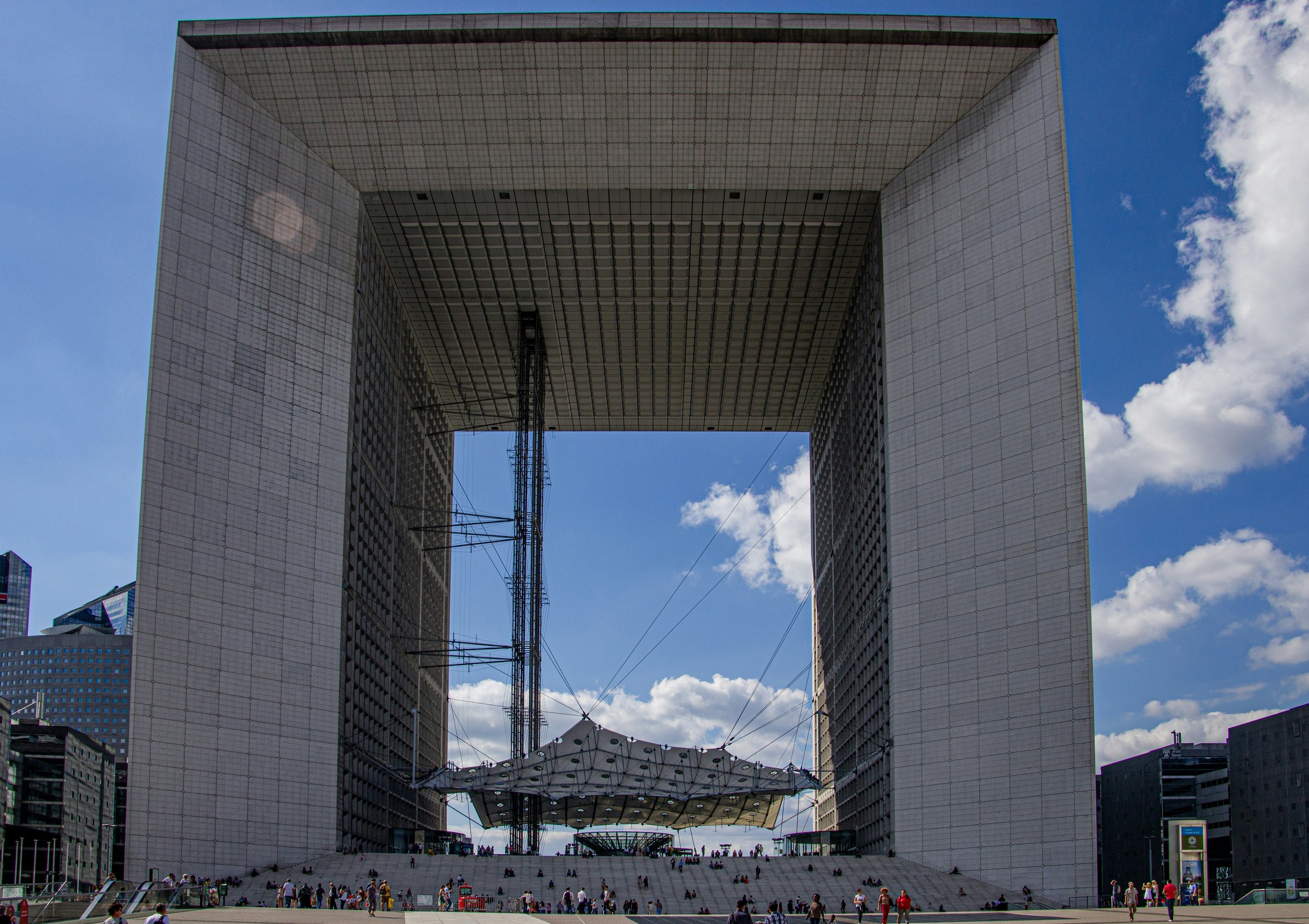
You start big. The Grande Arche in La Défense is a hollow marble cube so enormous that Notre-Dame could fit inside it with room to spare. Built in the late 1980s as a modern echo of the Arc de Triomphe standing four kilometers away, it's the perfect place to look east down the axis and pick out your target. On a clear day you can spot the silhouette of the Arc de Triomphe waiting for you in the distance.
From here, the plan is simple: head east through La Défense's business district, cross the Seine at Neuilly, and follow Avenue Charles-de-Gaulle straight to Place Charles-de-Gaulle-Étoile, where the Arc de Triomphe sits at the center of twelve converging avenues.
Through Quartier Bellini
Before you've even left the shadow of the Grande Arche, you'll drift through the Quartier Bellini, tucked along the edge of Puteaux where La Défense meets the Seine. It's one of the oldest corners of the whole business district. The Bellini housing block went up back in 1957, followed a decade later by the Tour Nobel, one of the first true skyscrapers in the area. Newer towers designed by architects like Christian de Portzamparc have since slotted in alongside the older ones, so you get this strange, layered effect: 1960s concrete standing shoulder to shoulder with sleek 21st-century glass. It's not a postcard stop, but it's a good reminder that La Défense didn't spring up overnight. It's been under construction, in one form or another, for seventy years.
Crossing the Seine at Pont de Neuilly
Keep walking east and the towers thin out as you approach the river. The Pont de Neuilly bridge carries you across the Seine and past the little Île de Puteaux sitting in the middle of the water, with a staircase down to the island if you fancy a short detour. This crossing has been a river passage since long before Paris had cars. There was once a ford here connecting an old Roman road, and the current bridge has carried a metro line since 1992, running at the steepest grade anywhere on the Paris network.
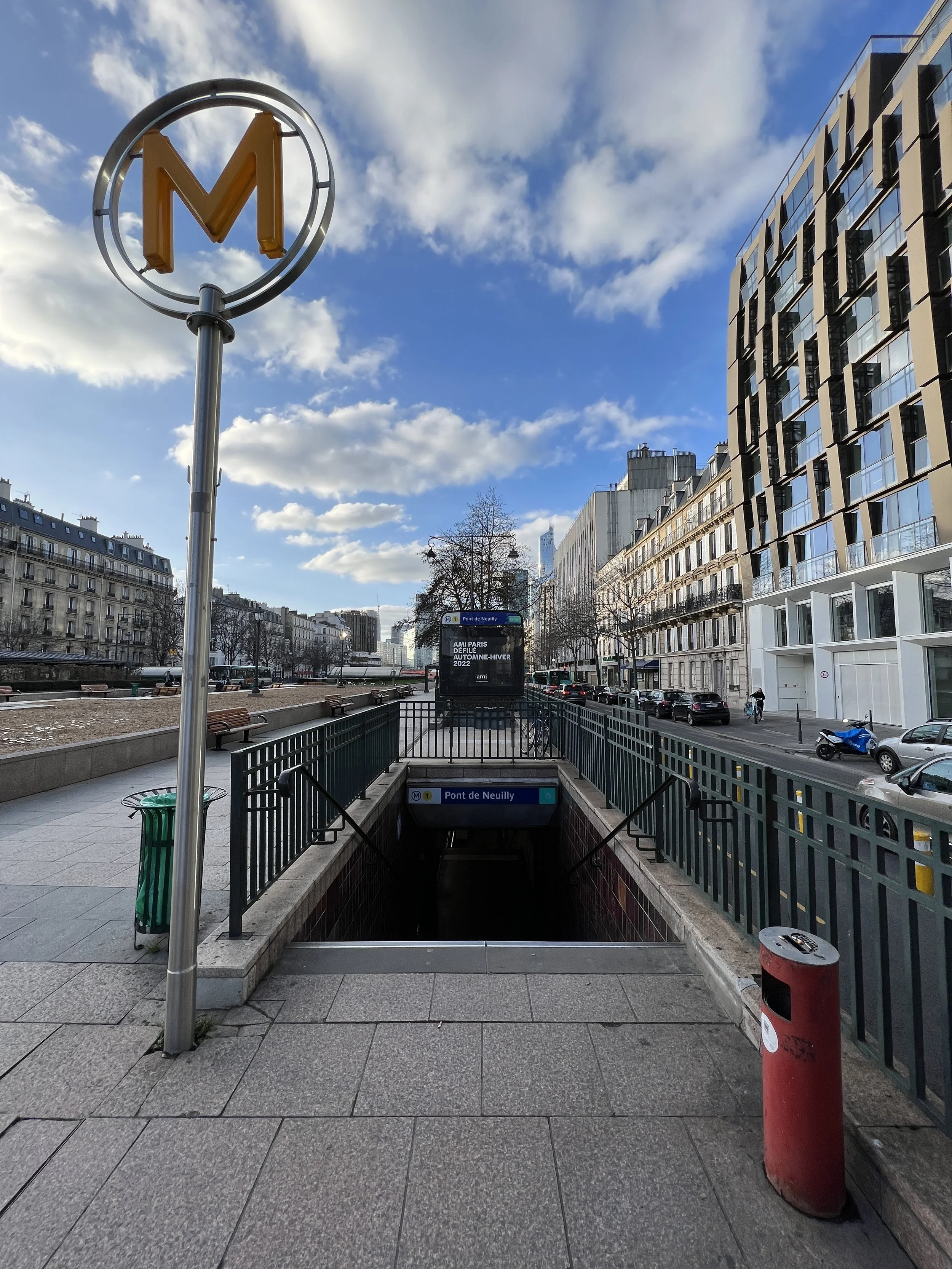
If your legs are already tired at this point, this is your exit ramp. The Pont de Neuilly metro station, right on Line 1, is an easy way to skip ahead. It was the western terminus of the whole line for over fifty years before it got extended out to La Défense. Hop on and you're delivered straight to Charles de Gaulle–Étoile, right at the foot of the Arc de Triomphe, in under fifteen minutes. No shame in it. Even seasoned walkers use this cutoff when the sun's out and the wine at lunch was a little too generous.
Wandering Through Neuilly-sur-Seine
Assuming your feet are still cooperating, the walk continues into Neuilly-sur-Seine, one of the wealthiest suburbs in France and a favorite address for diplomats, executives, and a long list of well-known French families. The mood shifts noticeably here. Wide, tree-lined avenues, grand Haussmann-style apartment buildings with wrought-iron balconies, and a general air of quiet money. The neoclassical Église Saint-Pierre and the Belle Époque city hall on Avenue Achille Peretti are both worth a glance if you veer a block or two off the main road.
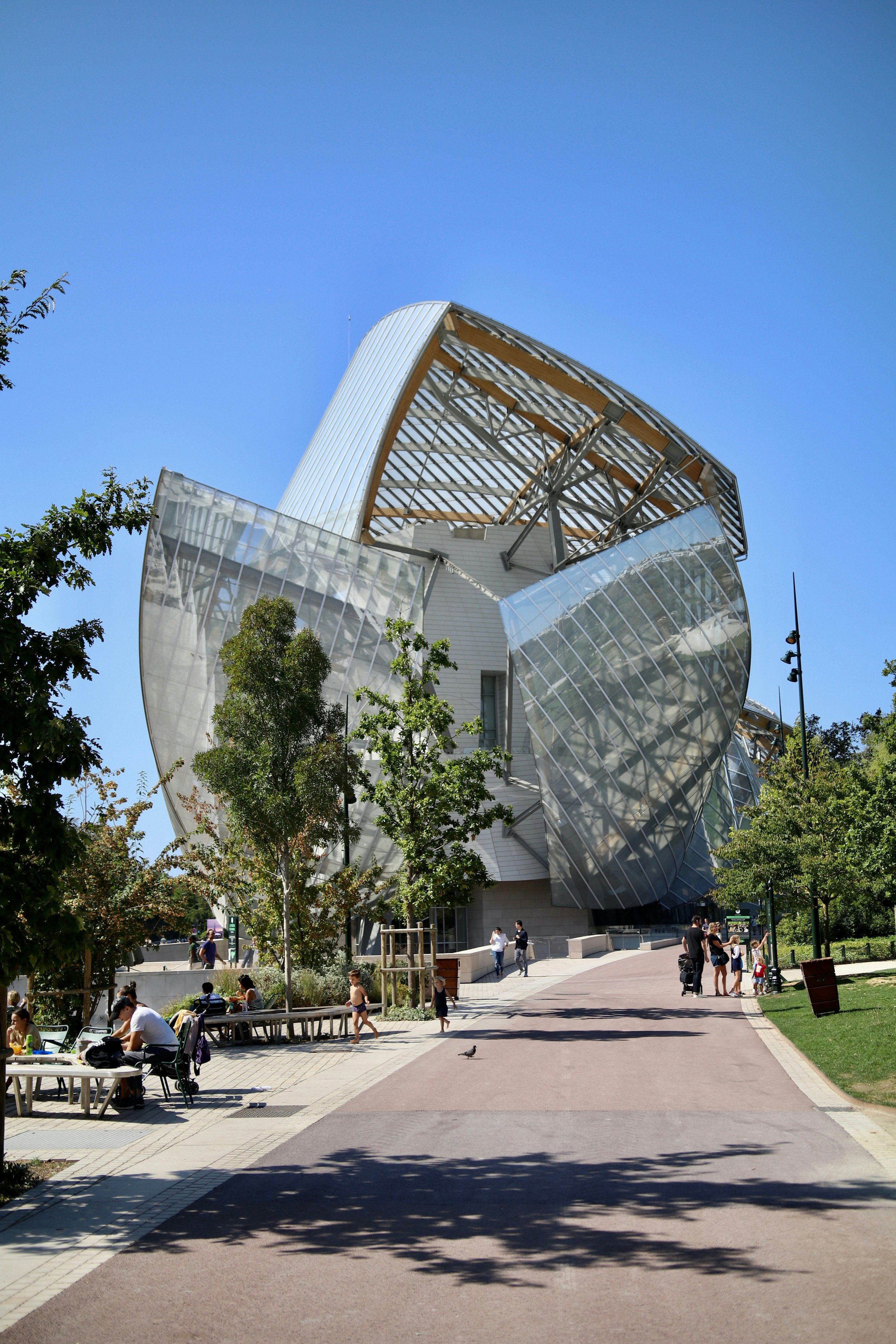
Neuilly also sits right against the Bois de Boulogne, and if the Fondation Louis Vuitton is open when you pass, its Frank Gehry-designed building, glass sails catching the light above the trees, is worth a short detour on its own. Otherwise, just enjoy the change of pace. After the towers of La Défense, Neuilly feels almost residential, like Paris caught its breath before the final stretch.
The Final Stretch: Avenue Charles-de-Gaulle to the Arc
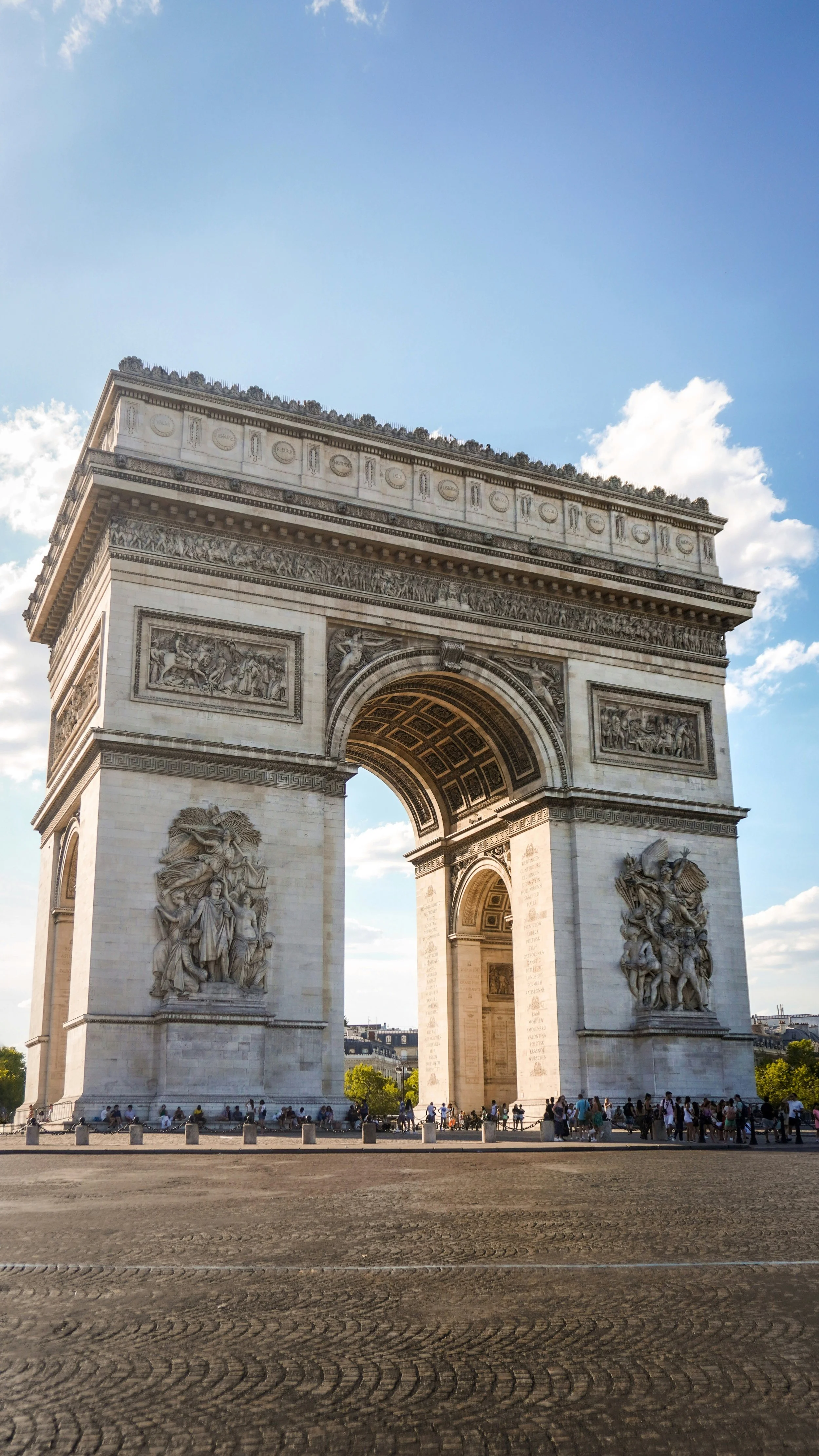
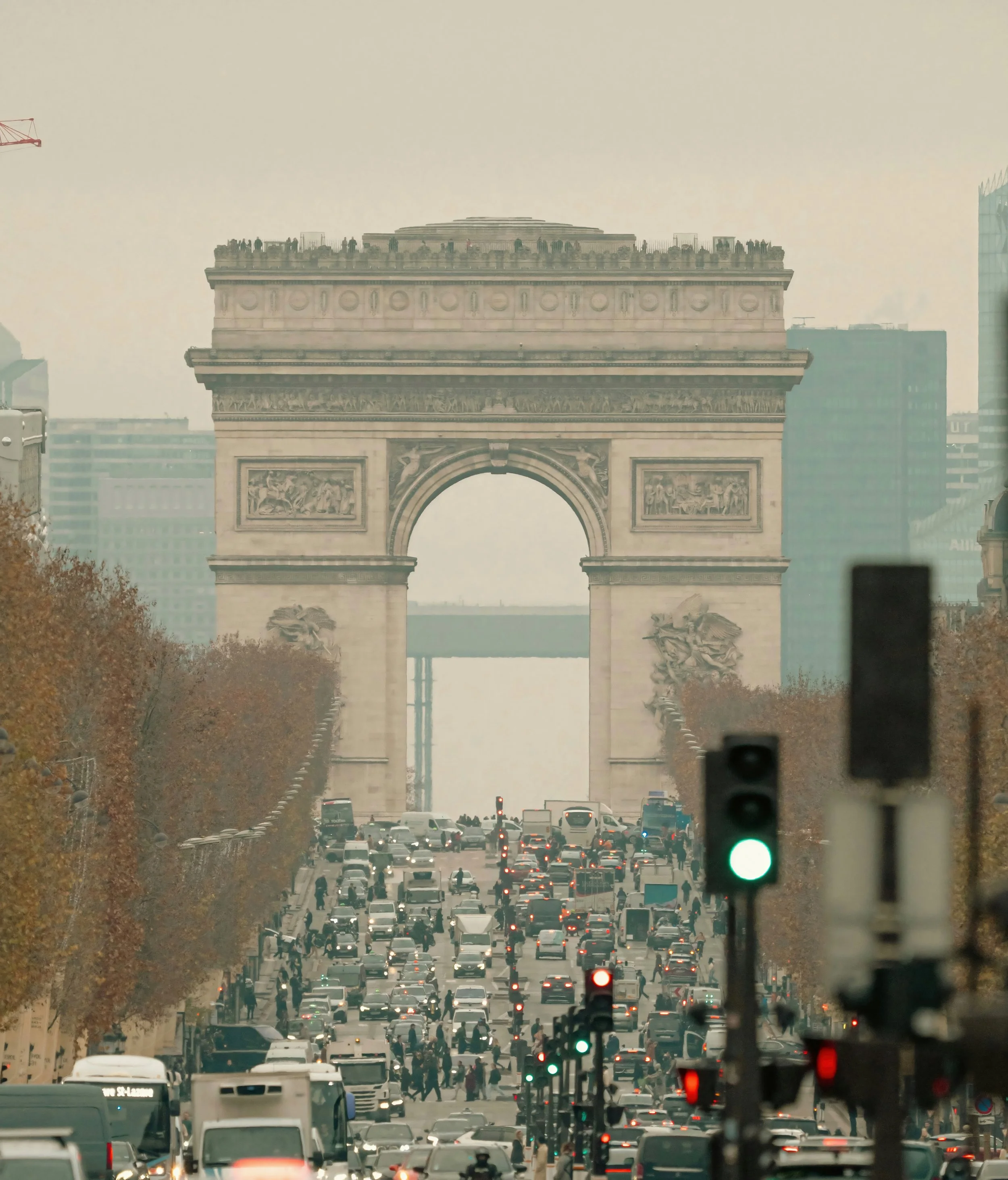
Once you cross back into Paris proper, the street name shifts and the avenue narrows a bit, but the axis holds steady. The Arc de Triomphe grows from a smudge on the horizon into an actual monument, and the traffic swirling around Place Charles-de-Gaulle-Étoile gets louder and more theatrical the closer you get. Don't try to cross the roundabout on foot at street level. There's an underground passage that gets you safely to the base of the arch, since the traffic circling it is one of the more chaotic driving experiences in the city.
Standing underneath the arch, looking back the way you came, you can trace the entire walk in reverse. Avenue de la Grande Armée runs straight out toward Neuilly, the Seine sits somewhere beyond it, and if the haze cooperates, the Grande Arche itself is still lined up perfectly on the horizon, like it never lost sight of you.
Refuel Near the Arc de Triomphe
The area around the Arc de Triomphe rewards a long walk generously. The streets fanning out from Place Charles-de-Gaulle-Étoile, especially Avenue de Wagram and the stretch of the Champs-Élysées itself, are packed with cafés and restaurants ready for a well-earned break. Everything from classic Parisian brasseries with steak-frites and a carafe of house red to quicker spots for a coffee and a croissant before you head back into the city. Grab a sidewalk table, order something simple, and watch the traffic loop endlessly around the arch. For a full rundown of dining and visiting details, the official Arc de Triomphe site is a solid resource before or after your walk.
A Few Practical Notes
Distance and time: Roughly 4 kilometers as a straight shot, though following streets rather than the exact axis pushes it closer to 5–6 kilometers. Budget 60–75 minutes at a steady pace, longer if you stop for photos or coffee.
Best time to go: Weekend mornings keep La Défense quiet, since it empties out once the office crowd clocks off on Friday.
Bailout option: Pont de Neuilly station on Line 1 sits almost exactly at the halfway mark, so there's no penalty for cutting the walk short.
Footwear: Some stretches near La Défense involve wide plazas and pedestrian bridges rather than sidewalks proper, so comfortable shoes matter more than you'd think.
It's not a walk built for hidden alleyways or secret courtyards. It's a walk built for watching Paris change character in real time. Glass towers, a quiet river crossing, a wealthy suburb, and then the roar of one of the busiest roundabouts in Europe, all lined up on a single, deliberate axis that someone planned centuries before La Défense ever existed.
La Défense – The UnParis Paris
Just past the edge of Paris as most people know it, glass towers rise. La Défense is the district Paris built for its future — and, it turns out, the one Parisians quietly claimed for their weekends too.
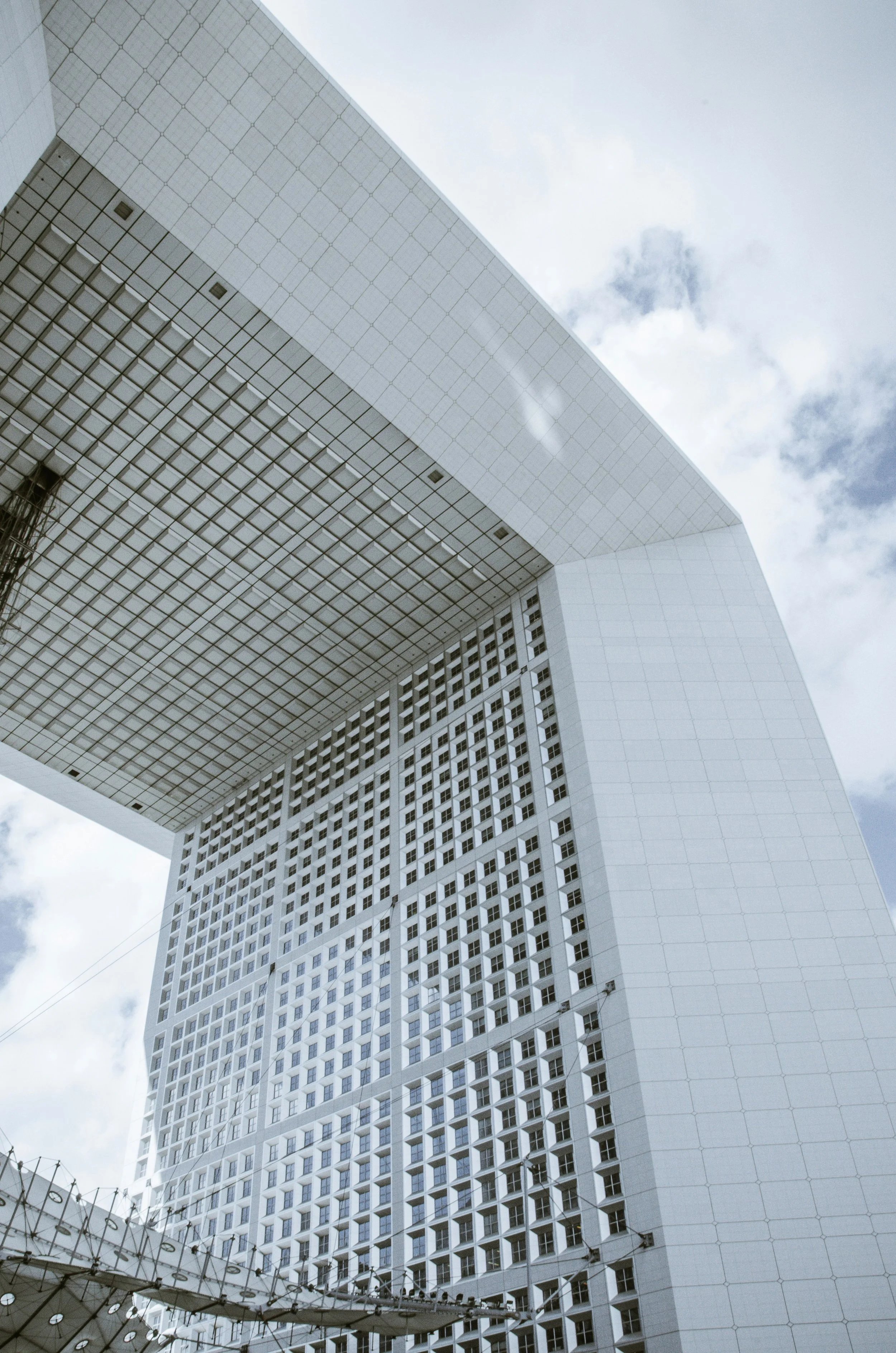
There is a version of Paris that smells like fresh bread and old stone, where the streets curve because someone forgot to invent the ruler. And then, just past the edge of the 16th arrondissement, there is a version of Paris that seems to have skipped that memo entirely. Glass towers instead of zinc roofs. Wide open plazas instead of narrow lanes. A skyline that looks like it borrowed a plane ticket from Chicago and never gave it back. Welcome to La Défense — the district that Paris built when it needed somewhere to put its future, and decided, quite deliberately, not to put it downtown.
Locals sometimes call it "the other Paris," said with more fondness than the teasing tone lets on. This isn't the Paris of postcards. It's the Paris of elevators and espresso breaks, of Sunday markets that pop up beneath buildings named after banks, of a skyline that shifts season to season as the light catches a hundred glass panels differently. Odd, a little brash for a city known for its restraint, and somehow unmistakably Parisian once you've spent an afternoon there. If you're mapping out things to do in Paris beyond the usual landmarks, this is the kind of detour worth making.
Where the Name Comes From
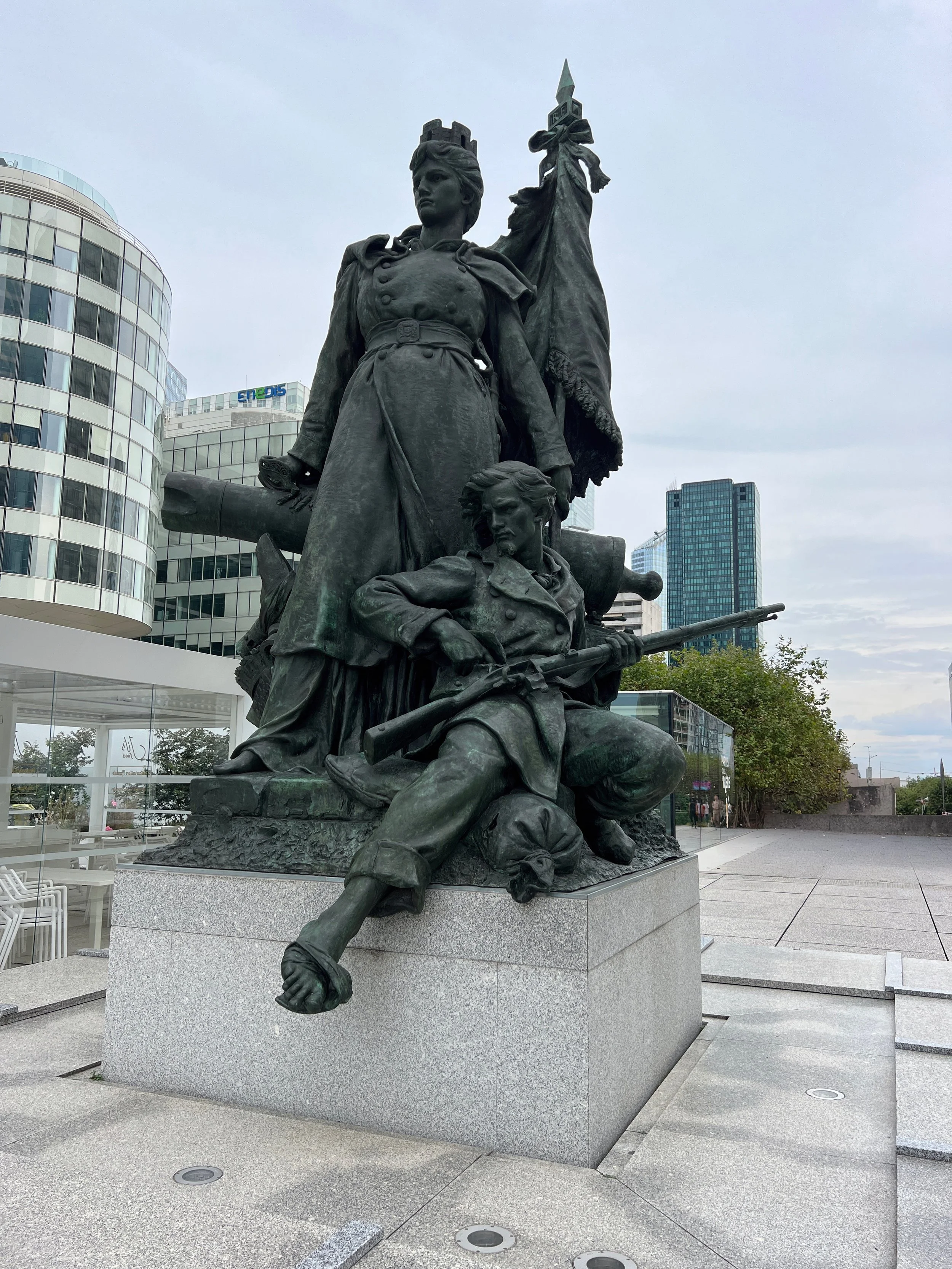
Here's a fun one to bring up over dinner: La Défense has nothing to do with defending a business deal or protecting your lunch reservation. The name comes from a statue, put up in 1871 to honor the soldiers who held this ground during the siege of Paris in the Franco-Prussian War. That statue is still there, standing quietly among the glass towers, and I love that detail. Long before anyone dreamed up skyscrapers, this stretch of land was just fields and a crossroads west of the city, and the one thing marking it as special was a monument to people who fought for Paris, not a monument to Paris itself.
For a long stretch after that, nothing much happened here. Small factories, plain houses, open land — the kind of place you'd pass through, not visit. What changed things was a fairly practical problem. By the 1950s, France wanted the modern office towers that cities like New York and Chicago were putting up, but central Paris simply had no room for them, and no interest in bending its own rules to make room.
So instead of squeezing skyscrapers into streets built for six-story buildings, planners picked this spot and started fresh. A government authority was set up in 1958 to build the whole district essentially from scratch, and within a decade, the first towers were going up. What started as an answer to a zoning headache slowly turned into one of the biggest business districts in Europe.
An Architecture That Argues With Itself
Honestly, no single building makes La Défense worth the trip. It's the way they all sit together, like guests at a party who showed up in completely different outfits and somehow ended up having a good time anyway. The Grande Arche is the one everyone points their camera at first — this enormous cube, finished in 1989, big enough that you could tuck Notre-Dame inside its opening with room to spare. And here's the part that always gets me: its architect, Johan Otto von Spreckelsen, lined it up on purpose with the Arc de Triomphe and the Louvre, so if you stand underneath, and look east, you're staring straight down a line that Parisians have been calling the Historical Axis for generations. A modern glass cube, quietly shaking hands with the rest of the city's history.
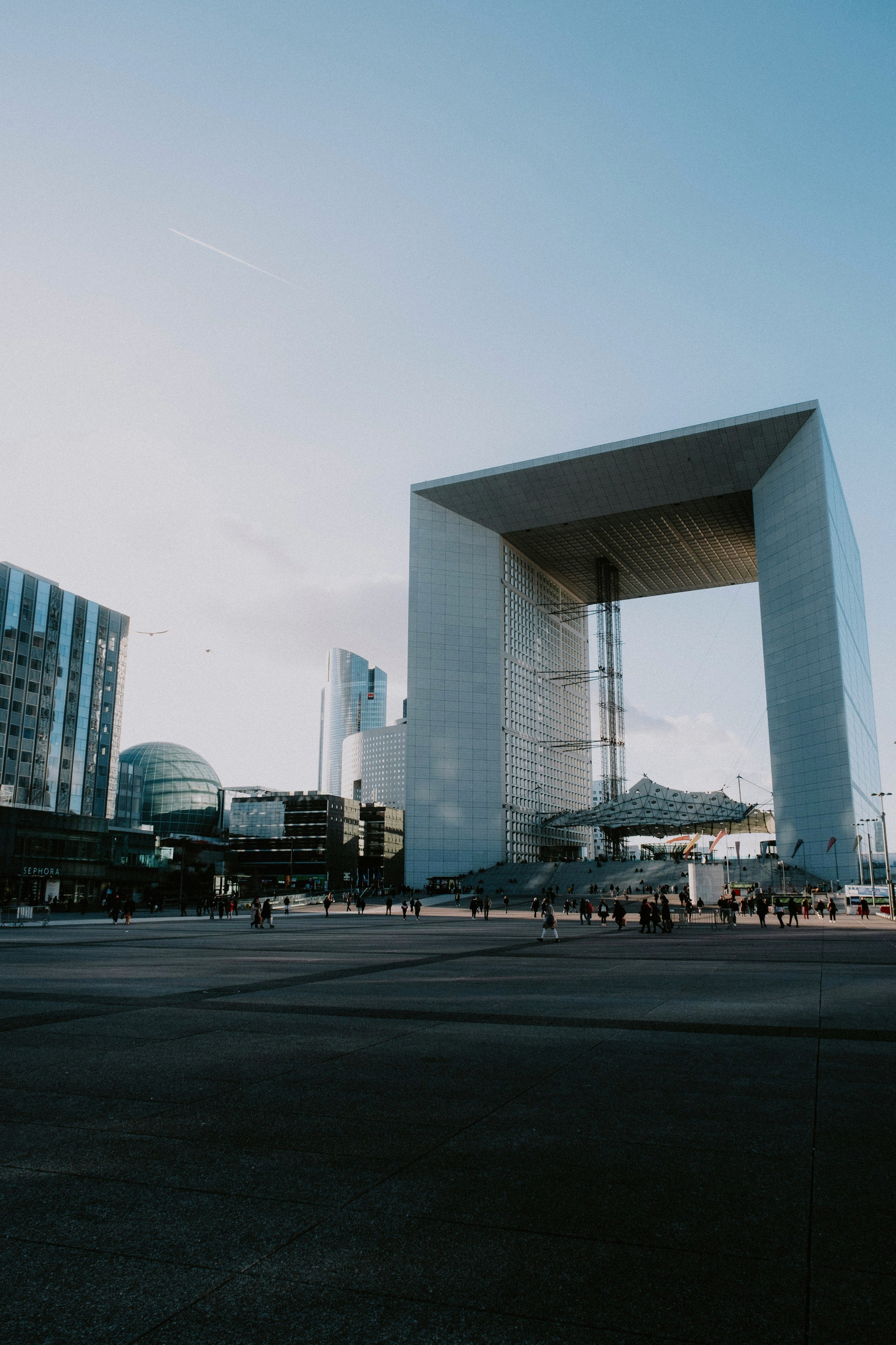
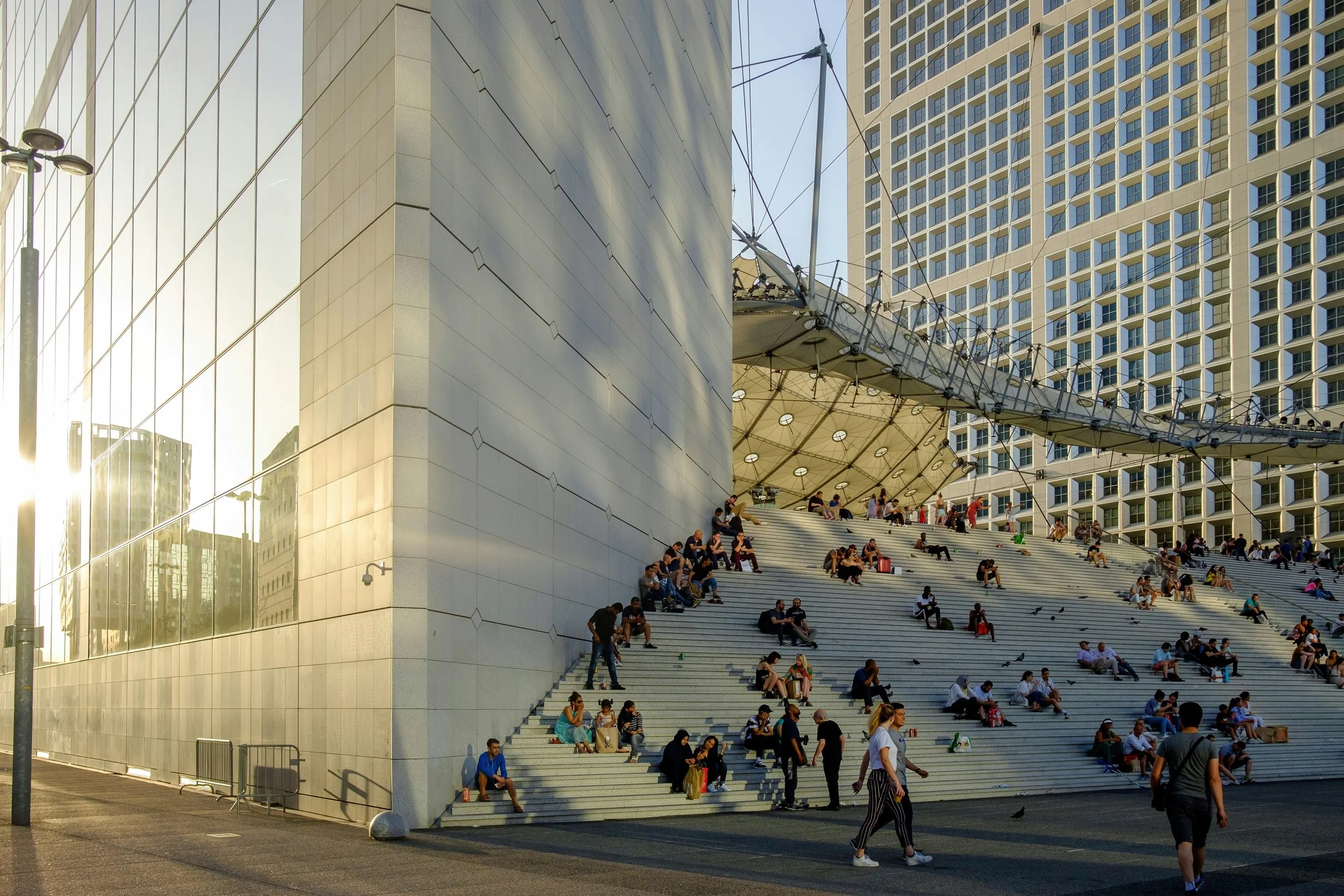
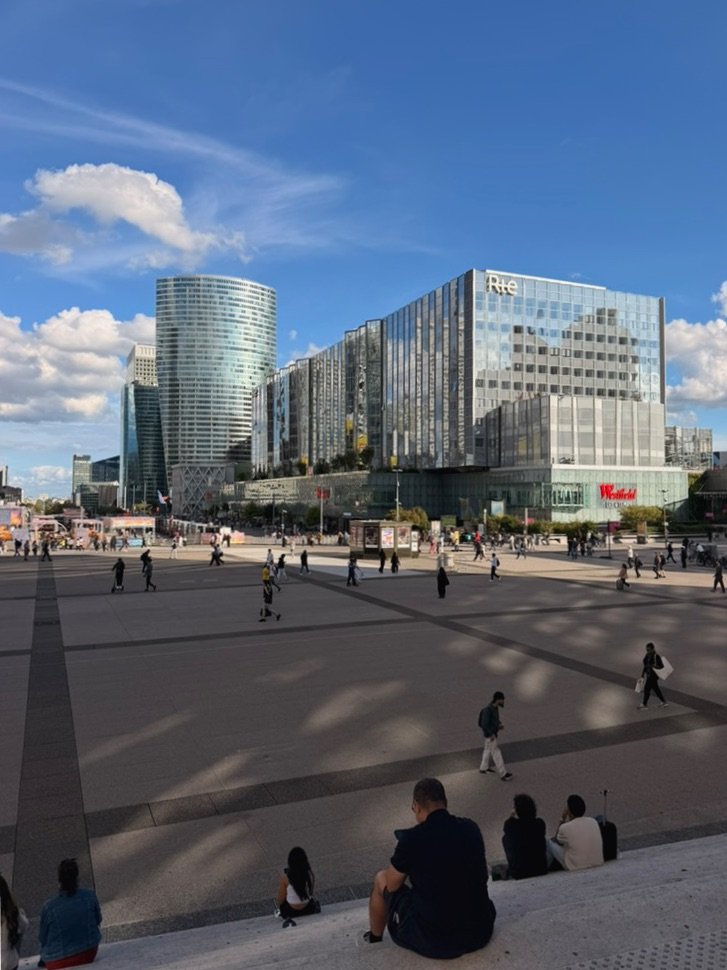
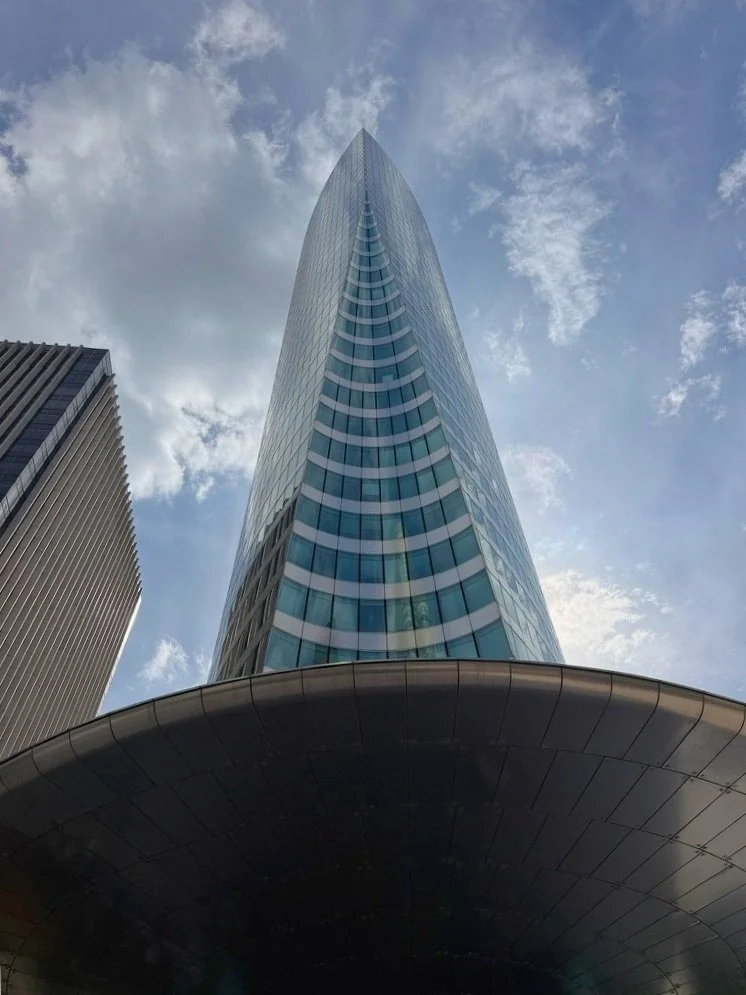
Walk past the Arche and the towers start telling on themselves a little. You can practically guess the decade each one was built just by looking at it. The older ones from the 1970s are boxy and stern, all dark glass and straight lines, like they're still dressed for an office meeting that ended fifty years ago. The newer ones curve and lean and catch the light differently, as if the architects finally relaxed. Tour First rises up nearby, one of the tallest in the country, and around it you'll spot towers with rounded edges or mirrored fronts that seem to be borrowing the sky for the afternoon. Wandering the plaza starts to feel like flipping through decades of design taste, except each page is a couple hundred meters tall and there's a coffee cart on the ground floor.
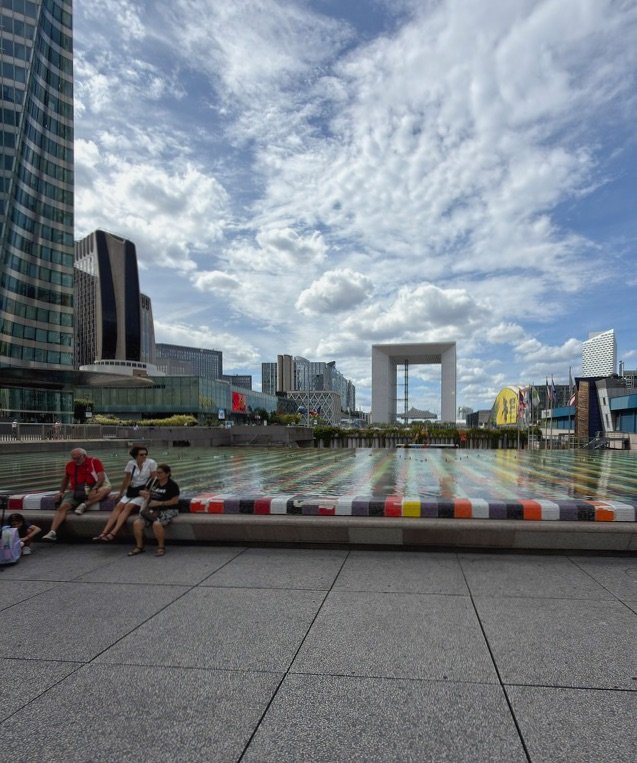
When I look at the La Défense area, I'm still amazed at how different it is from the rest of Paris — extremely modern, dominated by chrome and glass, with a scale to the plaza and surrounding buildings that catches me off guard every time I visit. If I couldn't see the Arc de Triomphe in the distance from the top of the plaza, I would find it hard to believe I was in Paris. I enjoy the pull between old and new, especially since the "old" of central Paris sits in such stark contrast to the "new" of La Défense — only a short metro or bike ride away.
How It Fits Into Parisian Life
I used to think of La Défense as somewhere Parisians commuted to (and through, since it's a major metro hub) and nowhere they wanted to linger. That impression didn't survive my first visit on a weekend.
Away from the Monday-through-Friday rush of briefcases and badge lanyards, the district turns into something closer to an open-air sculpture park. There are more than sixty works of public art scattered across the esplanade — sculptures by Joan Miró, Alexander Calder, César, and others, placed among the fountains and benches almost as an afterthought, the way a person might leave a favorite book out on a coffee table.
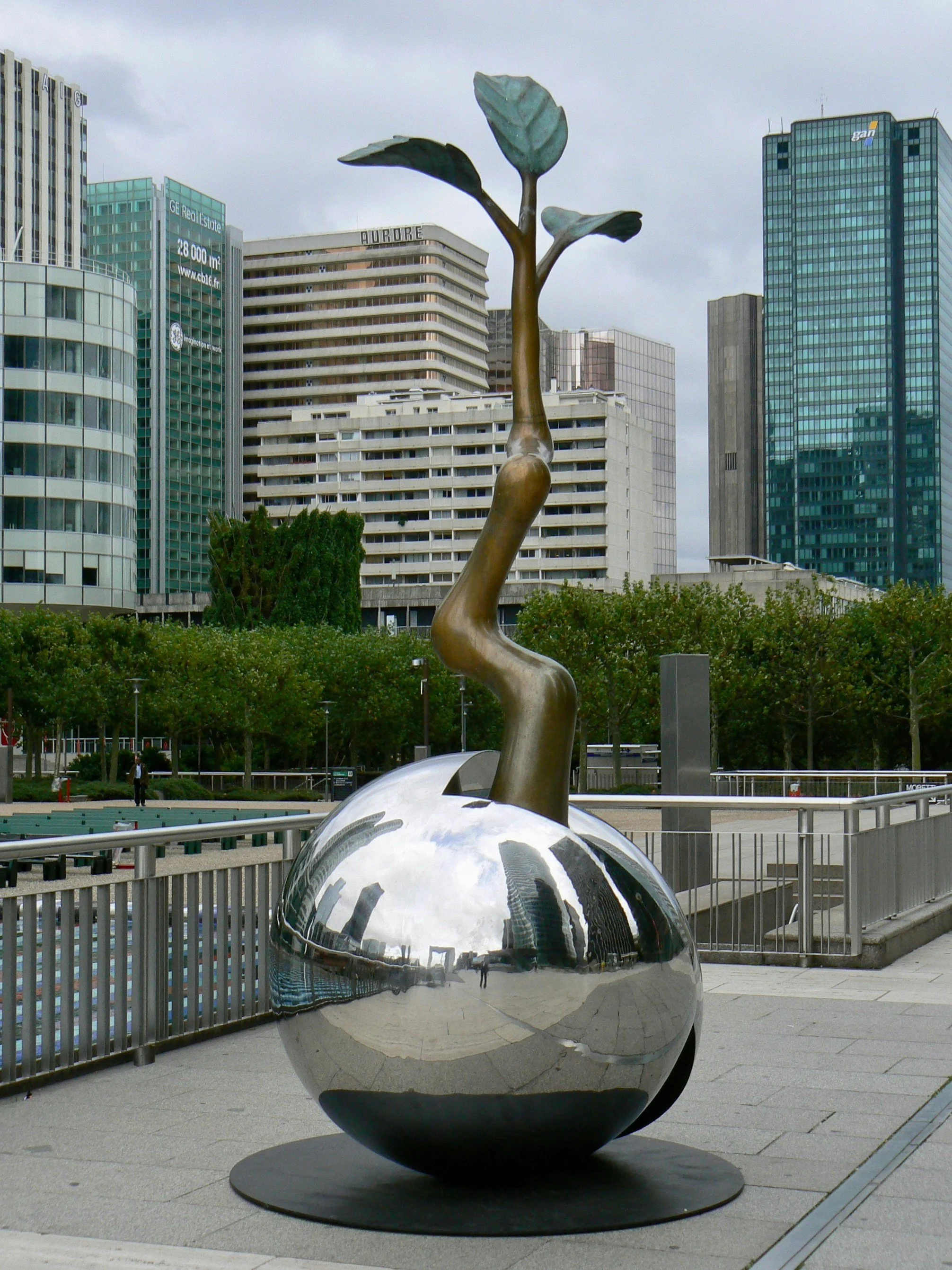
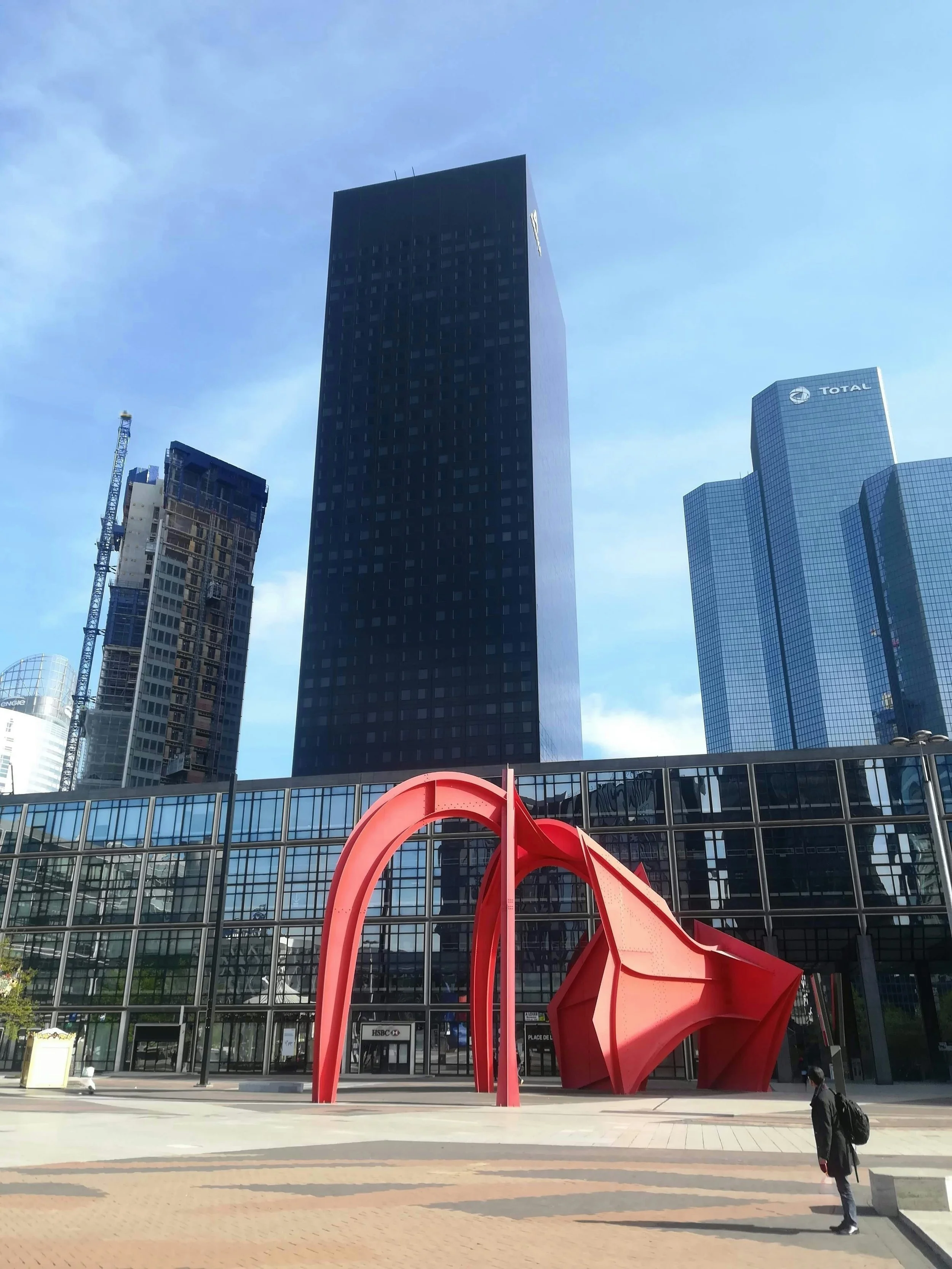
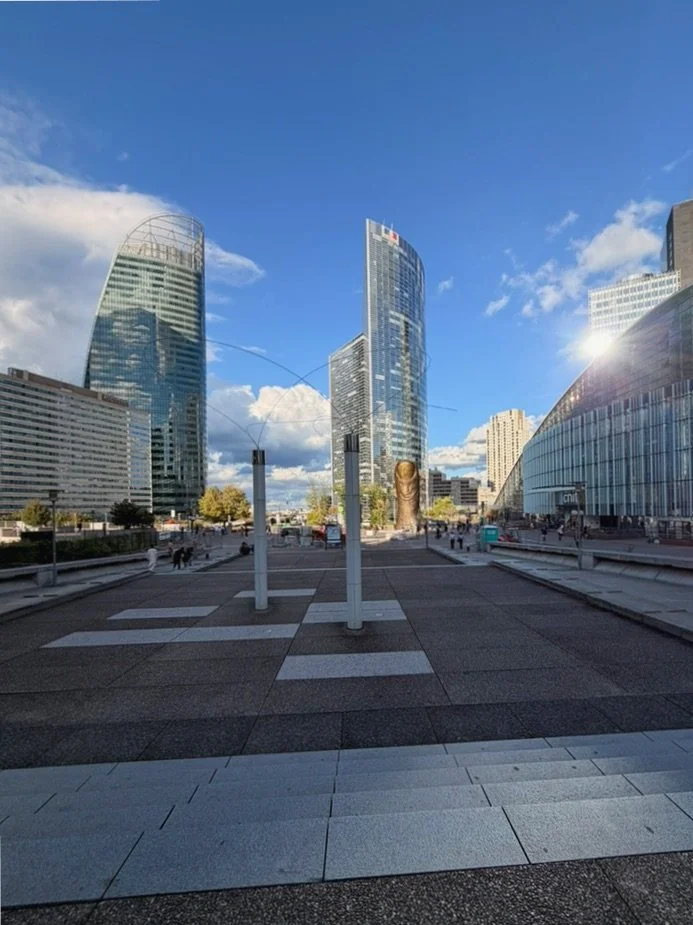
Families come for the fountains in summer, teenagers skateboard and bike along the wide plazas, and office workers who spend their weekdays in suits return on weekends in jeans, treating the same ground as an entirely different place. It's a district that Paris built for commerce, but that Parisians have claimed for leisure all the same. Even the most planned corner of the city, it turns out, eventually absorbs a little of the improvisational spirit found everywhere else in France.
The area is such a departure from central Paris, but I like that. Yes, it's big, sprawling, and modern, but all of that adds a buzz that feels good to be around. I like wandering the plaza, browsing the attached mall and shops, and sitting on the massive stairs that lead up to the Grande Arche. This, in my opinion, is where the quirkiness, size, and frantic pace come together into a charm all their own.
Seasons Bring Their Own Character
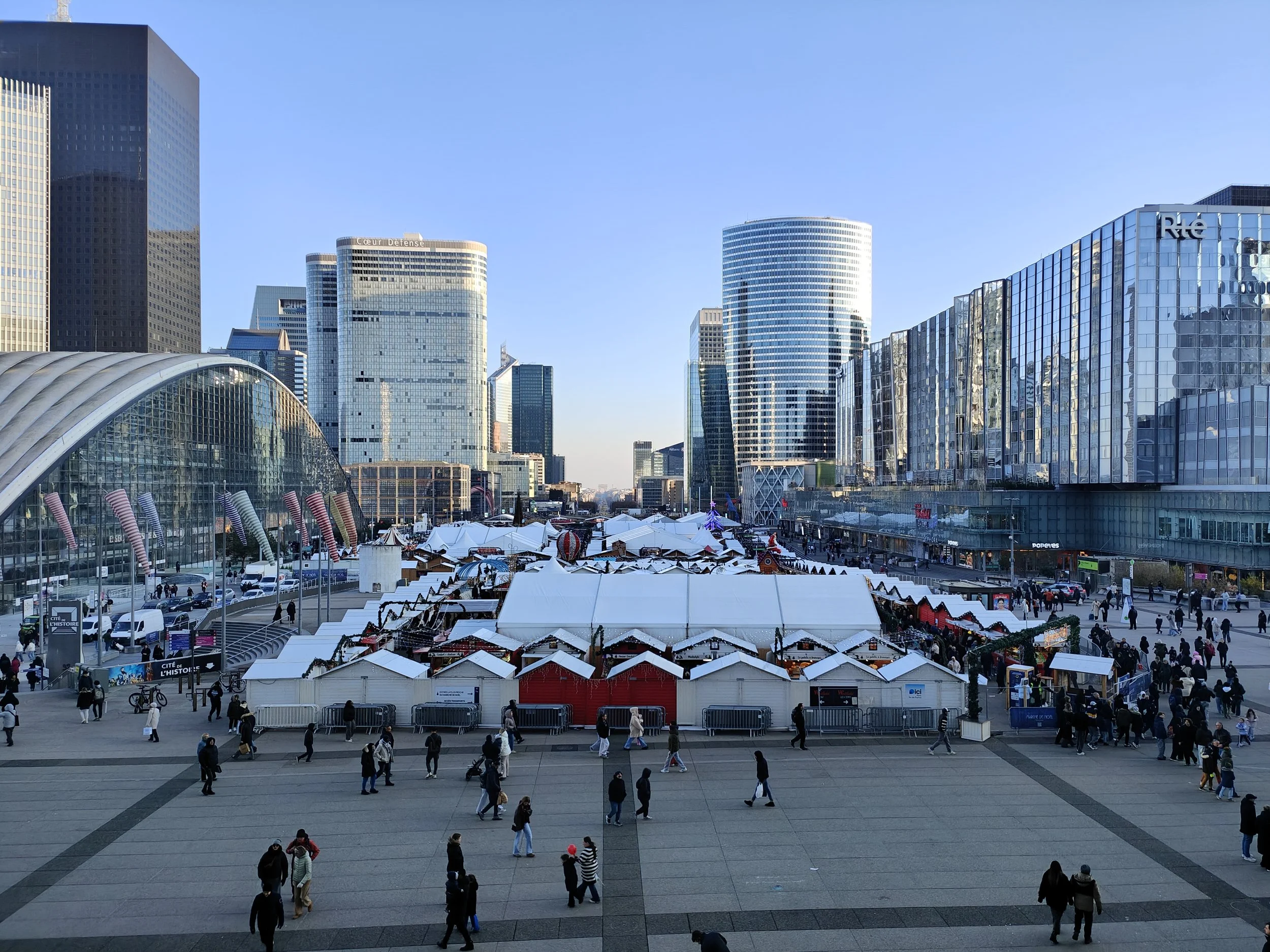
La Défense changes costume with the calendar. In December, the esplanade hosts one of the region's largest Christmas markets, with wooden chalets selling mulled wine, roasted chestnuts, and handmade gifts stretching out beneath the towers — a scene that feels almost deliberately mismatched, glass skyscrapers standing guard over a market that could belong in any medieval town square. In the warmer months, outdoor concerts, food festivals, and art installations fill the same plazas that host lunchtime crowds during the week.
One of the more surprising traditions is the Automnales, an autumn arts festival that brings temporary sculpture and installation work into the public spaces, turning the whole district into a rotating gallery for a few weeks each year. There's also a summer beach event some years, complete with sand trucked in and deck chairs set up against a backdrop that has nothing to do with the seaside and everything to do with Parisian humor.
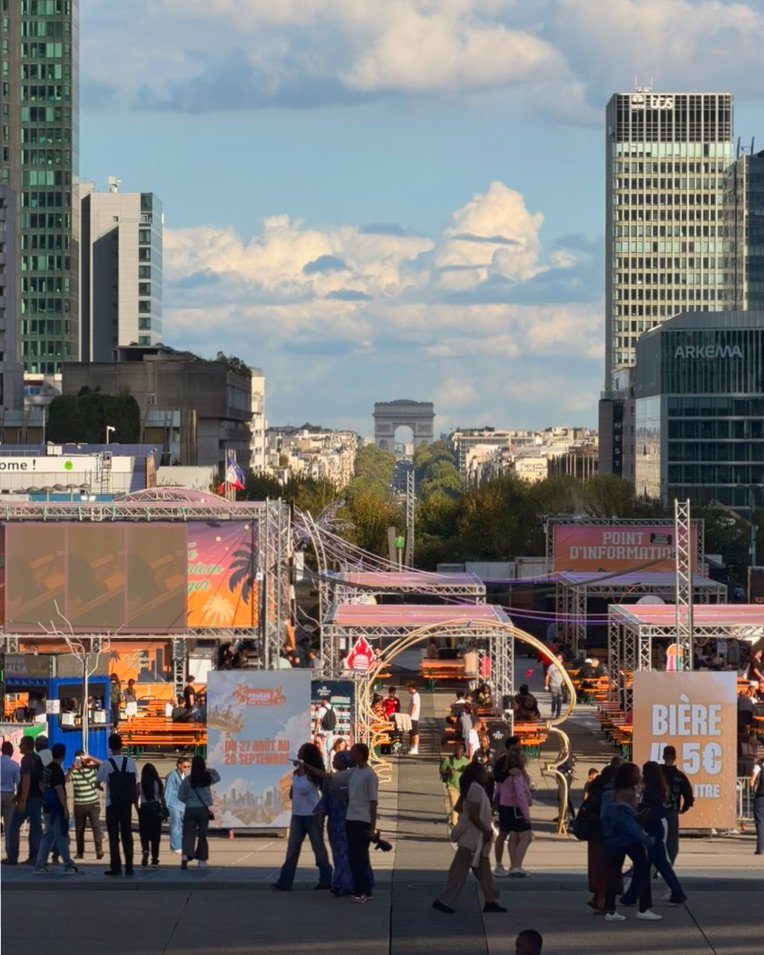
Seasonal events are great here, but I also have a soft spot for the off-beat ones. Recently I went to the Champions Burger event, a touring burger competition with about twenty vendors set up in the main plaza. The food was incredible, and the whole thing was a blast — so many burgers, so little belly. It's events like these that I appreciate most. They keep the area feeling relevant and fun, not just a place people pass through on their commute.
A Different Kind of View
For anyone who wants the postcard moment without the postcard crowd, the observation deck at the top of the Grande Arche offers one of the more underrated views in the city. From up there, Paris stretches out in its full layered history — the old rooftops, the distant Eiffel Tower, the geometric order of Haussmann's boulevards — all visible from a building that represents everything those boulevards were not designed to hold.
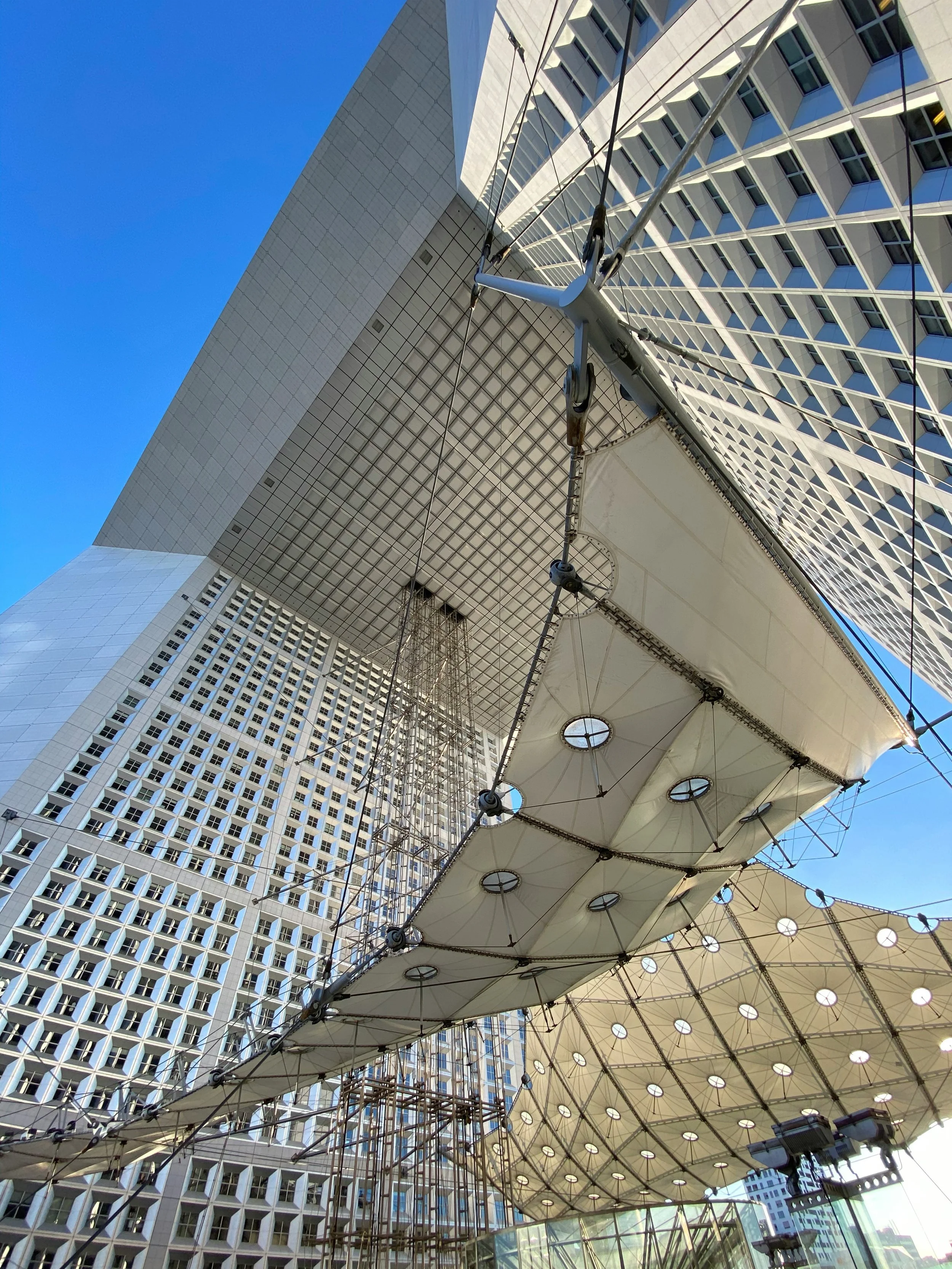
La Défense will never replace the Paris most people come looking for, and it isn't trying to. It exists as a kind of pressure valve, a place where the city could grow upward and outward without disturbing the streets that took centuries to settle into their current shape. Standing at its center, surrounded by glass and steel and the occasional Calder sculpture, you get the sense that Paris didn't abandon its old self by building this district. It simply gave its future somewhere else to stand.
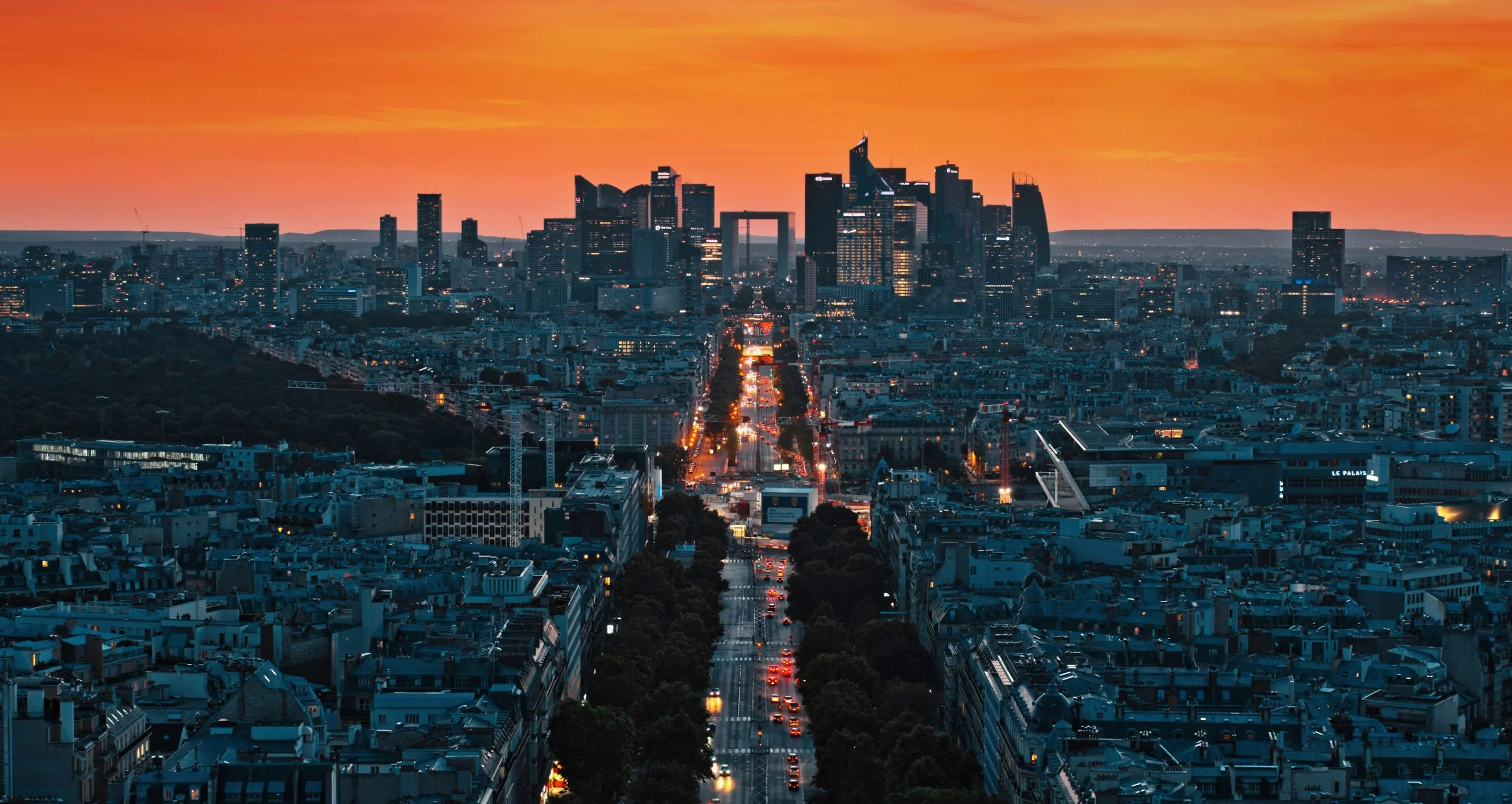
For planning a visit to La Défense, Paris, the official La Défense website keeps an up-to-date calendar of markets, exhibitions, and events happening across the district throughout the year, and Paris Convention and Visitors Bureau has practical details on getting there by RER or metro if you're coming from the city center. Whichever season you catch it in, give La Défense an afternoon of your trip. It asks for nothing more than that, and it tends to give back more than expected.
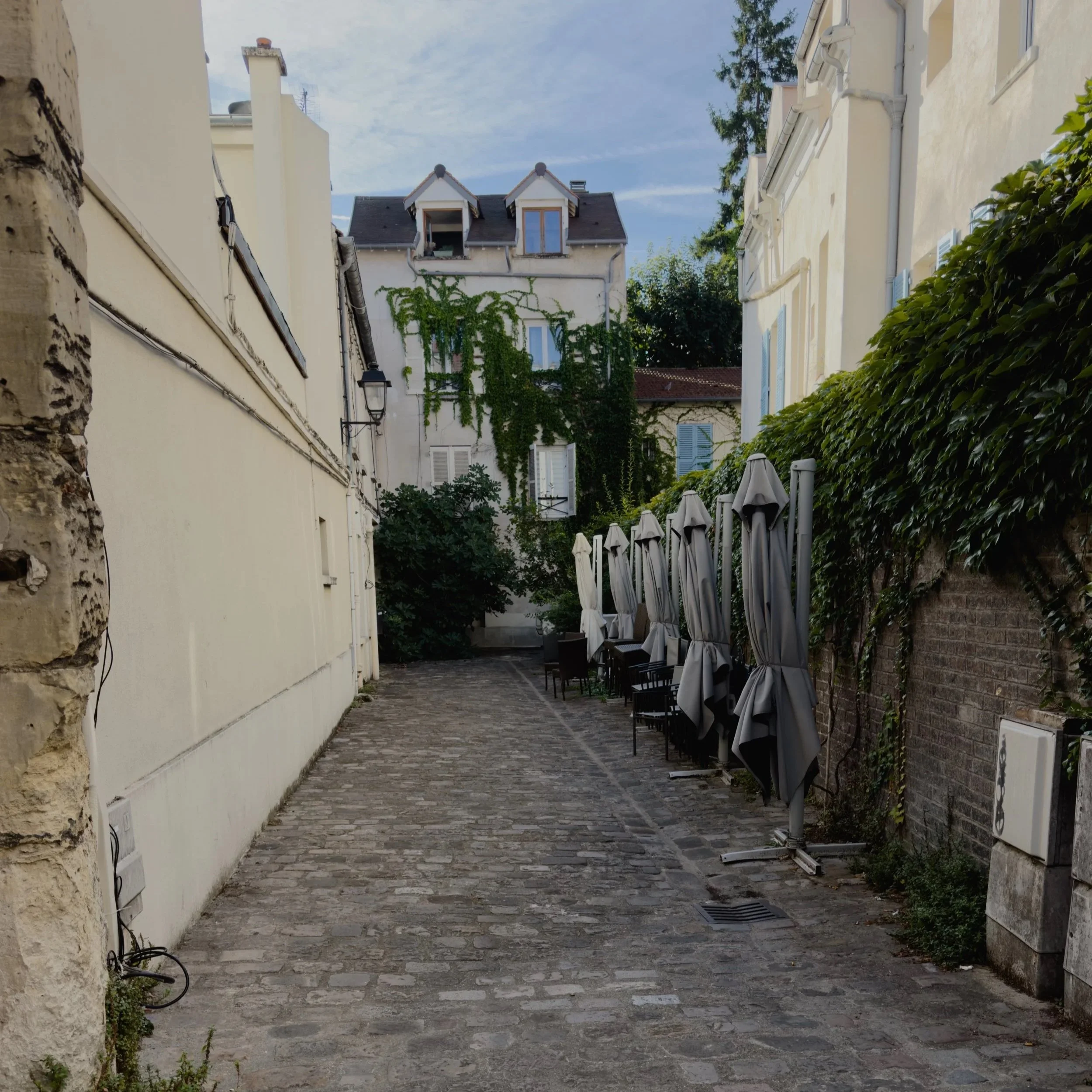
August in France: The Month the Country Exhales
France, especially the big cities, is big and bold. Then, there's August — when the shutters roll down, the boulangeries go dark, and an entire country quietly disappears to the coast.
France, especially the big cities, is big and bold. Then, there's August — when the shutters roll down, the boulangeries go dark, and an entire country quietly disappears to the coast.
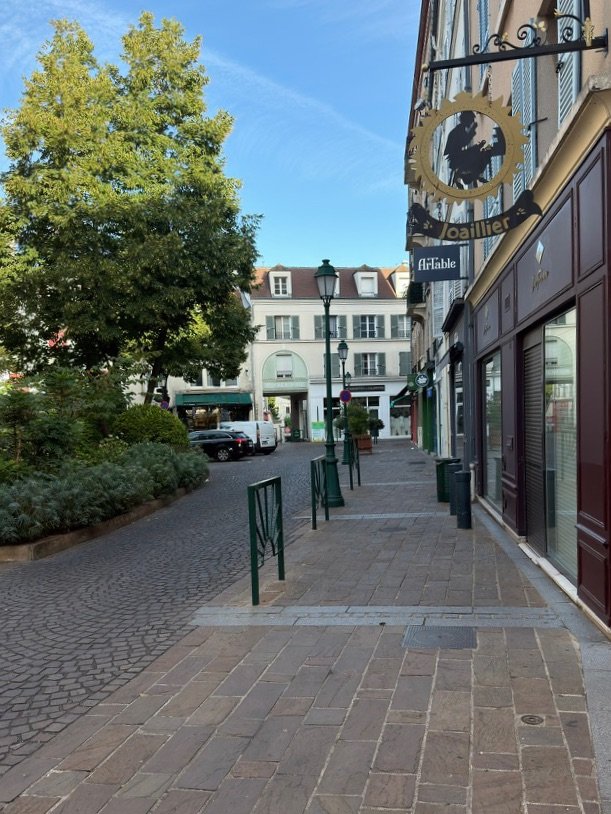
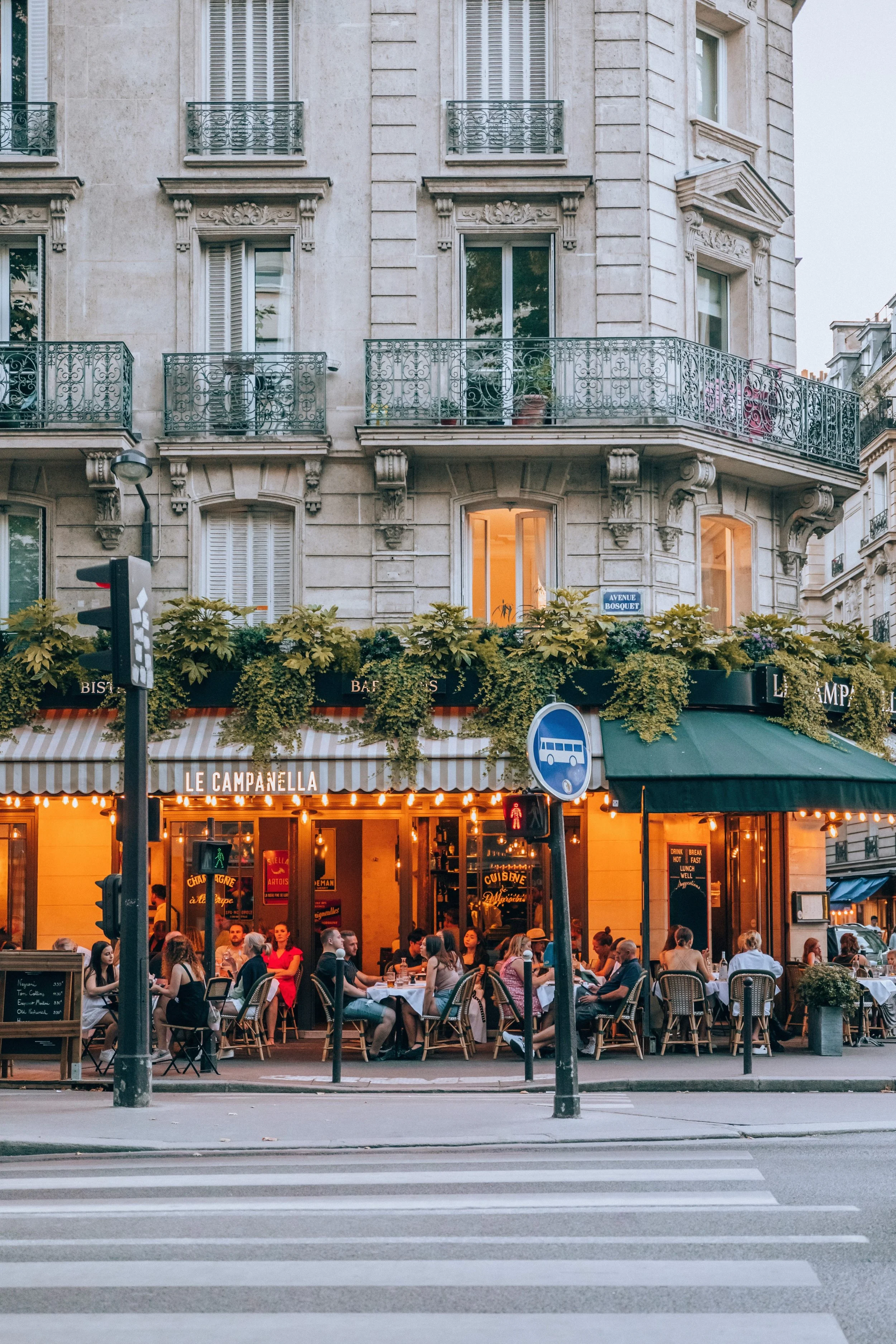
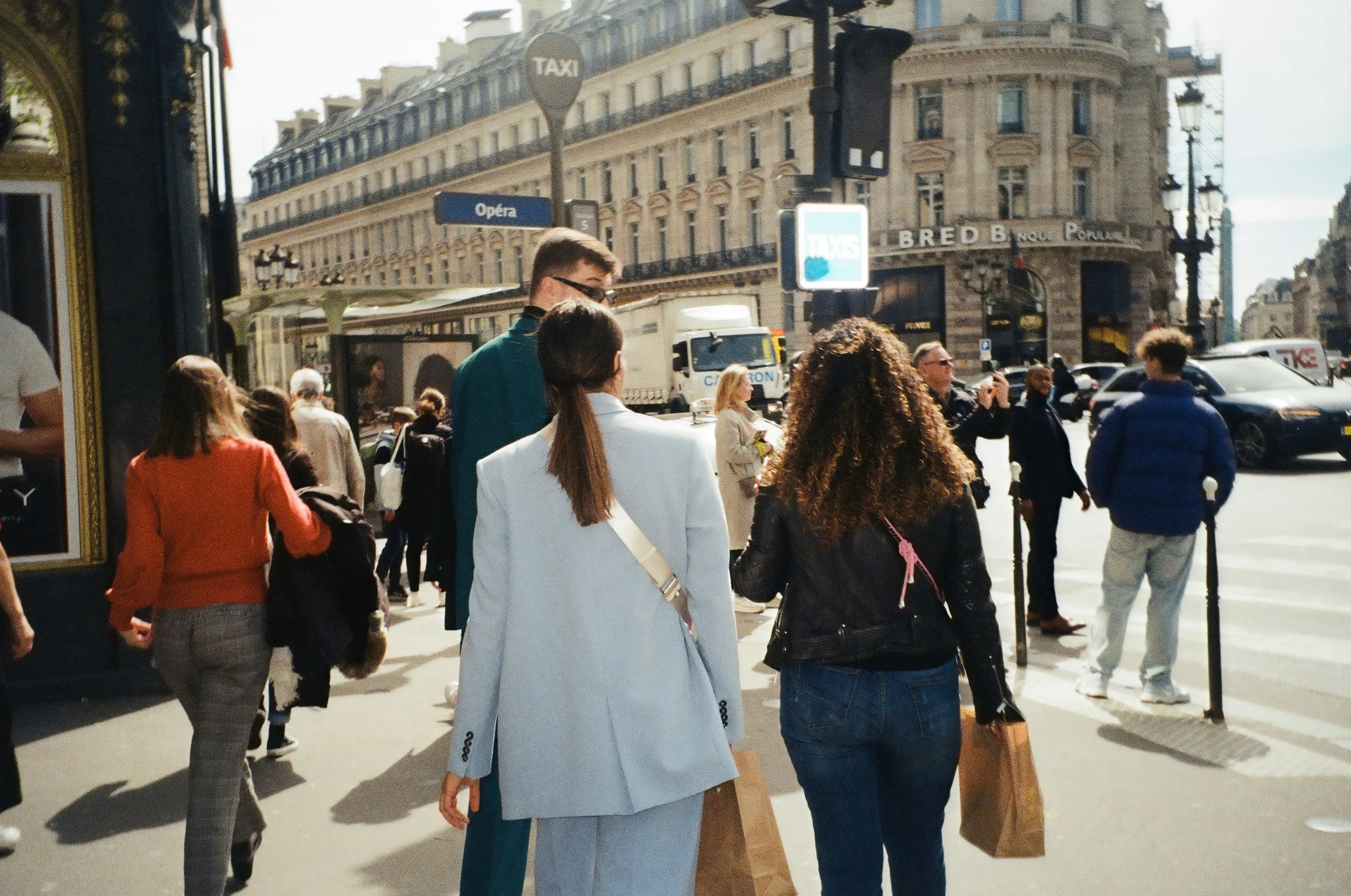
France, especially the big cities, is big and bold. You can imagine the feeling — café terraces filling up by 8am, espresso machines hissing, a delivery van somehow wedged into a street that was clearly built for something the size of a donkey cart. Paris, and a good part of France, always seems to be walking a little faster than it needs to. Lyon hums along its two rivers. Marseille just shouts a bit louder than everyone else, honestly, because it can.
Then, there is August.
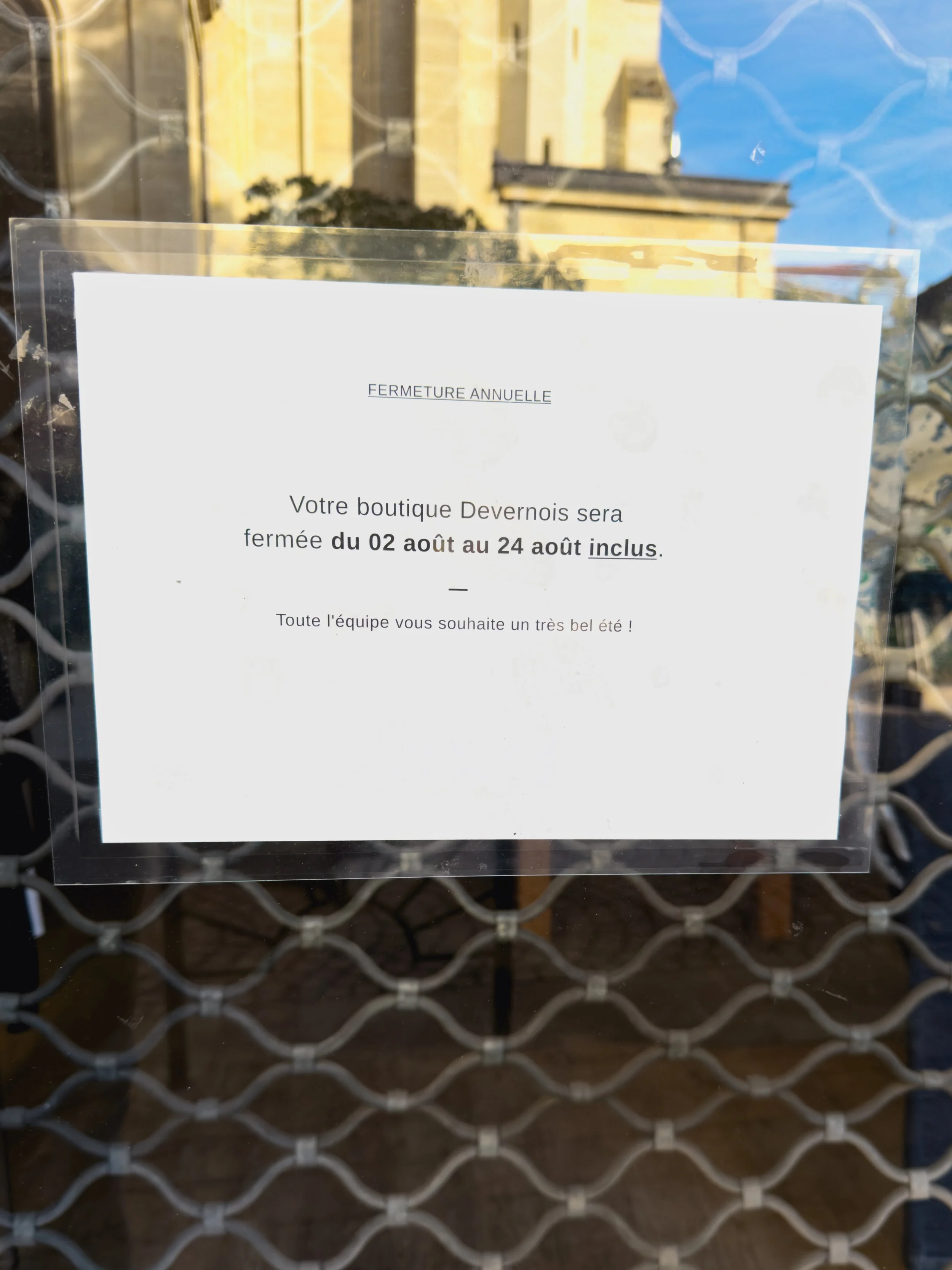
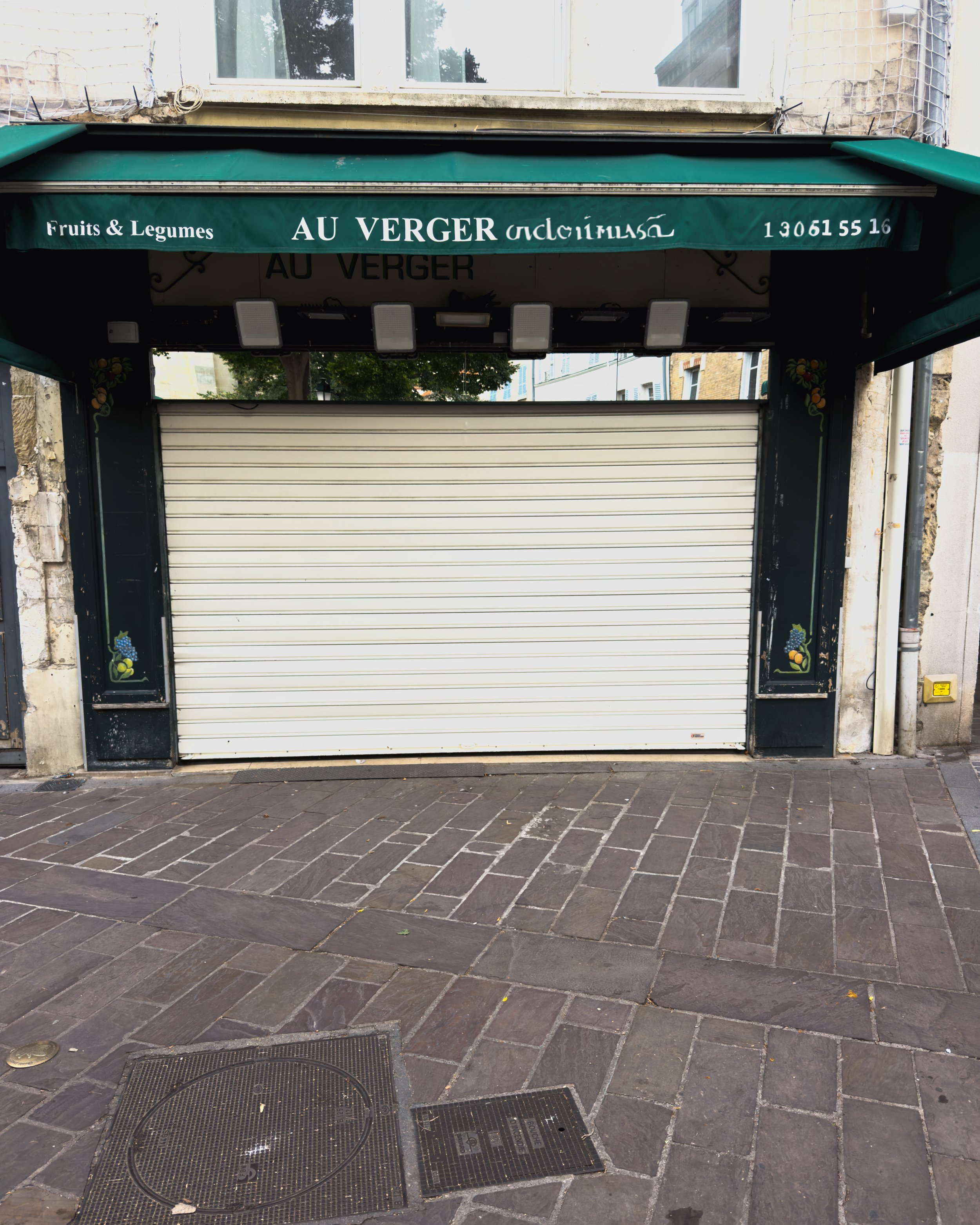
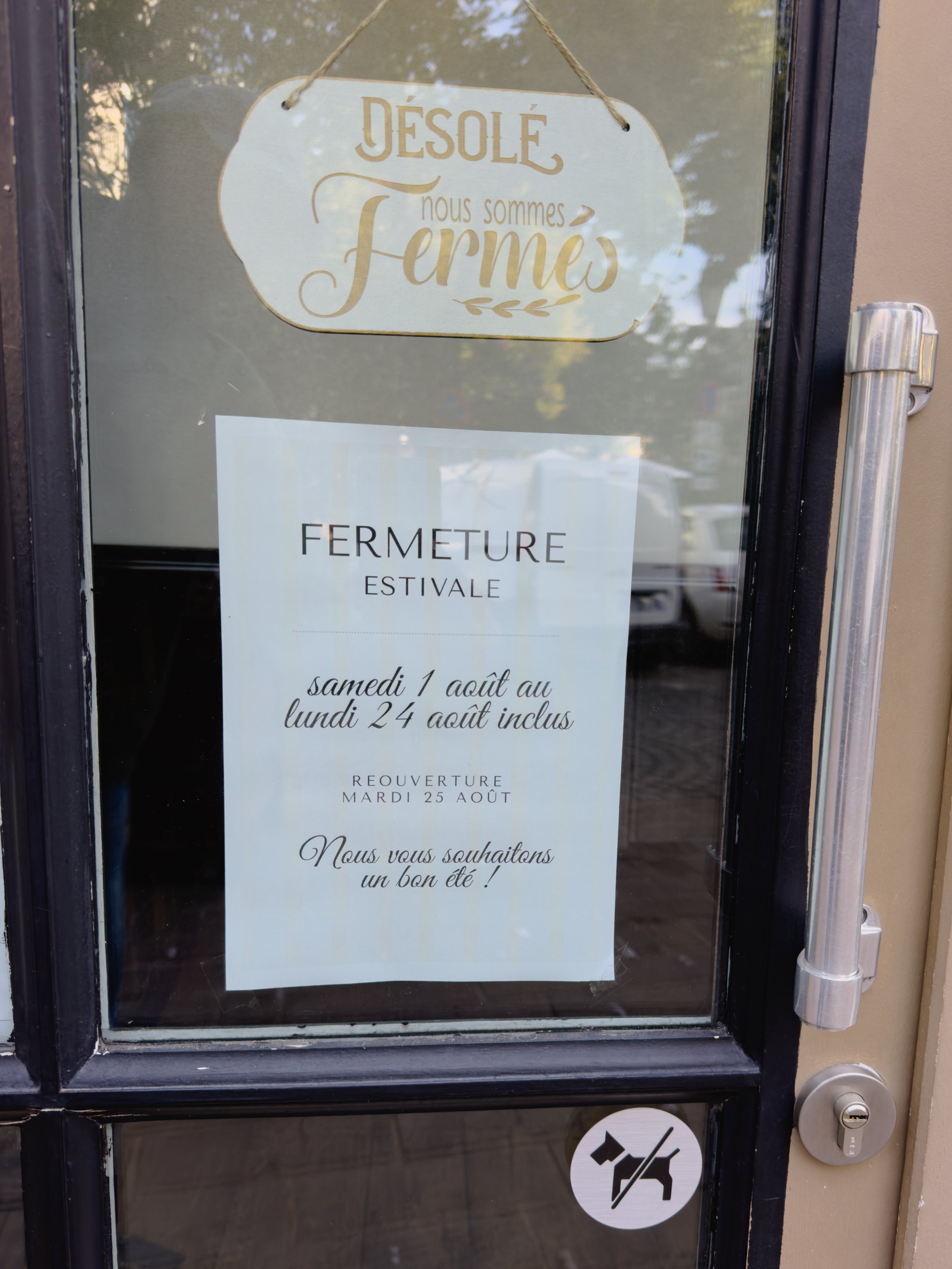
August is the month in France that does the same thing every single year, at pretty much the same time as you’d expect and somehow it still catches you off guard. Sometime around the last week of July, with no announcement, no fanfare, no single moment you could point to and say, "there, that's when it happened," someone reaches over and turns the volume down. Shutters roll shut. Little handwritten notes start showing up taped to the inside of glass doors and windows — fermeture annuelle, they say. Annual closure. Sometimes there's a date scrawled underneath for when they'll be back. Sometimes there isn't. The boulangerie on the corner goes dark. So does the dry cleaner, the physiotherapist, that little bookshop that's been there since before you can remember. It's not a strike, and it's not a holiday in the flag-waving sense. It's something quieter and a little stranger than that — an entire country, more or less all together, just... leaving.
Where This Habit Actually Comes From
I used to assume the French had always done this — packed up and vanished every summer, like it was written into the water. But it isn't nearly that old, and honestly, the real story is more interesting. For most working people in France, taking real time off just wasn't something that happened until fairly recently in the scheme of things. That changed on June 20, 1936, when the government led by Léon Blum passed a law guaranteeing every salaried worker two weeks of paid vacation a year. It came right on the heels of the Matignon Accords, signed just days earlier after a wave of strikes swept the country and workers occupied factory floors demanding, among other things, simply the right to rest. Before that summer, only around 600,000 French workers had ever gone away on a proper seaside or countryside vacation. The very next year, that number jumped to 1.7 million. Imagine that — a whole country discovering, almost at once, what it felt like to have somewhere to be that wasn't work.
From there, that first tiny slice of vacation just kept growing — three weeks, then four, and eventually the five weeks most salaried workers in France are entitled to today. And somewhere along the way, August became the month for it. Not because any law said so, but because once people realized everyone else was disappearing too, staying behind started to feel a little silly, and honestly a little lonely. Why keep the shop open if your regulars aren't even in town to walk through the door?
What August Actually Means to People Here
Ask someone in France about August and you won't get a shrug. You'll get something closer to reverence, like you've asked them about a person they love. Vacation isn't treated as some little perk squeezed in around real life — it's treated as part of what a good year is made of, as ordinary and necessary as sleep. There's even a phrase for how sacred it is: les grandes vacances, the great vacation, the one you build your whole year around rather than fitting in around everything else.
And there's a small, very French bit of vocabulary I love for this — juilletistes and aoûtiens, the July people and the August people. It's such a normal, built-in split in how people live here that it earned its own words, the way some places have specific names for kinds of snow.
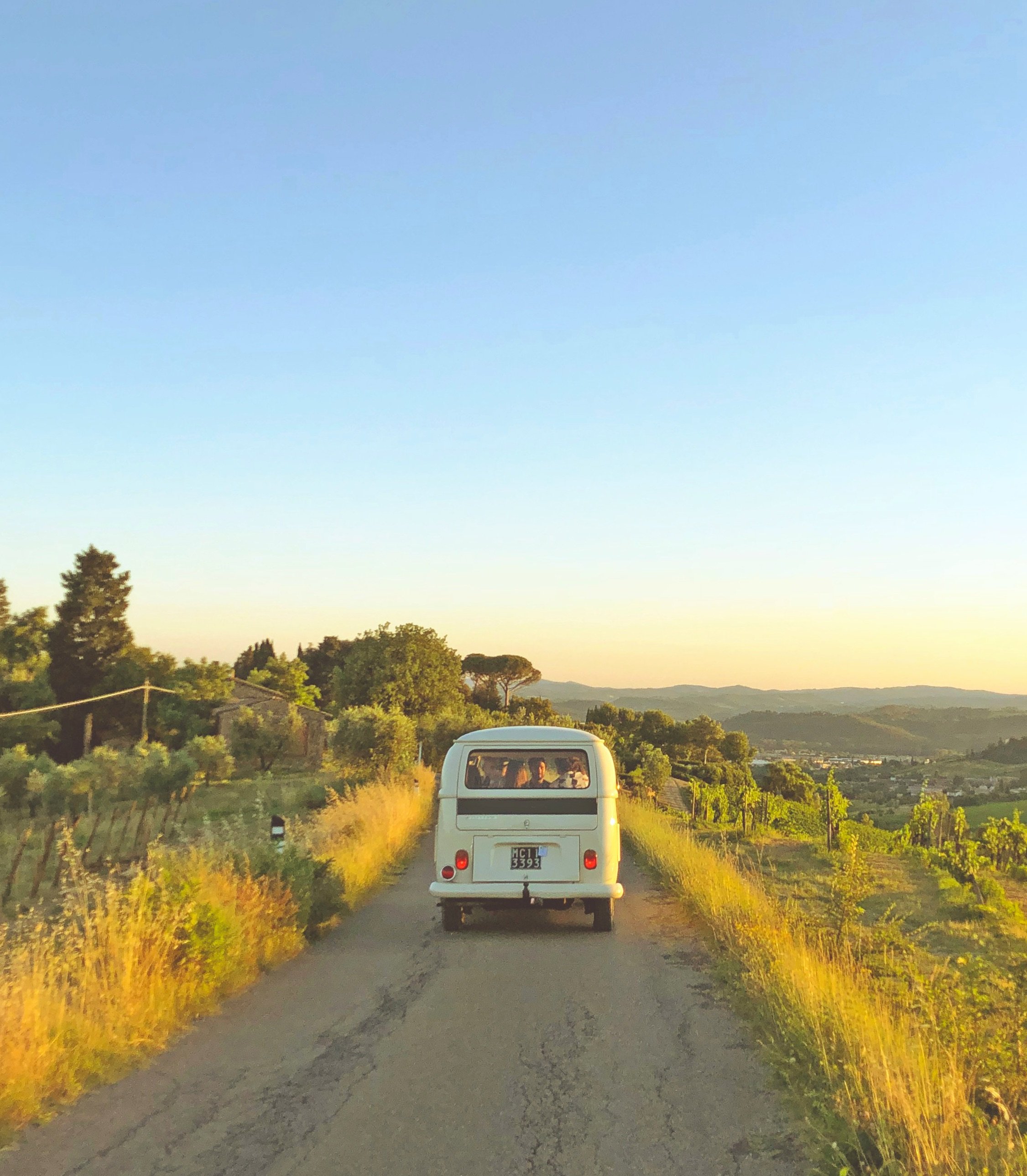
I am that person that always seems to forget. This idea of a quiet August slips my mind every single year. This is especially true when I step out onto the street on August 1st, make a beeline to my favorite boulangerie, only to find the shades drawn and the note in the window. I’m happy that everyone is getting time off, but so sad that I will be without my favorite Rouleau a la Cannelle (cinnamon roll) for the next three weeks (sad face). Yes, I’m sure that the ladies told me that they’d be away, but I was probably in denial. After all, three weeks is a long time.
The Cities Left Behind
This is the part that always gets me, honestly — what happens to the cities once everyone's gone. It's mostly Parisians, along with people from Lyon, Lille, and the other big urban centers, who head for the coasts: Brittany, Normandy, the Basque country, and above all the Côte d'Azur, where a sleepy little town in June can turn into something several times its size by mid-August. But what's left behind in the cities is this strange, hollowed-out version of the place you thought you knew. Traffic that normally chokes the boulevards just... isn't there. The Métro rolls through at what should be rush hour with half its seats empty. You can hear your own footsteps on streets that are usually a wall of noise.
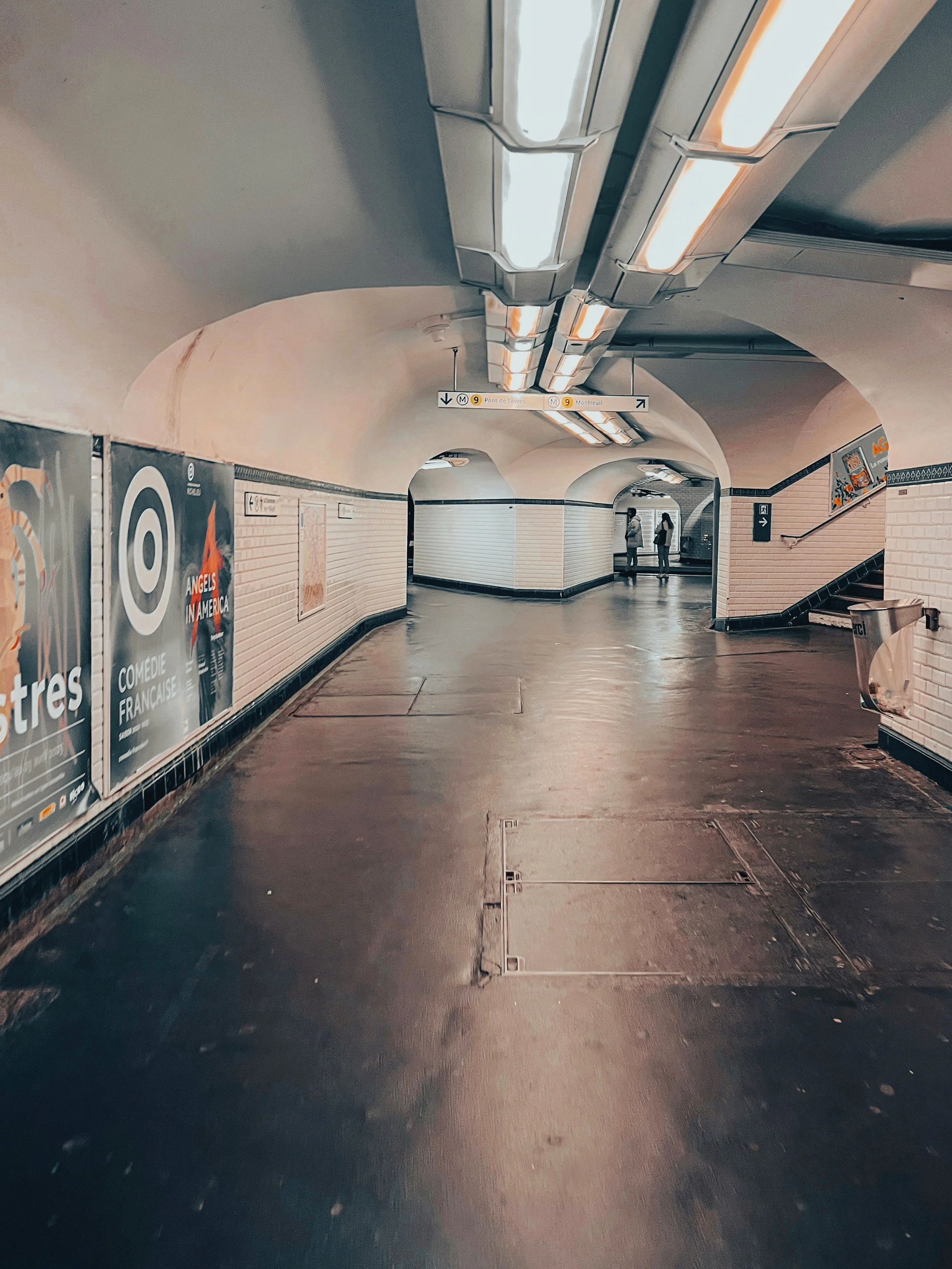
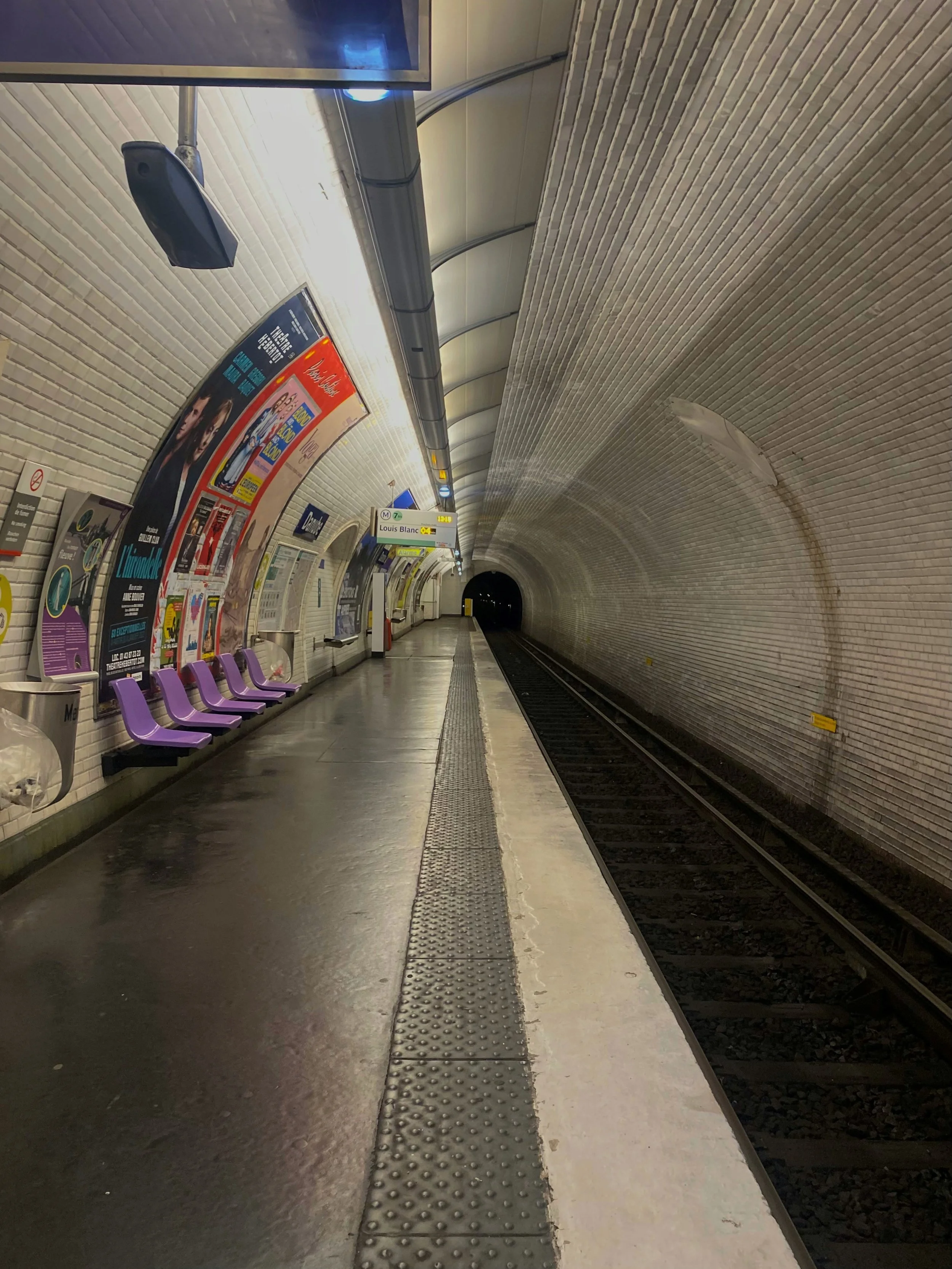
Restaurants you'd normally need to book three weeks ahead will suddenly have a table for you on a random Tuesday at 8pm — if they're even open. Some of the neighborhood spots people love, the ones that aren't just there for tourists, will pull the shutters down for two, three, sometimes four weeks straight. It's not only that the owners want a break, though of course they do. It's that half their staff is legally entitled to be gone at exactly the same time everyone else wants to go too, so there's often nobody left to run the place even if they wanted to stay open.
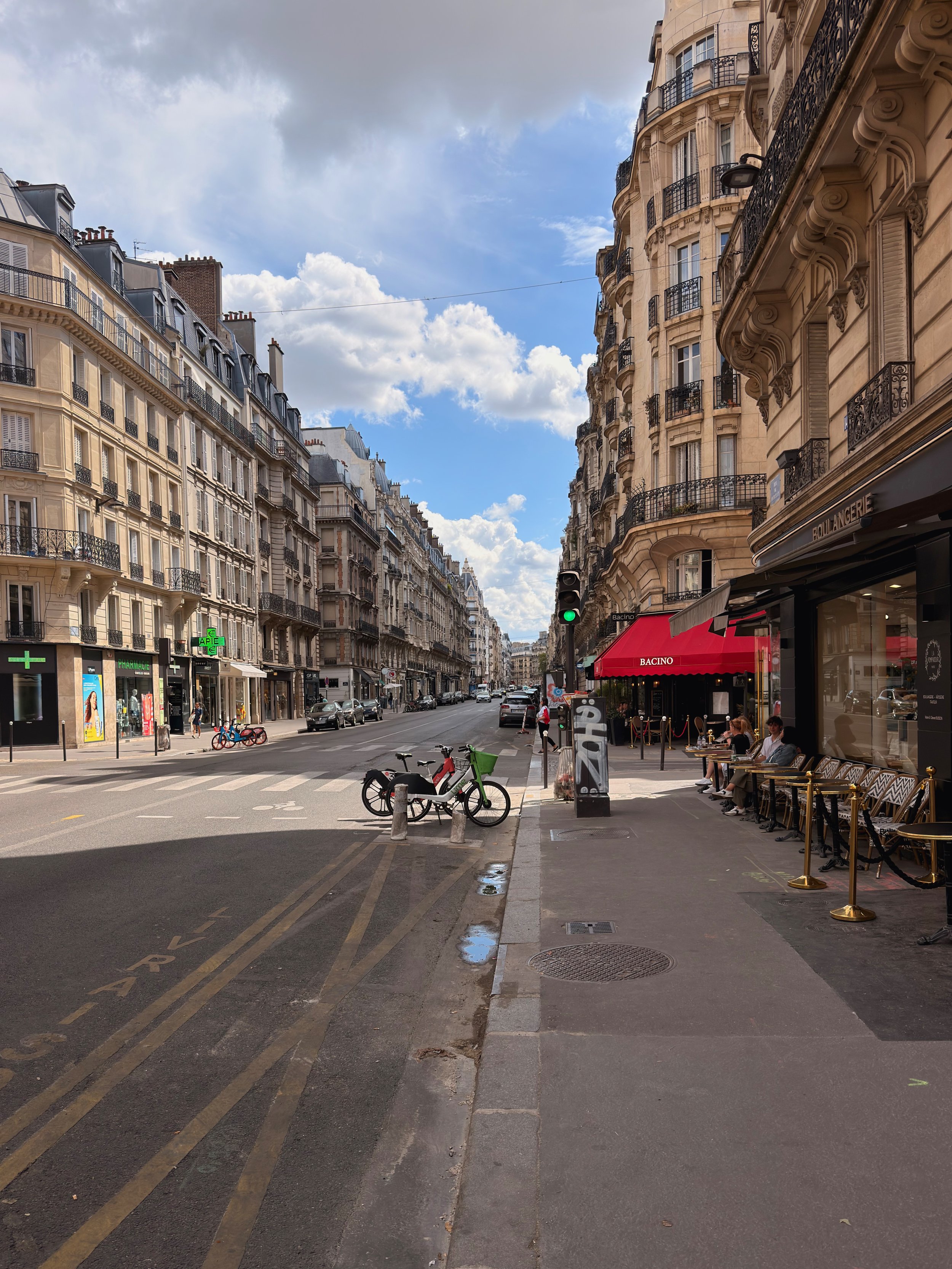
The stores and shops closing are one part of it. In my village, part of the place going silent is not seeing the faces that you’re used to seeing and not hearing sounds that I’m used to hearing. No throngs of children, bikes clattering down the street or neighbors and folks that you normally wave to. Just quiet and unoccupied space.
Everyday Life, Rearranged
If you live in a French city and stick around for August — and plenty of people do, whether by choice or because their turn comes in a different month — you learn pretty fast that certain things just have to wait. Trying to get a dentist appointment, or see your accountant, or get your car looked at in late August can feel a bit like shouting into an empty room. Government offices run on a skeleton crew. Even hospitals and pharmacies work out a careful rotation so the whole neighborhood isn't left without care at once, though it can still feel that way when you're the one wandering around on a Sunday looking for a green cross that's actually lit up.
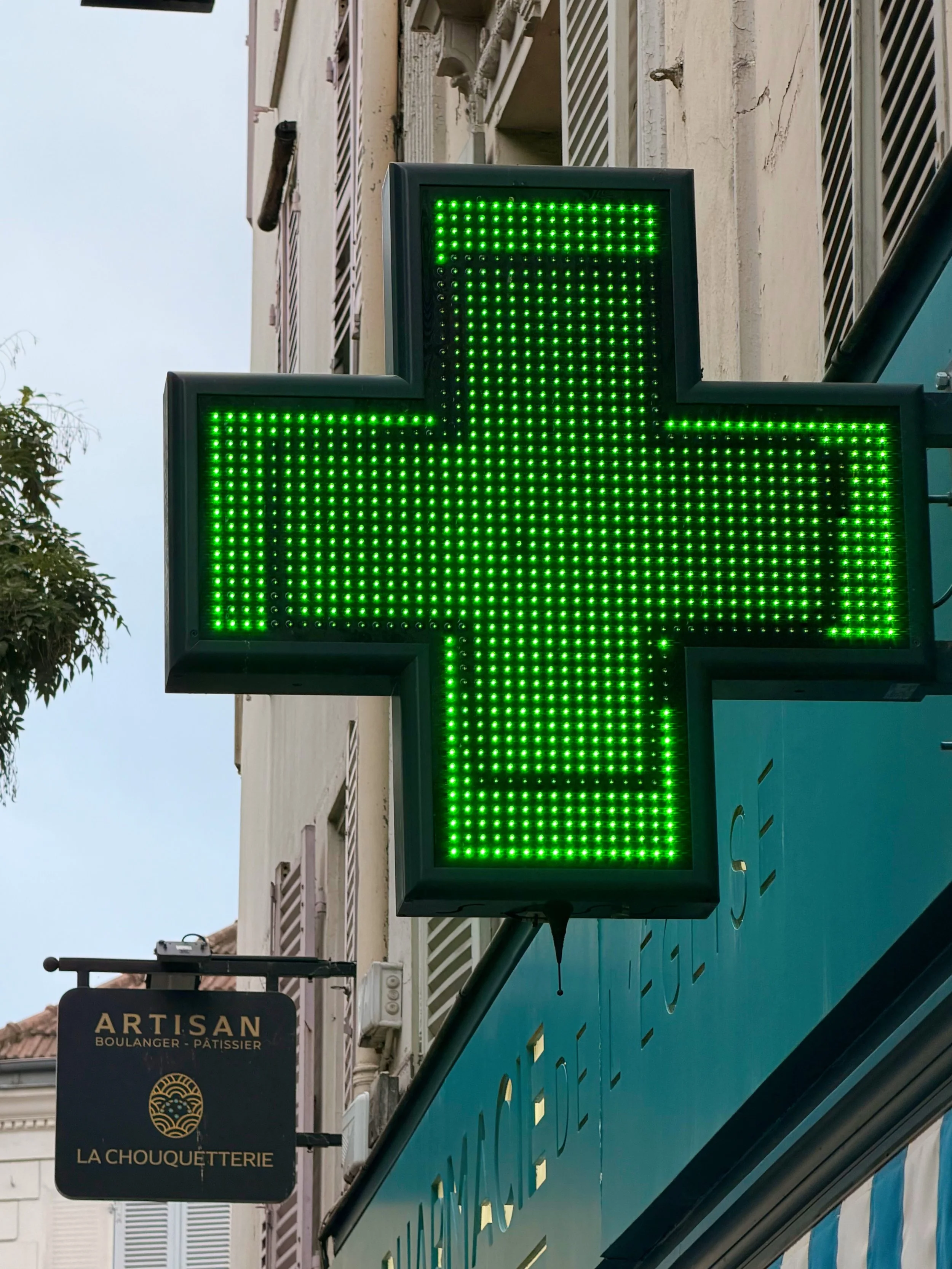
And yet, none of this really registers as an inconvenience to the people living it, not the way it might to a visitor seeing it for the first time. There's this quiet, unspoken deal at play: sure, your dry cleaning might have to wait until September, but when your own turn comes to disappear to the coast for a month, nobody's going to hold it against you either. It's less a system of closures, honestly, and more a system of everyone giving everyone else permission.
For me August is a weird experience, particularly after living through the hectic pace of Mid-May through July. However, the slowdown in activity really gives me time to settle down and recalibrate. I love to take advantage of the open town square, the peace and quiet of the early mornings and having the chance to roam the streets here and in Paris with a bit more ease. Though a lot of things are closed, it is still intoxicating to have such a level of serenity. Although I know that it is for a short time, I try to take full advantage.
Meanwhile, Somewhere on the Coast
While the cities go quiet, somewhere else gets a whole lot louder. Beach towns along the Atlantic and the Mediterranean swell overnight into their fullest, sunniest selves. A market square that sees a modest little crowd in April is shoulder to shoulder by the second week of August. Restaurants that were half-asleep in June suddenly have a line out the door. It's not really that France goes quiet in August — it's more that all the noise just moves. From the boulevards to the beach towns. From office buildings to campsites. From empty Métro platforms to train station departure boards packed with families and an amount of luggage that really shouldn't be possible.
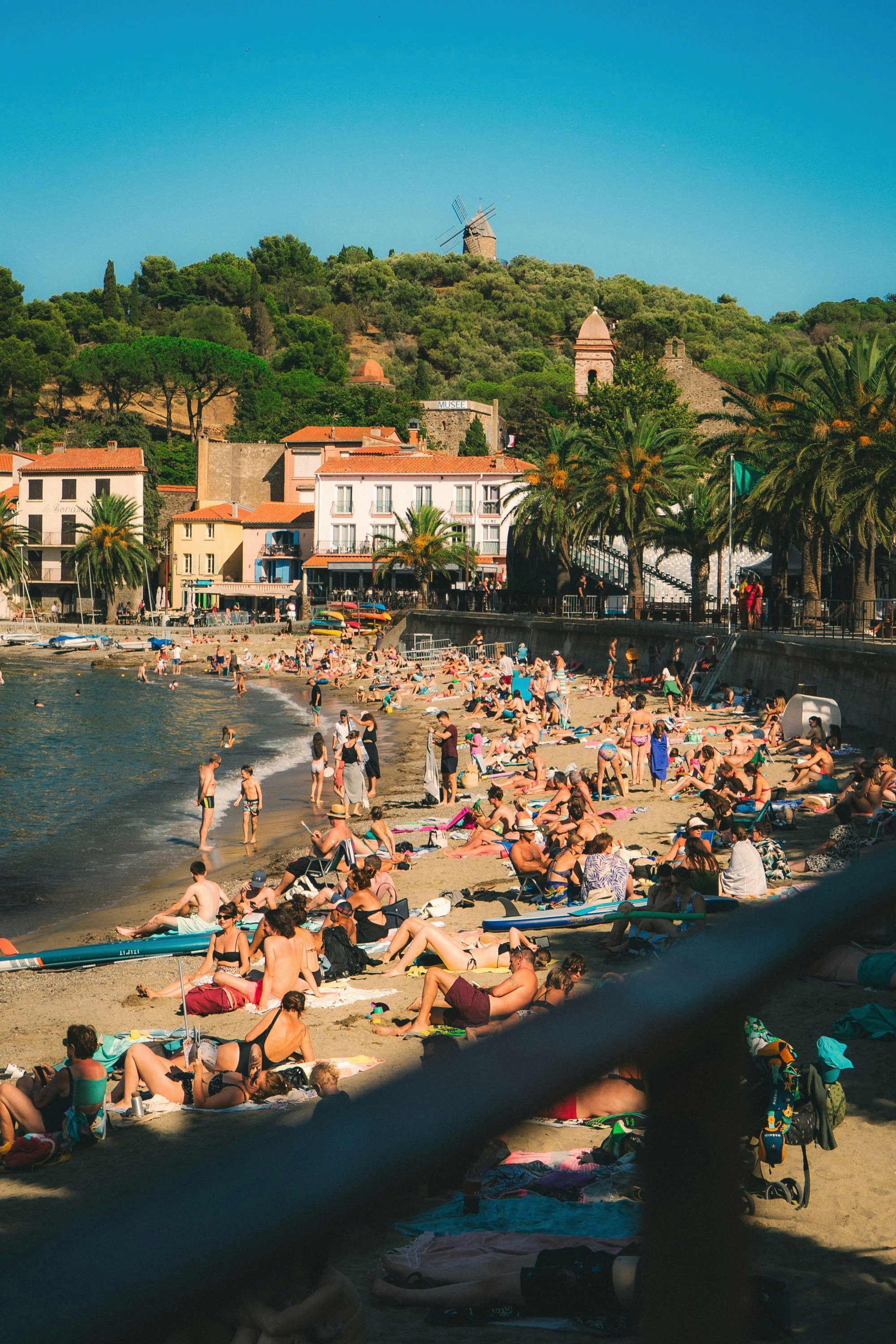
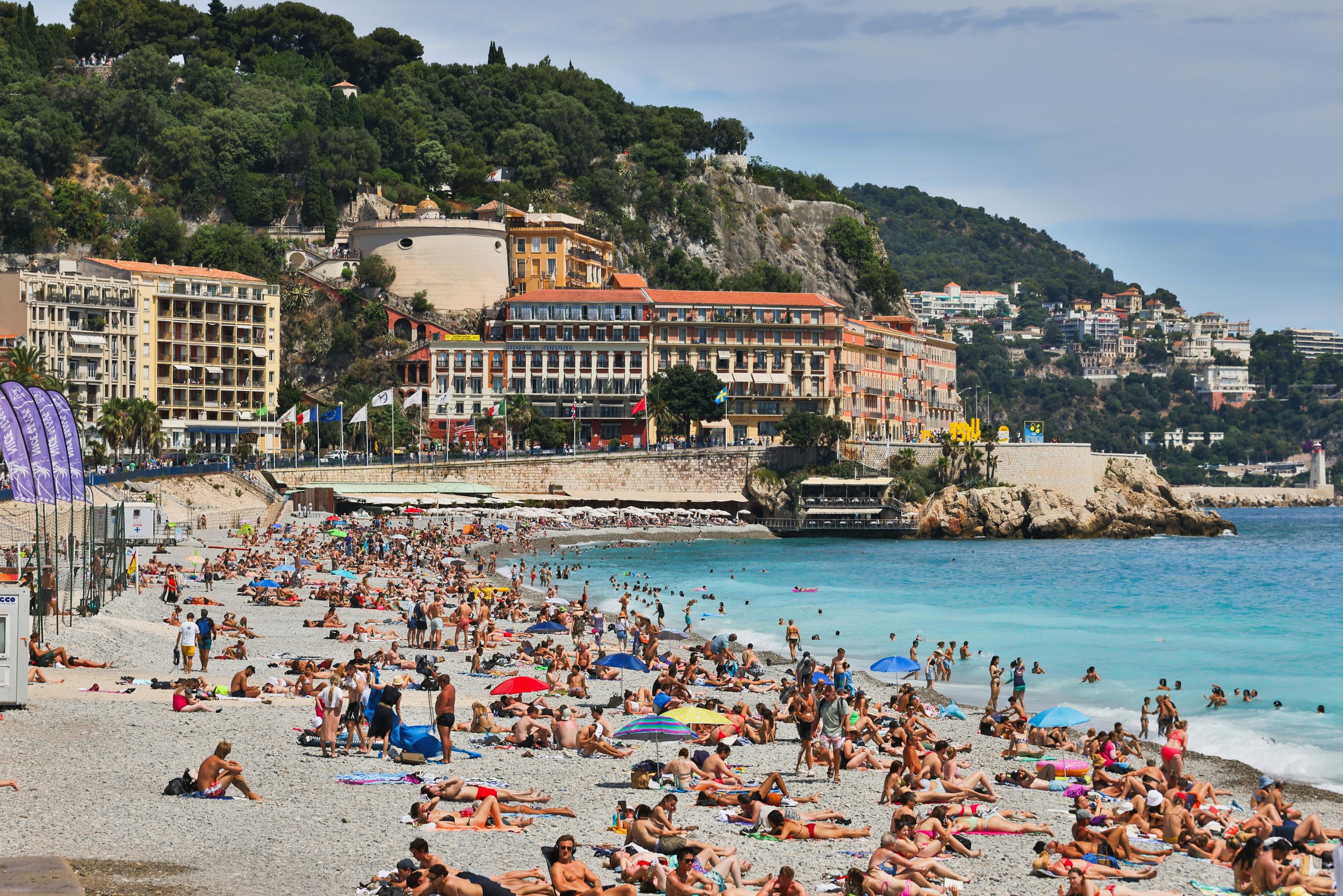
Many people travel to the coast to enjoy the sea. Personally, I'm not much of a beach person, but I can certainly see the appeal. Families park themselves at the beach for a full day in the sun — sleeping, playing, relaxing. While the beach is nice, I enjoy getting away, roaming the streets, talking to locals, and snapping photographs. This is especially true in my surrounding area when everyone leaves — I feel like I have the place all to myself. Odd for some, but so perfect for me.
And Then, Quietly, It Ends
By the last days of August, something shifts back. The trains reverse direction. Suitcases come back down off car roofs. And with almost the same quiet, steady rhythm as when the shutters first went up in July, they start coming back down again. There's a word for this too — la rentrée, "the return" — when kids go back to school and offices fill up again and every inbox that's been quietly stacking up auto-replies for a month suddenly demands to be dealt with all at once. There's a particular feeling to early September in Paris that catches a lot of people off guard: the city snapping back into its bold, loud, unmistakable self, like it had simply been holding its breath the whole time.
August in France isn't just some footnote to the year — it's built right into the rhythm of the place, all traced back to a single law passed nearly ninety years ago that quietly reshaped how an entire country thinks about work and rest. So, if you're planning a trip, or just trying to figure out why nobody's answered your email in three weeks, it helps to remember: this isn't France being difficult.
This is France, for one month a year, simply refusing to be.