
La Défense – The UnParis Paris
There is a version of Paris that smells like fresh bread and old stone, where the streets curve because someone forgot to invent the ruler. And then, just past the edge of the 16th arrondissement, there is a version of Paris that seems to have skipped that memo entirely. Glass towers instead of zinc roofs. Wide open plazas instead of narrow lanes. A skyline that looks like it borrowed a plane ticket from Chicago and never gave it back. Welcome to La Défense — the district that Paris built when it needed somewhere to put its future, and decided, quite deliberately, not to put it downtown.
Locals sometimes call it "the other Paris," said with more fondness than the teasing tone lets on. This isn't the Paris of postcards. It's the Paris of elevators and espresso breaks, of Sunday markets that pop up beneath buildings named after banks, of a skyline that shifts season to season as the light catches a hundred glass panels differently. Odd, a little brash for a city known for its restraint, and somehow unmistakably Parisian once you've spent an afternoon there. If you're mapping out things to do in Paris beyond the usual landmarks, this is the kind of detour worth making.
Where the Name Comes From
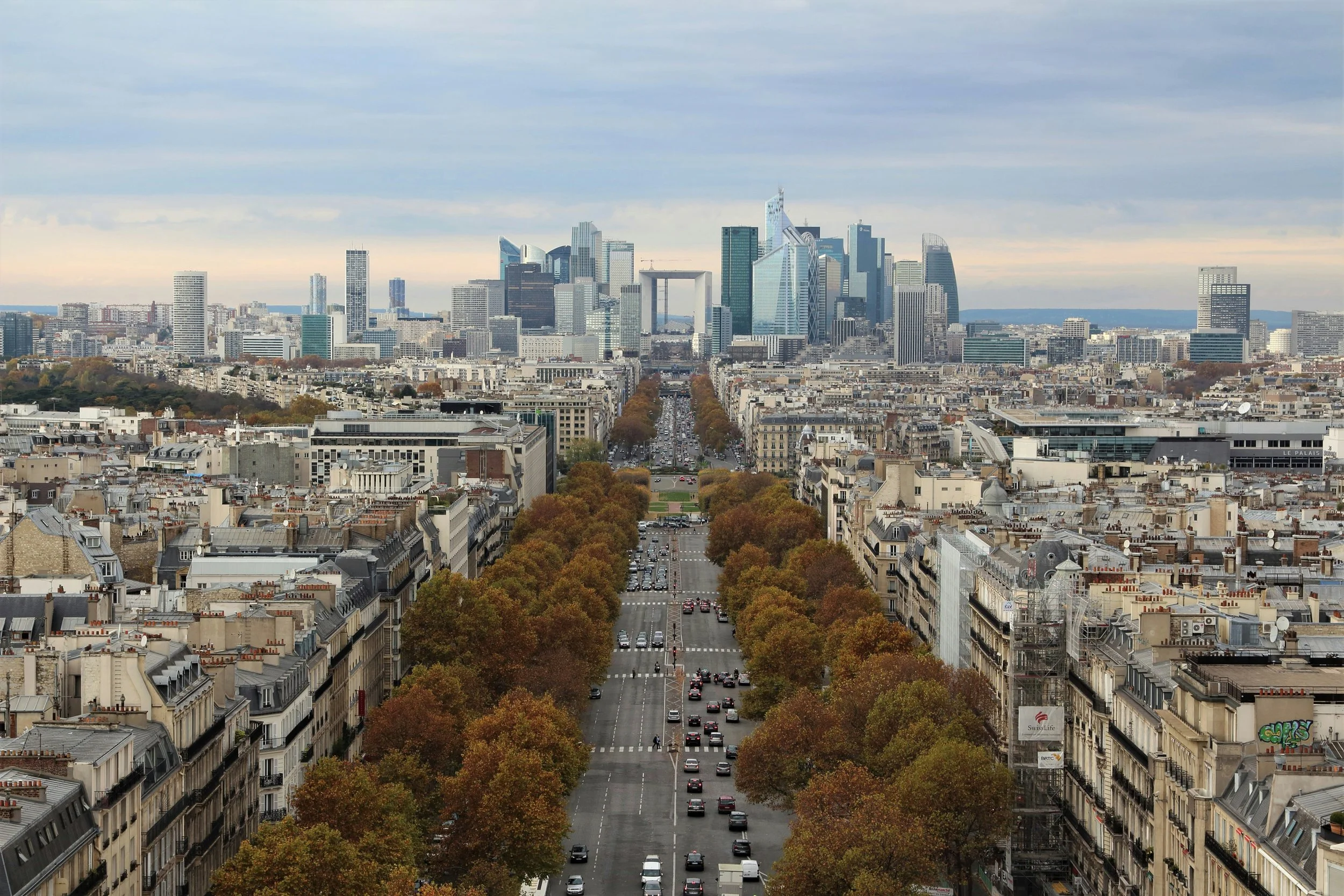
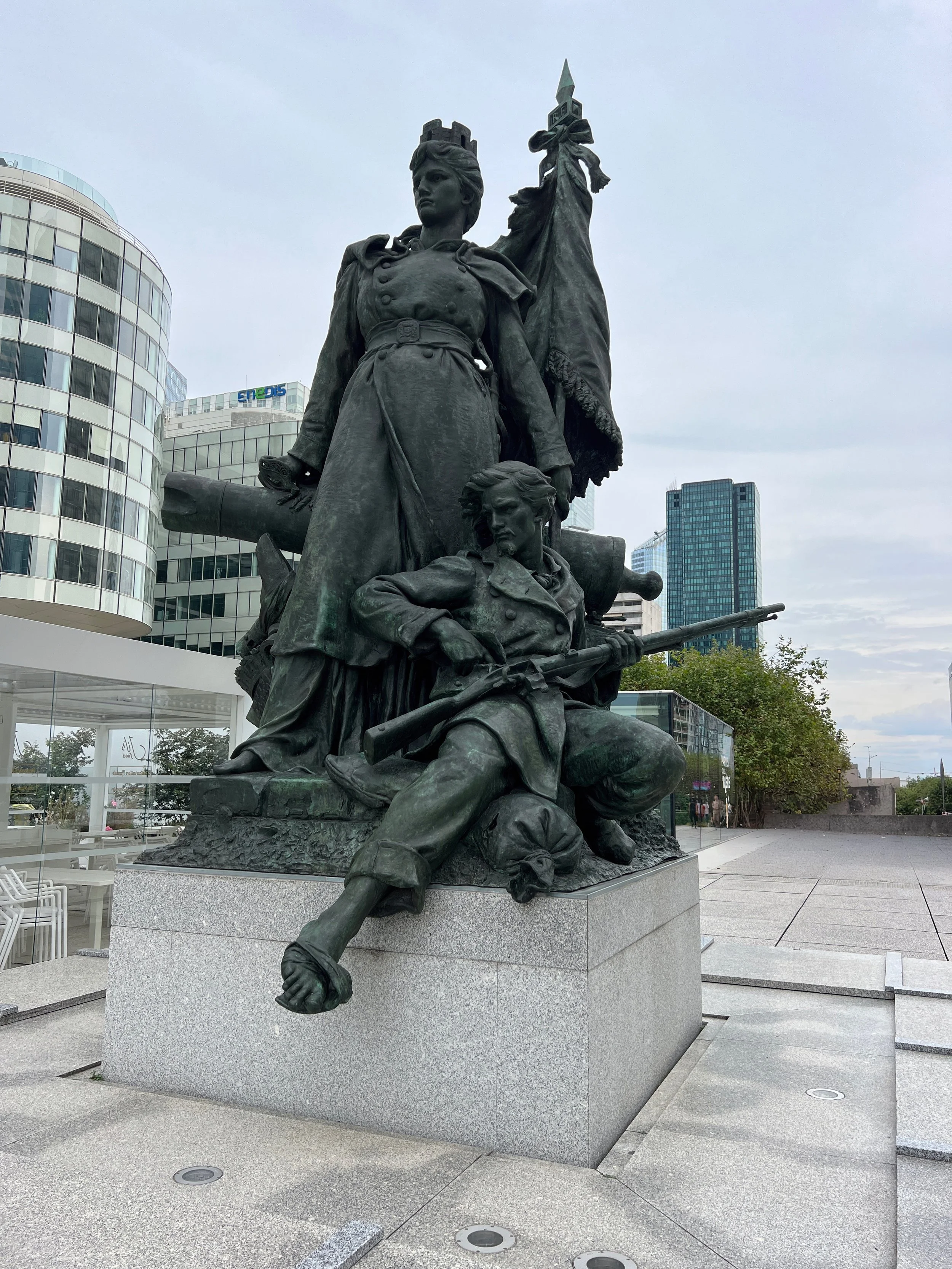
Here's a fun one to bring up over dinner: La Défense has nothing to do with defending a business deal or protecting your lunch reservation. The name comes from a statue, put up in 1871 to honor the soldiers who held this ground during the siege of Paris in the Franco-Prussian War. That statue is still there, standing quietly among the glass towers, and I love that detail. Long before anyone dreamed up skyscrapers, this stretch of land was just fields and a crossroads west of the city, and the one thing marking it as special was a monument to people who fought for Paris, not a monument to Paris itself.
For a long stretch after that, nothing much happened here. Small factories, plain houses, open land — the kind of place you'd pass through, not visit. What changed things was a fairly practical problem. By the 1950s, France wanted the modern office towers that cities like New York and Chicago were putting up, but central Paris simply had no room for them, and no interest in bending its own rules to make room.
So instead of squeezing skyscrapers into streets built for six-story buildings, planners picked this spot and started fresh. A government authority was set up in 1958 to build the whole district essentially from scratch, and within a decade, the first towers were going up. What started as an answer to a zoning headache slowly turned into one of the biggest business districts in Europe.
An Architecture That Argues With Itself
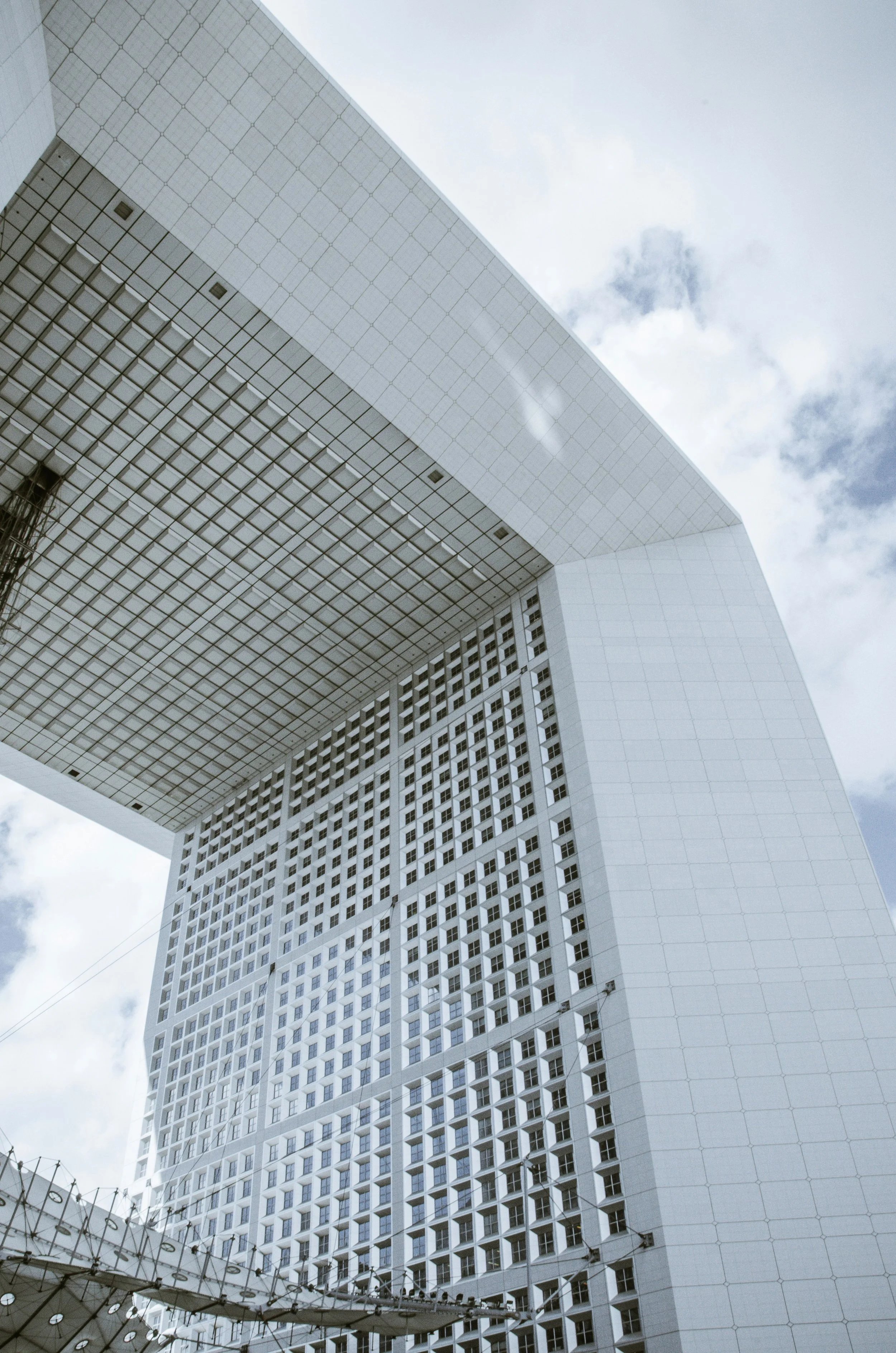
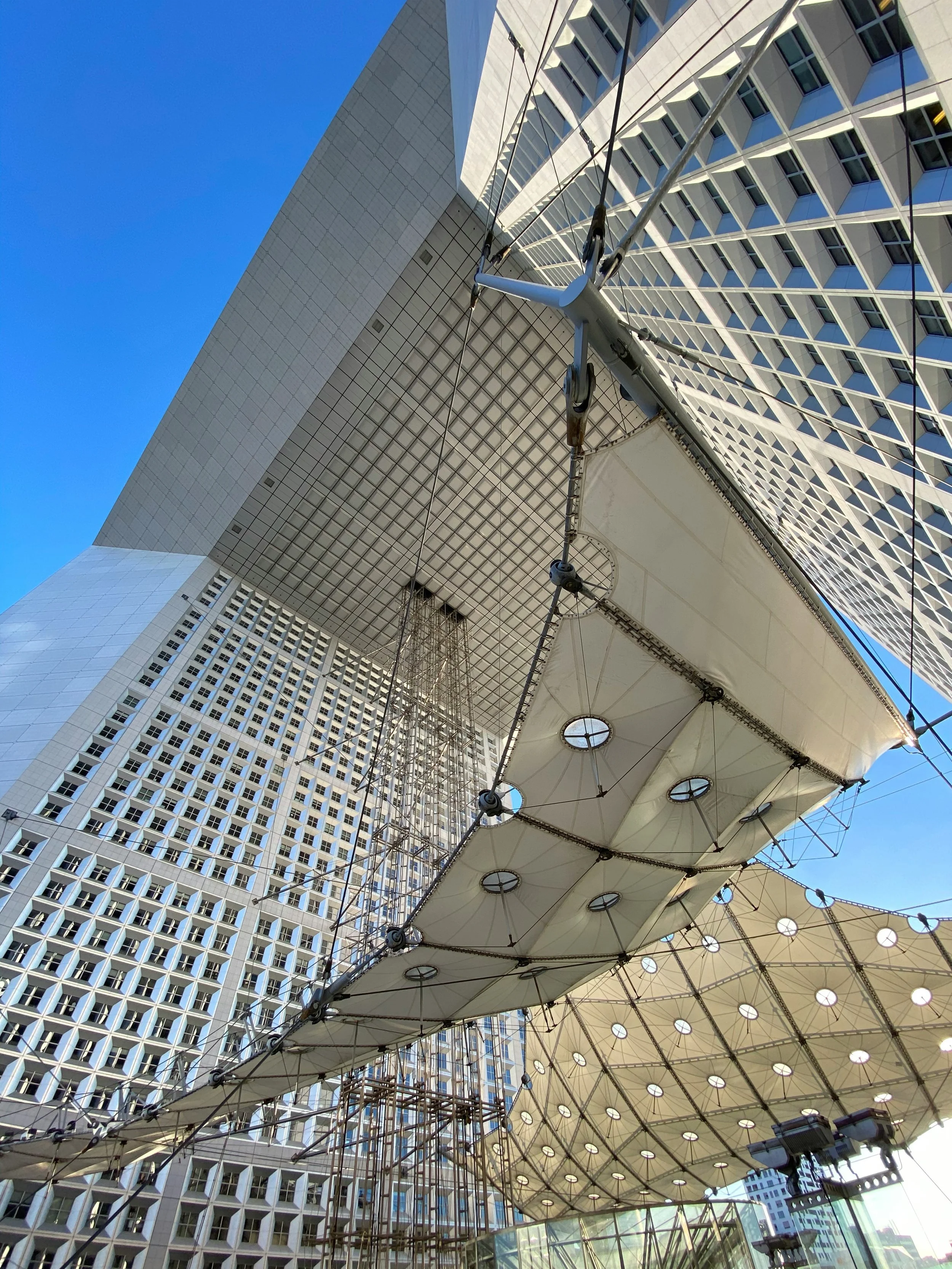
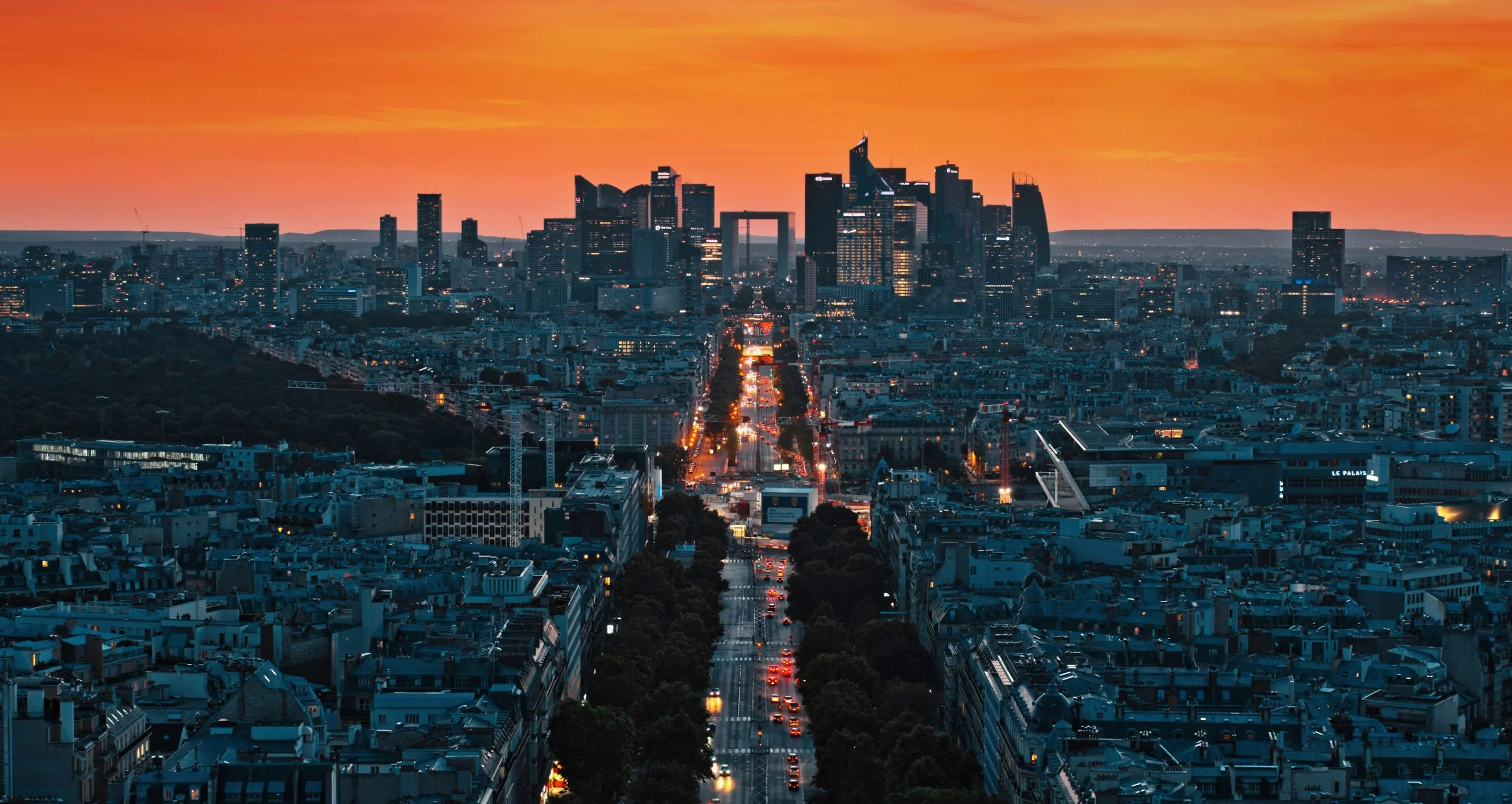
Honestly, no single building makes La Défense worth the trip. It's the way they all sit together, like guests at a party who showed up in completely different outfits and somehow ended up having a good time anyway. The Grande Arche is the one everyone points their camera at first — this enormous cube, finished in 1989, big enough that you could tuck Notre-Dame inside its opening with room to spare. And here's the part that always gets me: its architect, Johan Otto von Spreckelsen, lined it up on purpose with the Arc de Triomphe and the Louvre, so if you stand underneath, and look east, you're staring straight down a line that Parisians have been calling the Historical Axis for generations. A modern glass cube, quietly shaking hands with the rest of the city's history.
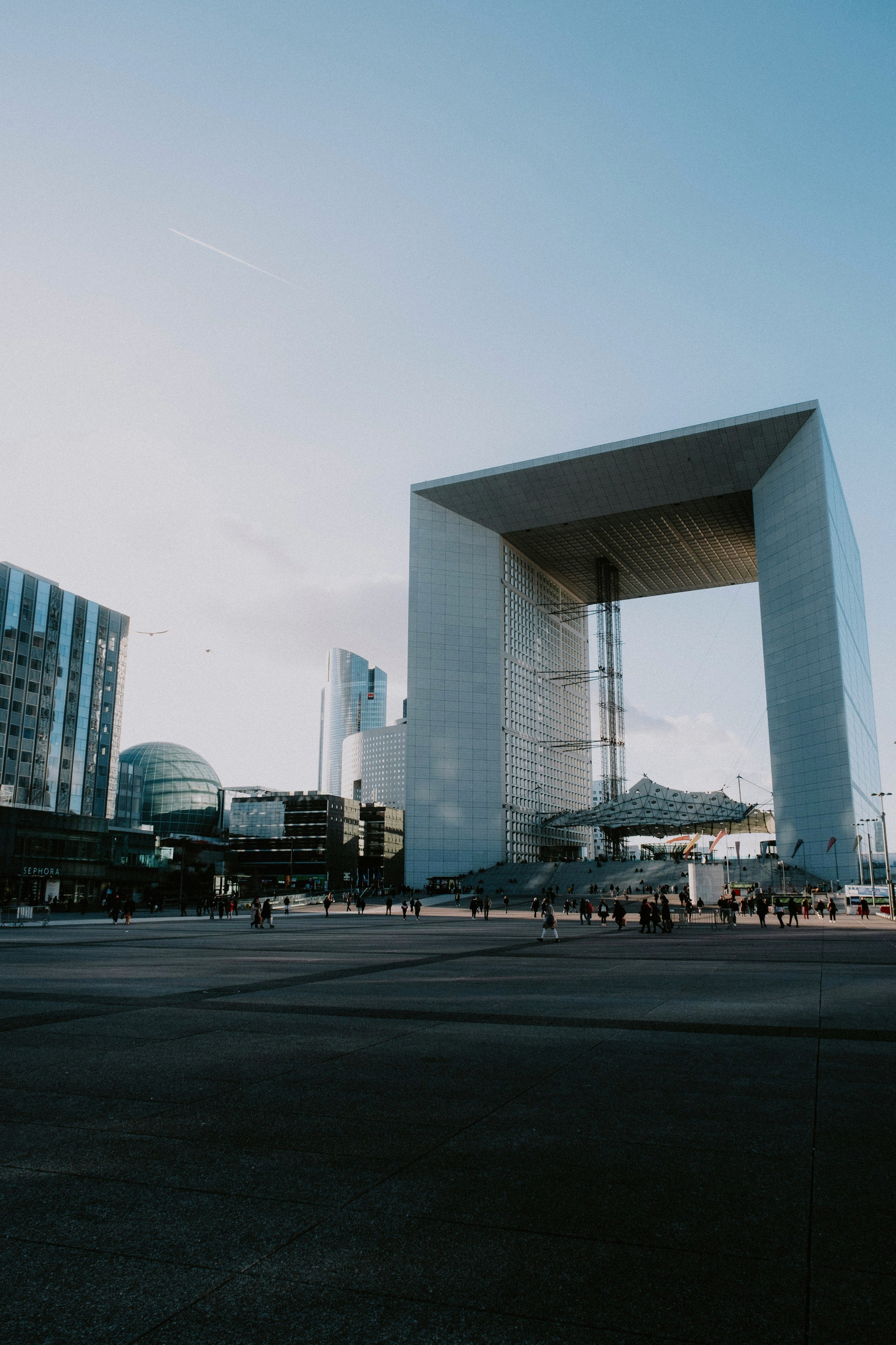
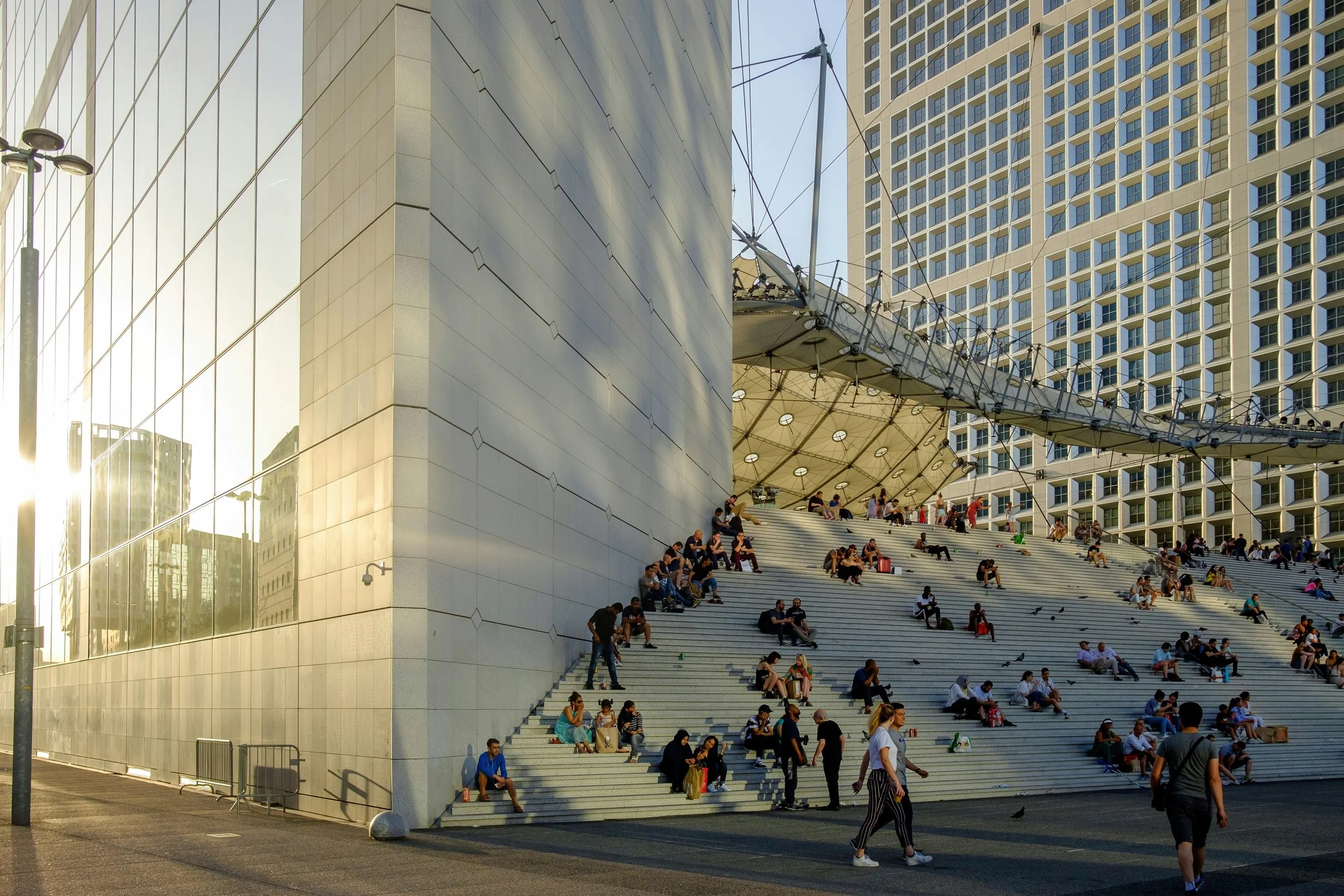
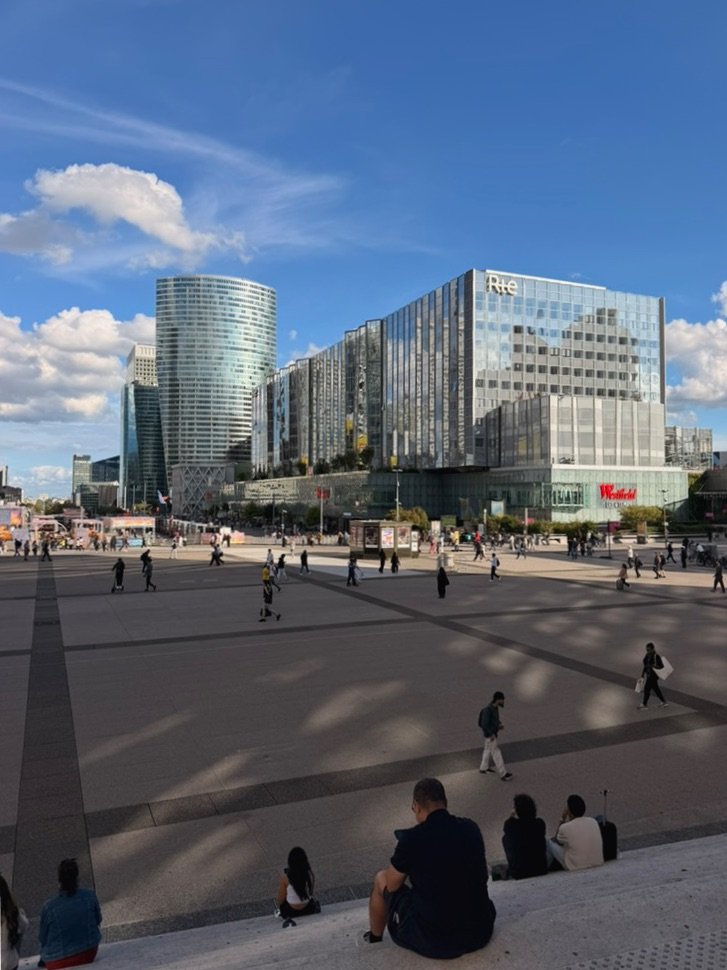
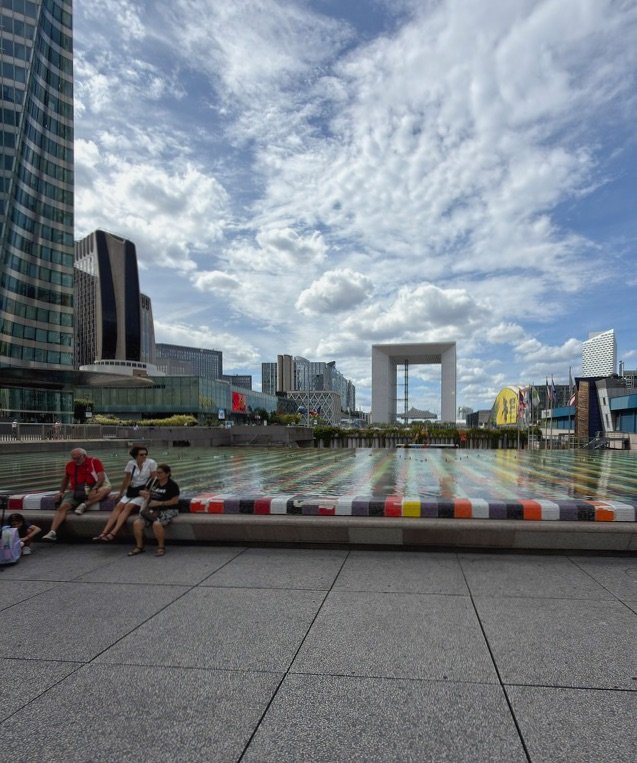
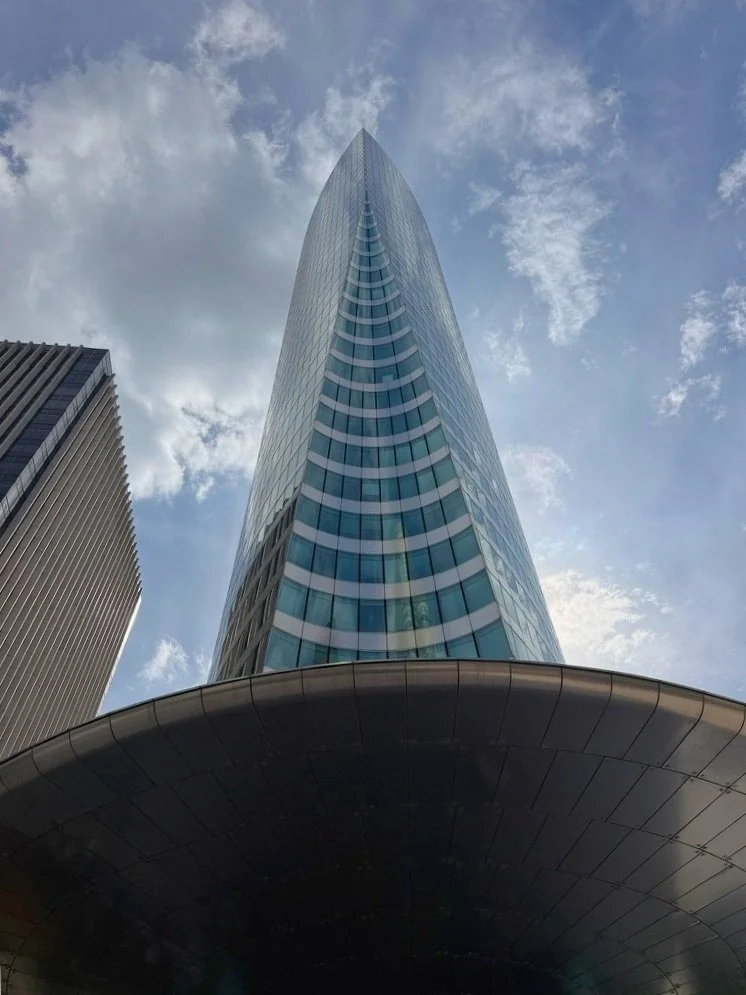
Walk past the Arche and the towers start telling on themselves a little. You can practically guess the decade each one was built just by looking at it. The older ones from the 1970s are boxy and stern, all dark glass and straight lines, like they're still dressed for an office meeting that ended fifty years ago. The newer ones curve and lean and catch the light differently, as if the architects finally relaxed. Tour First rises up nearby, one of the tallest in the country, and around it you'll spot towers with rounded edges or mirrored fronts that seem to be borrowing the sky for the afternoon. Wandering the plaza starts to feel like flipping through decades of design taste, except each page is a couple hundred meters tall and there's a coffee cart on the ground floor.
When I look at the La Défense area, I'm still amazed at how different it is from the rest of Paris — extremely modern, dominated by chrome and glass, with a scale to the plaza and surrounding buildings that catches me off guard every time I visit. If I couldn't see the Arc de Triomphe in the distance from the top of the plaza, I would find it hard to believe I was in Paris. I enjoy the pull between old and new, especially since the "old" of central Paris sits in such stark contrast to the "new" of La Défense — only a short metro or bike ride away.
How It Fits Into Parisian Life
I used to think of La Défense as somewhere Parisians commuted to (and through, since it's a major metro hub) and nowhere they wanted to linger. That impression didn't survive my first visit on a weekend.
Away from the Monday-through-Friday rush of briefcases and badge lanyards, the district turns into something closer to an open-air sculpture park. There are more than sixty works of public art scattered across the esplanade — sculptures by Joan Miró, Alexander Calder, César, and others, placed among the fountains and benches almost as an afterthought, the way a person might leave a favorite book out on a coffee table.
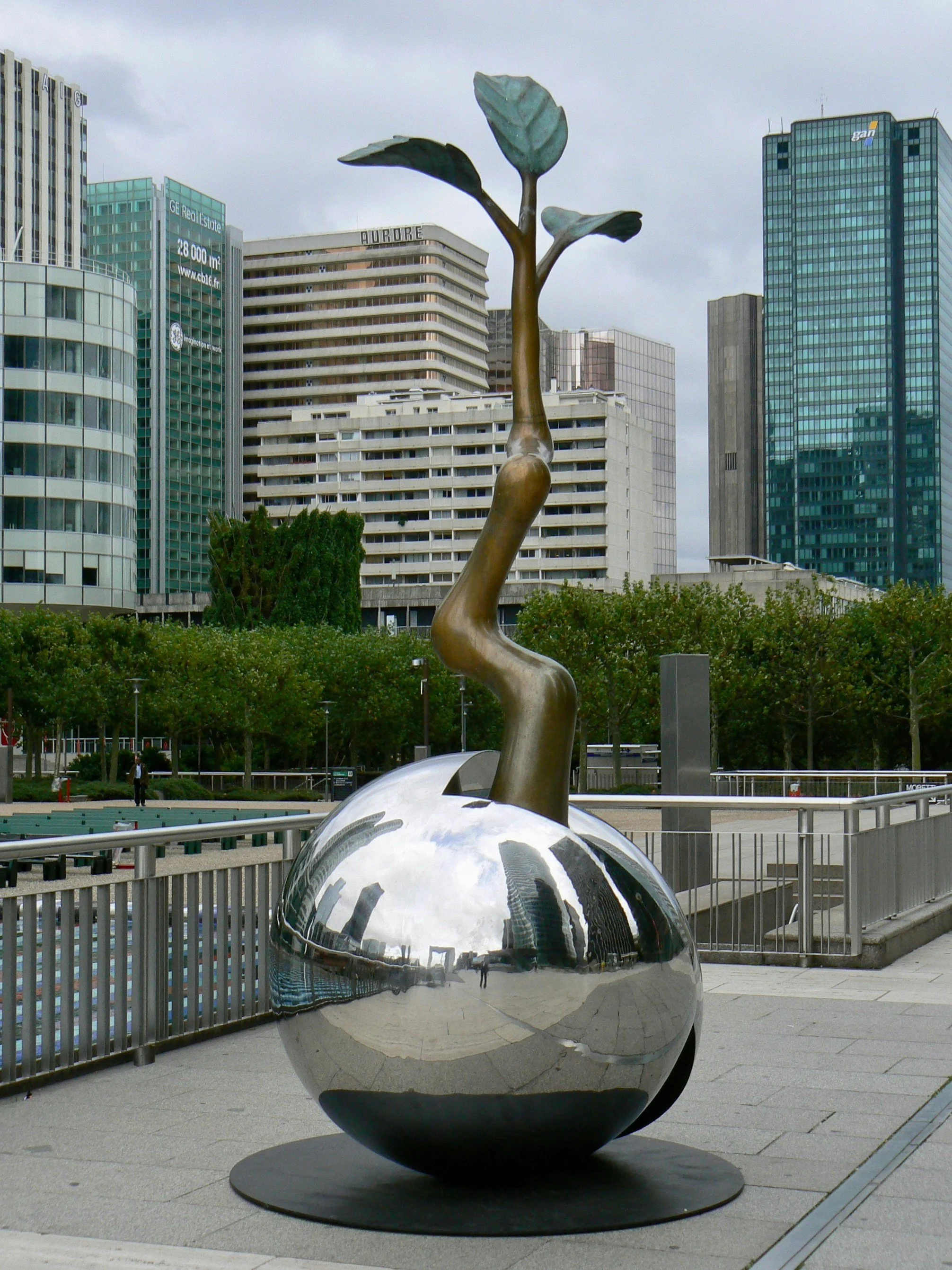
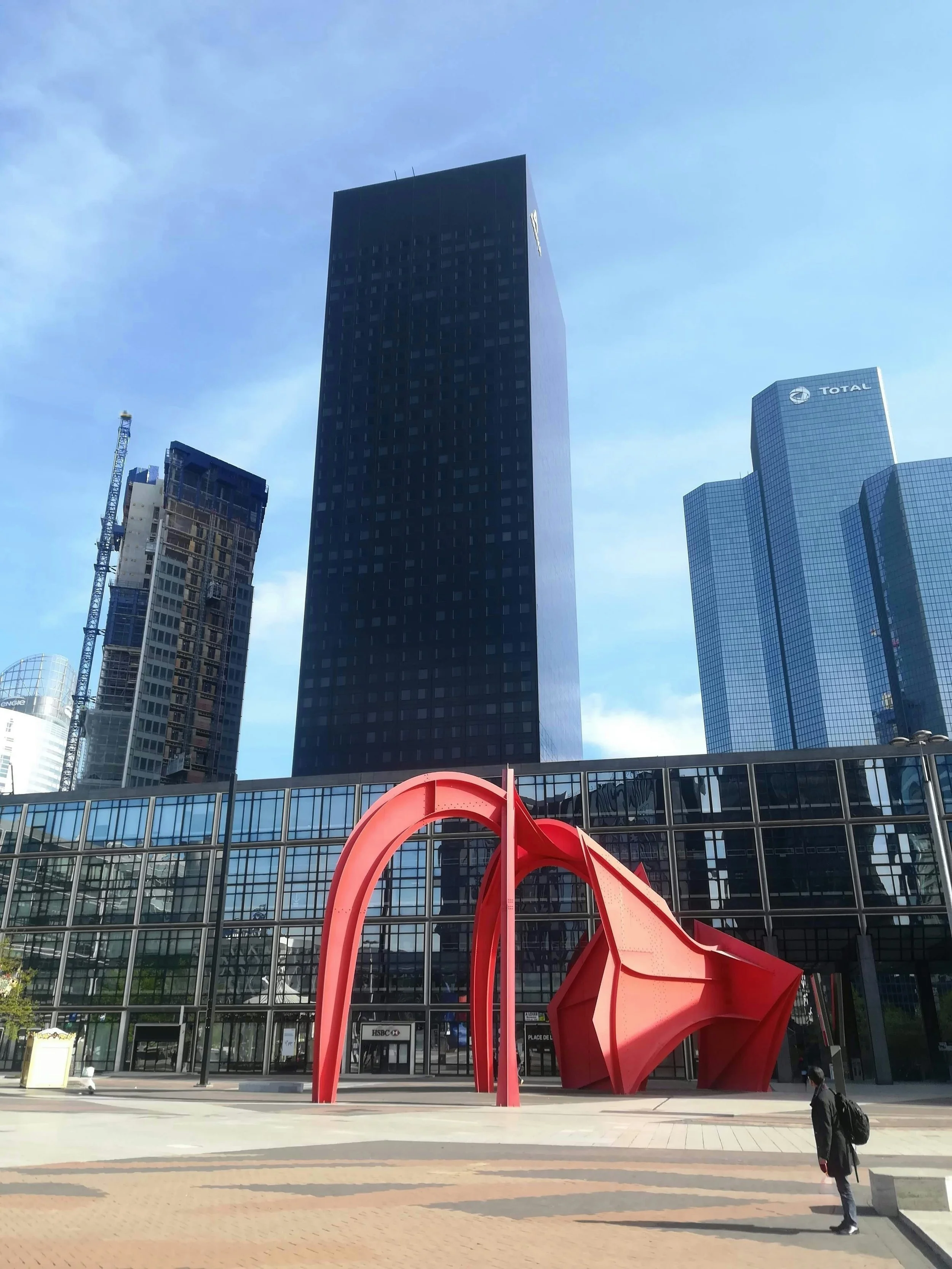
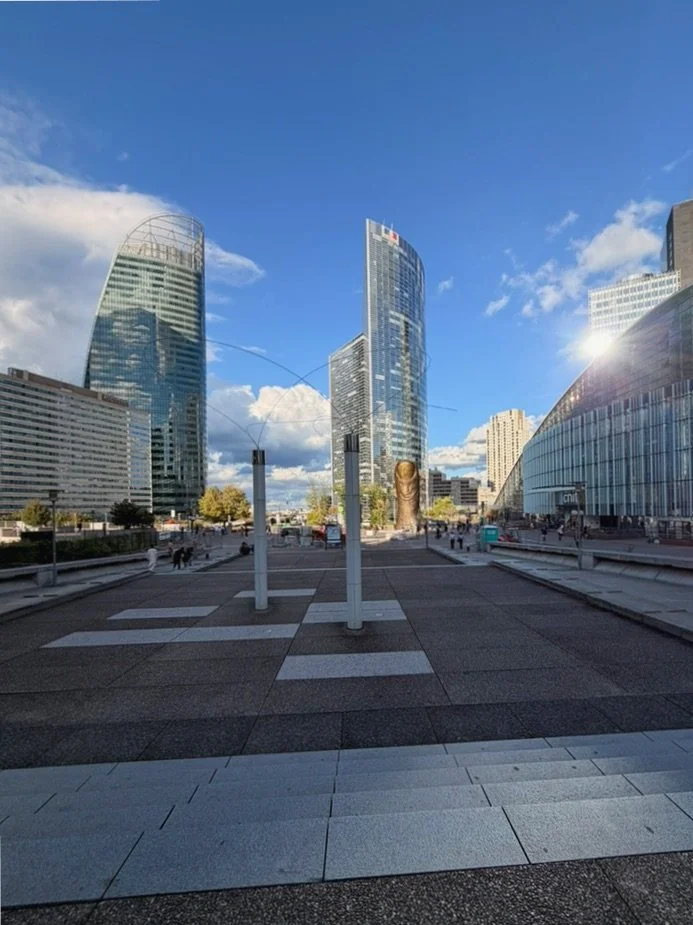
Families come for the fountains in summer, teenagers skateboard and bike along the wide plazas, and office workers who spend their weekdays in suits return on weekends in jeans, treating the same ground as an entirely different place. It's a district that Paris built for commerce, but that Parisians have claimed for leisure all the same. Even the most planned corner of the city, it turns out, eventually absorbs a little of the improvisational spirit found everywhere else in France.
The area is such a departure from central Paris, but I like that. Yes, it's big, sprawling, and modern, but all of that adds a buzz that feels good to be around. I like wandering the plaza, browsing the attached mall and shops, and sitting on the massive stairs that lead up to the Grande Arche. This, in my opinion, is where the quirkiness, size, and frantic pace come together into a charm all their own.
Seasons Bring Their Own Character
La Défense changes costume with the calendar. In December, the esplanade hosts one of the region's largest Christmas markets, with wooden chalets selling mulled wine, roasted chestnuts, and handmade gifts stretching out beneath the towers — a scene that feels almost deliberately mismatched, glass skyscrapers standing guard over a market that could belong in any medieval town square. In the warmer months, outdoor concerts, food festivals, and art installations fill the same plazas that host lunchtime crowds during the week.
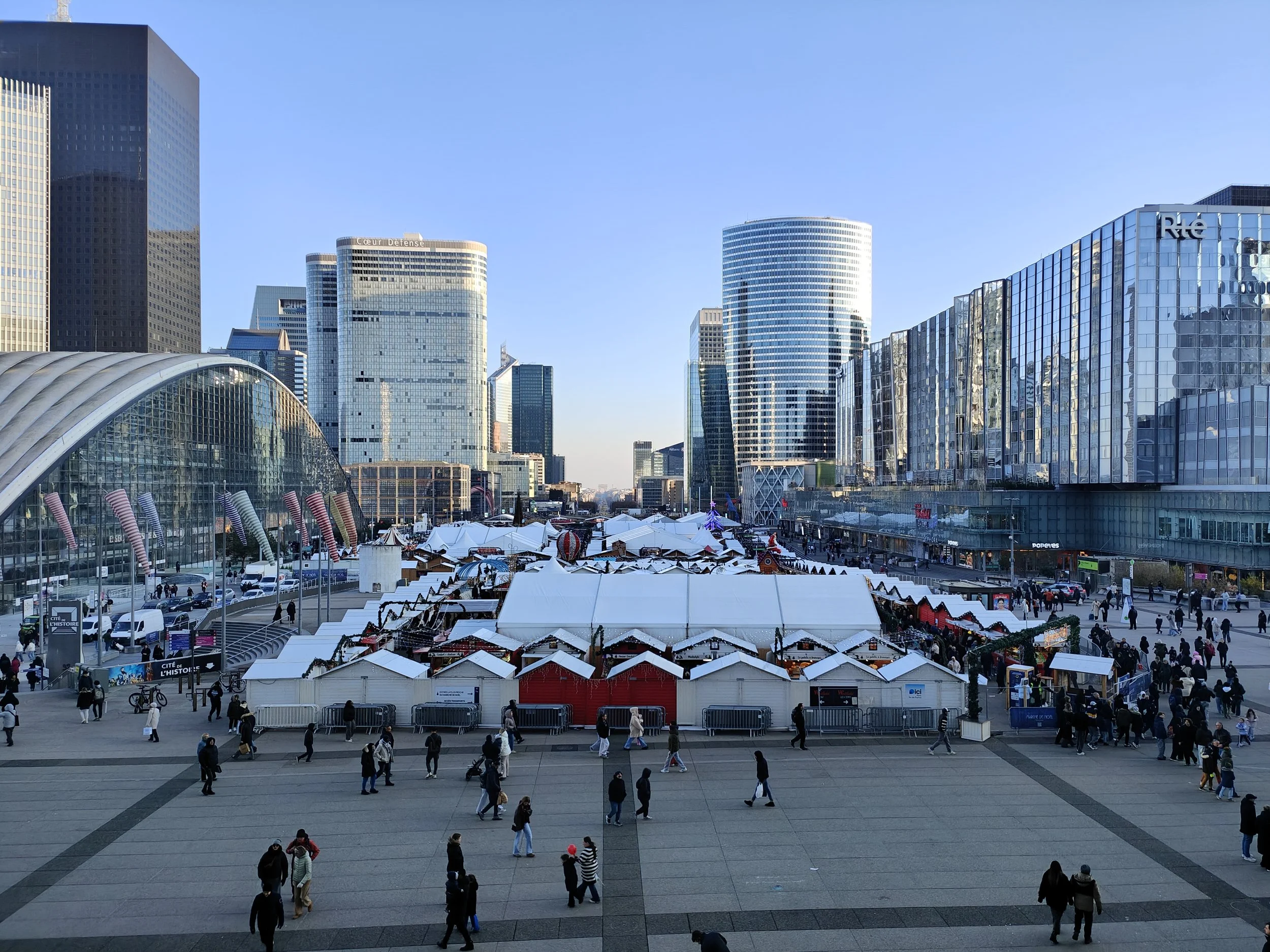
One of the more surprising traditions is the Automnales, an autumn arts festival that brings temporary sculpture and installation work into the public spaces, turning the whole district into a rotating gallery for a few weeks each year. There's also a summer beach event some years, complete with sand trucked in and deck chairs set up against a backdrop that has nothing to do with the seaside and everything to do with Parisian humor.
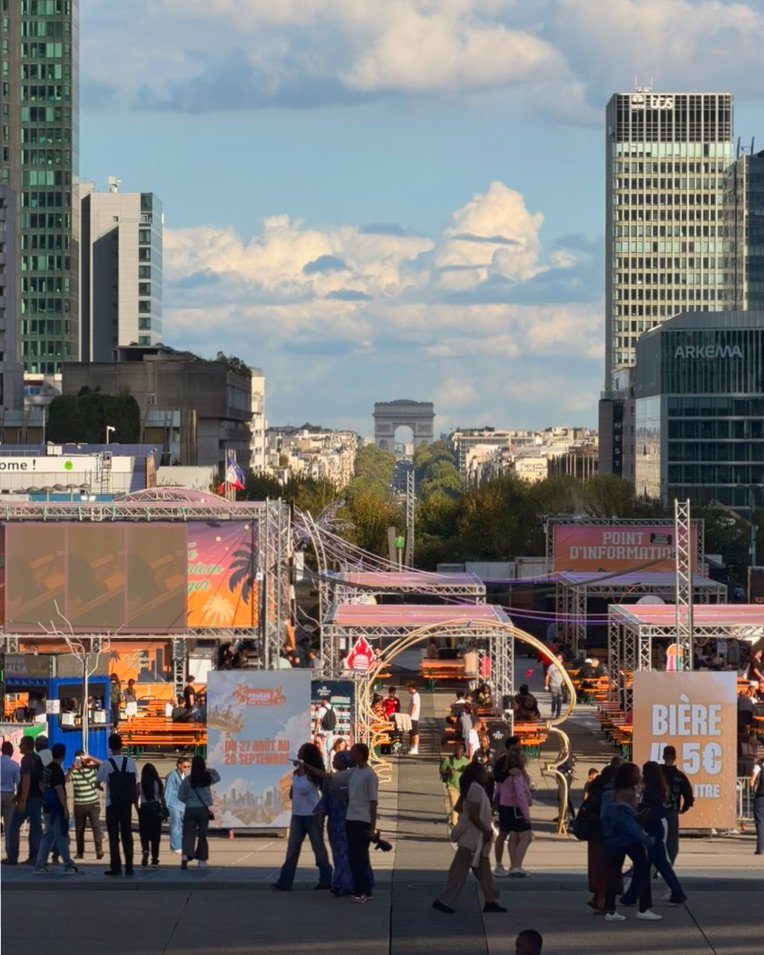
Seasonal events are great here, but I also have a soft spot for the off-beat ones. Recently I went to the Champions Burger event, a touring burger competition with about twenty vendors set up in the main plaza. The food was incredible, and the whole thing was a blast — so many burgers, so little belly. It's events like these that I appreciate most. They keep the area feeling relevant and fun, not just a place people pass through on their commute.
A Different Kind of View
For anyone who wants the postcard moment without the postcard crowd, the observation deck at the top of the Grande Arche offers one of the more underrated views in the city. From up there, Paris stretches out in its full layered history — the old rooftops, the distant Eiffel Tower, the geometric order of Haussmann's boulevards — all visible from a building that represents everything those boulevards were not designed to hold.
La Défense will never replace the Paris most people come looking for, and it isn't trying to. It exists as a kind of pressure valve, a place where the city could grow upward and outward without disturbing the streets that took centuries to settle into their current shape. Standing at its center, surrounded by glass and steel and the occasional Calder sculpture, you get the sense that Paris didn't abandon its old self by building this district. It simply gave its future somewhere else to stand.
For planning a visit to La Défense, Paris, the official La Défense website keeps an up-to-date calendar of markets, exhibitions, and events happening across the district throughout the year, and Paris Convention and Visitors Bureau has practical details on getting there by RER or metro if you're coming from the city center. Whichever season you catch it in, give La Défense an afternoon of your trip. It asks for nothing more than that, and it tends to give back more than expected.
