
August in France: The Month the Country Exhales
France, especially the big cities, is big and bold. Then, there's August — when the shutters roll down, the boulangeries go dark, and an entire country quietly disappears to the coast.
France, especially the big cities, is big and bold. Then, there's August — when the shutters roll down, the boulangeries go dark, and an entire country quietly disappears to the coast.
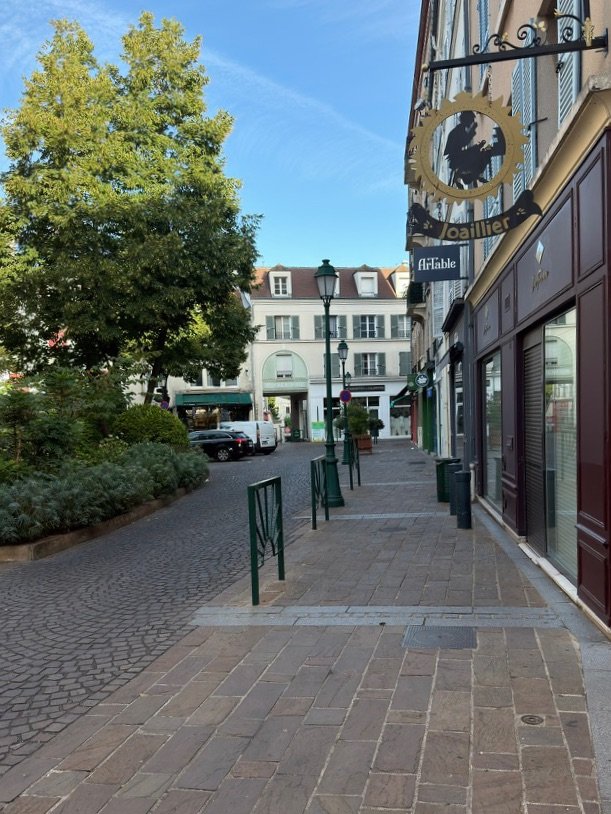
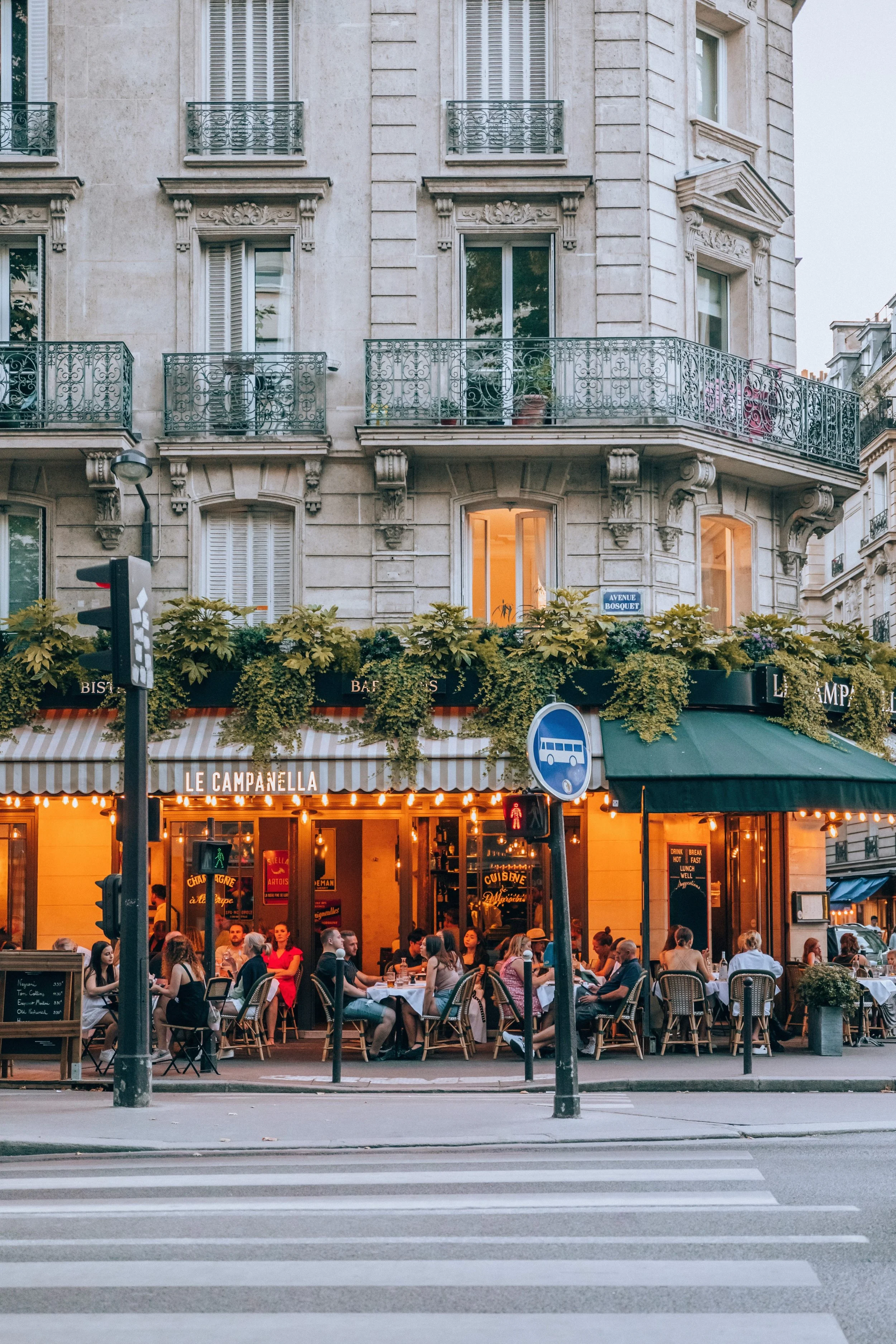
France, especially the big cities, is big and bold. You can imagine the feeling — café terraces filling up by 8am, espresso machines hissing, a delivery van somehow wedged into a street that was clearly built for something the size of a donkey cart. Paris, and a good part of France, always seems to be walking a little faster than it needs to. Lyon hums along its two rivers. Marseille just shouts a bit louder than everyone else, honestly, because it can.
Then, there is August.
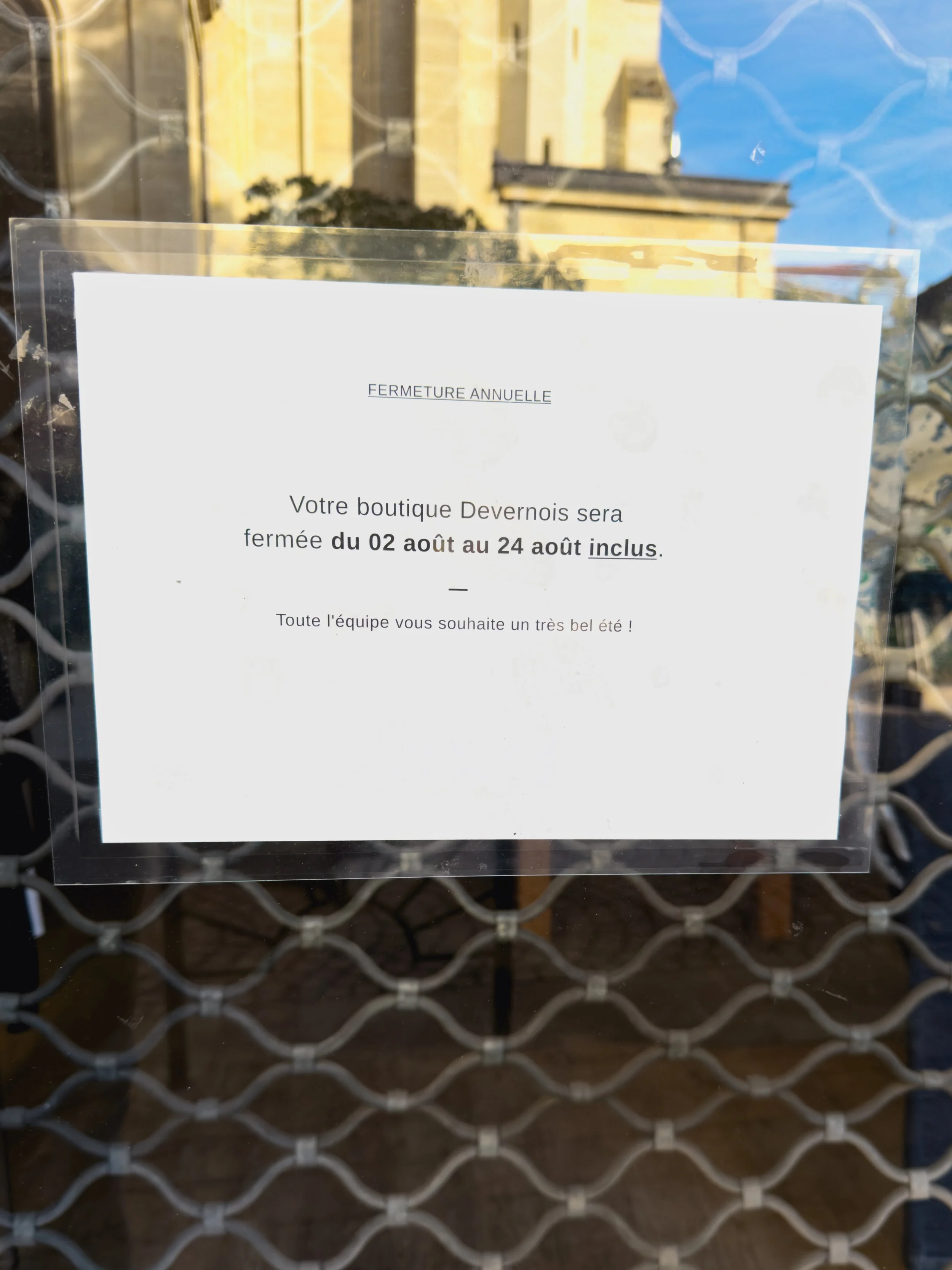
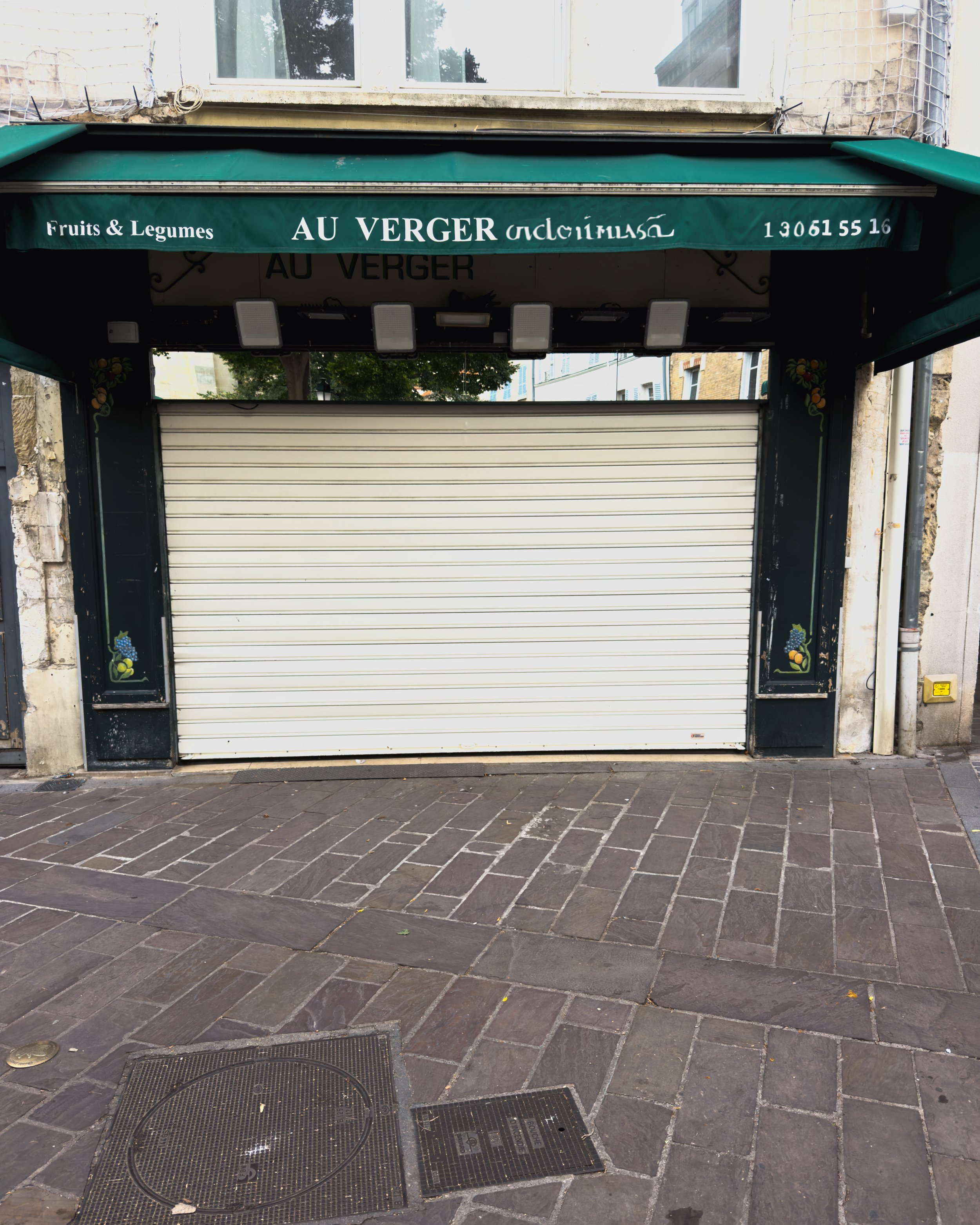
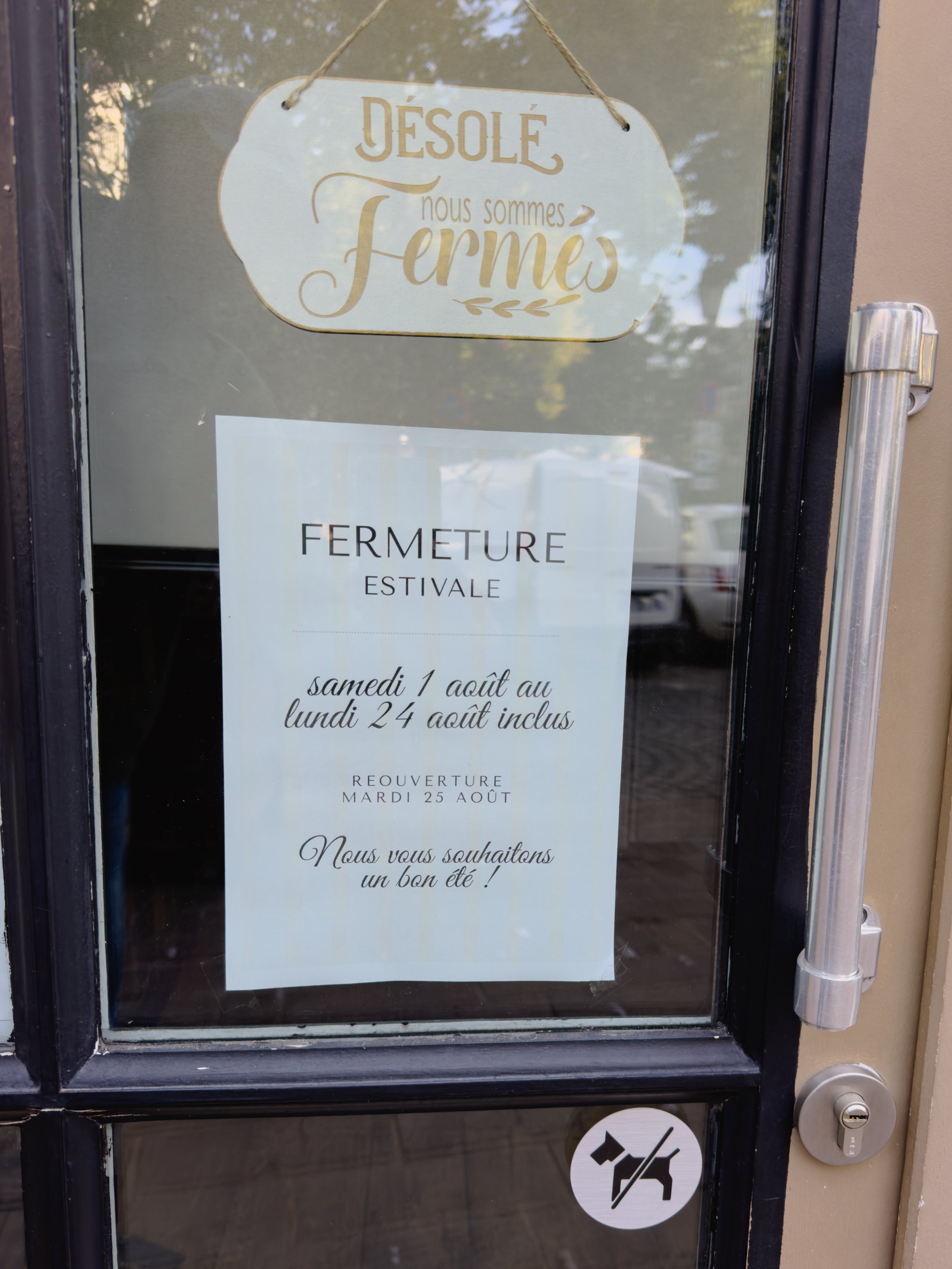
August is the month in France that does the same thing every single year, at pretty much the same time as you’d expect and somehow it still catches you off guard. Sometime around the last week of July, with no announcement, no fanfare, no single moment you could point to and say, "there, that's when it happened," someone reaches over and turns the volume down. Shutters roll shut. Little handwritten notes start showing up taped to the inside of glass doors and windows — fermeture annuelle, they say. Annual closure. Sometimes there's a date scrawled underneath for when they'll be back. Sometimes there isn't. The boulangerie on the corner goes dark. So does the dry cleaner, the physiotherapist, that little bookshop that's been there since before you can remember. It's not a strike, and it's not a holiday in the flag-waving sense. It's something quieter and a little stranger than that — an entire country, more or less all together, just... leaving.
Where This Habit Actually Comes From
I used to assume the French had always done this — packed up and vanished every summer, like it was written into the water. But it isn't nearly that old, and honestly, the real story is more interesting. For most working people in France, taking real time off just wasn't something that happened until fairly recently in the scheme of things. That changed on June 20, 1936, when the government led by Léon Blum passed a law guaranteeing every salaried worker two weeks of paid vacation a year. It came right on the heels of the Matignon Accords, signed just days earlier after a wave of strikes swept the country and workers occupied factory floors demanding, among other things, simply the right to rest. Before that summer, only around 600,000 French workers had ever gone away on a proper seaside or countryside vacation. The very next year, that number jumped to 1.7 million. Imagine that — a whole country discovering, almost at once, what it felt like to have somewhere to be that wasn't work.
From there, that first tiny slice of vacation just kept growing — three weeks, then four, and eventually the five weeks most salaried workers in France are entitled to today. And somewhere along the way, August became the month for it. Not because any law said so, but because once people realized everyone else was disappearing too, staying behind started to feel a little silly, and honestly a little lonely. Why keep the shop open if your regulars aren't even in town to walk through the door?
What August Actually Means to People Here
Ask someone in France about August and you won't get a shrug. You'll get something closer to reverence, like you've asked them about a person they love. Vacation isn't treated as some little perk squeezed in around real life — it's treated as part of what a good year is made of, as ordinary and necessary as sleep. There's even a phrase for how sacred it is: les grandes vacances, the great vacation, the one you build your whole year around rather than fitting in around everything else.
And there's a small, very French bit of vocabulary I love for this — juilletistes and aoûtiens, the July people and the August people. It's such a normal, built-in split in how people live here that it earned its own words, the way some places have specific names for kinds of snow.
I am that person that always seems to forget. This idea of a quiet August slips my mind every single year. This is especially true when I step out onto the street on August 1st, make a beeline to my favorite boulangerie, only to find the shades drawn and the note in the window. I’m happy that everyone is getting time off, but so sad that I will be without my favorite Rouleau a la Cannelle (cinnamon roll) for the next three weeks (sad face). Yes, I’m sure that the ladies told me that they’d be away, but I was probably in denial. After all, three weeks is a long time.
The Cities Left Behind
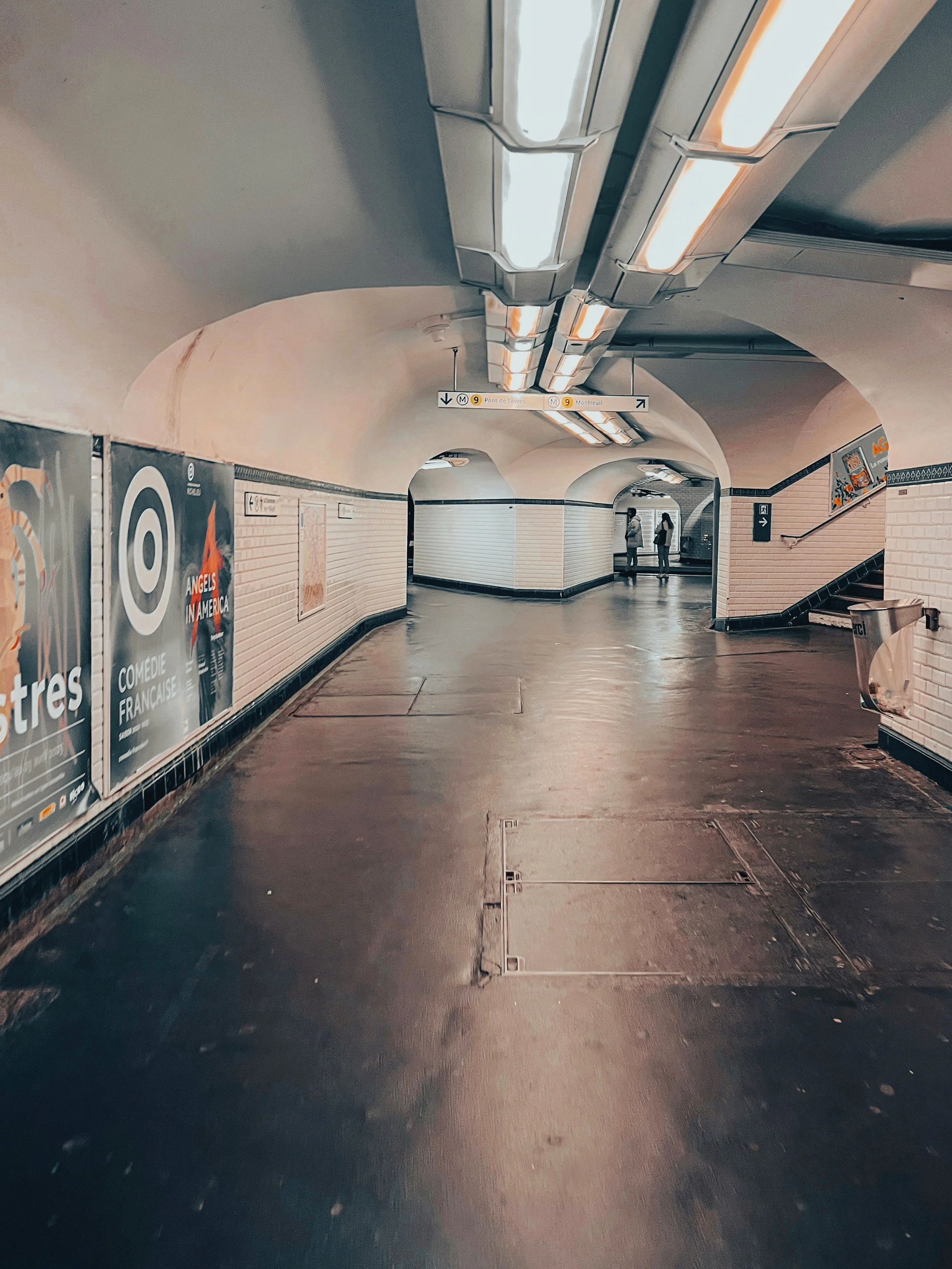
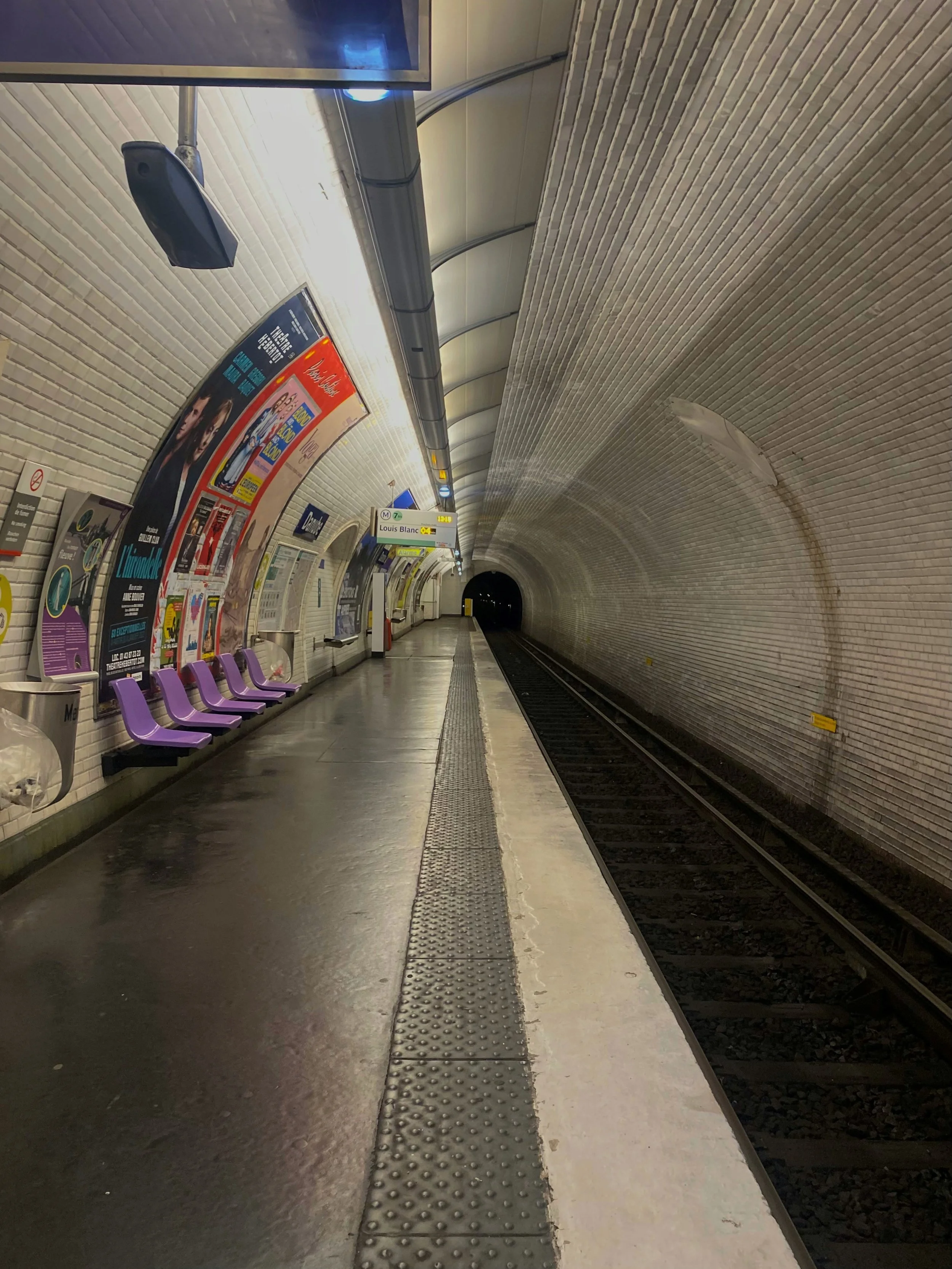
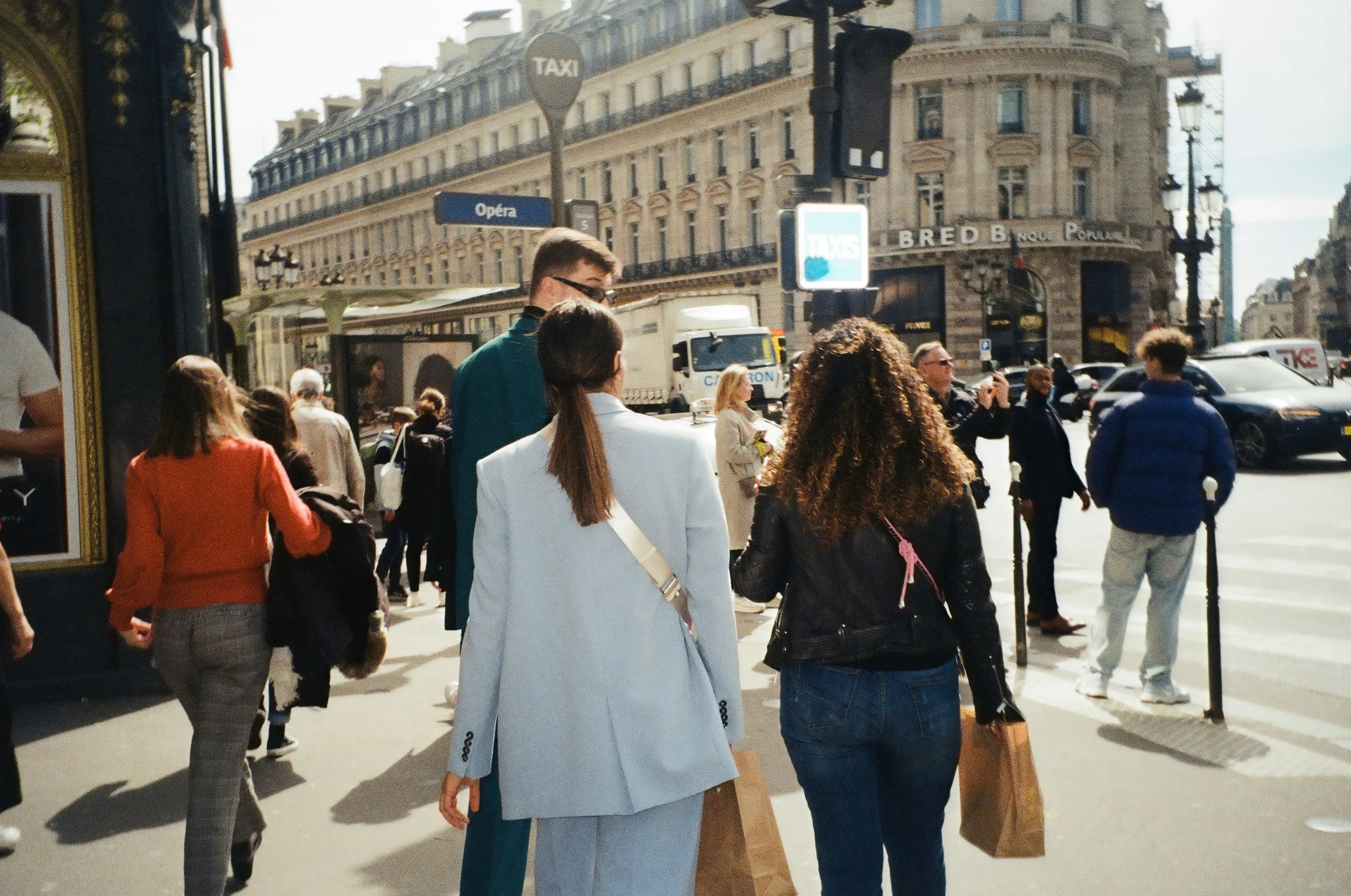
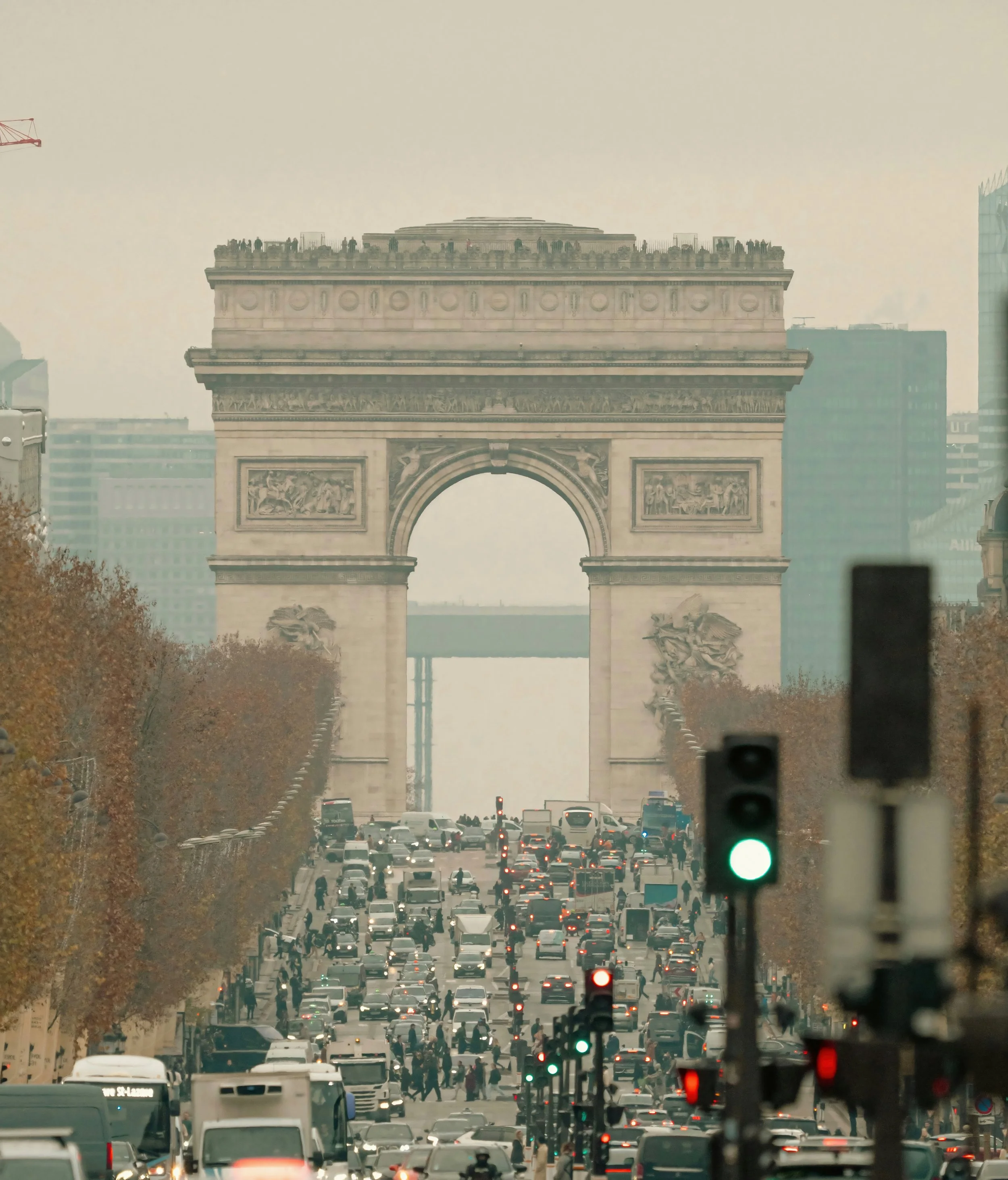
This is the part that always gets me, honestly — what happens to the cities once everyone's gone. It's mostly Parisians, along with people from Lyon, Lille, and the other big urban centers, who head for the coasts: Brittany, Normandy, the Basque country, and above all the Côte d'Azur, where a sleepy little town in June can turn into something several times its size by mid-August. But what's left behind in the cities is this strange, hollowed-out version of the place you thought you knew. Traffic that normally chokes the boulevards just... isn't there. The Métro rolls through at what should be rush hour with half its seats empty. You can hear your own footsteps on streets that are usually a wall of noise.
Restaurants you'd normally need to book three weeks ahead will suddenly have a table for you on a random Tuesday at 8pm — if they're even open. Some of the neighborhood spots people love, the ones that aren't just there for tourists, will pull the shutters down for two, three, sometimes four weeks straight. It's not only that the owners want a break, though of course they do. It's that half their staff is legally entitled to be gone at exactly the same time everyone else wants to go too, so there's often nobody left to run the place even if they wanted to stay open.
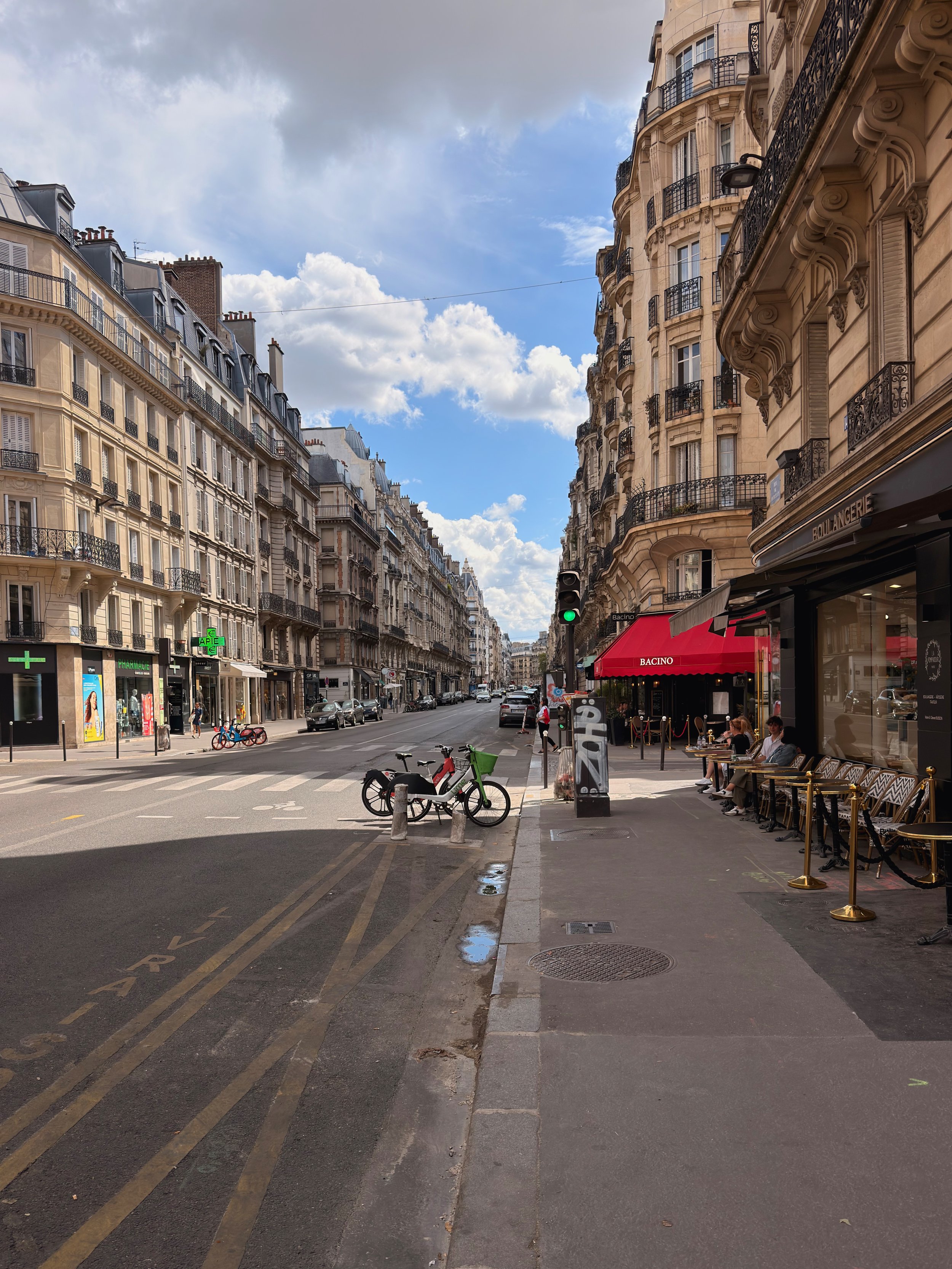
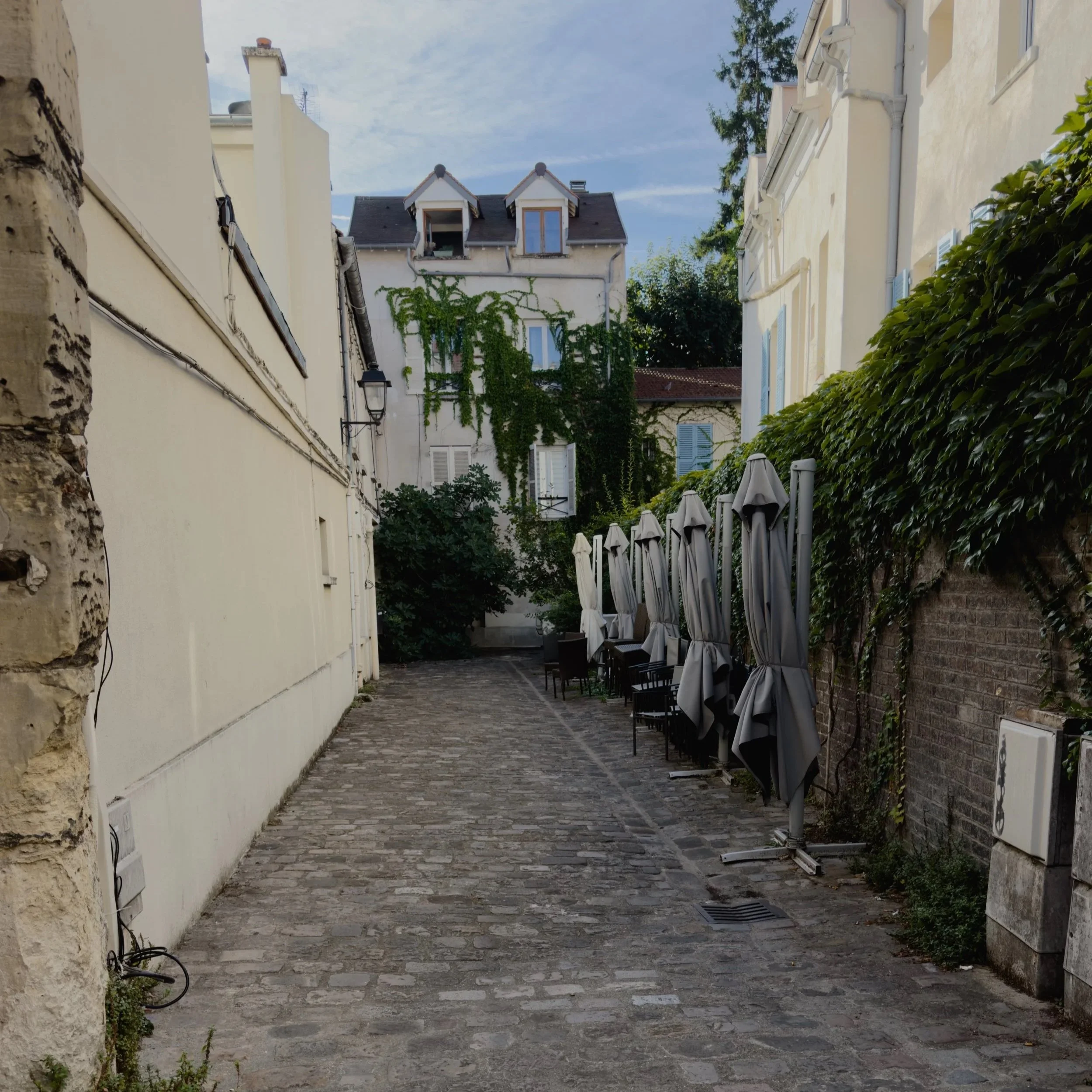
The stores and shops closing are one part of it. In my village, part of the place going silent is not seeing the faces that you’re used to seeing and not hearing sounds that I’m used to hearing. No throngs of children, bikes clattering down the street or neighbors and folks that you normally wave to. Just quiet and unoccupied space.
Everyday Life, Rearranged
If you live in a French city and stick around for August — and plenty of people do, whether by choice or because their turn comes in a different month — you learn pretty fast that certain things just have to wait. Trying to get a dentist appointment, or see your accountant, or get your car looked at in late August can feel a bit like shouting into an empty room. Government offices run on a skeleton crew. Even hospitals and pharmacies work out a careful rotation so the whole neighborhood isn't left without care at once, though it can still feel that way when you're the one wandering around on a Sunday looking for a green cross that's actually lit up.
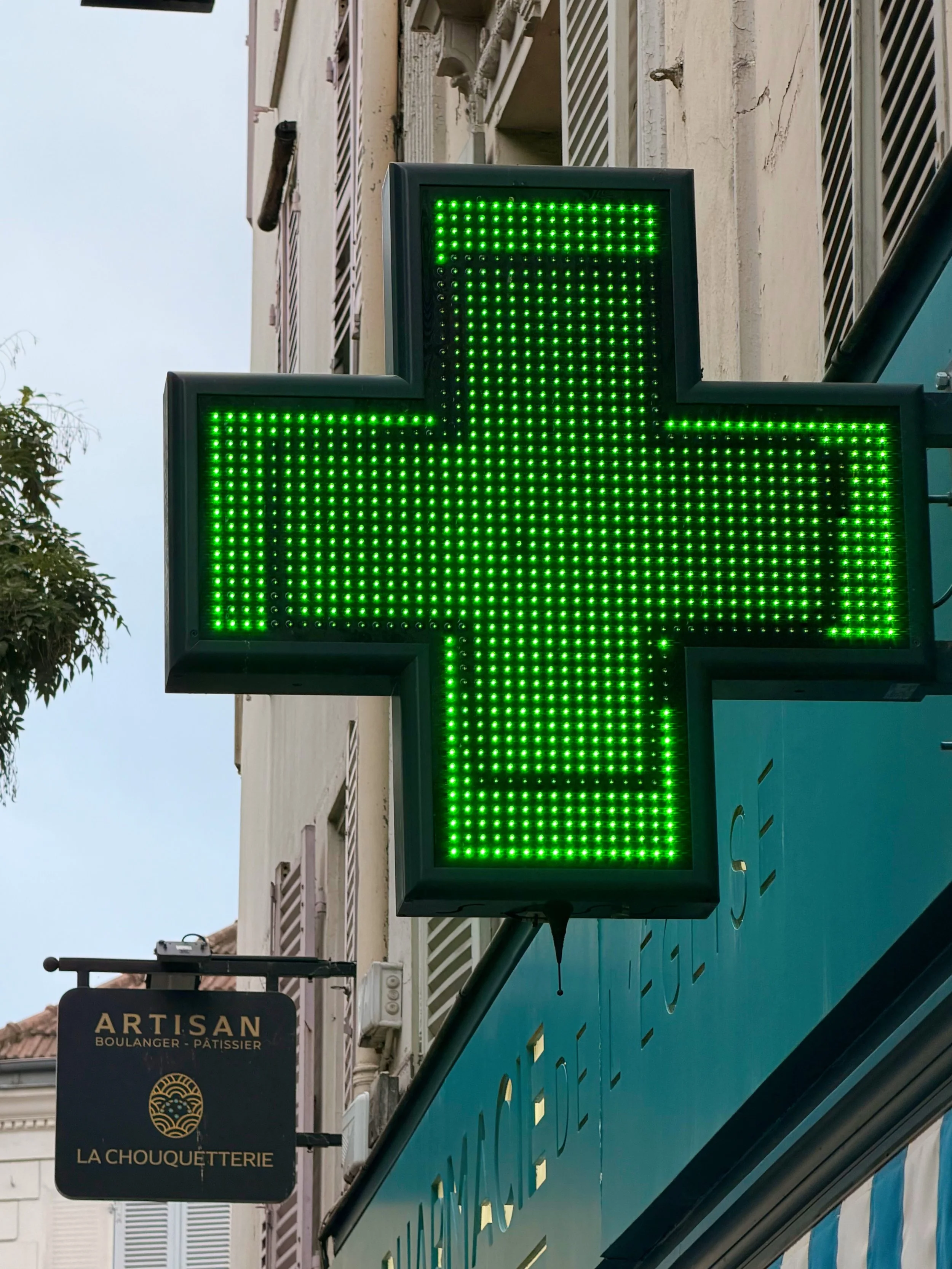
And yet, none of this really registers as an inconvenience to the people living it, not the way it might to a visitor seeing it for the first time. There's this quiet, unspoken deal at play: sure, your dry cleaning might have to wait until September, but when your own turn comes to disappear to the coast for a month, nobody's going to hold it against you either. It's less a system of closures, honestly, and more a system of everyone giving everyone else permission.
For me August is a weird experience, particularly after living through the hectic pace of Mid-May through July. However, the slowdown in activity really gives me time to settle down and recalibrate. I love to take advantage of the open town square, the peace and quiet of the early mornings and having the chance to roam the streets here and in Paris with a bit more ease. Though a lot of things are closed, it is still intoxicating to have such a level of serenity. Although I know that it is for a short time, I try to take full advantage.
Meanwhile, Somewhere on the Coast
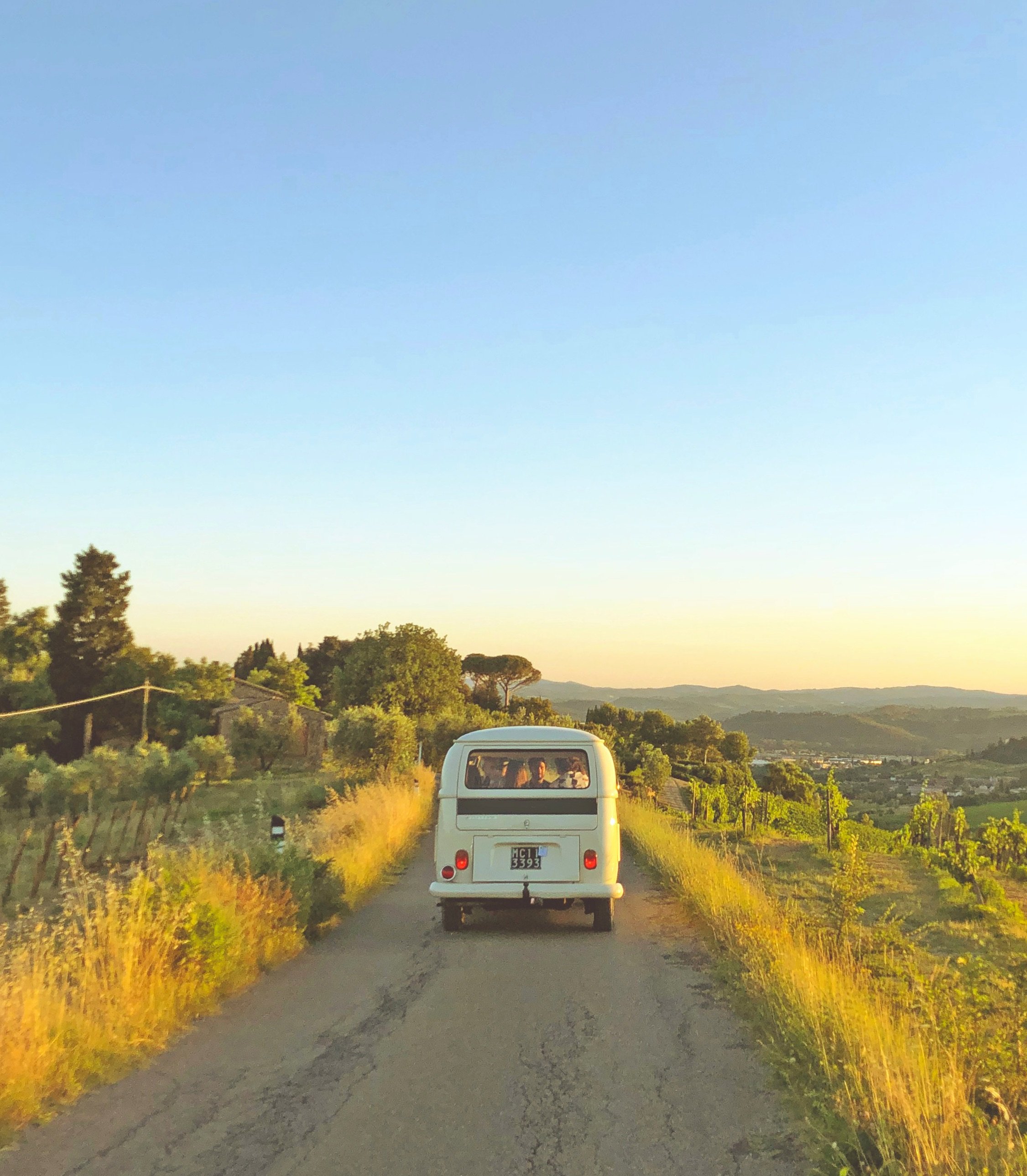
While the cities go quiet, somewhere else gets a whole lot louder. Beach towns along the Atlantic and the Mediterranean swell overnight into their fullest, sunniest selves. A market square that sees a modest little crowd in April is shoulder to shoulder by the second week of August. Restaurants that were half-asleep in June suddenly have a line out the door. It's not really that France goes quiet in August — it's more that all the noise just moves. From the boulevards to the beach towns. From office buildings to campsites. From empty Métro platforms to train station departure boards packed with families and an amount of luggage that really shouldn't be possible.
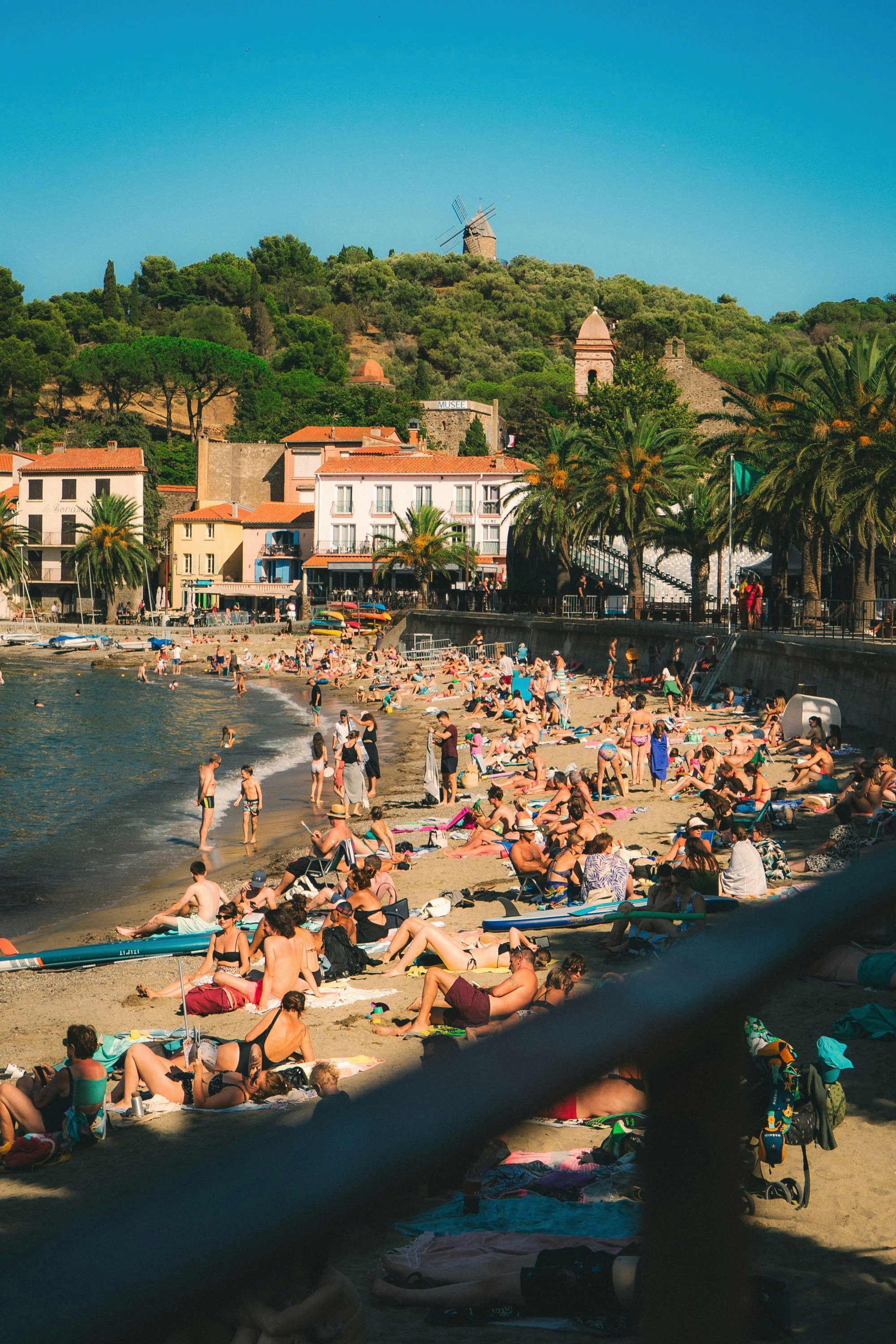
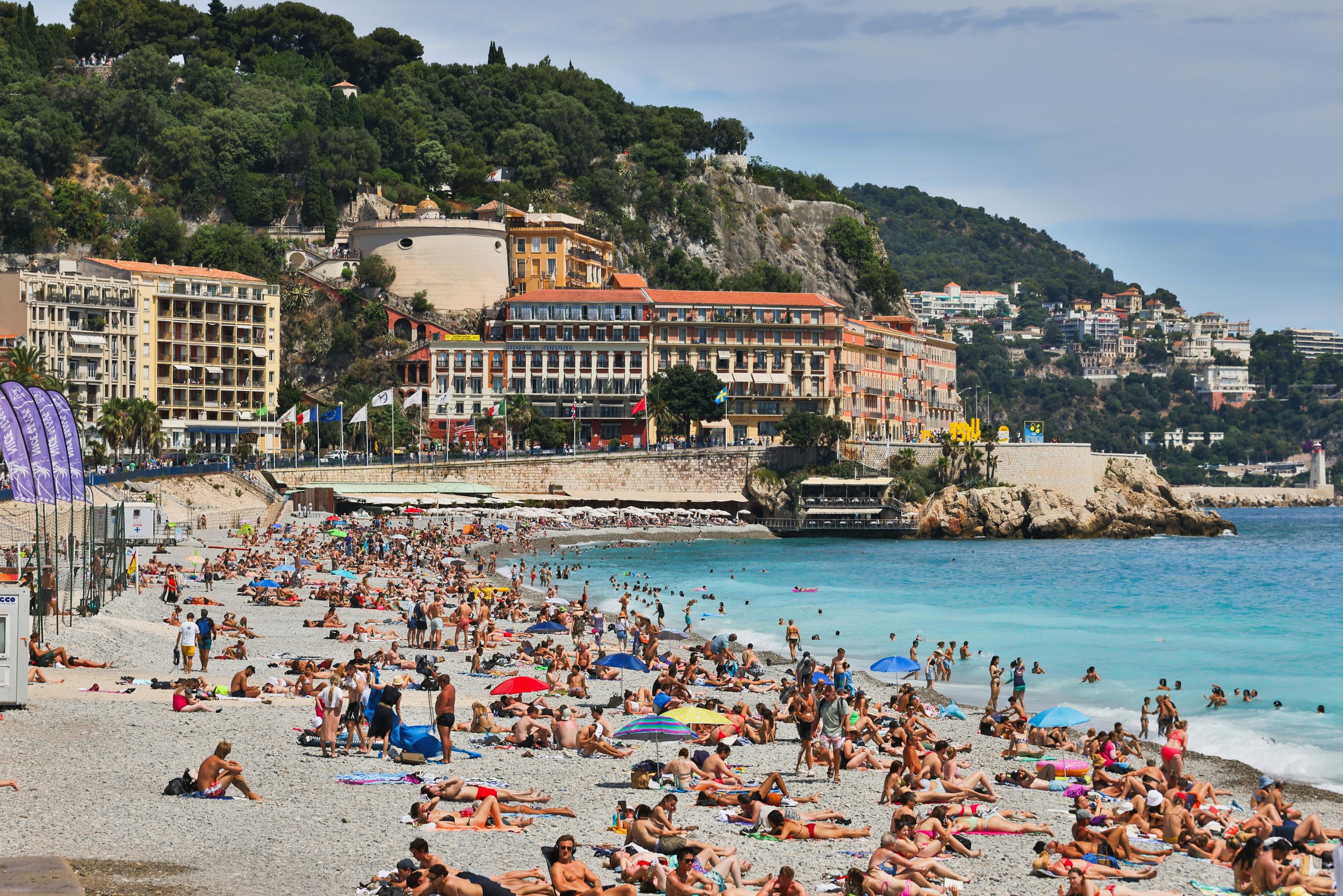
Many people travel to the coast to enjoy the sea. Personally, I'm not much of a beach person, but I can certainly see the appeal. Families park themselves at the beach for a full day in the sun — sleeping, playing, relaxing. While the beach is nice, I enjoy getting away, roaming the streets, talking to locals, and snapping photographs. This is especially true in my surrounding area when everyone leaves — I feel like I have the place all to myself. Odd for some, but so perfect for me.
And Then, Quietly, It Ends
By the last days of August, something shifts back. The trains reverse direction. Suitcases come back down off car roofs. And with almost the same quiet, steady rhythm as when the shutters first went up in July, they start coming back down again. There's a word for this too — la rentrée, "the return" — when kids go back to school and offices fill up again and every inbox that's been quietly stacking up auto-replies for a month suddenly demands to be dealt with all at once. There's a particular feeling to early September in Paris that catches a lot of people off guard: the city snapping back into its bold, loud, unmistakable self, like it had simply been holding its breath the whole time.
August in France isn't just some footnote to the year — it's built right into the rhythm of the place, all traced back to a single law passed nearly ninety years ago that quietly reshaped how an entire country thinks about work and rest. So, if you're planning a trip, or just trying to figure out why nobody's answered your email in three weeks, it helps to remember: this isn't France being difficult.
This is France, for one month a year, simply refusing to be.