
Handlebars and Habit: A Season on Two Wheels in Île-de-France
From a village corner to Rue de Rivoli, learning why the French don't bike for fun — they bike because they have somewhere to be.
The French don't ride bikes for fun. They ride because they have somewhere to be
Where It Starts
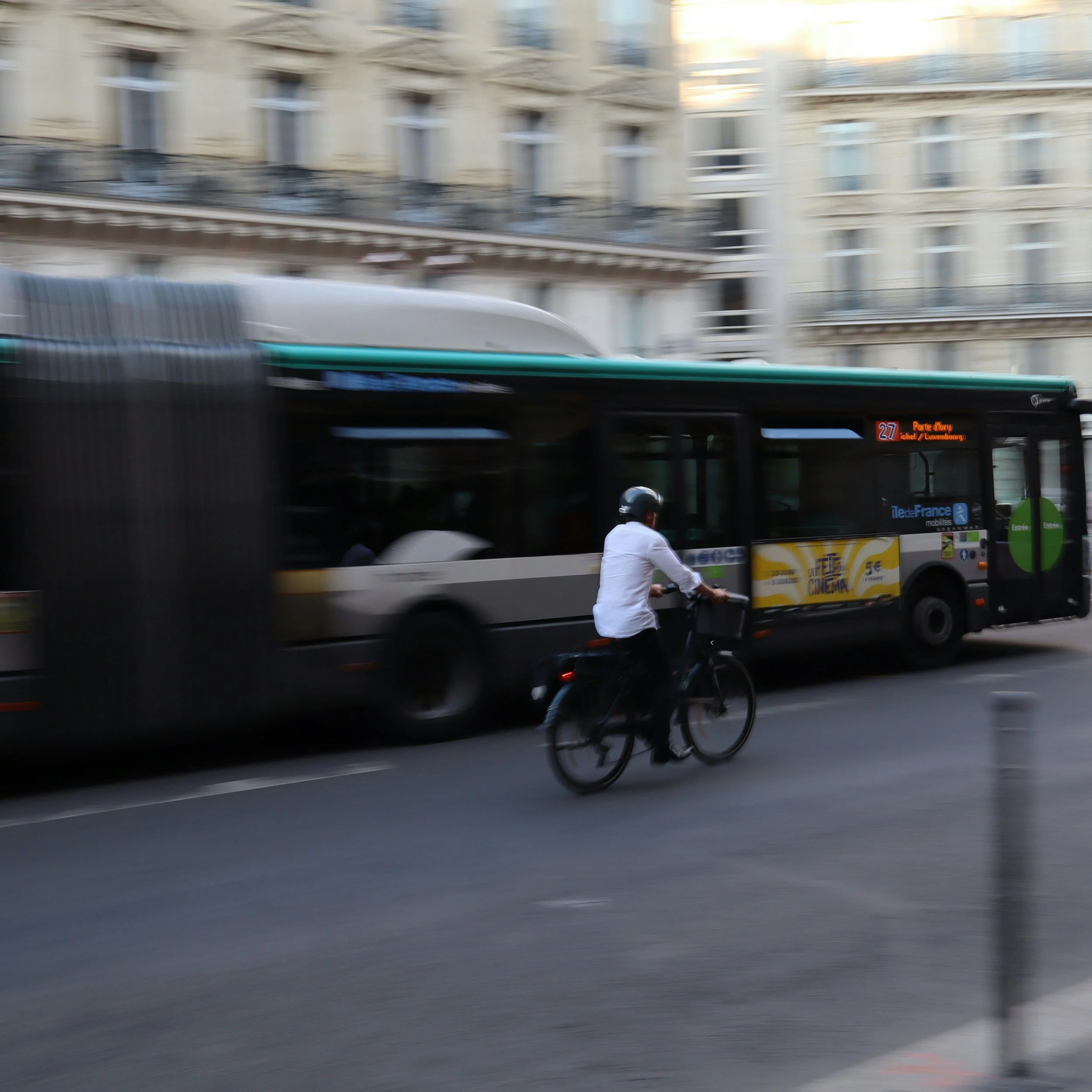
I didn't expect biking to be the thing that told me I'd actually moved to France. But standing at a corner in my village, waiting for traffic to clear, that's exactly what did it. A man in a suit rolled past on an upright city bike, briefcase balanced in the front basket, tie tucked neatly into his shirt. Right behind him was a mother speeding along on a longtail cargo bike with three small, chatty children on back, rolling through traffic, confident and natural. No one was wearing spandex or a helmet cam. They just looked like folks with someplace to be, who happened to be on a bike instead of in a car.
In many places, particularly in the U.S. or Canada, biking is something you schedule. You put on the right shoes, you drive to a trail, you track your mileage on an app, and afterward you feel virtuous enough to order fries. Here, biking is just how you get somewhere else. It's how the baker in my village gets his ovens started before sunrise, how the woman two doors down gets to the market with a basket already half full, how a teenager gets to school without waiting for a bus that may or may not show up on time. Nobody stretches first. Nobody checks the weather app for a "good biking day." They just go, rain or shine, because there's bread to buy and a train to catch and a friend expecting you by noon.
Prior to moving to France, I was that guy who bought used bikes during the pandemic, invested in the right car carrier and equipment, and drove to the controlled greenway to have a biking experience. This was partly out of necessity (there was not any safe bike infrastructure in the city that I lived in) and expectation that is what all the “cool kids” of a certain age did. Don’t get me wrong. I always enjoyed my rides. It was the genuine hassle of making the ride that was a bit unpleasant. While I enjoyed riding my bike, I could never just get it from the garage and go. My city just wasn’t built that way.
A Habit Older Than It Looks
Bicycles have been part of daily life here in France for a long time. The French were early and eager adopters, back in the 1800s, and the bicycle settled into the culture the way certain foods or holidays do, so deeply that nobody thinks to question it. For a stretch of the twentieth century, cars pushed bikes to the side, and pedaling to work started to feel like something you did because you had no other choice. That's changed. If you're curious about how that shift happened, Freewheeling France has a good rundown of the campaigns and city officials who pushed to bring bikes back into everyday life. But you don't need the history to feel it. You just need to stand on a street corner for ten minutes.
The Small Skills Nobody Teaches You
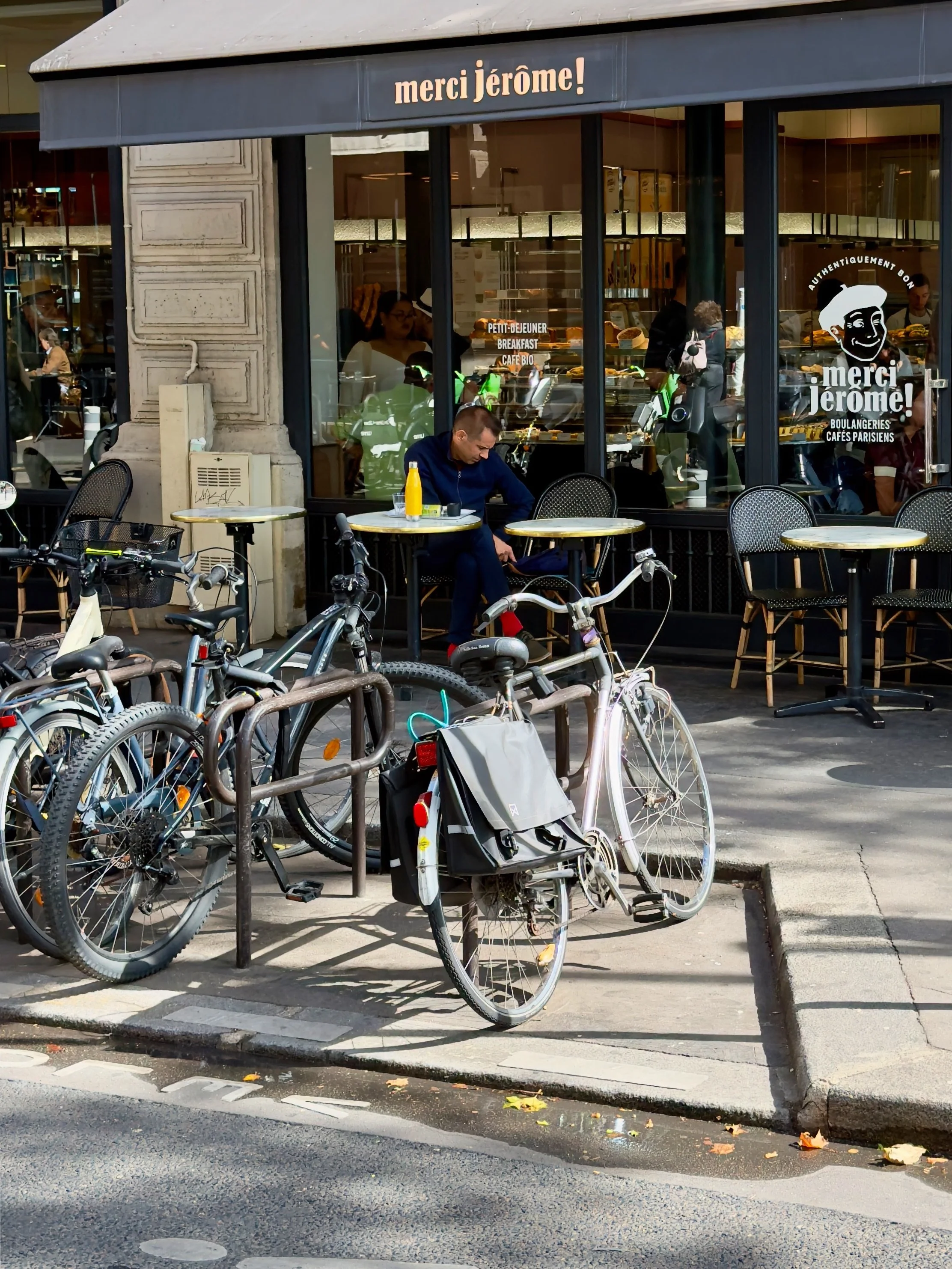
What you notice first is how little fuss is involved. Nobody here treats a bike ride like an event. I've watched a woman balance her groceries, a bottle of wine, and a small dog in her front basket, all at once, while chatting with the person riding beside her. Cyclists ring their little bells instead of shouting - somehow, it works. A polite ding replacing what would be a horn anywhere else. Kissing hello on both cheeks while straddling a bike, without ever quite dismounting, is its own small skill that I never fully mastered (still working on the kissing both cheeks too – lol).
Rivoli and the Rise of Vélib'
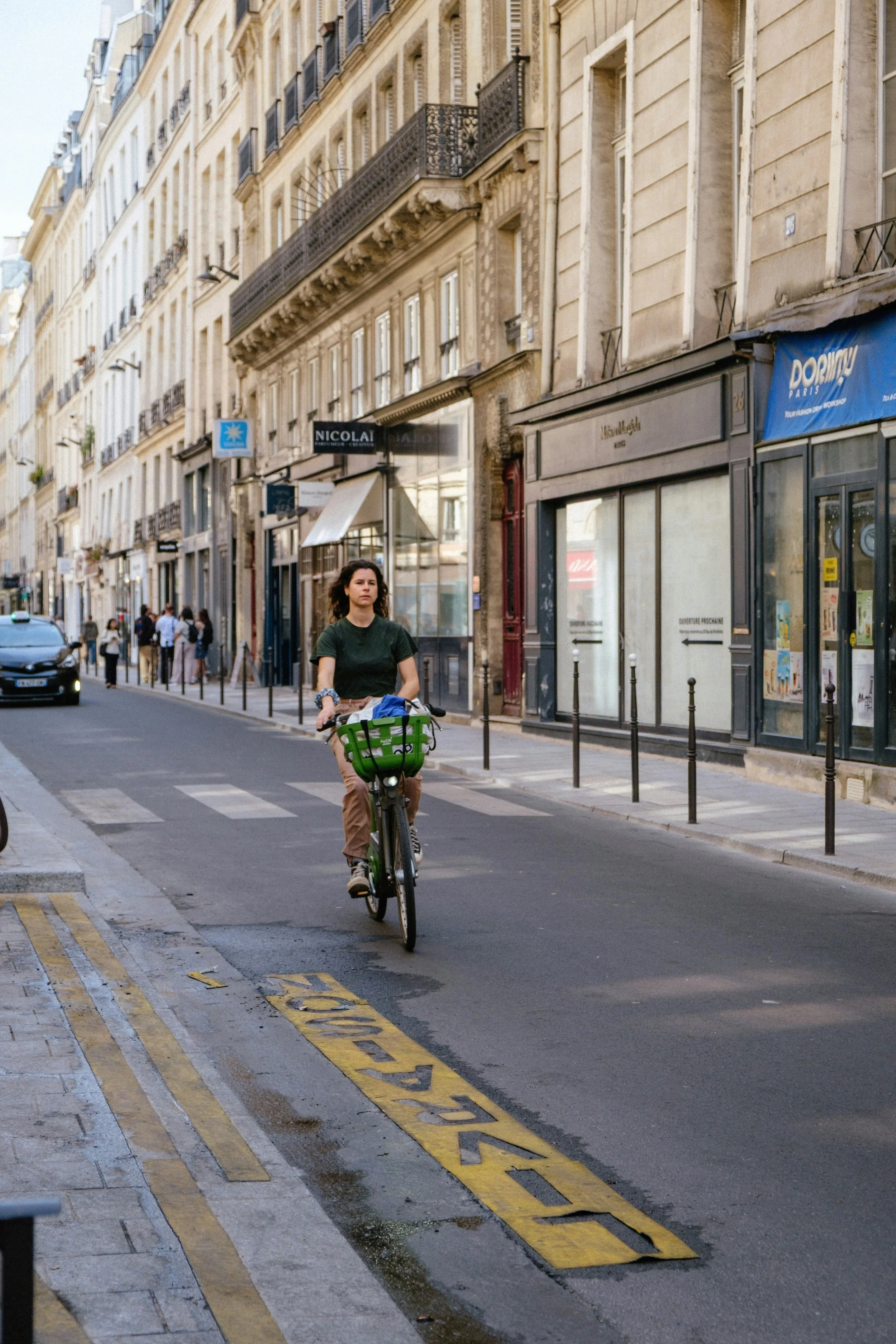
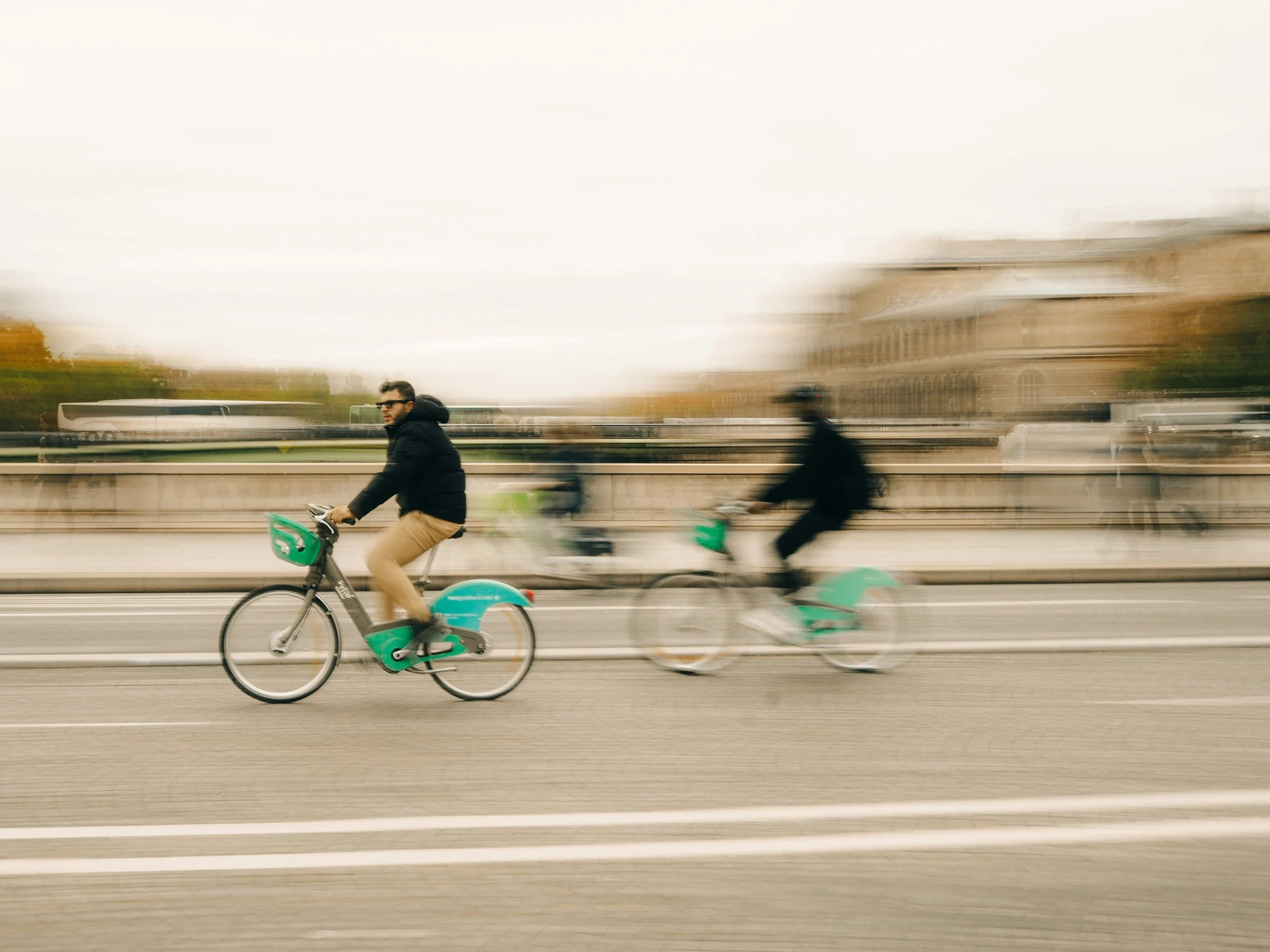
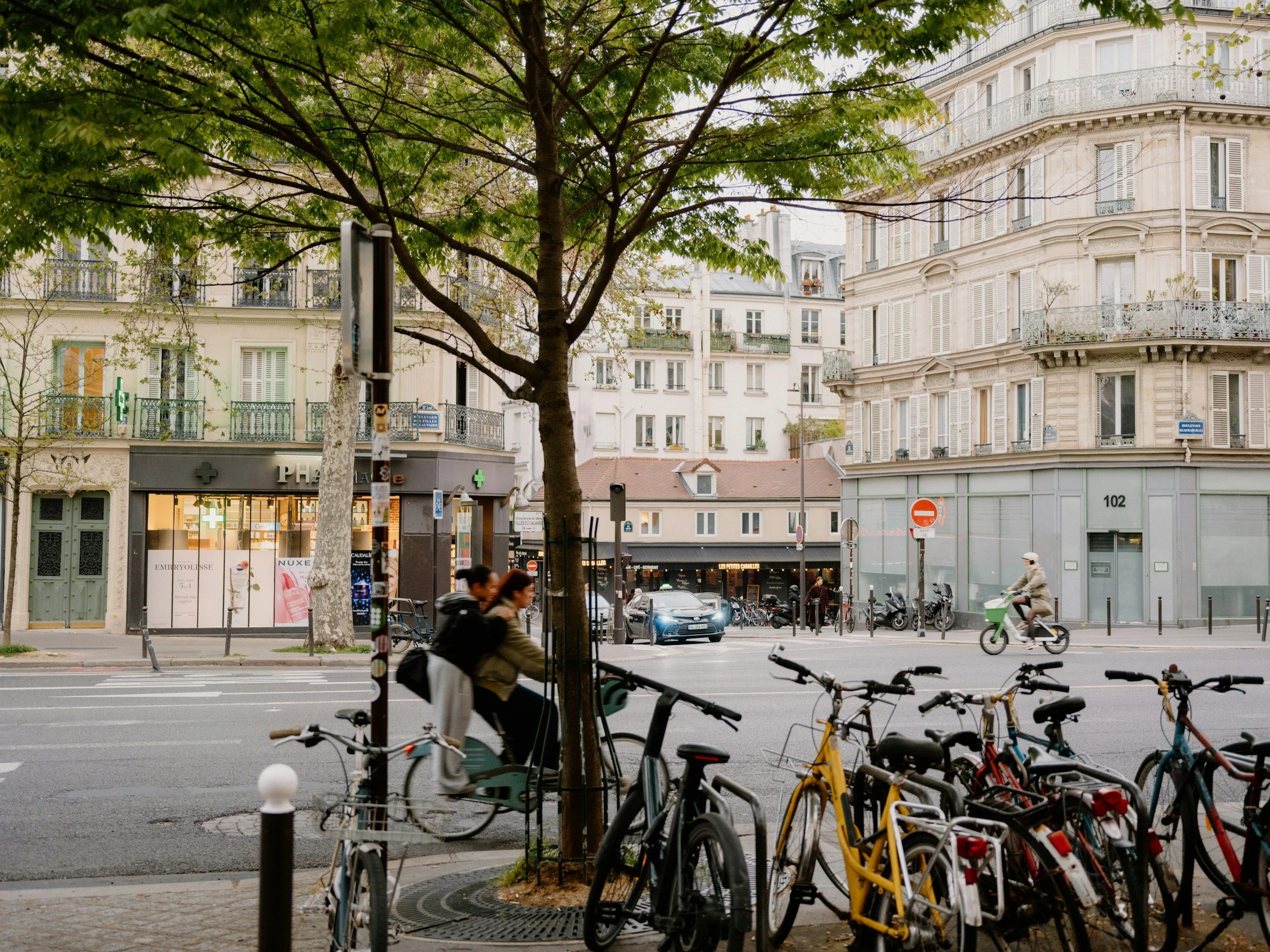
A lot of that ease comes down to Vélib', the city's bike-share system, which by now feels less like a program and more like part of the furniture. Grab a sturdy grey bike, ride it where you need to go, drop it at another station, done. Nowhere is that more visible than along Rivoli, where it runs past the Tuileries toward Place de la Concorde. The arcades stay busy almost any hour, and tucked among the tourists posing for photos, there's a steady stream of people docking or grabbing a bike without breaking stride, the way you'd grab a shopping cart. If you want the full story of how Vélib' grew from a shaky pilot program into a citywide habit, Wikipedia's entry has the details.
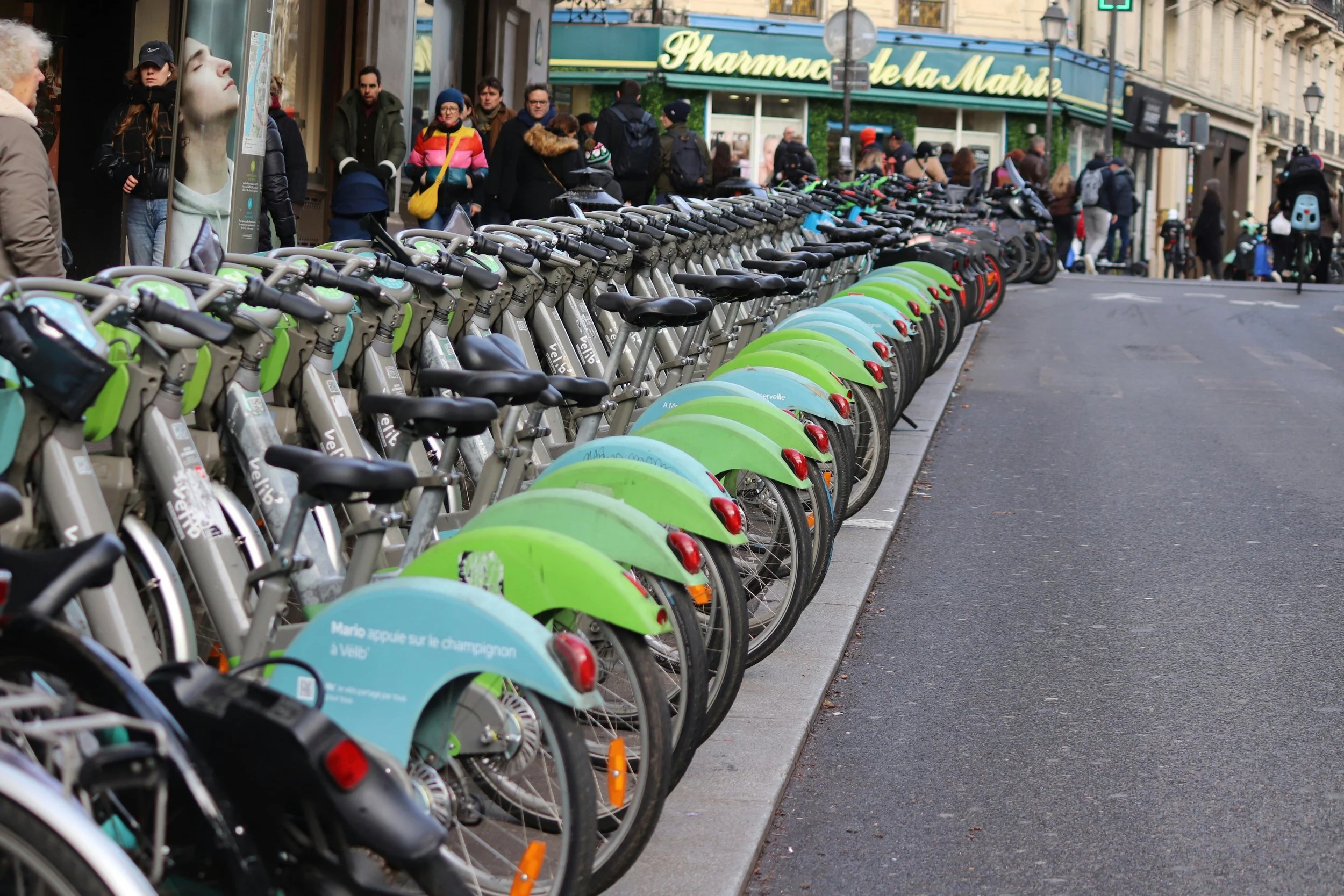
I saw this up close once, outside a ramen spot on a side street. Directly outside was a cluster of bike-share bikes, all crowded there, mish-mashed together. Folks were bringing bikes and parking, while others were walking up, phones in hand, to rent one. One young woman, I remember, looking like she’d just left a Pilates class or something, walked up, checked out a bike, pulled her hair back, strapped her stuff down and pedaled away in a hurry. She knew how it worked and was on her way.
Room to Ride Near the Opéra
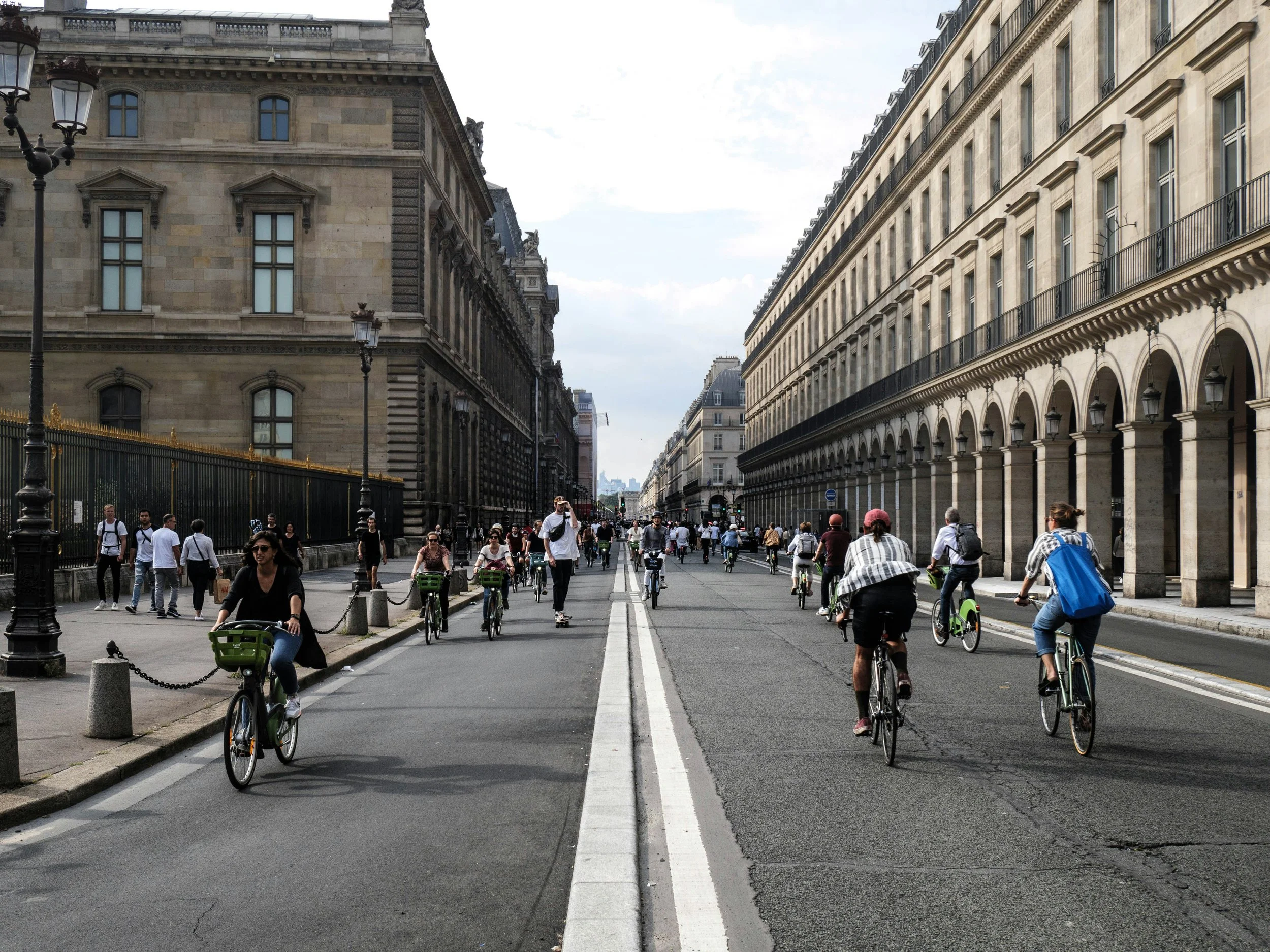
None of this ease happens by accident. The city has spent real money and real political capital carving out space for bikes, not just painting a line and calling it a day. Boulevard Haussmann, built wide enough for carriages back when that was the point, now carries a proper two-way bike lane running past the department store windows, cyclists moving down it in a steady current while buses and taxis stay penned into their own lanes beside them. You can feel the difference in how relaxed people look while riding there. Nobody's white-knuckling the handlebars. If you're the type who likes a little context with your coffee,ECF's coverage of Paris's push to become a 100% cycling city by 2026 wrote a solid piece on how far the city has committed to going with this.
Who's Actually Riding
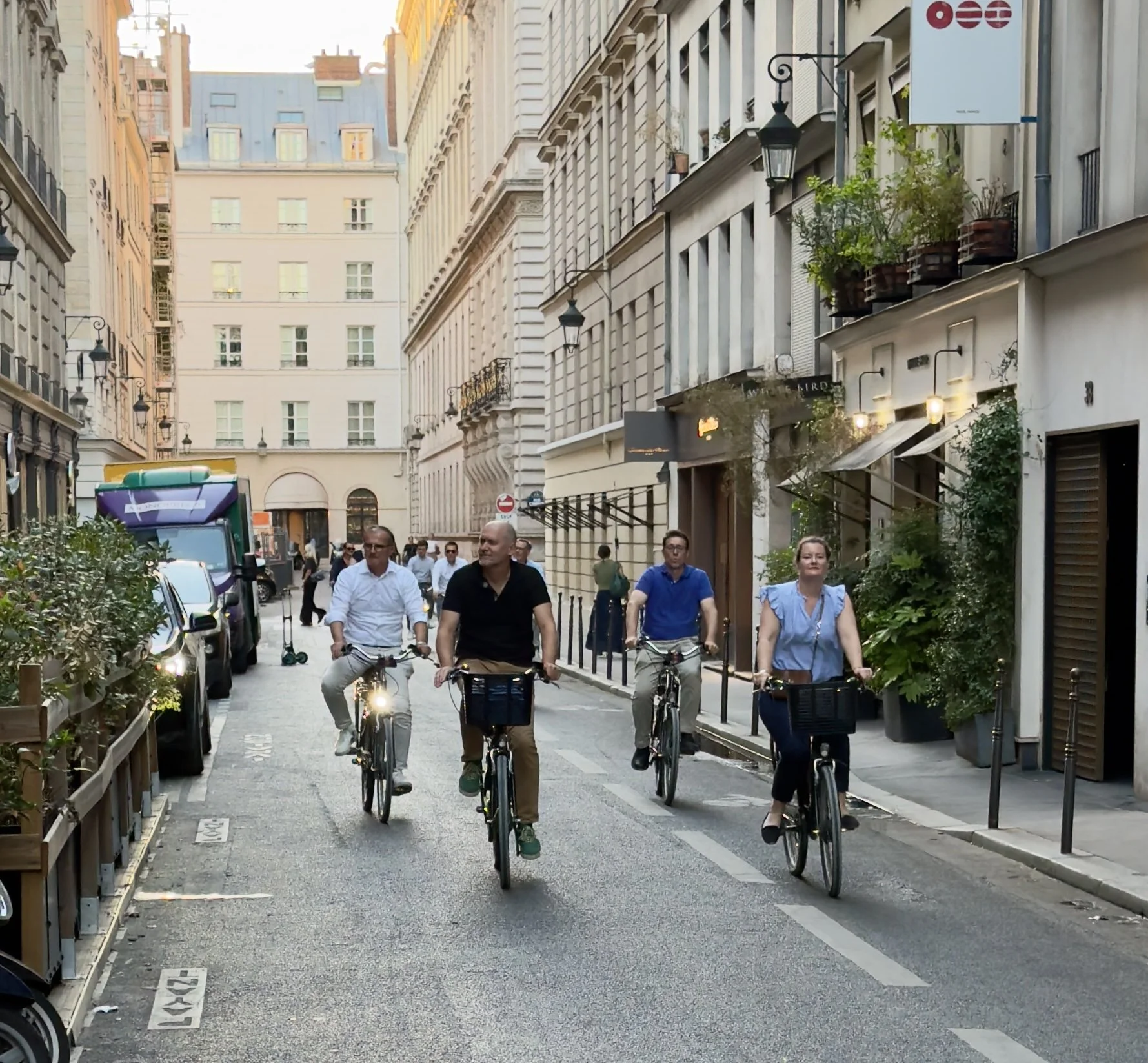
What gets me every time, though, isn't the lane or the paint. It's who's riding. This isn't a city of people logging personal records. It's a city of people in work clothes, school uniforms, church shoes, moving at a pace that has nothing to do with fitness. I watched a woman in heels and a wool coat pedal down the bike lane near the Opéra one gray afternoon, unbothered, sipping what I can only assume was coffee from a to-go cup balanced against the handlebar. As if biking in heels, one-handed, were the most obvious thing in the world. Which, apparently, it is. She certainly made it look easy.
Back Home
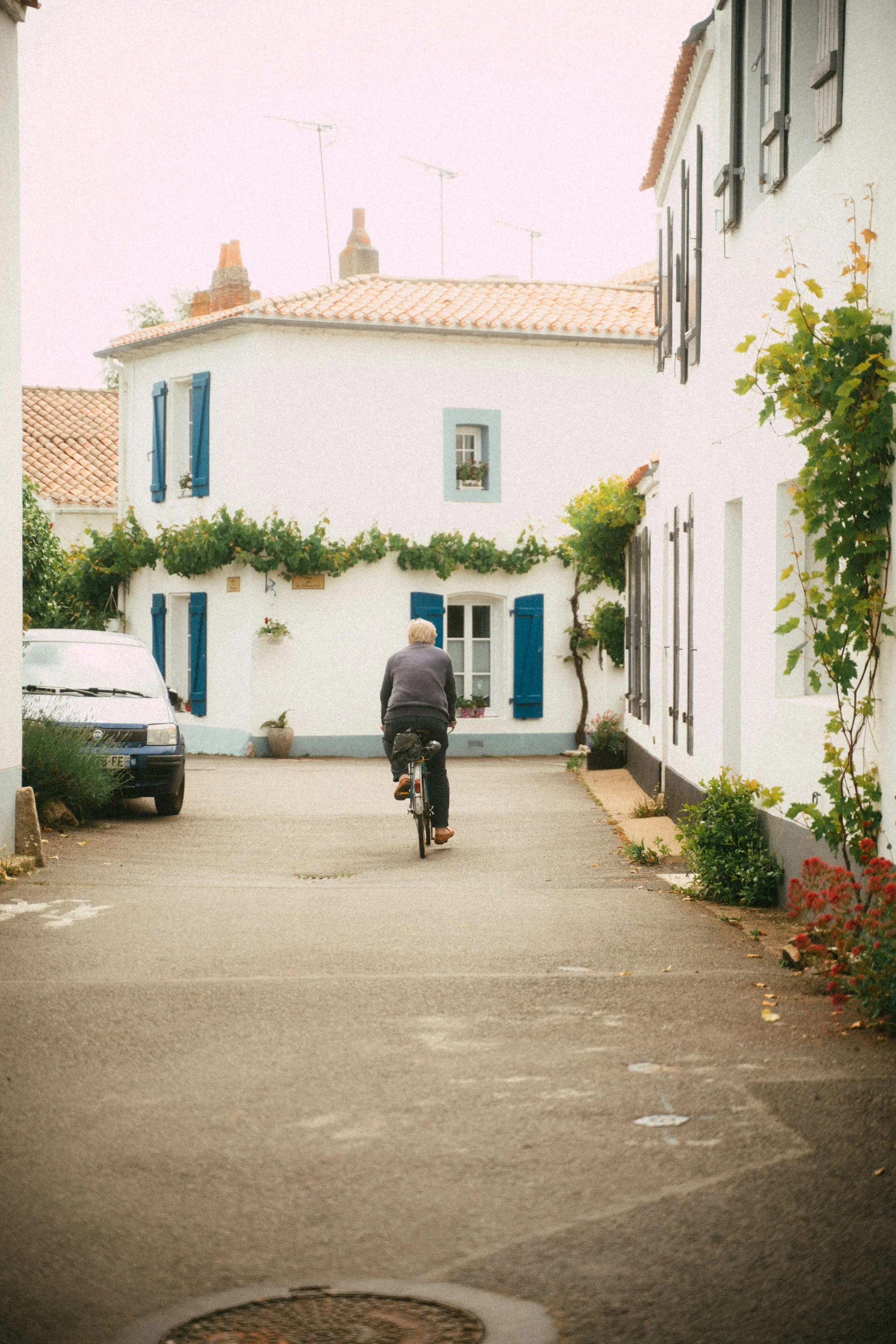
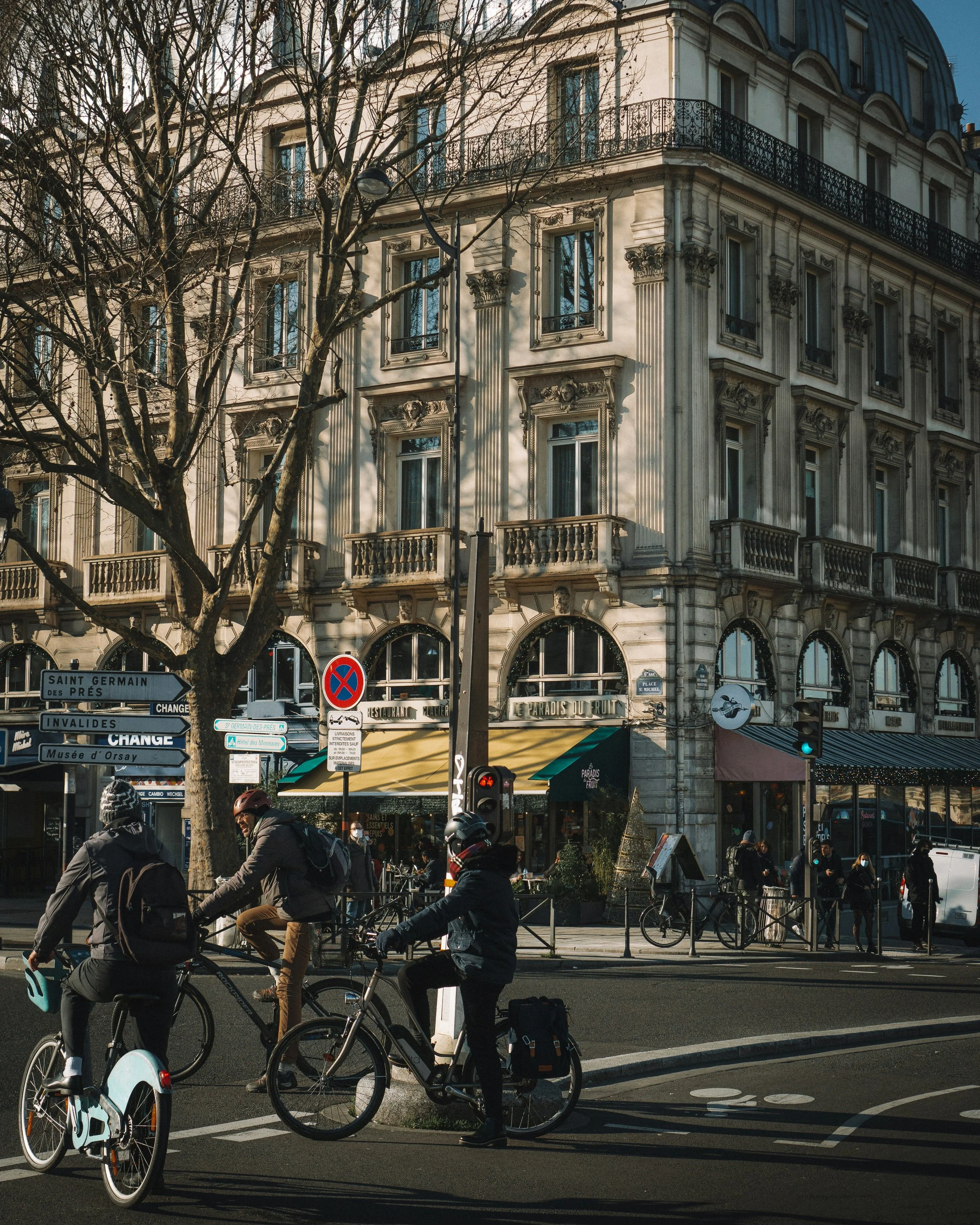
Back in my village, the rhythm is smaller but no less steady. Kids ride to school the way American kids ride to a friend's house, except this destination comes with homework. Retired neighbors pedal to the church square at a pace that would frustrate any serious athlete, stopping to chat wherever they please, because nobody's in a hurry. On Sundays, a few of them ride out past the edge of town just for the pleasure of it, which is the closest thing I've seen here to biking as a hobby. Even then, it looks less like exercise and more like an excuse to be outside.
I, myself, am still not the confident bike rider. I'm still getting used to riding in traffic and learning the rules and nuances of French cycling culture. I have not ventured into Paris proper on a bicycle — unlike the extremely confident (and sometimes oblivious) riders I see in the city, I still need to work up some nerve before I tackle that beast. What I am getting better at is my own village: there's a general respect for bicycles here, and I ride around for practice whenever I can. My new adventure is riding to the grocery store, doing my shopping, and loading up my side bags for the scenic ride home. For someone who lives here, that's probably nothing. For me, it's one more step toward riding with the "cool kids."
What I'm Taking With Me
By the time I got back to my own corner, none of it surprised me anymore. The suits near the Opéra, the tourists dodging Vélib' riders along Rivoli, the parents on cargo bikes, all of it had settled into something closer to normal, the way a new word in a foreign language eventually stops sounding foreign at all. Nobody here is trying to make a statement by riding a bike. They're just trying to get to work, or the market, or church, or a friend's kitchen table, and the bike happens to be the easiest way there. Watching a whole region quietly agree on that, one ordinary commute at a time, felt like something worth bringing home with me.
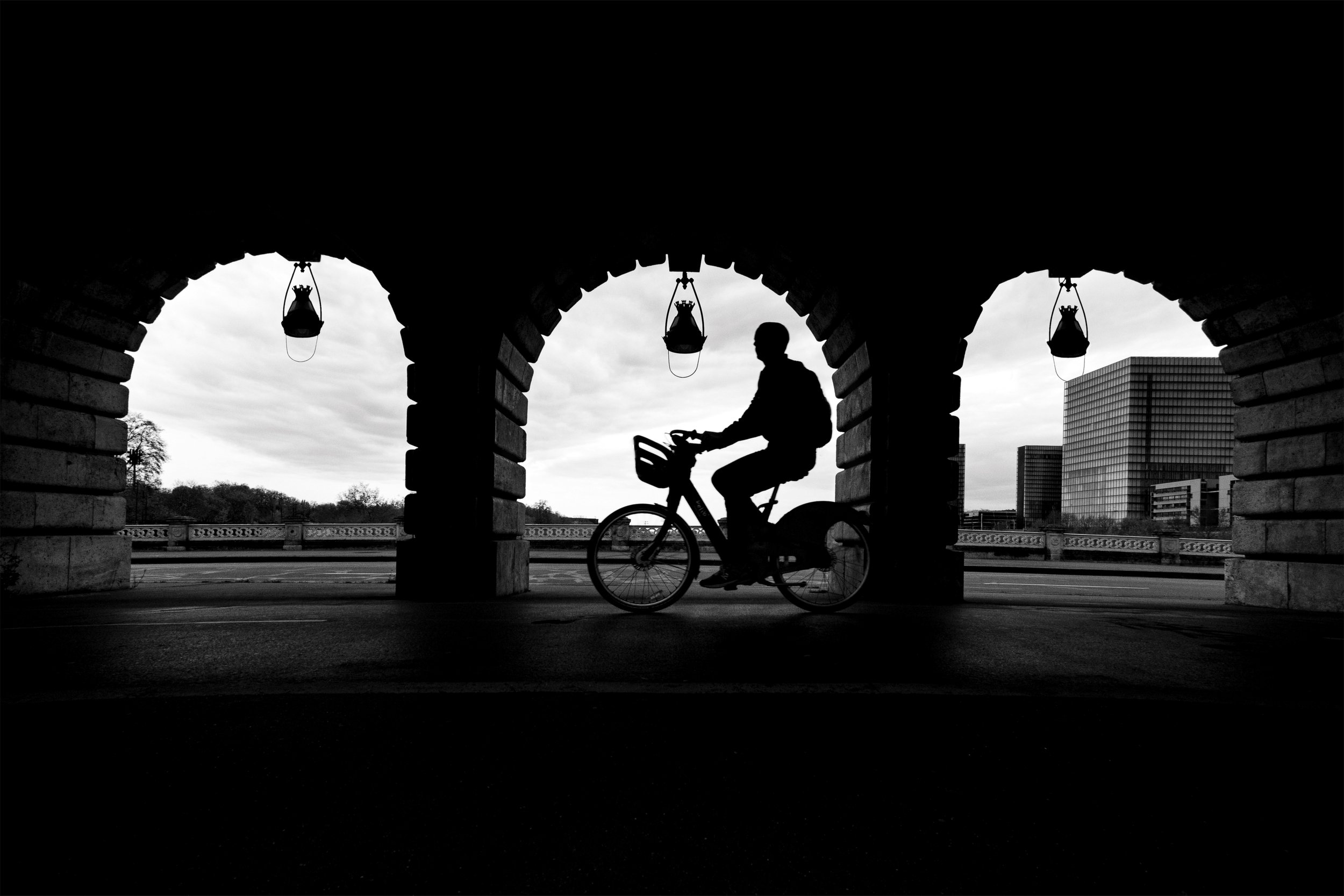
I'm still working on the ride in traffic near the Opéra, and Paris proper is still a beast I haven't worked up the nerve for. But the panniers are packed, the village roads are getting familiar, and somewhere between the bakery and the church square, I think I'm starting to get it. Ask me again once I've survived Rivoli.
The Beauty of France: Finding Wonder in Everyday Life
From village squares to Paris streets and the small rituals of everyday life, France is often most beautiful when it feels most lived in.
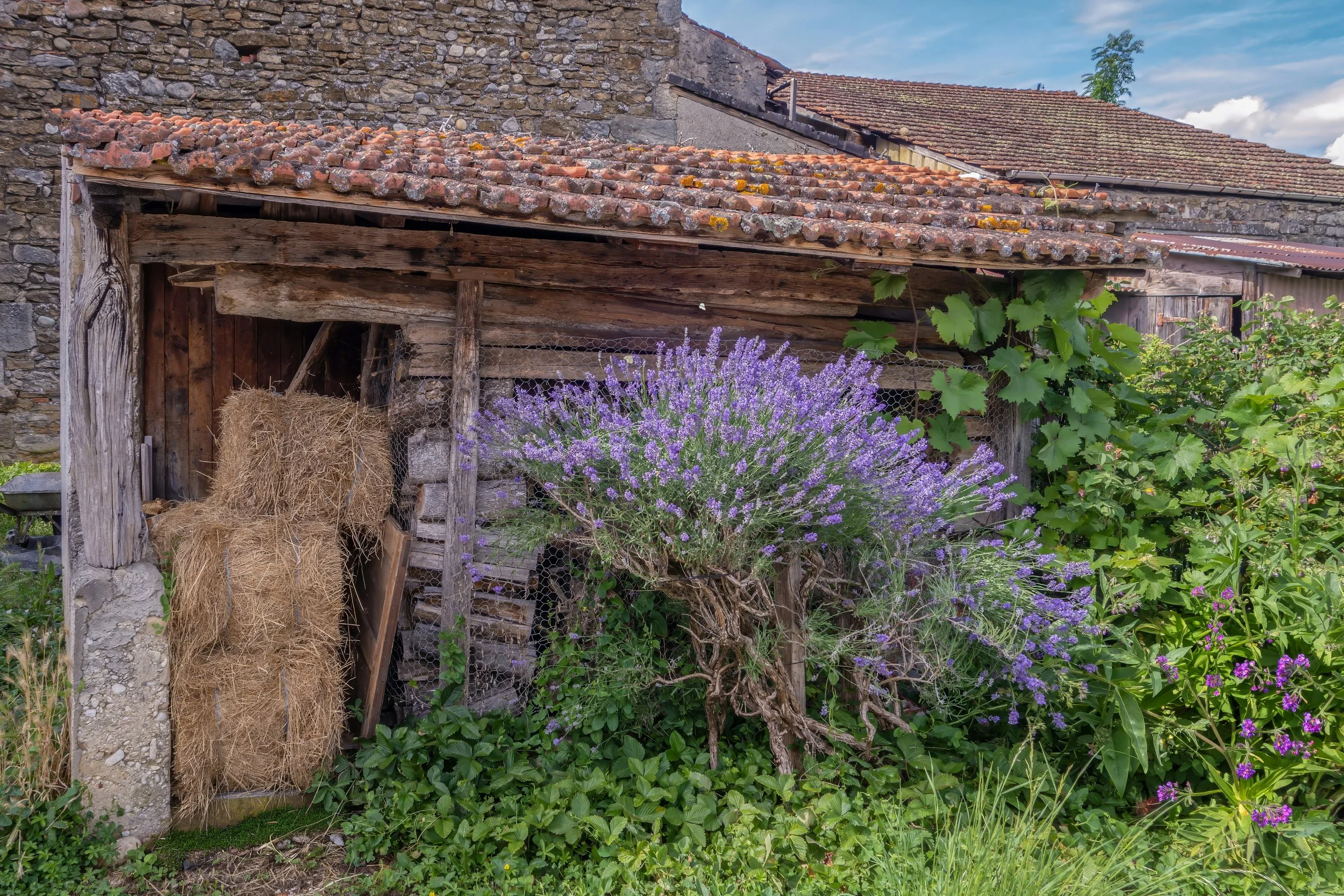
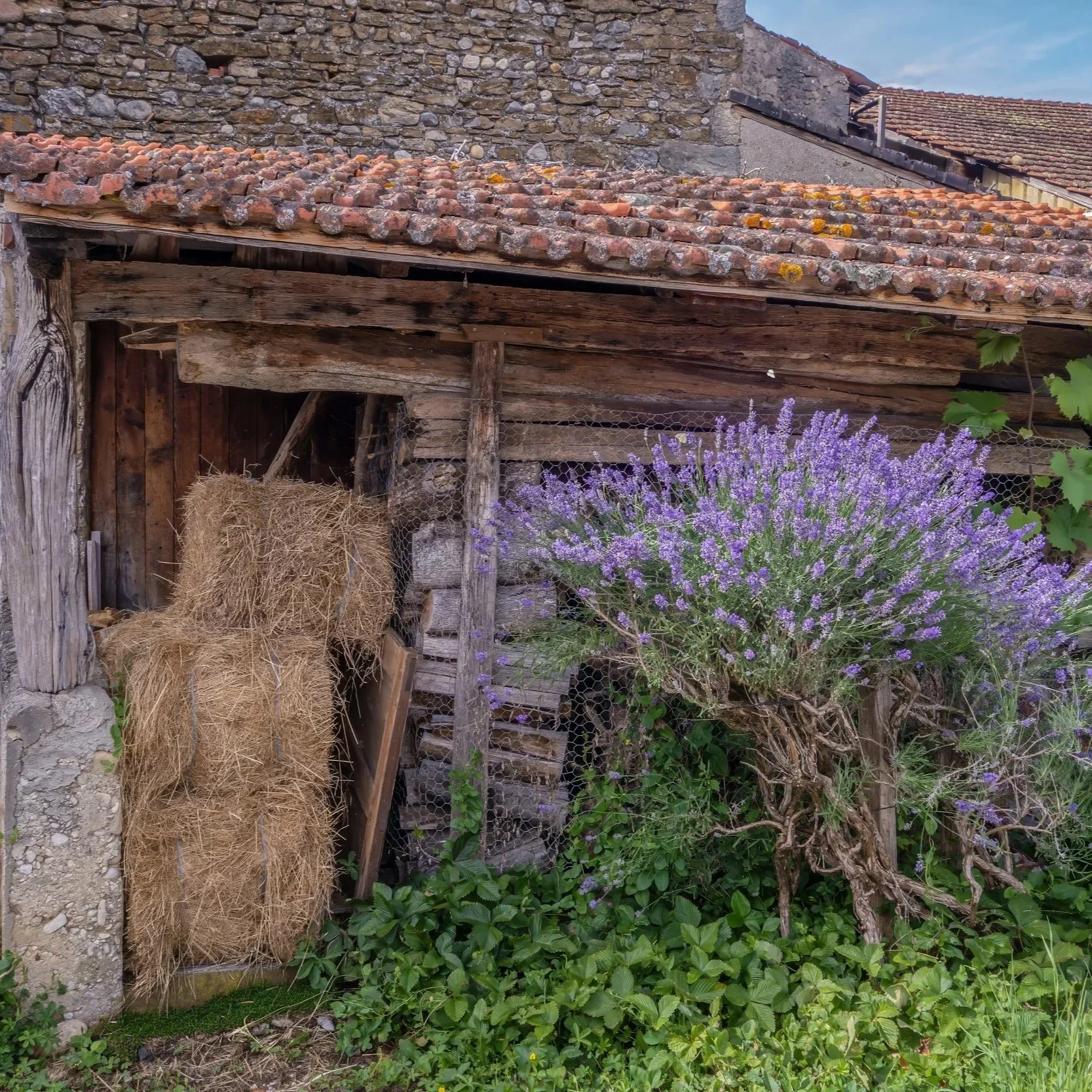
Living in Île-de-France has taught me that France is at its most beautiful not only in its famous views, but in the smaller rhythms of daily life that people here hardly seem to notice anymore.
Learning How France Reveals Itself
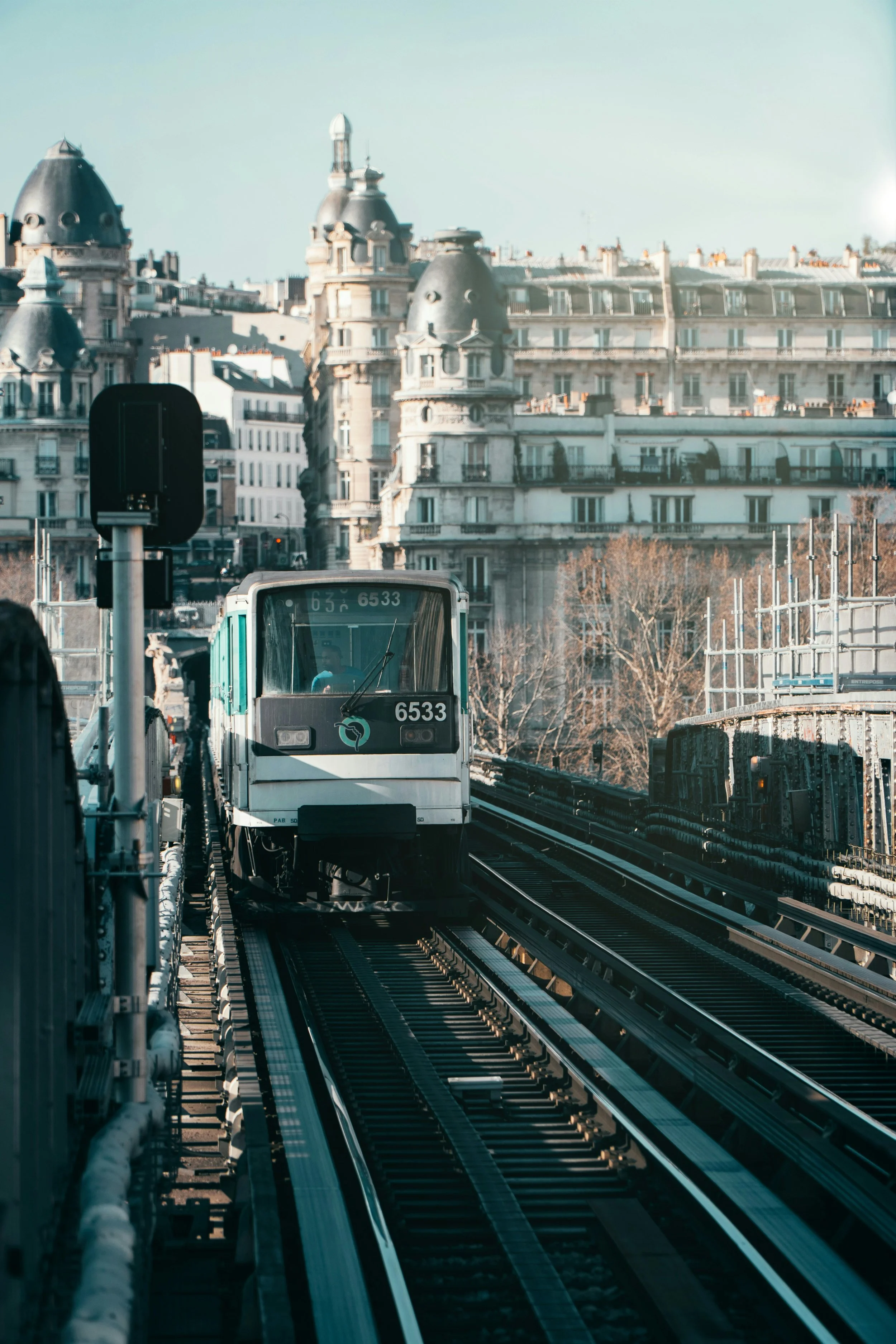
France is one of those places people think they already know. Even before they arrive, they carry a familiar set of images with them: café chairs facing the street, pale stone buildings, church spires, market baskets, river light. I used to think of France that way too. But living here, in Île-de-France, has made those images feel less like symbols and more like ordinary life. What stays with me now is not only the famous view, but everything around it—the sound of banter at a cafe, seeing the metro train approaching my stop, or the way a village square starts quietly and slowly fills. France reveals itself best, I think, in those smaller moments.
The Many Landscapes of France
One of the things I’ve come to love most about France is how varied it is. The country doesn’t offer one kind of beauty. It offers many, often not far from one another.
In the north, the land opens into broad plains and river valleys that feel calm and spacious. In the west, the Atlantic brings a different mood altogether—silver light, stronger winds, a little more weather in the air. Head south and everything seems to soften and brighten at once. The light changes, the walls glow, and the landscape feels warmer somehow, even before the temperature tells you so.
To the east, there are wooded slopes and mountains. In the center, roads drift through quieter countryside where villages seem to rise out of the landscape rather than sit on top of it. What I find beautiful is not just the scenery itself, but the way each part of the country carries its own mood. France feels less like one fixed image and more like a collection of atmospheres.
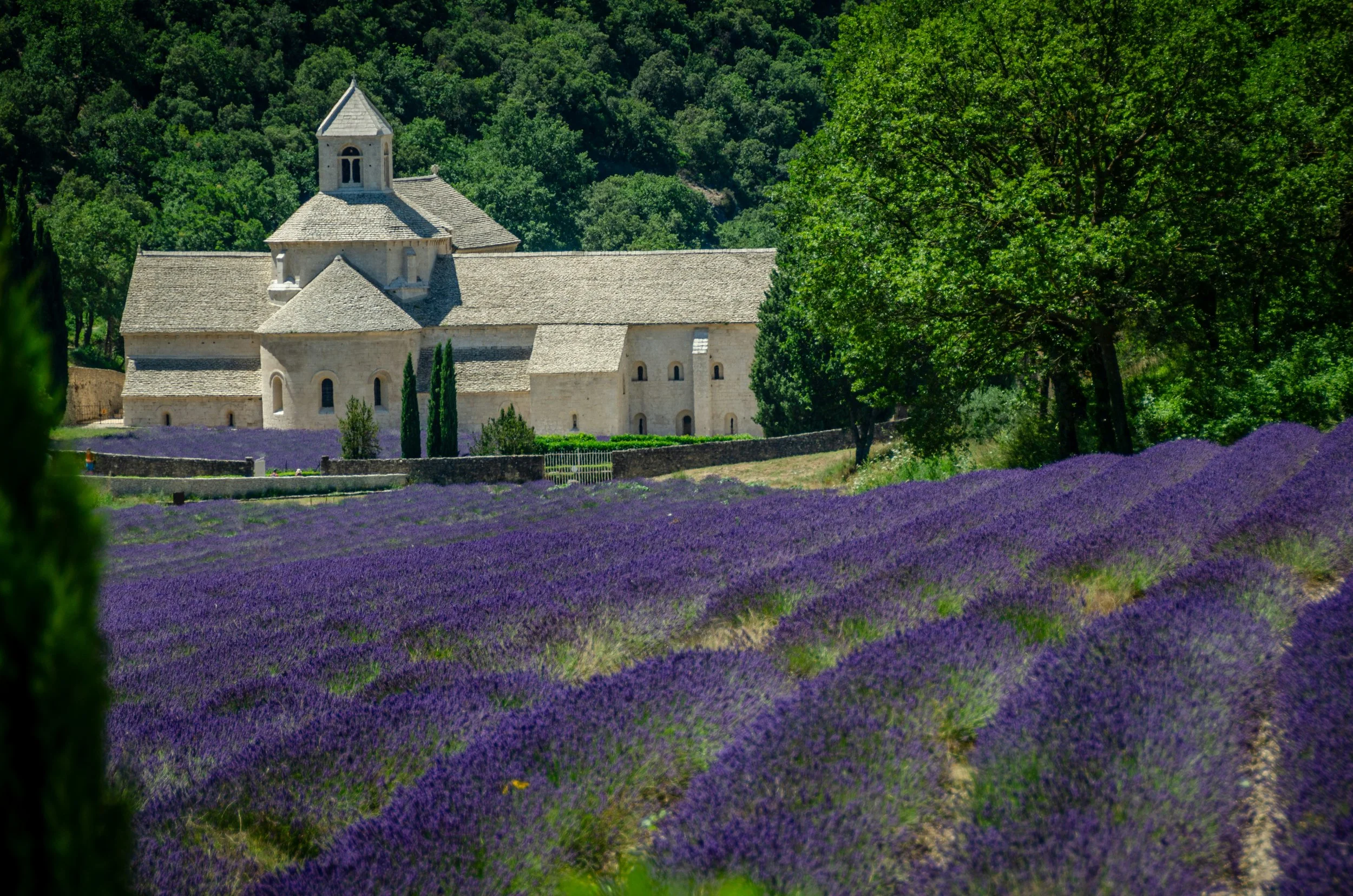
That variety shapes the way people live, and that is part of what makes the country so interesting. A fishing town, a wine village, a provincial city, a suburban rail town outside Paris—each has its own tempo and way of carrying itself. You notice it in the food, of course, but also in the architecture, in market rhythms, in the way people talk, and in how public space is used. From a distance France can look beautifully unified. Up close, it is richly regional, and I think that is one of the things that gives it so much life.
The Quiet Grace of French Villages
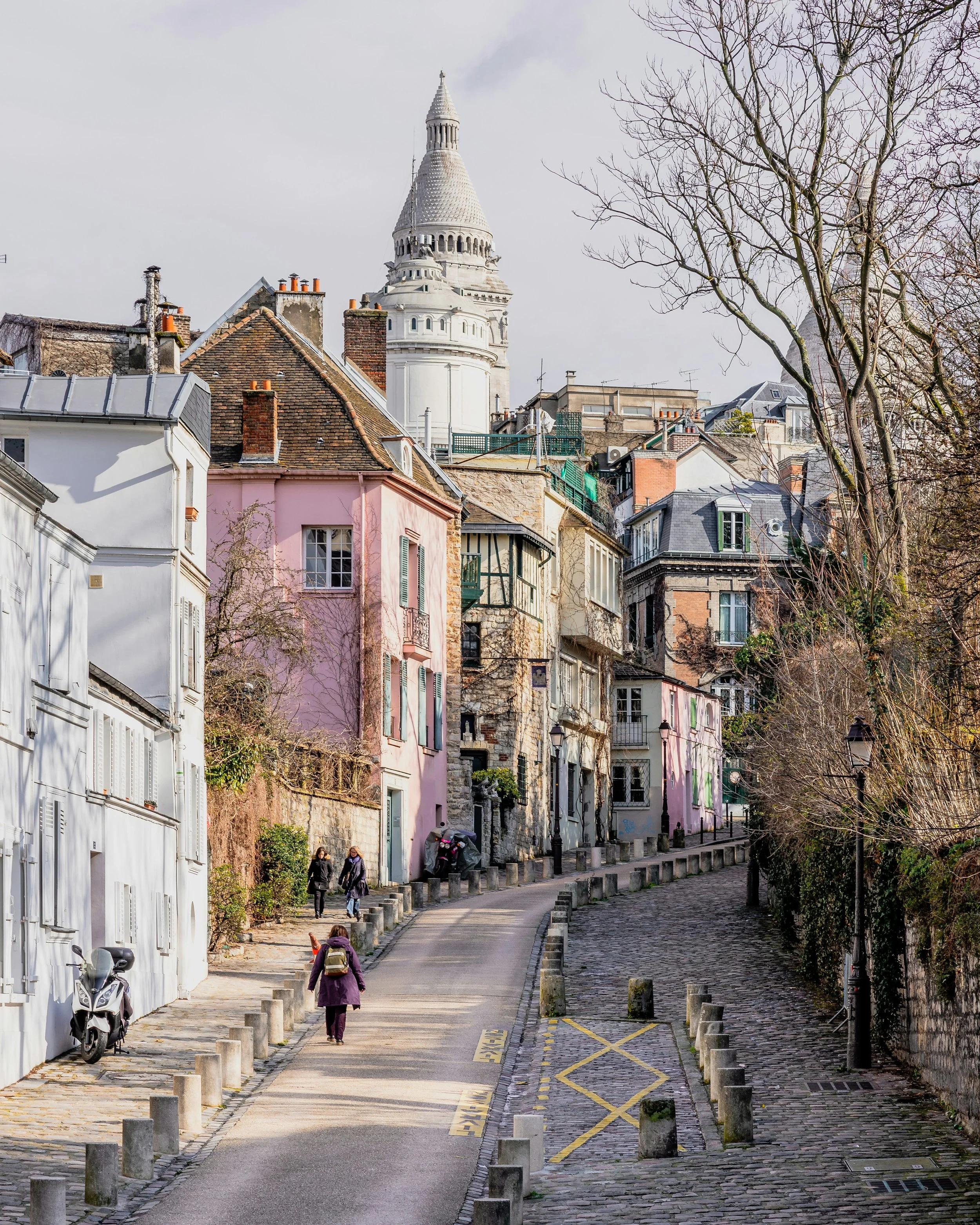
The villages are often where this feels clearest to me. Village life in France has a scale that is gentle and deeply reassuring. A bell rings, shutters open, someone wheels out a crate of produce, someone else stops in the square for a longer conversation than they meant to have. The bakery announces itself before you reach it. The plane trees cast exactly the shade you hope they will. Nothing has to be dramatic for a place to feel complete.
What makes many French villages so beautiful is not only the age of the stone or the flowers in the windows, though both certainly help. It is the sense that things belong together. Houses relate to one another. Streets seem to know where they are going. Even when a village is quiet, public life still has a visible shape.
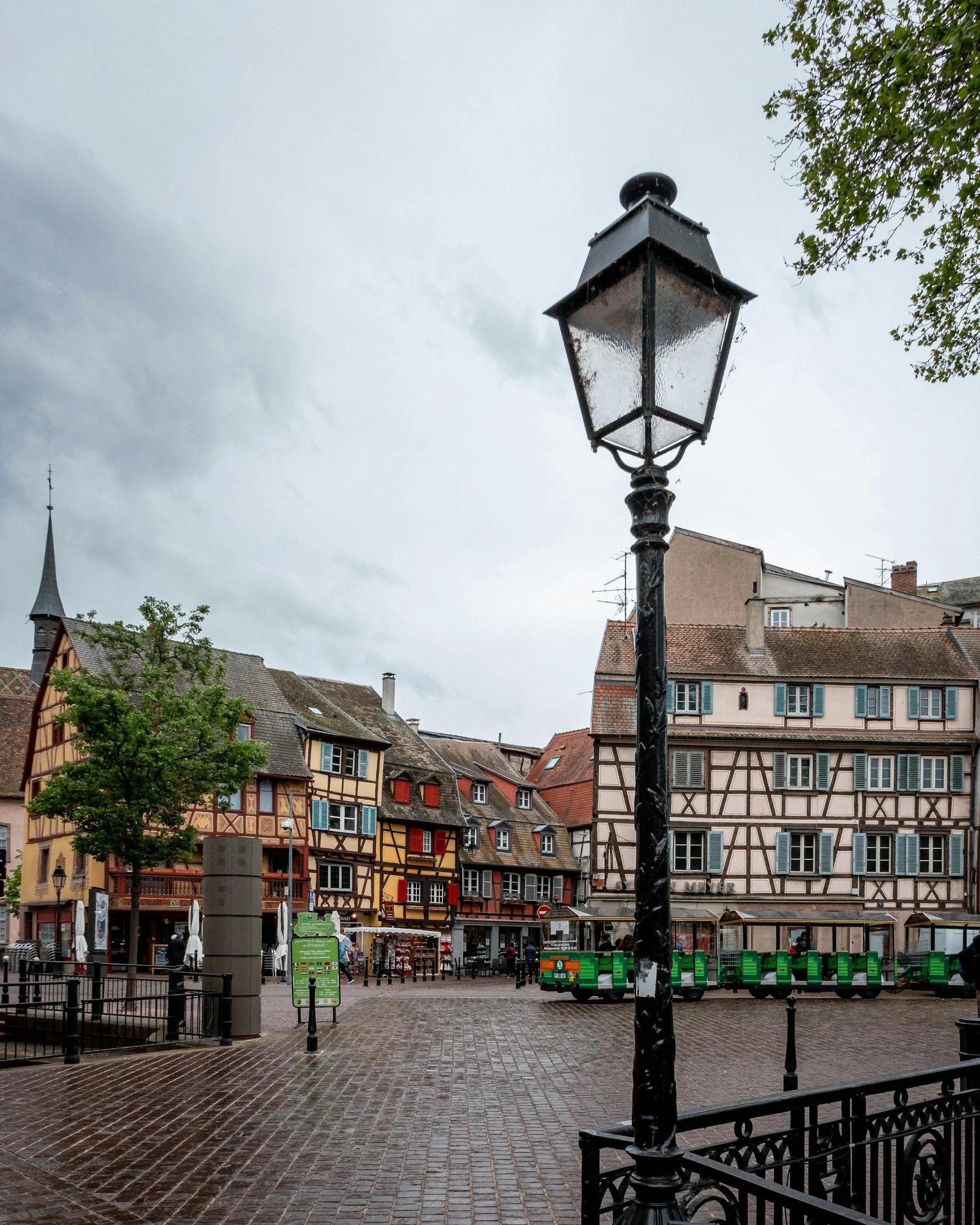
And then there is the culture of those places, which matters just as much as the view. In small towns and villages across France, life still turns around recurring rituals: weekly markets, school schedules, local festivals, church calendars, lunches taken seriously, conversations that begin with practical matters and wander somewhere else entirely. One of the things I admire most here is the seriousness given to ordinary pleasures. Bread matters. Cheese matters. The tomatoes in season matter. The condition of a public square matter. A meal with friends is not treated as something extra. It is part of life being properly lived.
The Beauty of French Cities
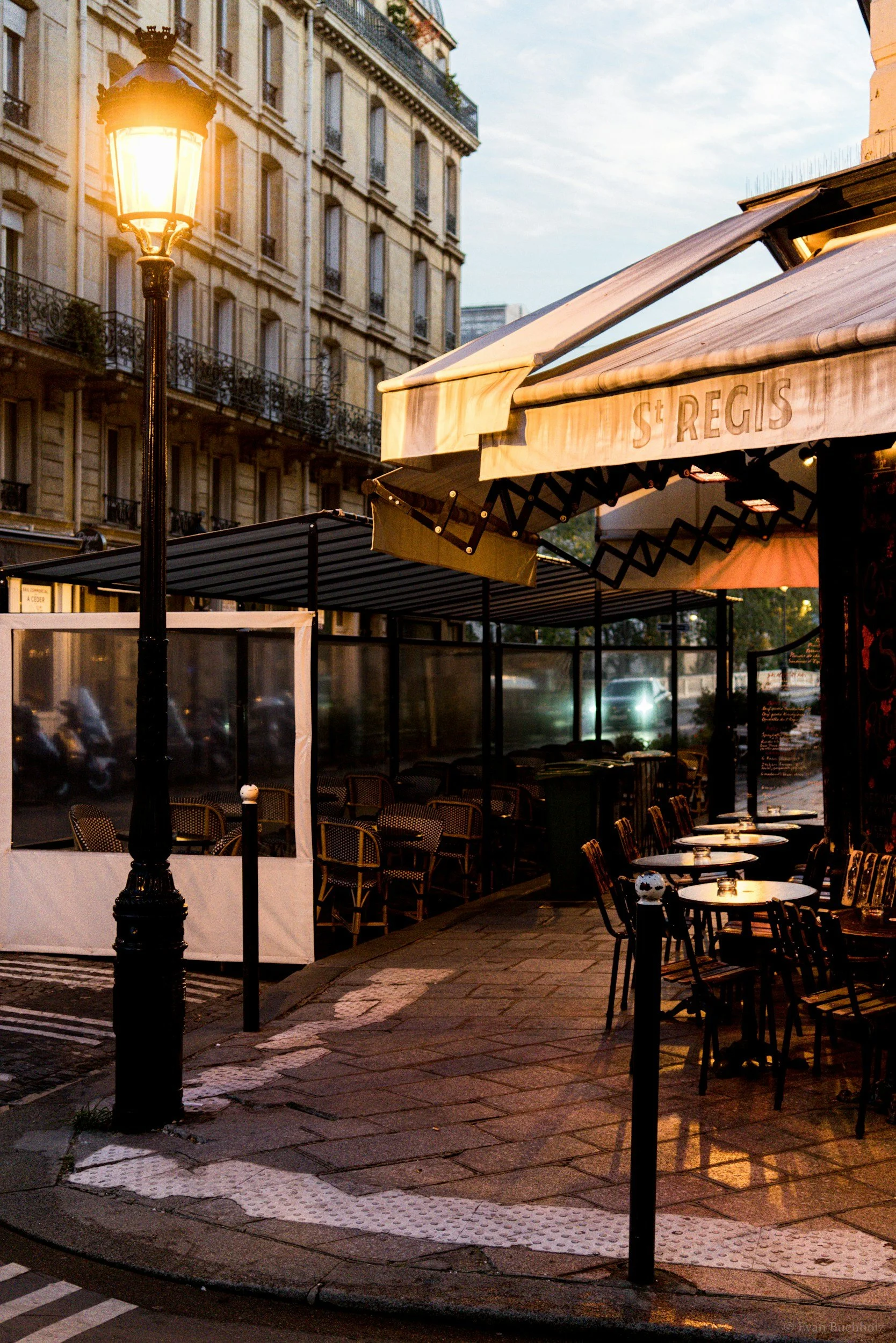
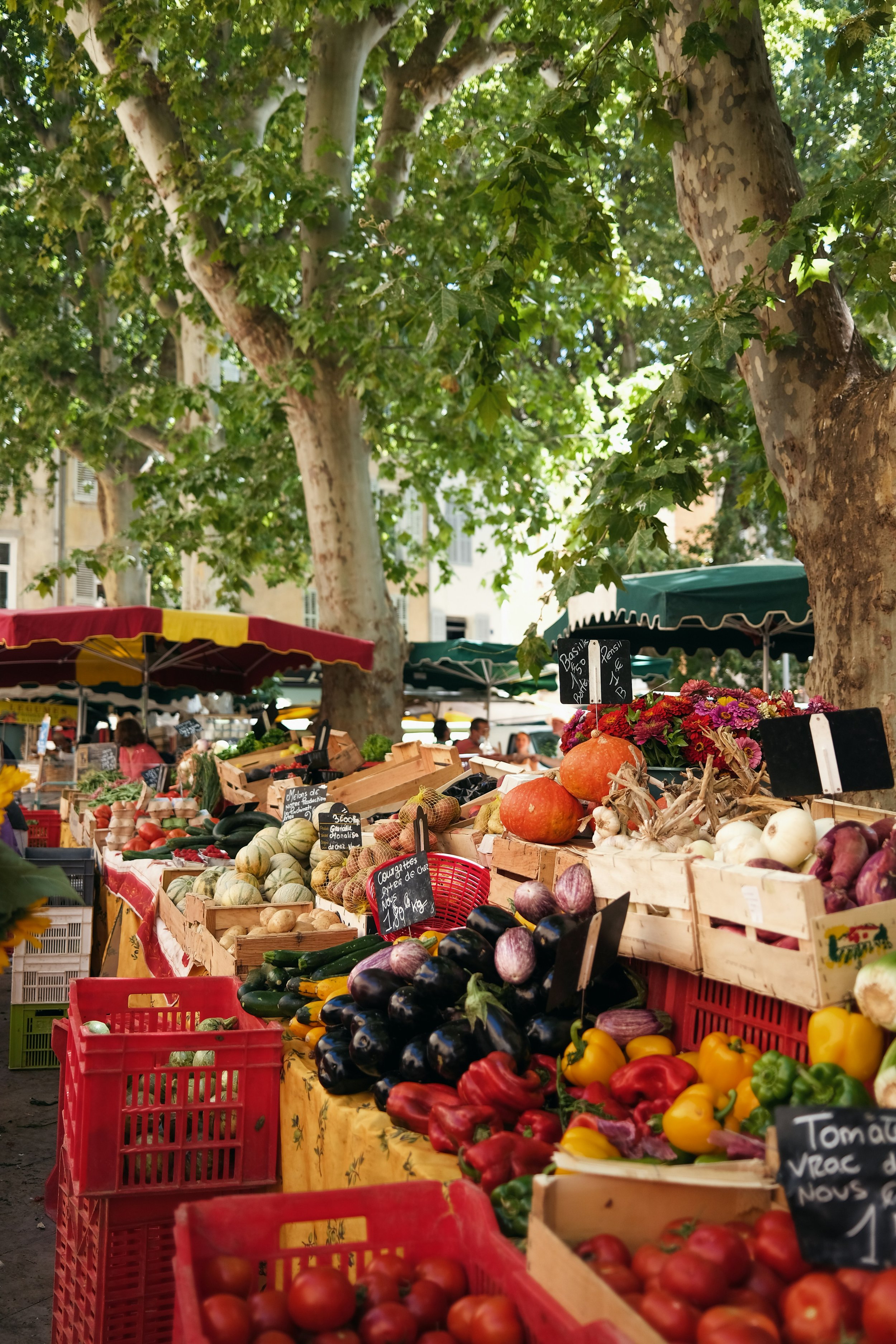
The cities, of course, offer another kind of beauty. What I’ve always liked about French cities is that even when they are grand, they are rarely only about display. They are meant to be used. Squares are crossed, not just admired. Riverbanks are walked. Parks are occupied. Cafés spill into the street as if they were a natural extension of home. In many French cities, beauty feels public, shared, and woven into the pattern of ordinary life.
Paris: A City Meant to Be Lived
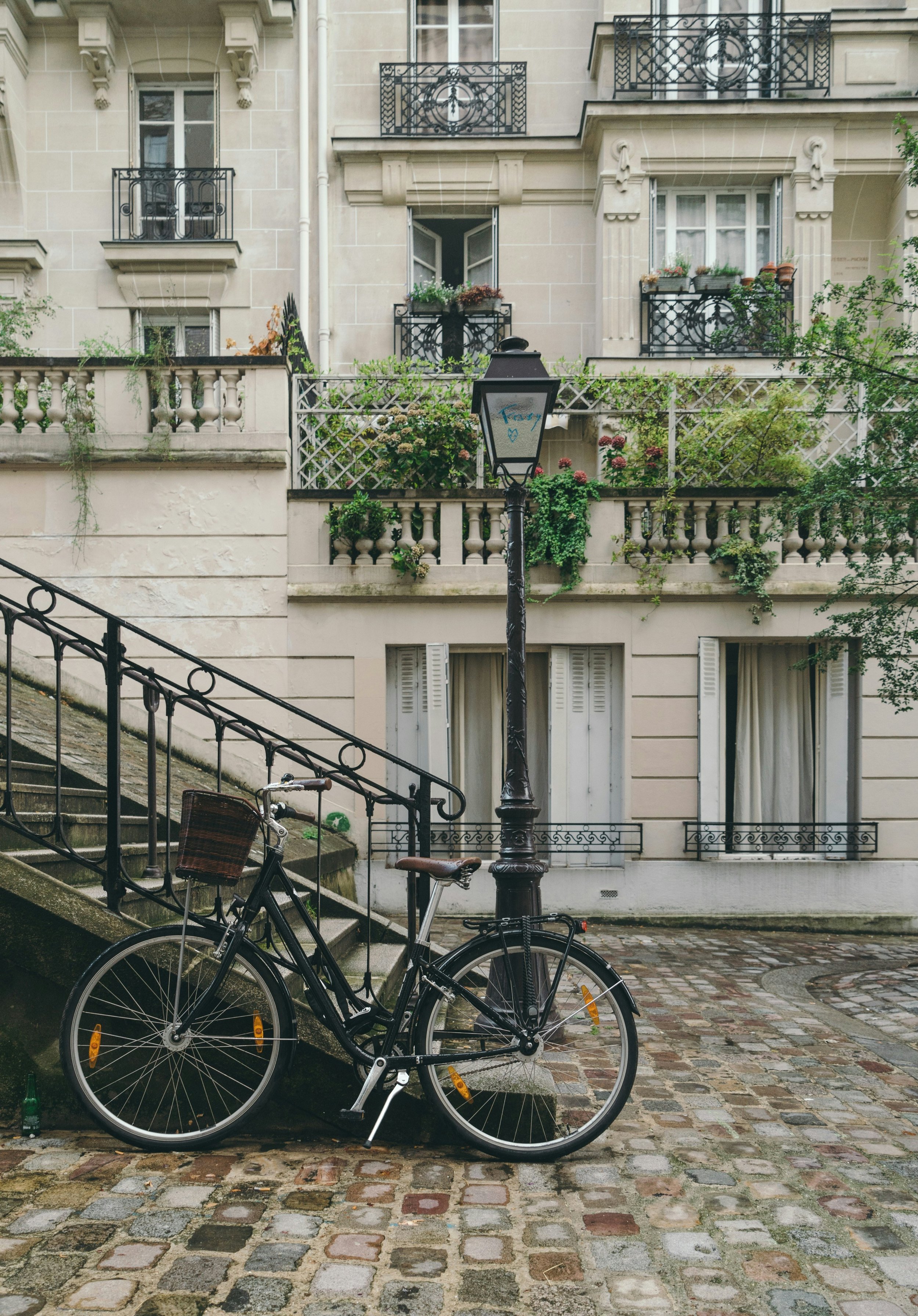
Paris is where many of these ideas come together most vividly. Living in Île-de-France means seeing Paris not only as a famous city, but as part of the rhythm of the region—a place people move into and out of every day for work, study, errands, culture, and all the rest of ordinary life.
That perspective makes Paris more interesting to me, not less. It is so photographed and written about that it risks becoming a little flat in the imagination. But it feels layered, busy, contradictory, and very much alive.
What I still find moving about Paris is that its beauty lives alongside everything else: commuting, shopping, school runs, work, rent, errands, impatience, pleasure. People hurry, linger, argue, laugh, carry groceries, wait for trains, meet friends. The city is beautiful, yes, but it is also fully lived in, and I think that is what keeps it honest.
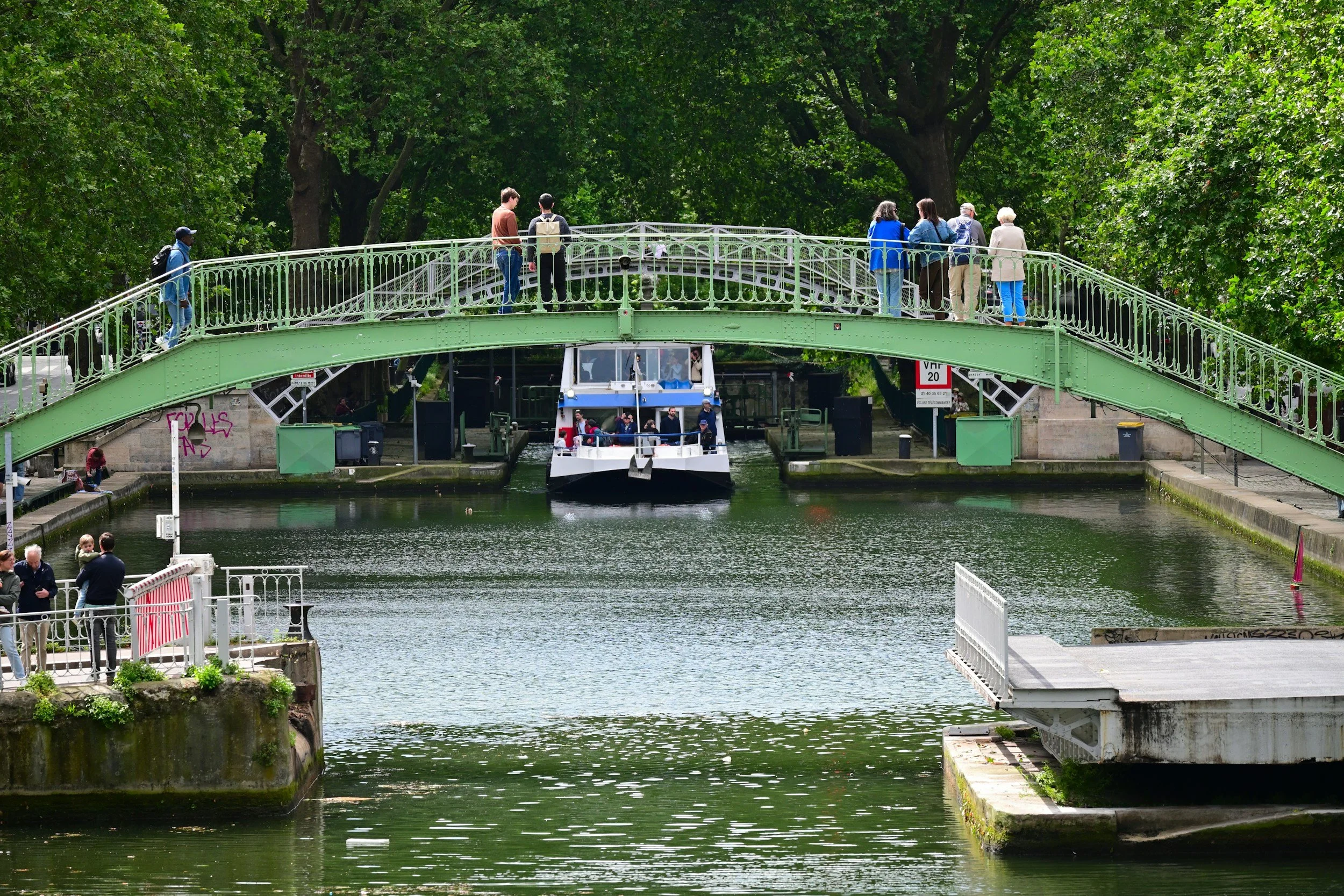
I always come back to the Seine when I try to explain Paris, because the river seems to hold so much of the city’s character. It doesn’t just divide Paris; it gives it rhythm. Along the quays, the city can feel monumental and intimate at the same time. The facades have that unmistakable Parisian harmony—stone, proportion, restraint—but life below them remains wonderfully casual. Someone is reading by the water, someone is running, someone is eating a sandwich, someone is simply on their way somewhere else. Paris holds elegance and looseness together, and that balance is part of its charm.
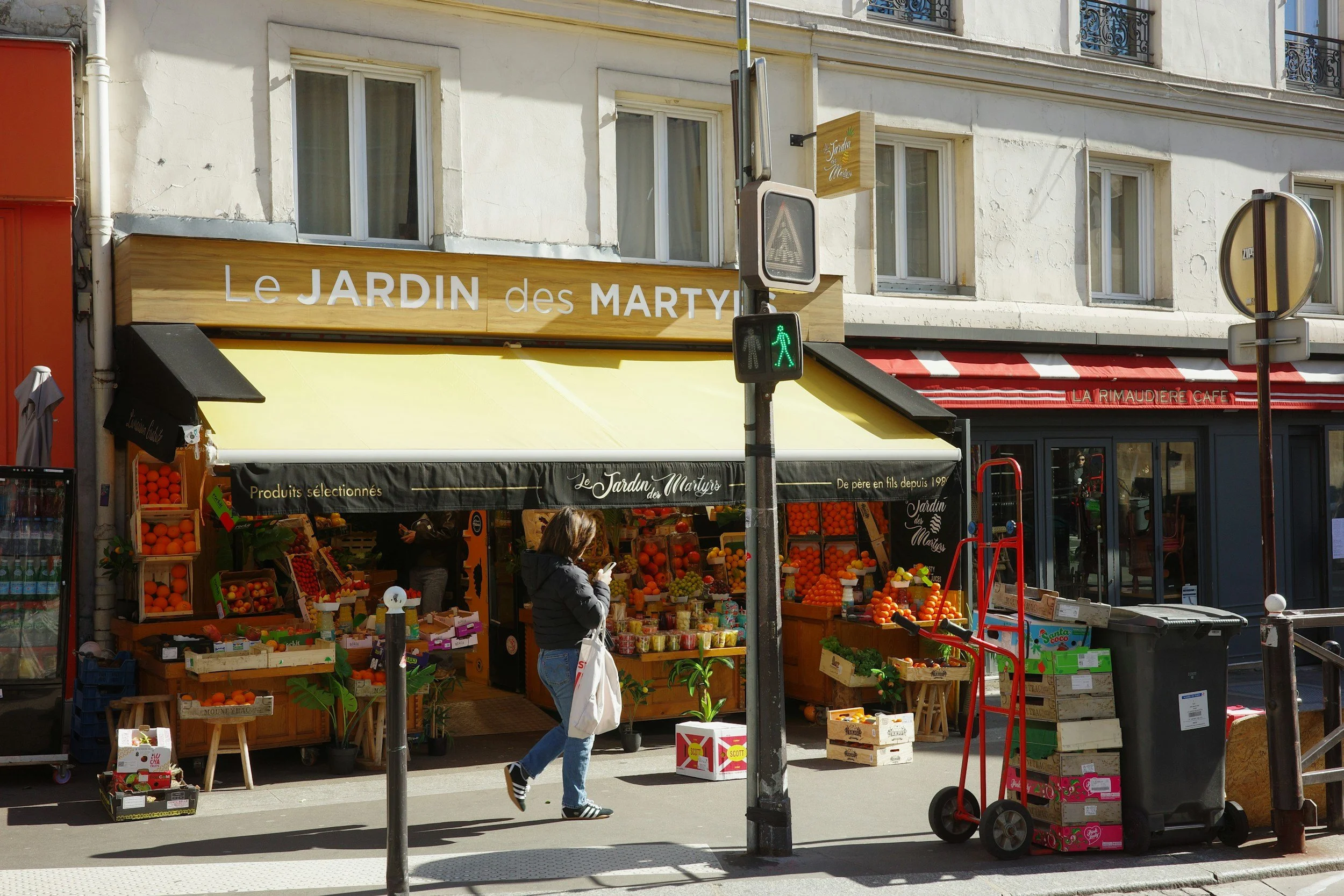
What makes Paris so endlessly photogenic, though, is often not the landmark view but the neighborhood one. A florist arranging buckets outside, a wine shop catching the late light, a small café at the corner, a market stall being packed up, children crossing a square after school, a waiter wiping down the terrace in the evening—these are the scenes that stay with me. Paris is full of moments that feel cinematic without ever looking staged.
Life in Île-de-France Beyond Paris
Still, Paris makes the most sense when you think of it as part of Île-de-France, the region that surrounds it and quietly explains so much about it. Living here makes that hard to ignore.
Île-de-France is a region of movement and contrast: dense neighborhoods, business districts, royal towns, suburbs, farmland, forests, market streets, ring roads, school gates, apartment blocks, and sudden flashes of old France where you least expect them. It is metropolitan, certainly, but also deeply local. That is one of the reasons I find it so compelling.
It is not merely the backdrop to Paris. It is one of the clearest expressions of contemporary France: busy, layered, ordinary, beautiful in ways that are not always obvious at first glance.
What living here has shown me is that Île-de-France broadens the idea of what beauty can be. It is not always the grand view or the famous monument. Sometimes it is a suburban market under a covered hall, a line of trees along an avenue, a train platform at the edge of town, a family picnic in a park, someone carrying flowers home. The region contains extraordinary places, of course, but it also contains the beauty of ordinary life, and sometimes that says more about France than any palace ever could.
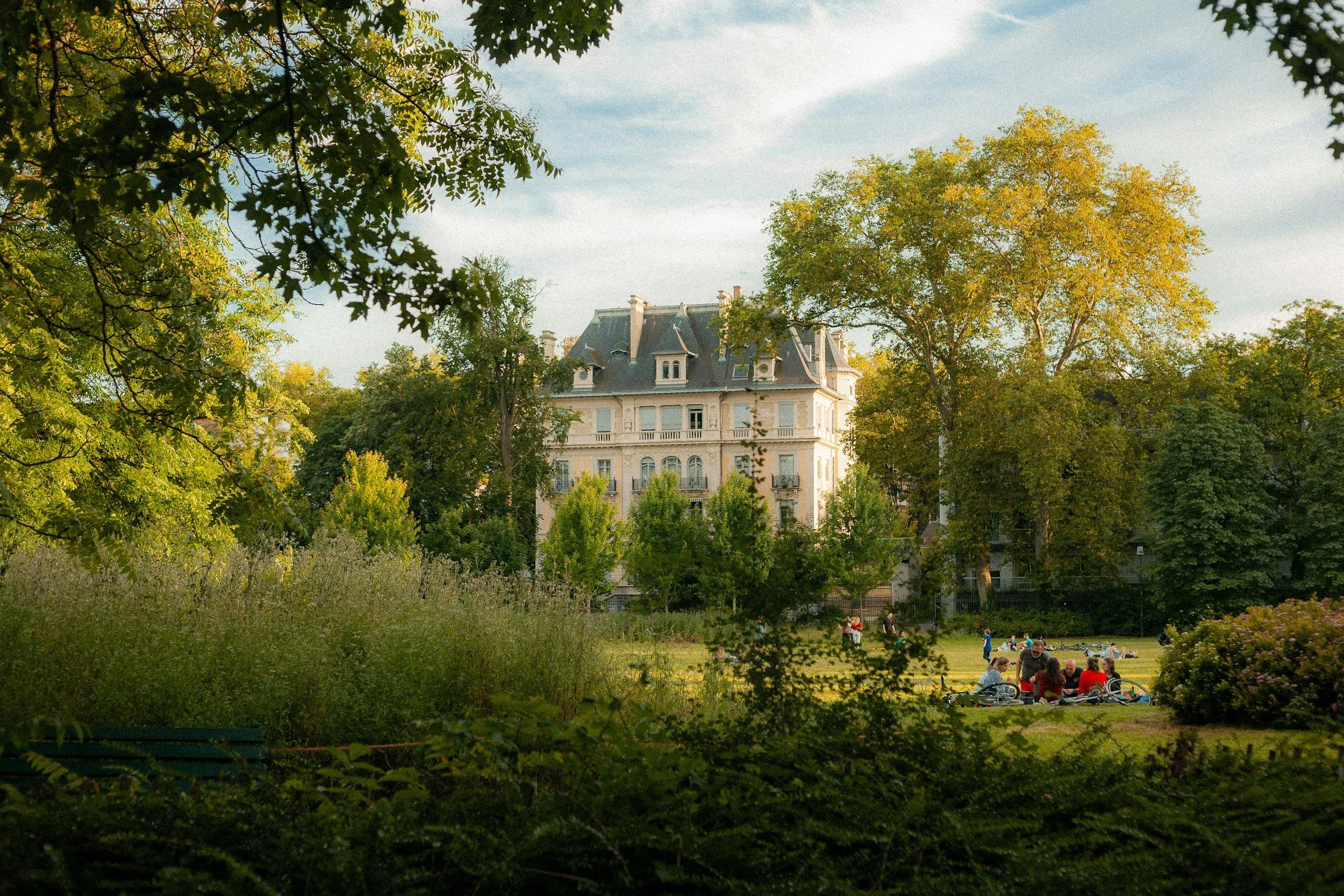
There is also something very modern about life in Île-de-France. Millions of people move through it each day for work, school, family, culture, and simple necessity, and yet so much of life remains rooted in local habit. Someone commutes into Paris and returns at night to a quieter suburb with a bakery, a school, and a market square that gives shape to the week. Someone else lives near woodland and still feels entirely connected to the capital. That tension between movement and rootedness is part of what gives the region its depth.
Seen from here, Paris becomes even more interesting. It is not only a destination, but a center of gravity, drawing people in and sending them back out again, gathering ambition and fatigue, pleasure and pressure, elegance and disorder. That may be one reason the city remains so alive in people’s minds: it never tries to simplify itself. It can be romantic, practical, impatient, expensive, crowded, bureaucratic, and funny, sometimes all in the same afternoon. And somehow that complexity only makes it more human.
The Beauty of Everyday France
Across France as a whole, what stays with me is the meeting of grandeur and nearness. A cathedral square opens onto a side street with laundry in the window. A grand museum is followed by an ordinary but memorable lunch. A formal garden sits not far from a village market or a commuter rail line. Repeatedly, France seems to suggest that beauty is not separate from life but built into it where people can manage it—sometimes carefully, sometimes casually, but often very convincingly.
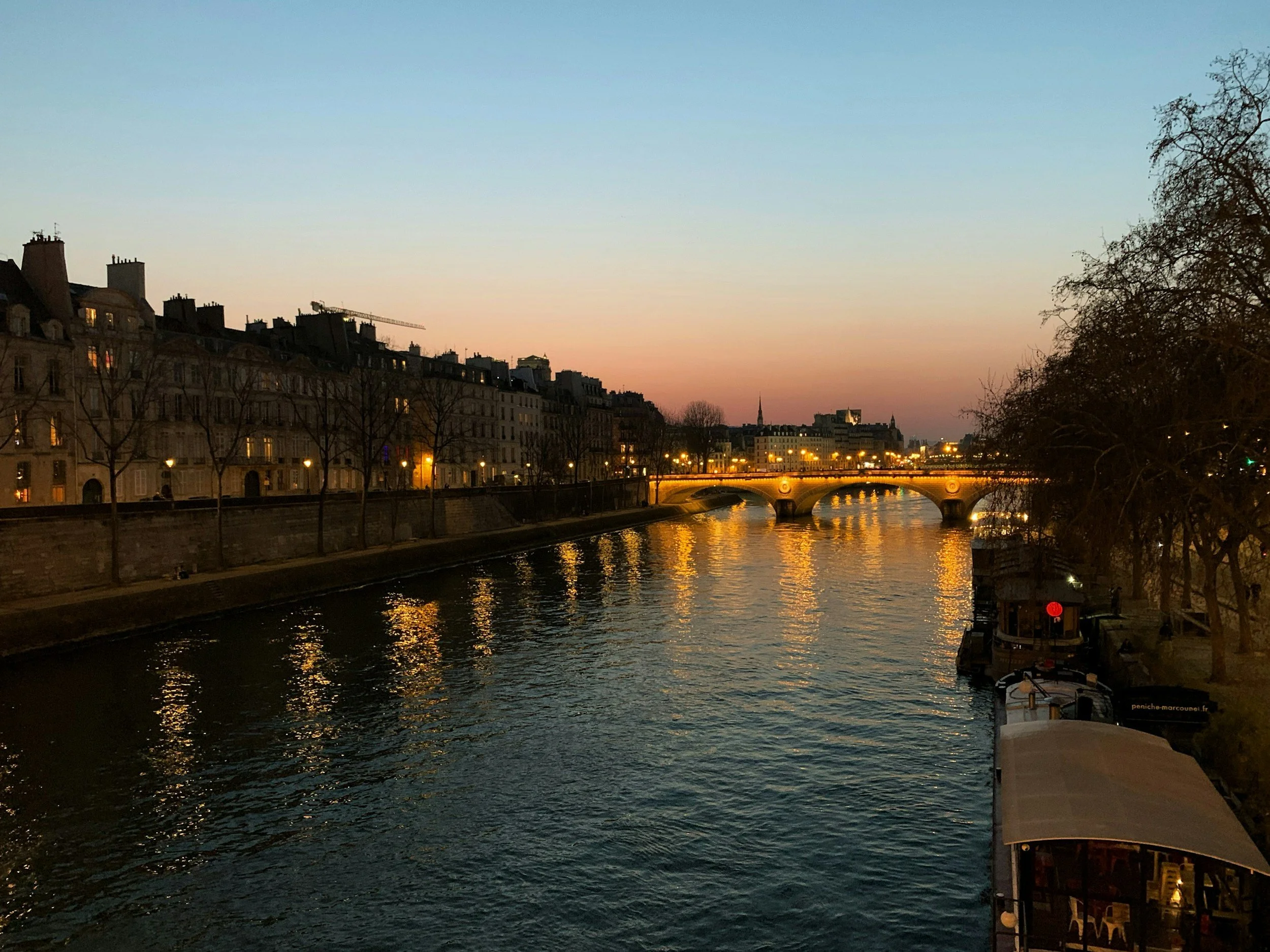
That, in the end, is why France continues to feel so dear to me. Not only because it is beautiful, though of course it is, and not only because it offers scene after scene that seems made for photographs. It stays with me because it rewards attention. It asks you to notice the bend of a river, the order of a market stall, the geometry of rooftops, the shade of trees on stone, the way people gather in public space, the small grace of a café table in late afternoon. Living in Île-de-France has only deepened that feeling. It has made France seem less like a collection of lovely images and more like a place where beauty, when you are lucky enough to live close to it, quietly becomes part of everyday life.