
The Last Stop - A Closing Thought From Between Stations Magazine
A Sense of Wonder
A Sense of Wonder
"A sense of wonder is the mind's way of reminding you that the world is bigger than your plans."
Think back to when you were a kid for a second. I bet you had some pretty big, wild plans. Not really about what you wanted to be when you grew up, but what you wanted to do. Fly a jet. Climb a mountain. Race a fast car. Go to space, even. Or maybe your version was a little quieter — sailing across the ocean, biking across the whole state, or just landing somewhere far away and completely new. Whatever it was, there were no limits on it. No budget, no logistics, no "but how would that even work." Looking back, honestly, that was a great headspace to live in.
When Wonder Gets Buried
And then... we grow up. And somehow that sense of wonder just gets buried under everything else — work, bills, deadlines, all the little responsibilities that pile up day after day. You don't even notice it happening. One day you look up and adulting has basically taken the wheel. "It's gonna happen" turns into "one day it'll happen," and then eventually just kind of fades into "one day... maybe." Nobody decides to let go of that wonder. It just gets crowded out, a little at a time.
And look, that makes sense. When life gets full, you focus on what's right in front of you, because it matters. We build careers, buy homes, raise families, take care of the people we love. A lot of us are genuinely happy living that life. But here's the thing — that sense of wonder, those dreams you had as a kid? They never actually left. They're still in there somewhere, kind of jumping up and down, waving their arms, trying to get your attention. That curiosity, that itch to go see or try something new — it didn't disappear. It's just resting. Waiting for you to give it a little nudge. And the fact that it's still there tells you something: you've still got what it takes to go after it, in whatever shape makes sense for your life now.
Finding Wonder Again
Maybe you can't climb Everest — but you can find a trail near you and fall in love with hiking. Maybe race cars aren't happening — but a road trip with no real plan can scratch that same itch. Maybe space is off the table — but you could join a stargazing group and finally learn what you're looking at up there. And hey, if some of those bigger dreams are still within reach, go for it. If new ones have taken their place along the way, that's great too. This is your story, and whatever you're chasing — big or small — it's worth going after. So, take that first step. Or if you've already started, just take the next one.
Whatever else happens, try not to let go of your sense of wonder. It's one of the things that reminds you you're really here, really living — still curious, still able to be surprised by the world. Life will try to convince you that wonder is something you outgrow, something for kids. Don't buy into that.
It never left you, you know. It's just been sitting quietly in the back of the room this whole time, waiting for you to notice. So go say hi. Tap it on the shoulder like you're catching up with an old friend. Don't be surprised if it lights up the second it sees you — it's been waiting a long time for this.
As always, slow down, look around, and enjoy the journey…between stations.
The Last Stop - A Closing Thought From Between Stations Magazine
The Quiet Art of Paying Attention
The Quiet Art of Paying Attention
Life is short. Not in some dark, heavy, regret-filled way—nothing like that. In the plain, honest way we all kind of know, even if we don’t stop and think about it very often. We’re not here forever. And yeah, that can feel a little sobering, but there’s something strangely comforting about it too. It reminds us that our days matter. The length of the road may not be ours to choose, but there is still some say in how it’s traveled.
Living With Intention
Life is meant to be lived on purpose. Not perfectly, and not dramatically—just fully. Sometimes we act like living only really counts when we’re doing something big or exciting or impressive. But honestly, so much of life is tucked into the smaller things. It’s in noticing where you are, paying attention to the people around you, and being present instead of just flying through the day on autopilot. That sounds simple, and maybe it is, but it’s also the kind of simple thing we forget all the time.
Of course, real life gets busy. Work pulls at us. School pulls at us. Responsibilities, deadlines, errands, worries—all the little daily things pile up fast. There’s almost always something asking for attention. That part doesn’t really go away. But even in the middle of all that, it still matters to make a little room for quiet. A few quiet minutes. A deep breath. A walk outside. A good laugh. A conversation that brings something familiar back. Whatever offers even a little peace or joy or wonder is worth holding on to.
Finding Meaning in Ordinary Moments
Those moments might look small, but they really aren’t. They’re part of what makes a life feel full and meaningful. They’re the moments that make you smile without even trying. The ones that make you laugh from deep down. The ones that stop you in your tracks for a second and make you think, wow, this is beautiful. We need those moments. Not as some extra bonus, but as a reminder that life is happening right now—not someday, when everything finally settles down or falls into place.
So, it helps to slow down when possible. To look around a little more. To notice the light, the sky, the sound of the wind, the people you love, the tiny things that make a life feel like its own. To take a breath. To enjoy something without feeling like it must be earned first. To simply be where the moment is. In those small, ordinary moments, time isn’t being wasted—it’s being lived. And maybe that’s really the heart of it all: life is meant to be lived, and living takes intention. Not fanfare. Not perfection. Just a willingness to show up, one moment at a time.
In the end, a good life isn’t built only out of the big moments—it’s built in the small ones we choose to notice.
As always, slow down, look around, and enjoy the journey…between stations.
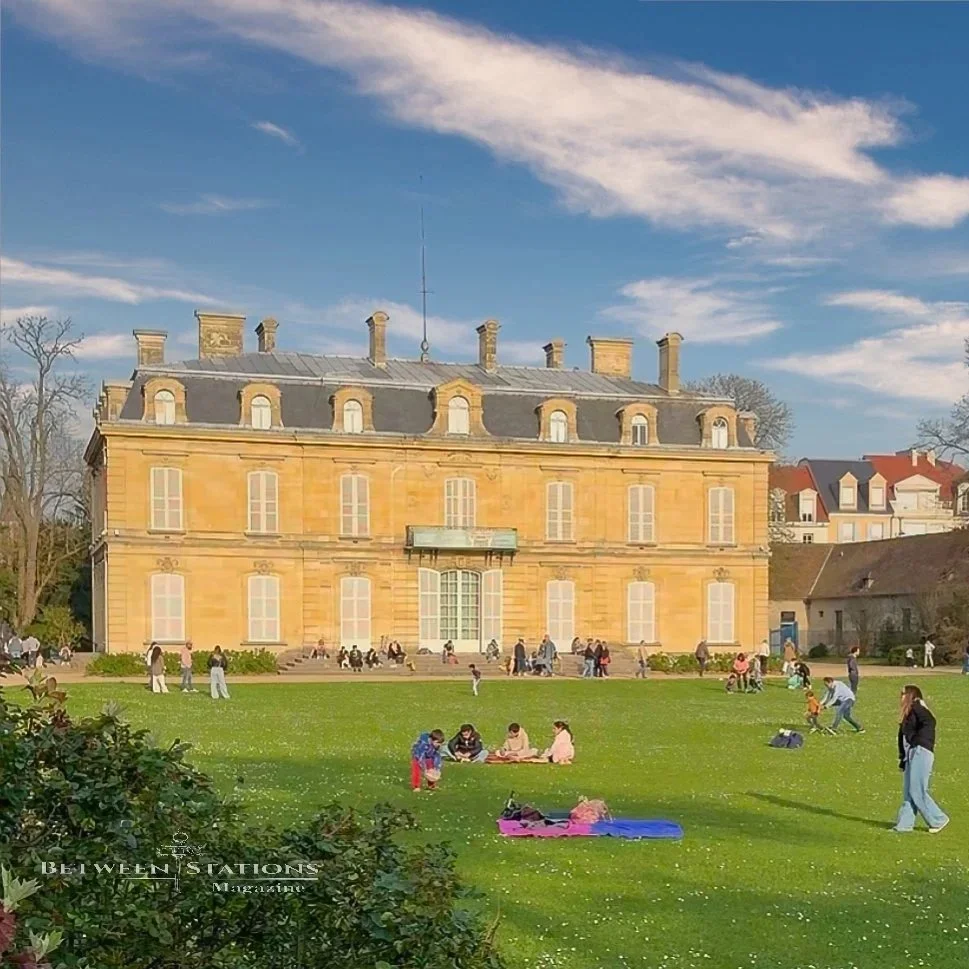
July Random Walk: Parc de Bois-Préau Rueil-Malmaison, France
A beautiful walk in an equally beautiful park.
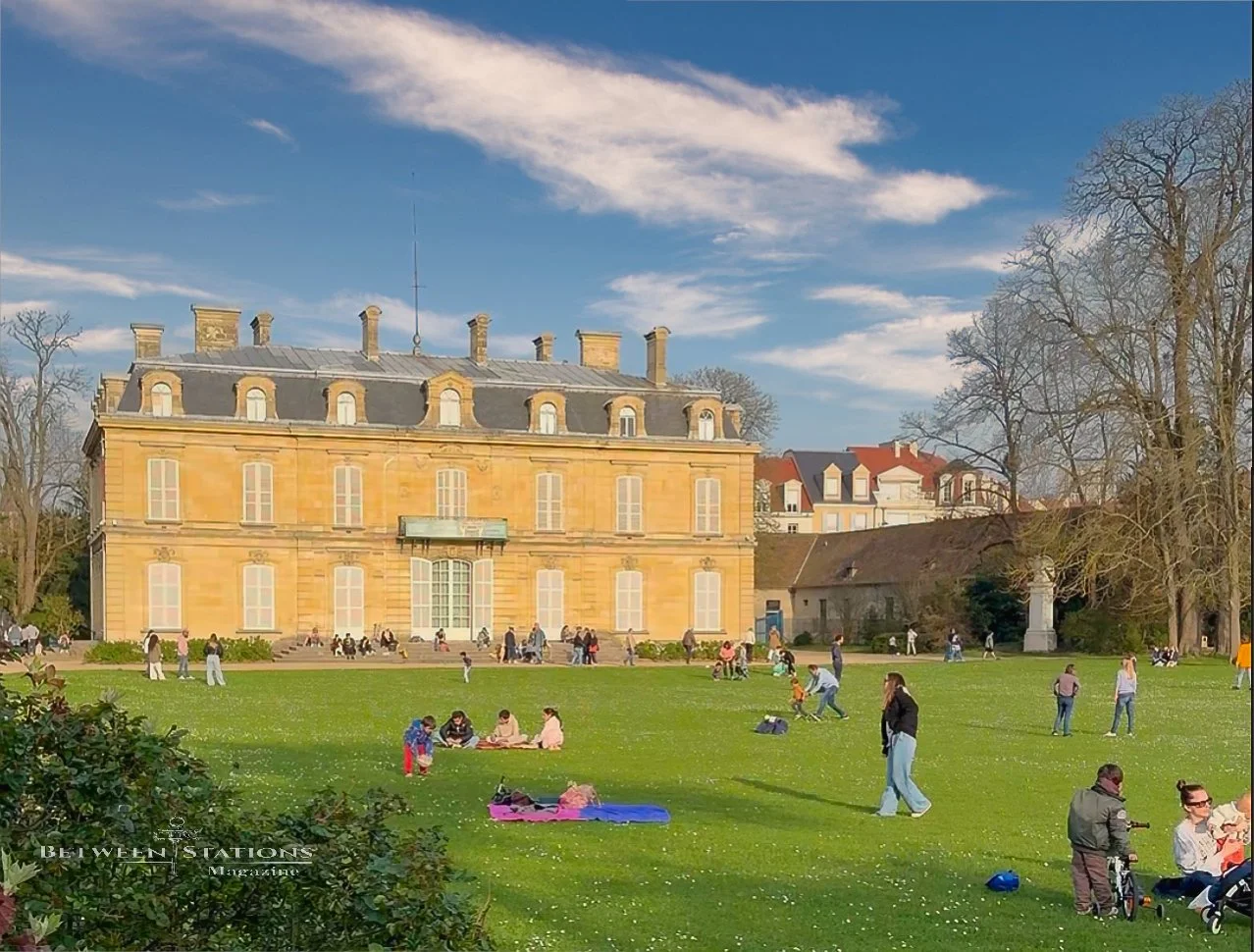
The random walk for this issue is less of a random walk and more of a destination. In the spirit of our introduction to Rueil-Malmaison, that destination is Parc de Bois-Préau.
Discovering Parc de Bois-Préau
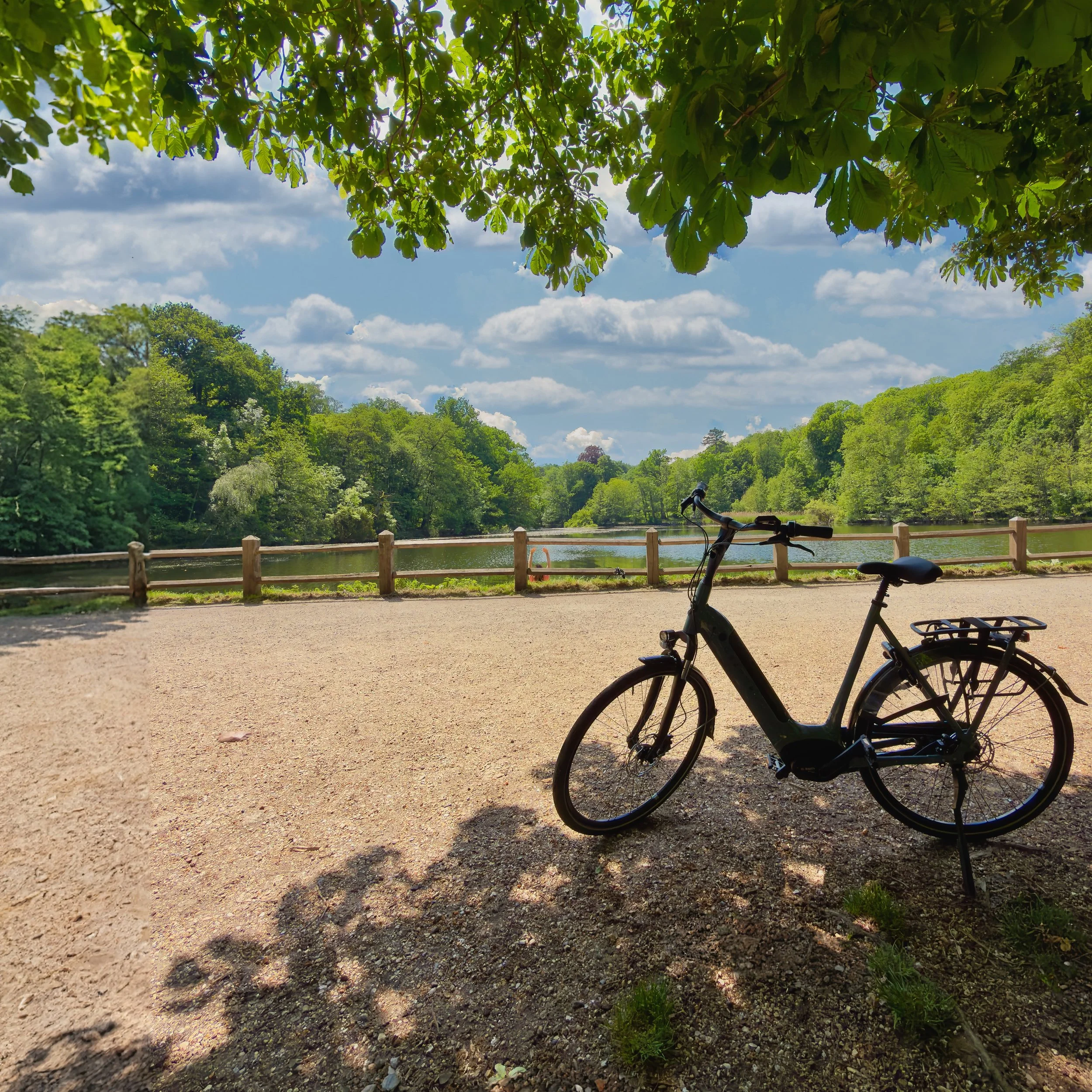
Parc de Bois-Préau is a beautiful, sprawling 42-acre English-style garden featuring generous grassy open spaces, ponds, a lush forest of century-old trees, and the former home of Joséphine, Château de Bois-Préau. The park is located less than a five-minute walk from the church square in Rueil. It is a perfect city retreat for walking, jogging, picnics, and family outings, complete with stroller-friendly paths and children's play areas. Benches are scattered throughout the grounds, offering places to relax, read, people-watch, or simply soak up the sun. The park shines in its inviting simplicity and quiet charm.
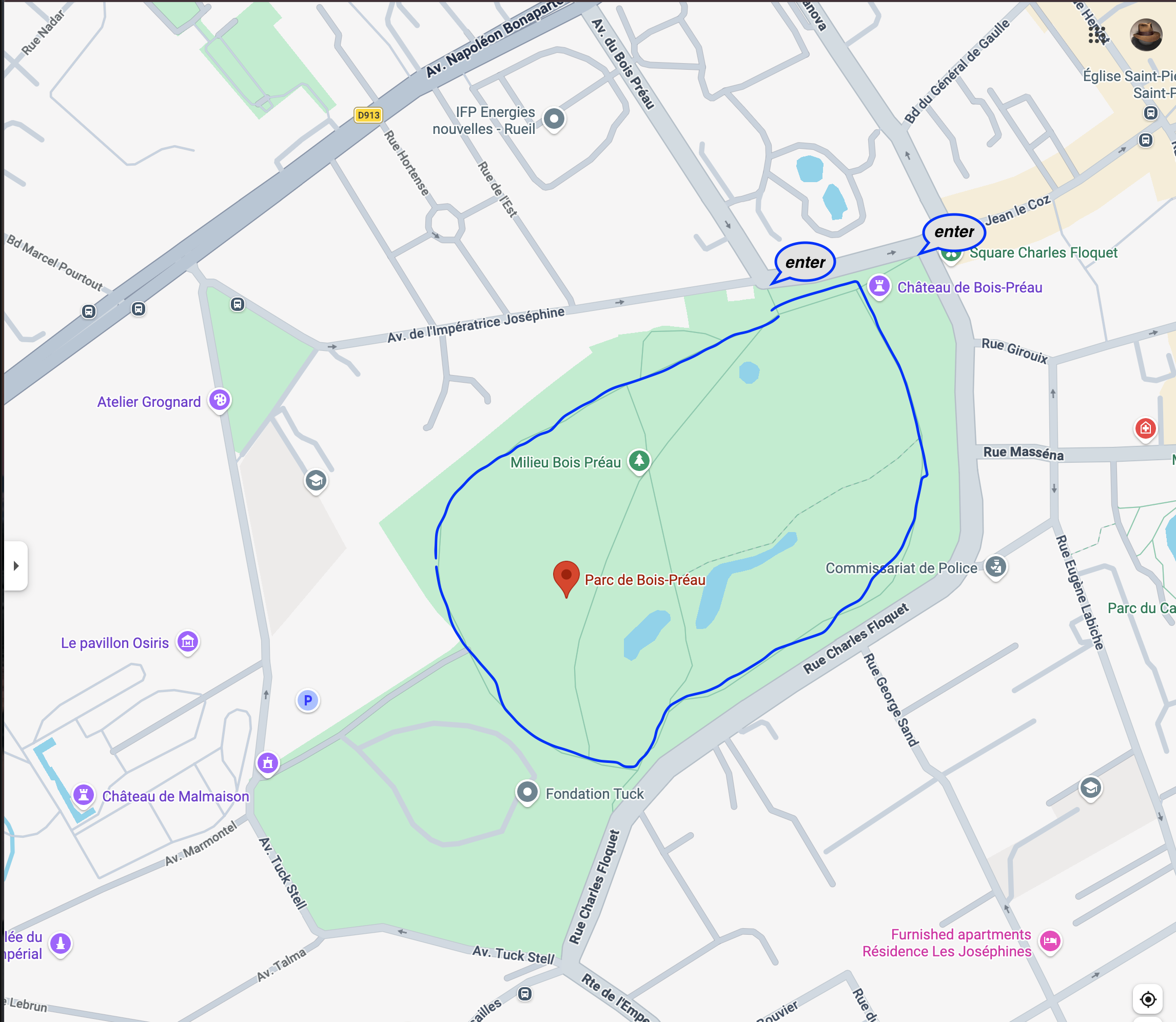
Map of park showing entrances and outline of loop walking path (blue line)
A Peaceful Walk Through History and Nature
Of course, taking a wonderful walk here is part of the experience. The paths are a mix of paved and gravel surfaces in the open areas, with dirt and timber trails winding through the heavenly wooded sections. The outer perimeter, or "big loop," is approximately one mile long and takes about 15 to 20 minutes at a casual pace.
What makes walking in this park so special is not only the peace and tranquility, but also the simple beauty that surrounds you. The towering trees, hidden paths, and secluded corners all seem to invite further exploration. Before long, what began as a short stroll often turns into a second trip around the loop.
A Quiet Escape in Rueil-Malmaison
It is this combination of simplicity, serenity, and natural beauty that makes Parc de Bois-Préau one of my favorite parks in the region.
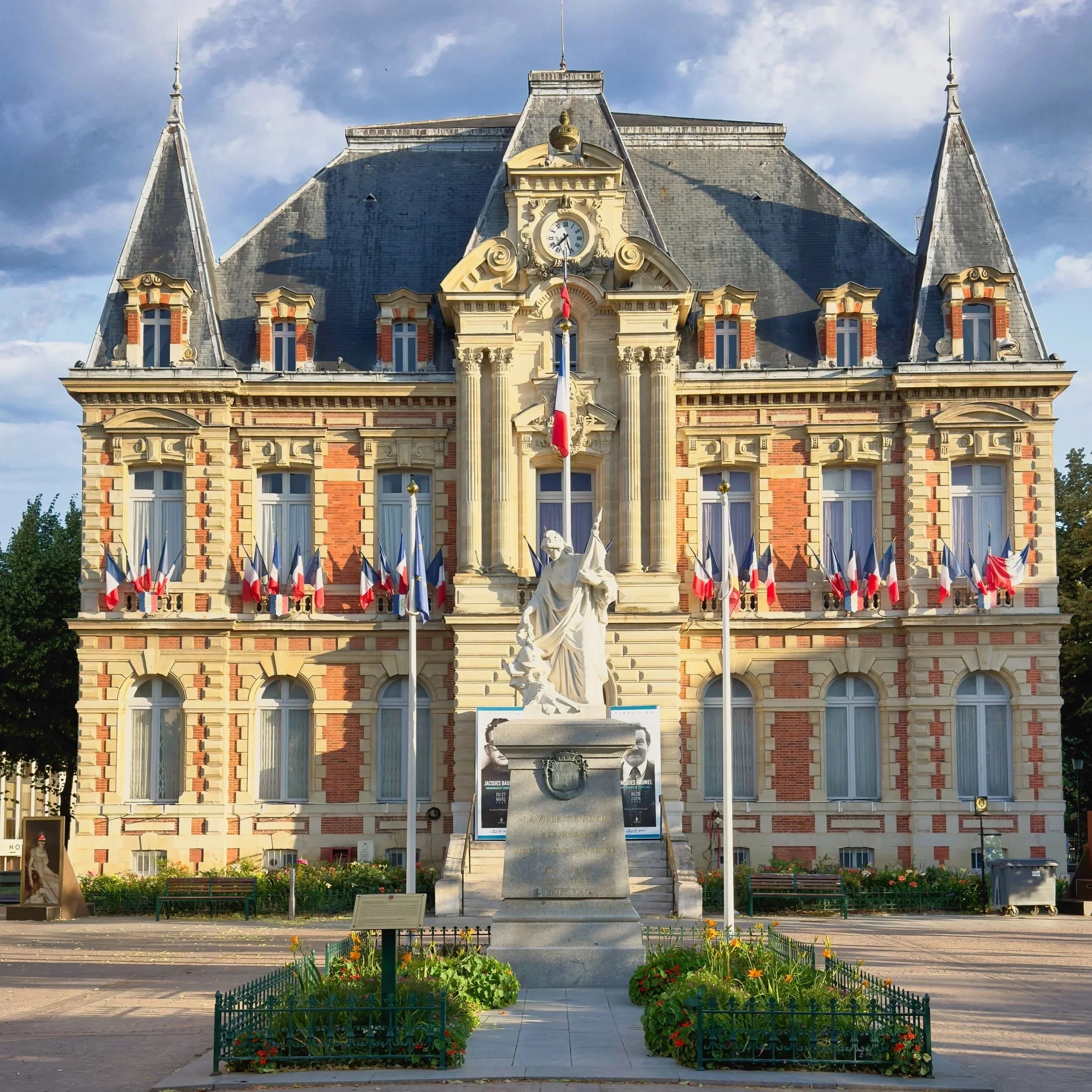
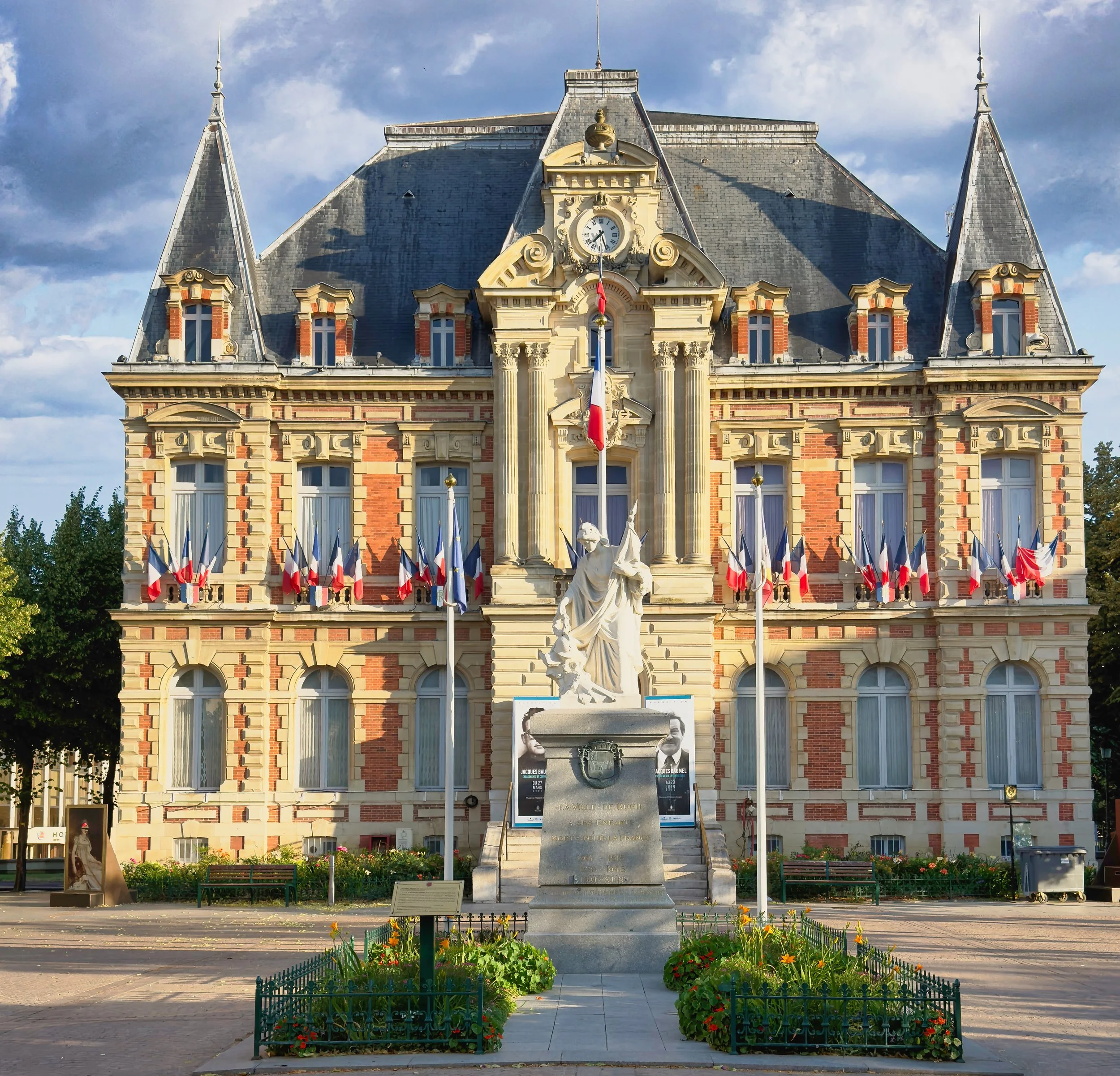
Rueil-Malmaison: Beyond Napoleon and Josephine
Rueil-Malmaison…A city built for Napoleon and Josephine, but now one for the people.
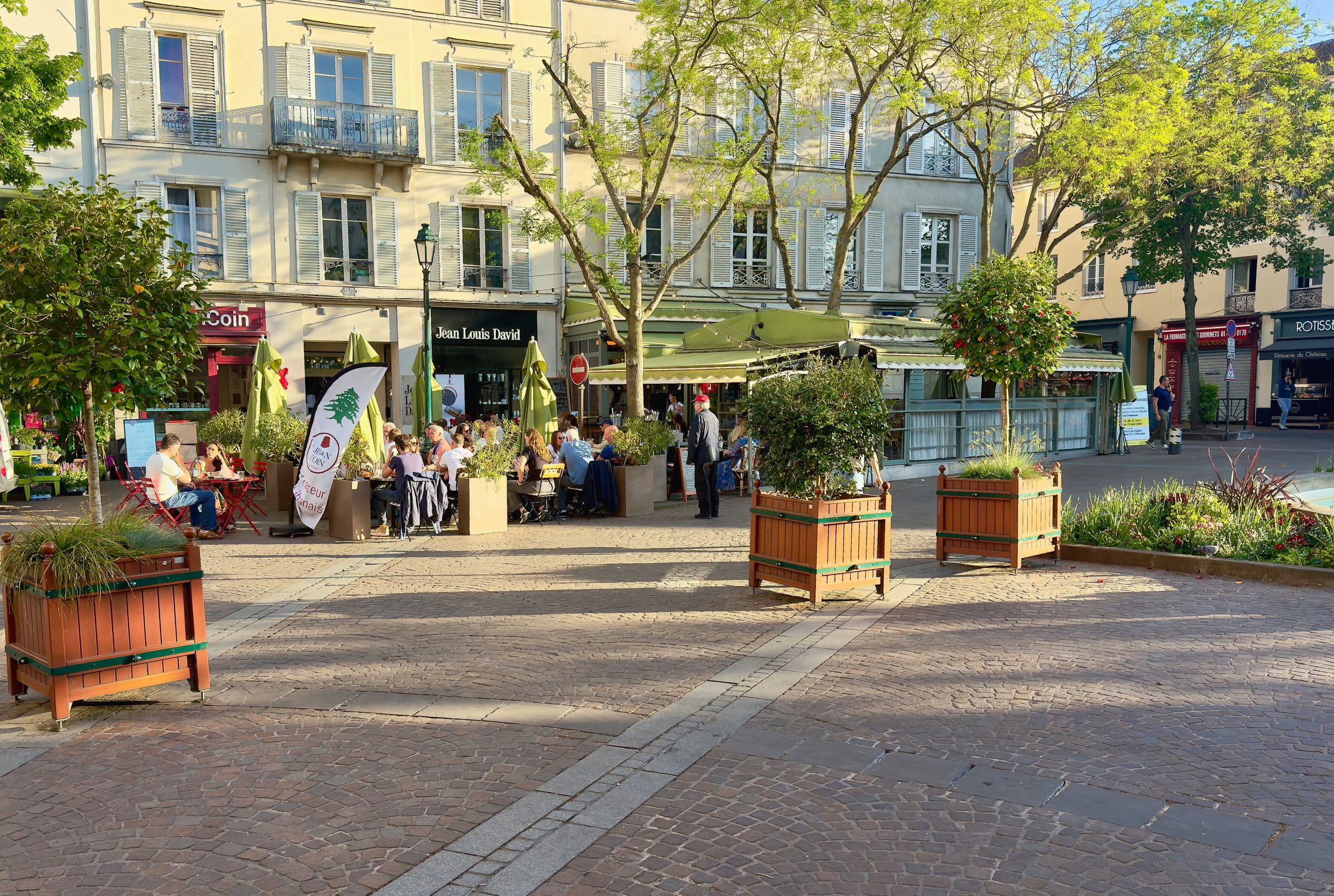
If I were describing Rueil-Malmaison to a friend, I wouldn’t begin with dates or dynasties. I’d probably start with the feeling of the place. It is a town just 30 minutes outside Paris that feels friendly, green, and inviting. It’s historic without feeling stuffy, and lively without being loud. You quickly get the sense that this is a place where people really live and work. They buy bread, meet friends on terraces, sit in the square and wander through the market. Parents carry their children on cargo bikes, guide them along on scooters, and walk the streets with the ease of people who know the place well.
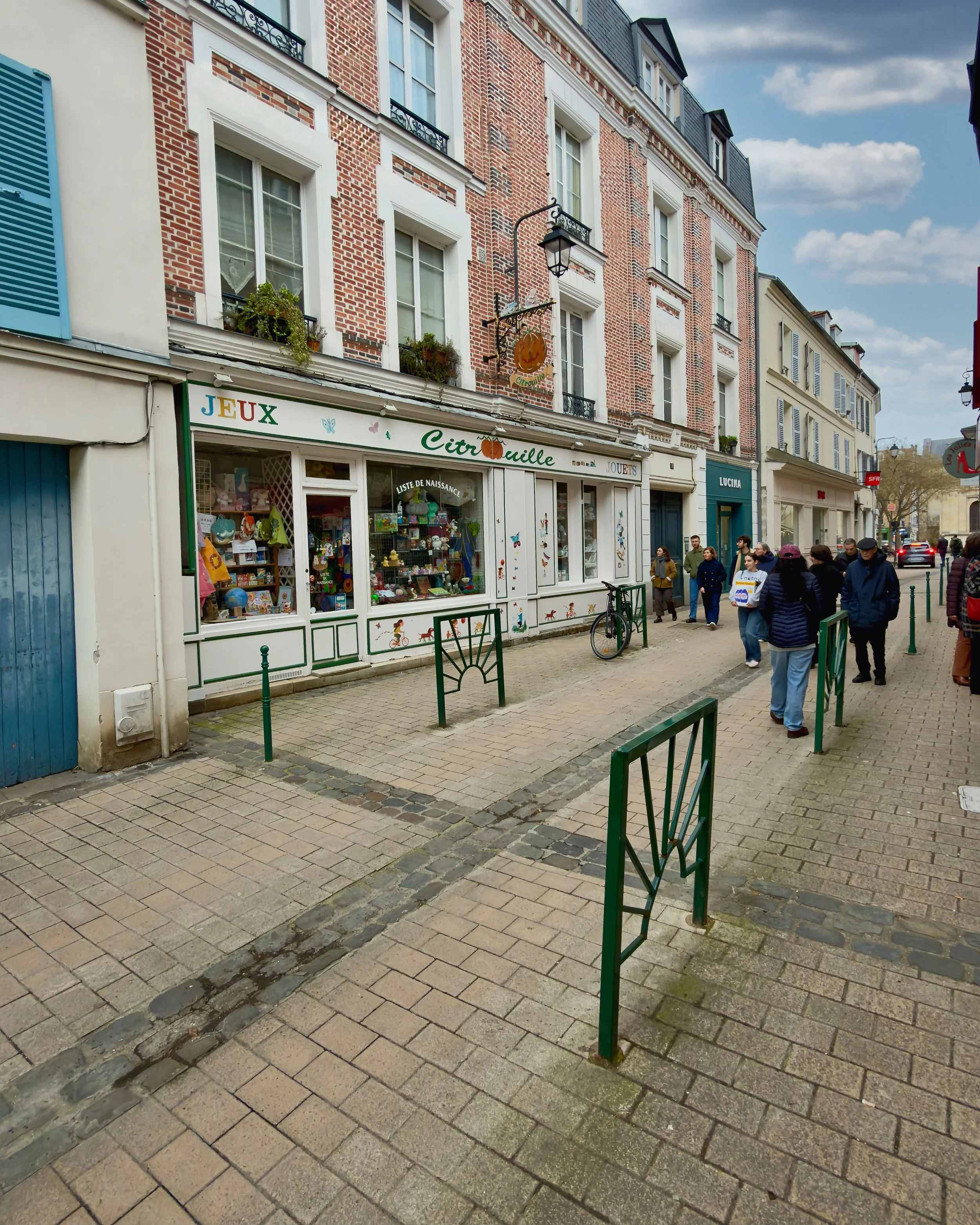
A Place That Feels Lived In
Of course, the name most people recognize here is Malmaison, and with it, Napoleon and Joséphine. But what stays with me more than the history itself is the way their presence still lingers in a softer, more human way. Despite its grand pedigree, Rueil feels like a place where history has settled into the background and become part of the landscape. Important, yes, but not the only thing that makes the city special. The château matters, certainly, but so do the gardens, the paths, the quiet rhythm of life and the people who call it home.
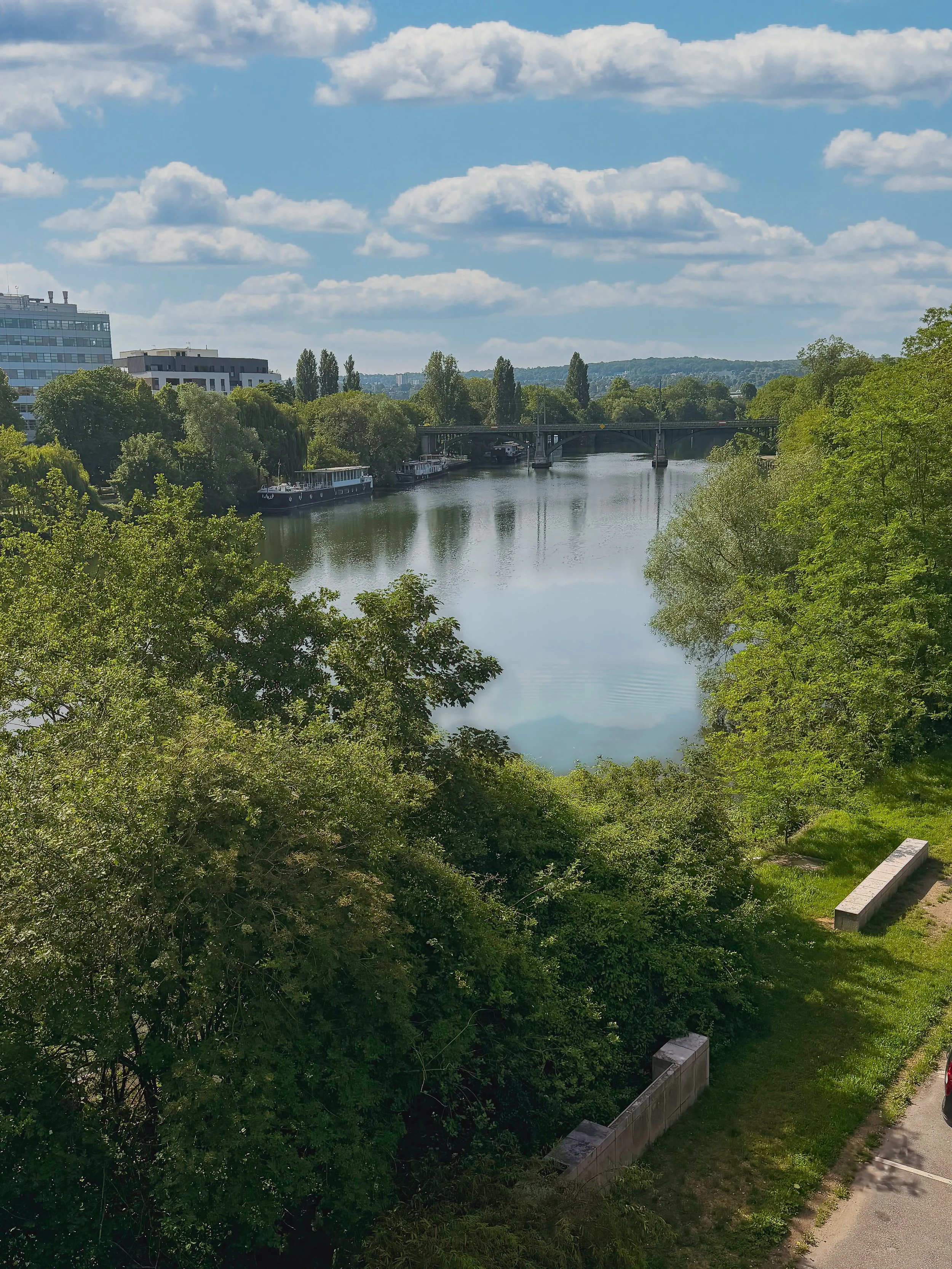
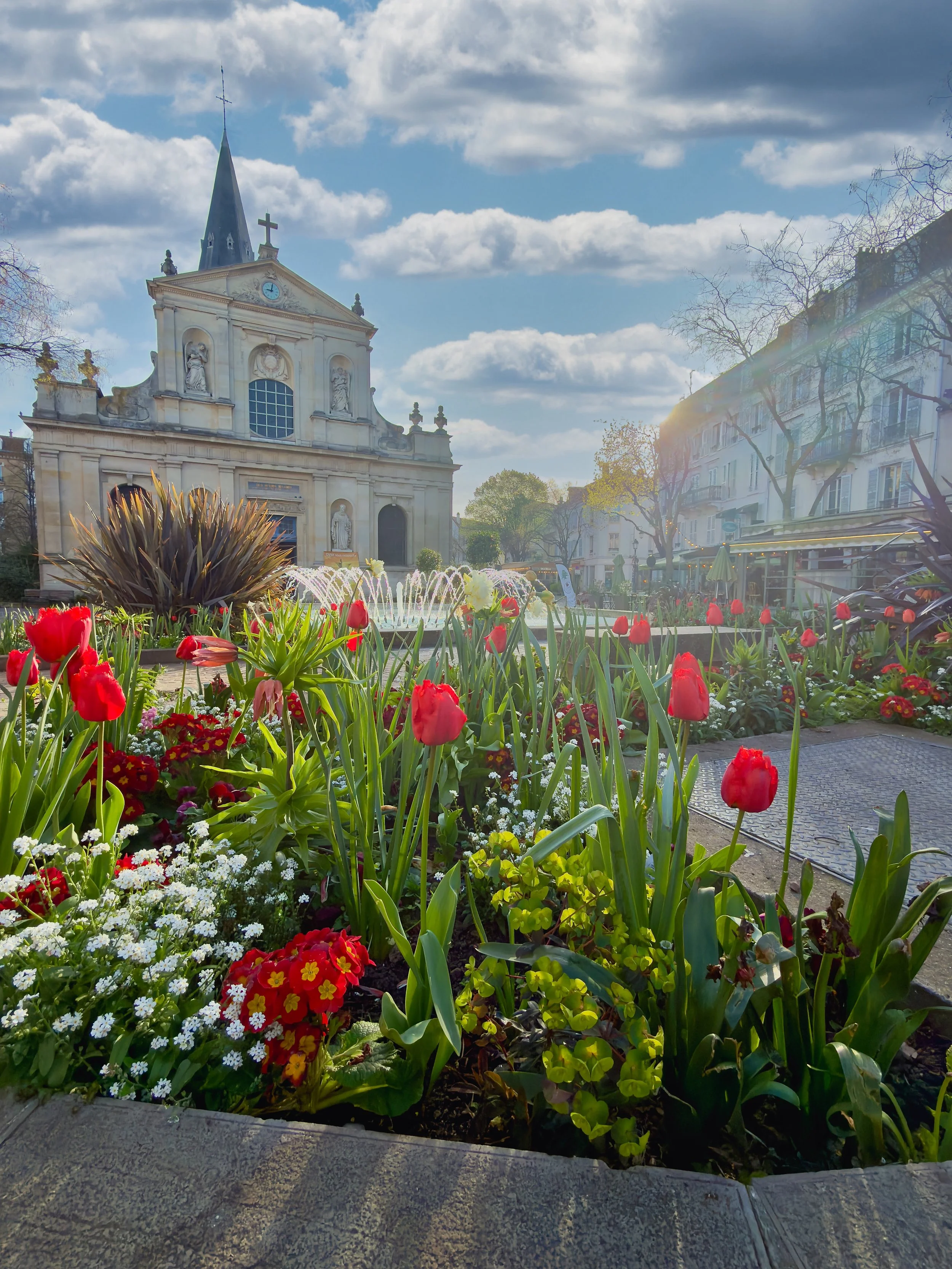
What makes Rueil-Malmaison appealing is the care visible in everyday life. There are shaded walks, old church squares, little streets that invite you to slow down, and parks that make the town feel open and breathable. The center has that lovely French-town energy where daily errands seem to blend into social life: someone stopping for flowers, someone else lingering over coffee, people carrying market bags, children weaving between adults in the square. It feels polished, yes, but not distant. There’s warmth in it.
Market Mornings and Small Pleasures
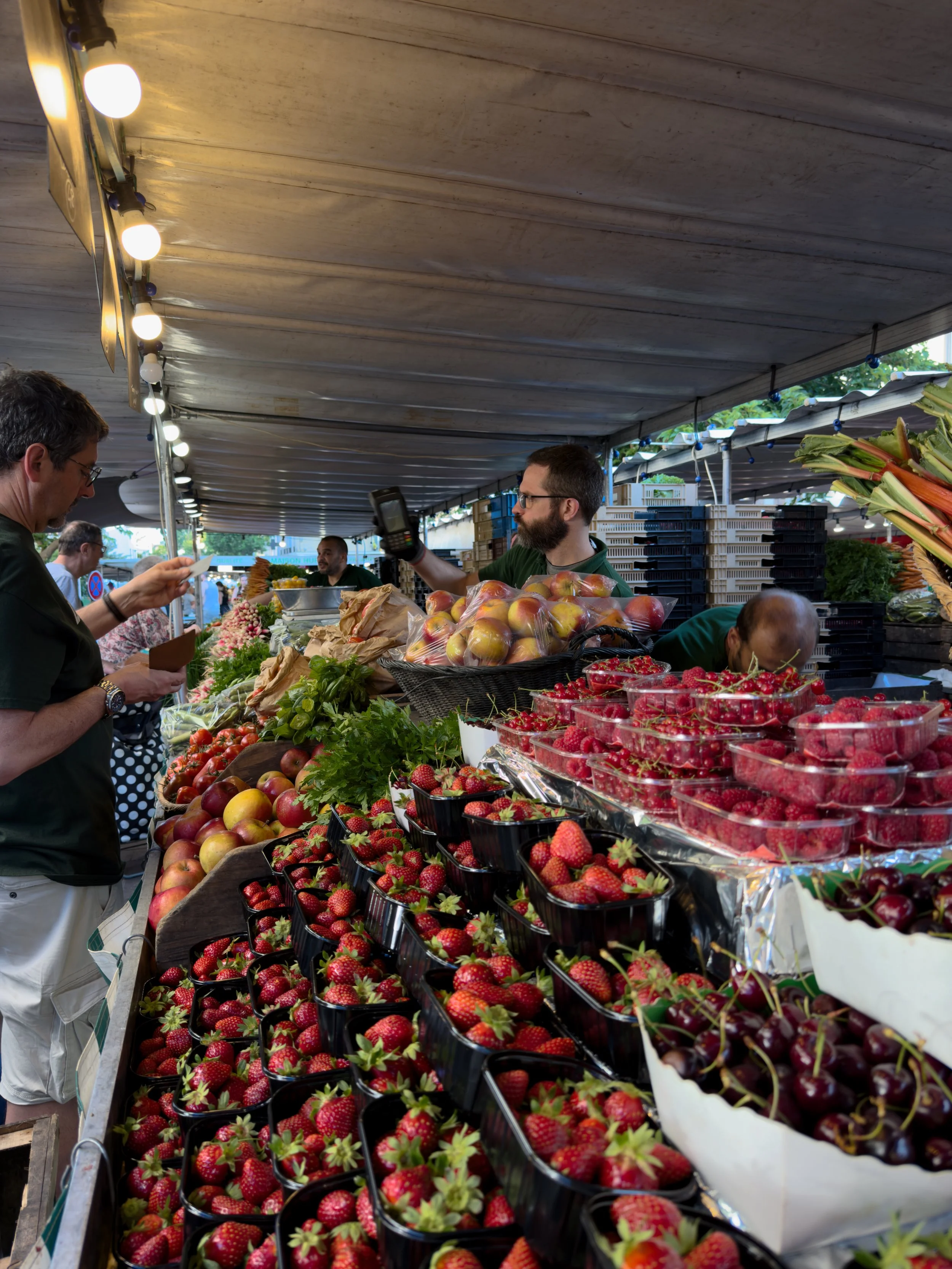
I think a lot of the city’s charm comes from that mix of refinement and ease. You can imagine spending a morning here very simply and being completely happy: coffee at a café terrace, a slow walk through the center or one of the many parks and squares, maybe grabbing a pastry you didn’t plan on buying but absolutely should have. The Saturday market in Rueil-Malmaison seems especially important to the city. It is part shopping trip, part social gathering, part treasure hunt, part neighborhood festival—all rolled into one. Hundreds of people make it part of their weekly routine, which gives it an unmistakably local feel. There’s something grounding about a place where fresh produce, flowers, conversation, and routine still shape the week.
Parks, Gardens and the Seine
Rueil has parks, wooded corners, garden spaces, and easy access to the Seine, and all that changes the mood of a place. The riverbanks bring a sense of openness, and the greener areas make the town feel gentler than many suburbs. The abundance of green space feels increasingly precious in and around the Paris region. Someone once told me that walking through Rueil’s parks, shaded streets and green spaces was like being in a painting. People here seem to understand that too and make full use of these spaces.
Culture in Everyday Life
Rueil is one of those places that never seems to ask you to choose between elegance and comfort. It offers both. You can still sense the town's history, especially around the chateaus, large parks and the historic center, but you also feel the neighborhood atmosphere of a town shaped by the people who live there. This is a city that feels genuinely lived in, but it is also a place that visitors enjoy and remember.
There is also a certain confidence in the way Rueil-Malmaison presents itself. It doesn’t need to overwhelm you. It lets the details do the work: a fountain in the square, a church façade catching the light, a shaded bench, a tree-lined street, the soft movement of people through the market, the calm pleasure of a town that knows exactly what it is. I think that is why the place feels so thoughtful. It is beautiful, but in a way that leaves room for everyday life. Nothing feels too polished to touch.
The City Beneath the Story
Napoleon and Joséphine are still part of the city’s identity, of course, but in the end, they feel almost like companions to the place rather than its entire story. Joséphine, especially, seems to make more sense here when you think of gardens, taste, and the love of cultivated beauty. Her memory fits naturally into a city that still values flowers, green spaces, and elegance in daily life. The historical connection gives Rueil-Malmaison its aura, but the people who live there now give it its warmth.
So, if I think about Rueil-Malmaison now, I don’t really think first of empire or ceremony. I think of a town with good light, green spaces, market mornings, quiet beauty, and a way of making history feel human. It seems to offer a version of French life that is both refined and relaxed—cultural, residential, elegant, and deeply livable. That, to me, is what makes it memorable. Not simply because Napoleon and Joséphine once lived there, but because the city still feels shaped by grace, routine, and a love of beauty that belongs as much to daily life as it does to history.
The Beauty of France: Finding Wonder in Everyday Life
From village squares to Paris streets and the small rituals of everyday life, France is often most beautiful when it feels most lived in.
Living in Île-de-France has taught me that France is at its most beautiful not only in its famous views, but in the smaller rhythms of daily life that people here hardly seem to notice anymore.
Learning How France Reveals Itself
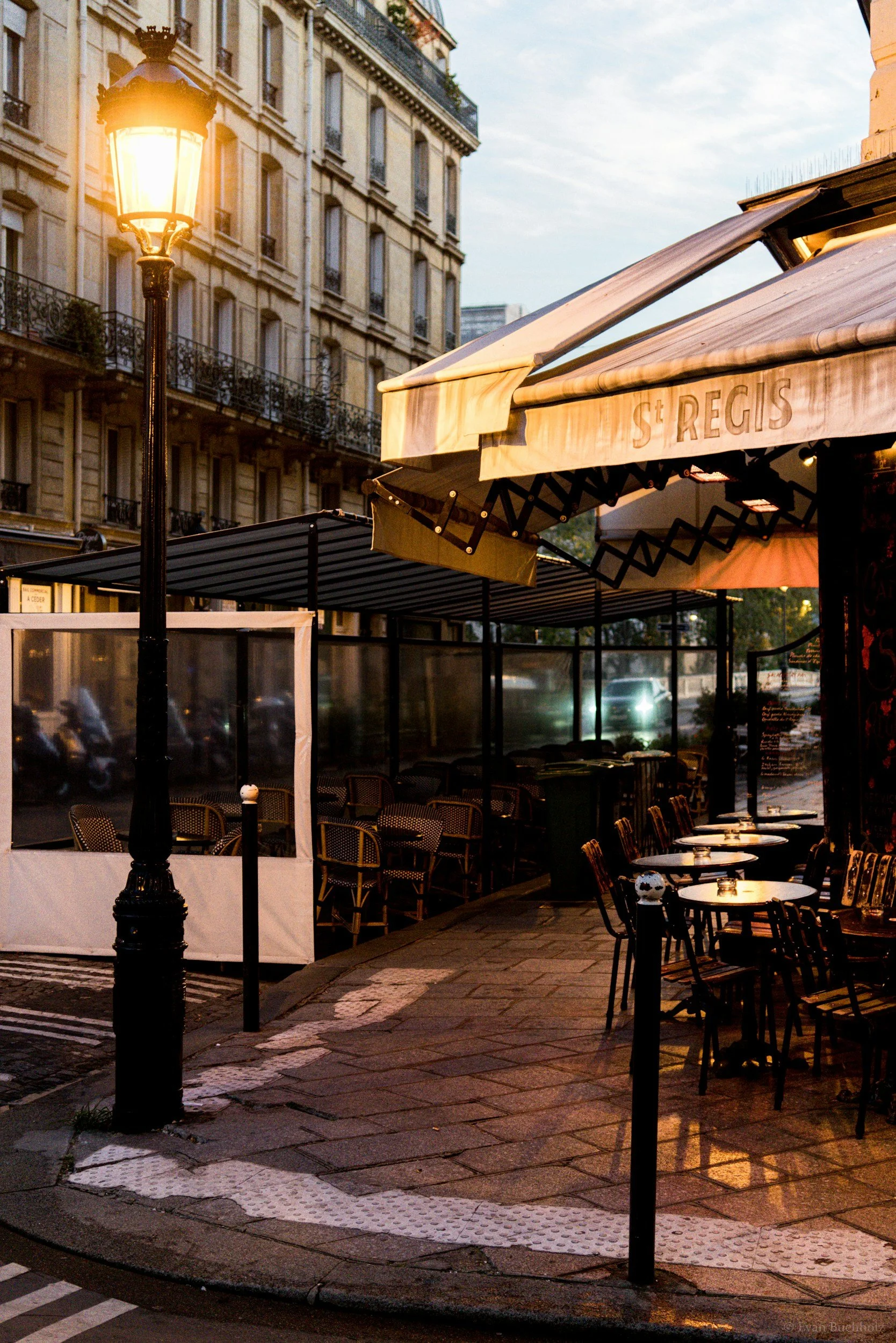
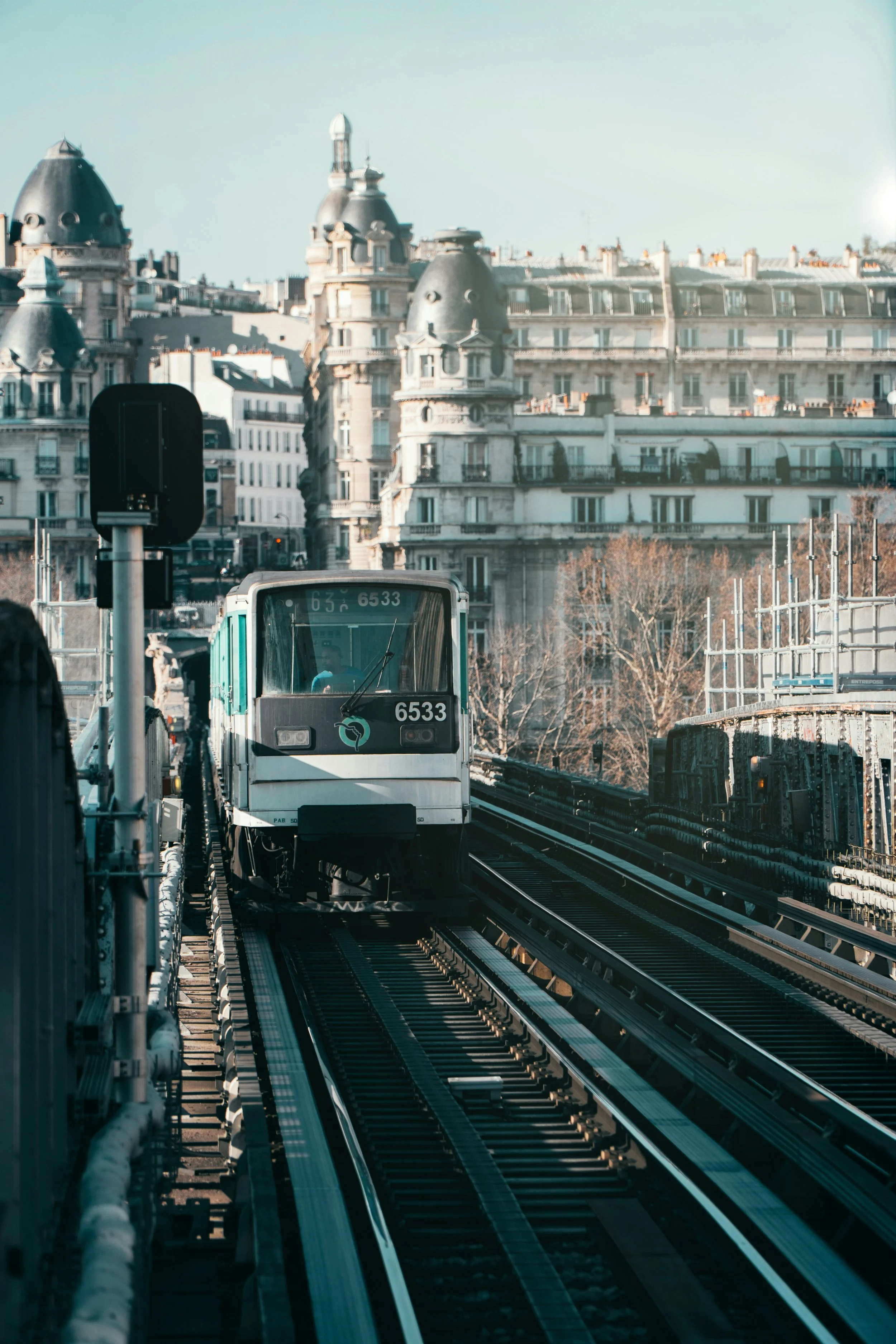
France is one of those places people think they already know. Even before they arrive, they carry a familiar set of images with them: café chairs facing the street, pale stone buildings, church spires, market baskets, river light. I used to think of France that way too. But living here, in Île-de-France, has made those images feel less like symbols and more like ordinary life. What stays with me now is not only the famous view, but everything around it—the sound of banter at a cafe, seeing the metro train approaching my stop, or the way a village square starts quietly and slowly fills. France reveals itself best, I think, in those smaller moments.
The Many Landscapes of France
One of the things I’ve come to love most about France is how varied it is. The country doesn’t offer one kind of beauty. It offers many, often not far from one another.
In the north, the land opens into broad plains and river valleys that feel calm and spacious. In the west, the Atlantic brings a different mood altogether—silver light, stronger winds, a little more weather in the air. Head south and everything seems to soften and brighten at once. The light changes, the walls glow, and the landscape feels warmer somehow, even before the temperature tells you so.
To the east, there are wooded slopes and mountains. In the center, roads drift through quieter countryside where villages seem to rise out of the landscape rather than sit on top of it. What I find beautiful is not just the scenery itself, but the way each part of the country carries its own mood. France feels less like one fixed image and more like a collection of atmospheres.
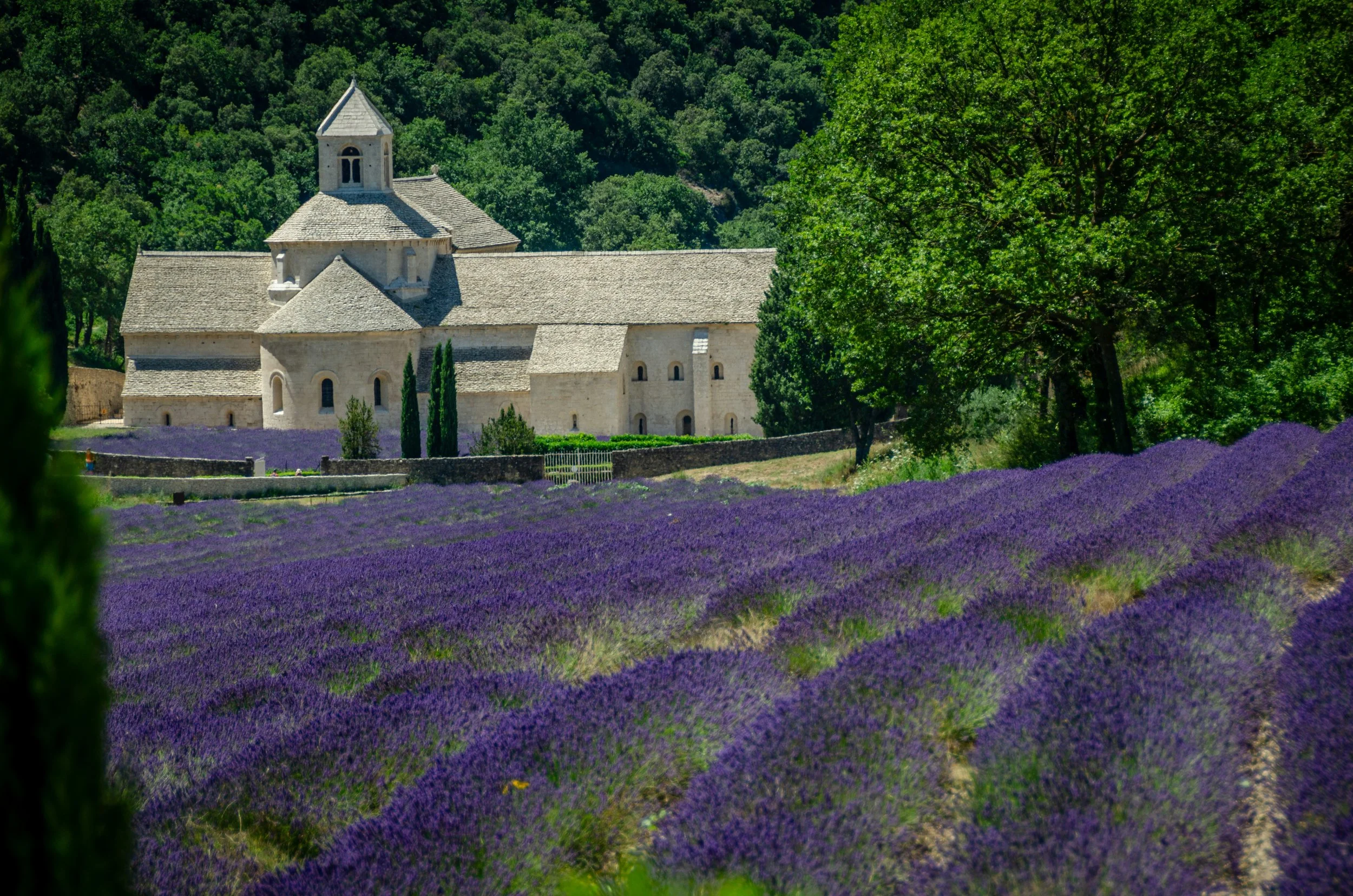
That variety shapes the way people live, and that is part of what makes the country so interesting. A fishing town, a wine village, a provincial city, a suburban rail town outside Paris—each has its own tempo and way of carrying itself. You notice it in the food, of course, but also in the architecture, in market rhythms, in the way people talk, and in how public space is used. From a distance France can look beautifully unified. Up close, it is richly regional, and I think that is one of the things that gives it so much life.
The Quiet Grace of French Villages
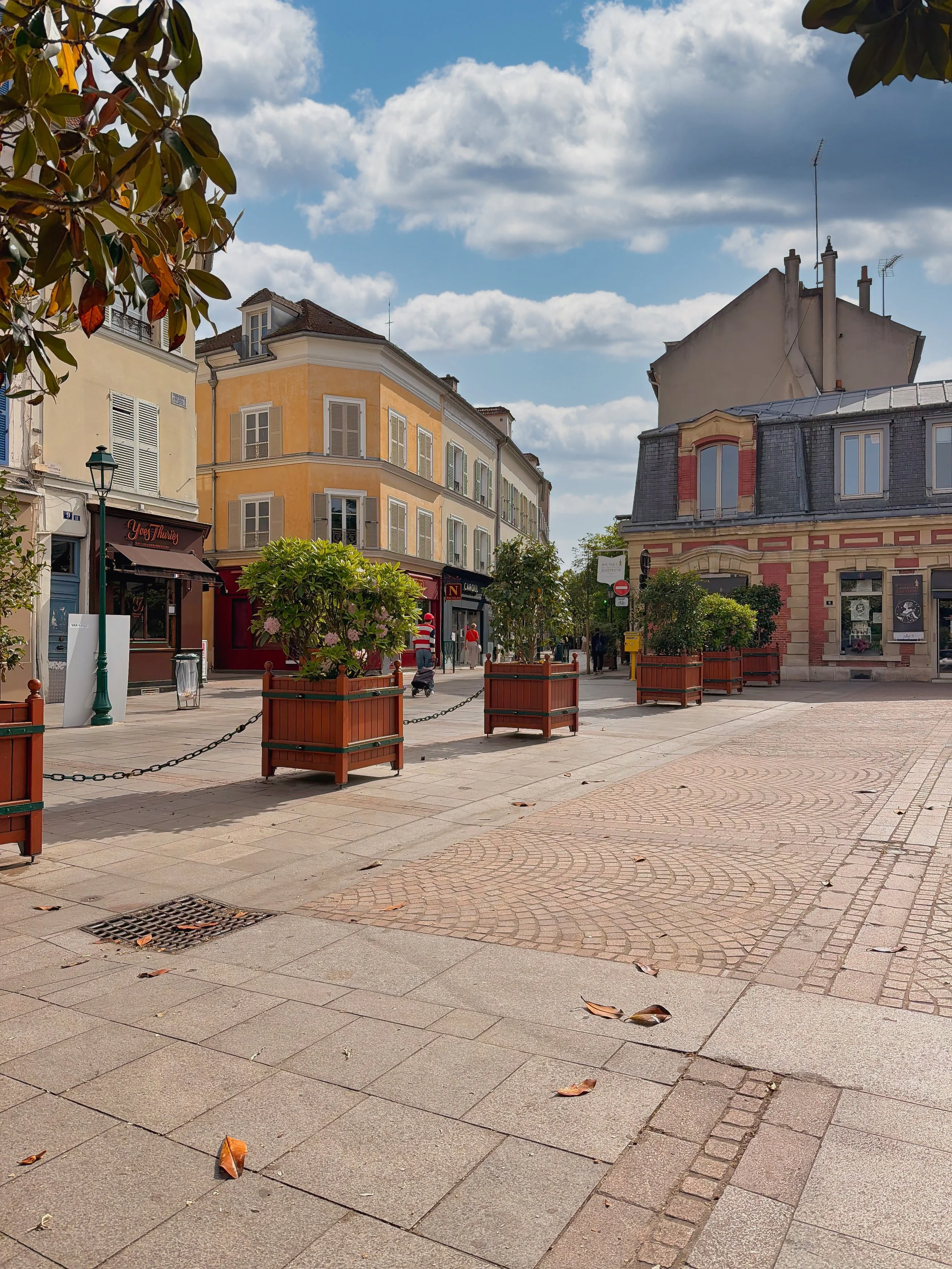
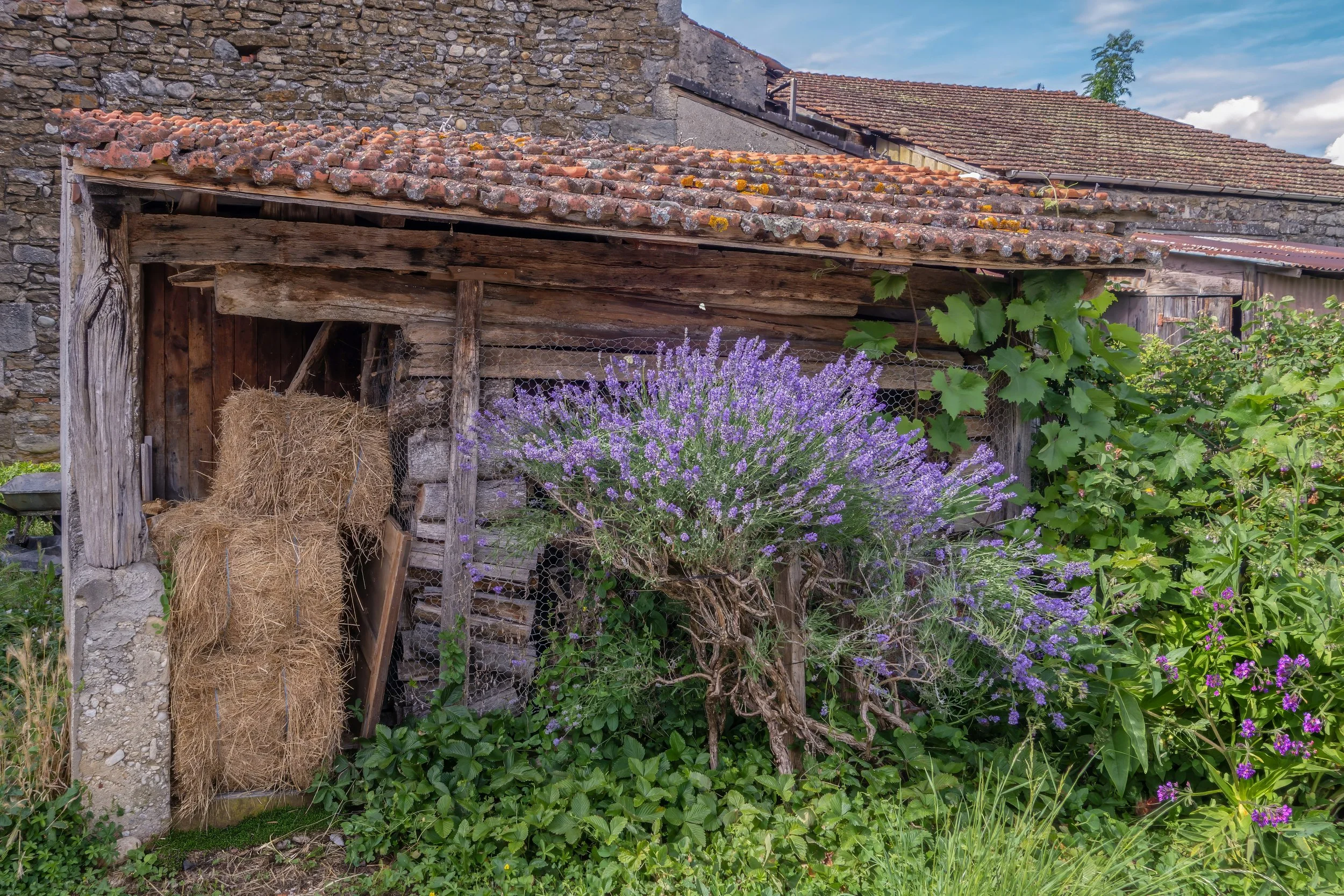
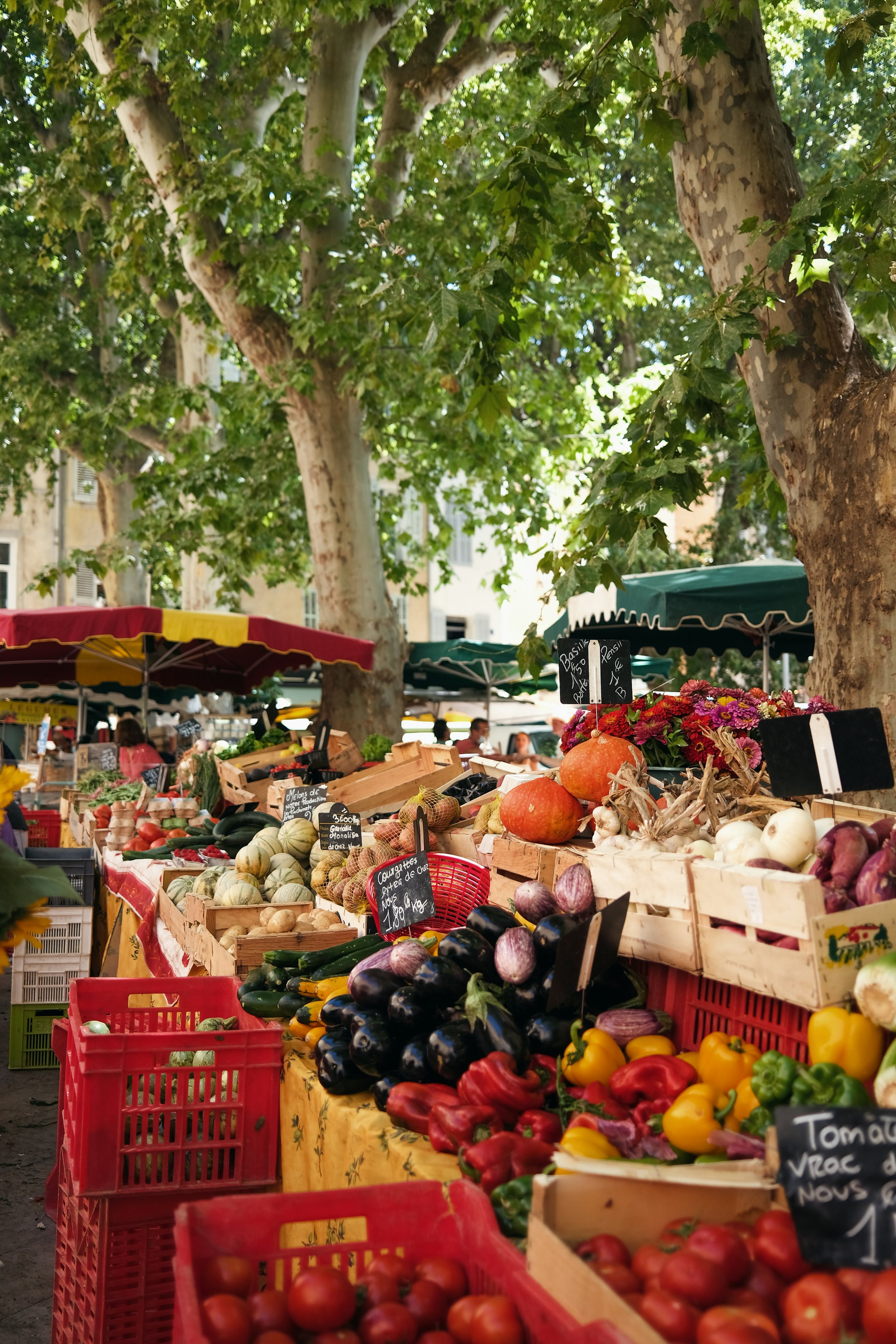
The villages are often where this feels clearest to me. Village life in France has a scale that is gentle and deeply reassuring. A bell rings, shutters open, someone wheels out a crate of produce, someone else stops in the square for a longer conversation than they meant to have. The bakery announces itself before you reach it. The plane trees cast exactly the shade you hope they will. Nothing has to be dramatic for a place to feel complete.
What makes many French villages so beautiful is not only the age of the stone or the flowers in the windows, though both certainly help. It is the sense that things belong together. Houses relate to one another. Streets seem to know where they are going. Even when a village is quiet, public life still has a visible shape.
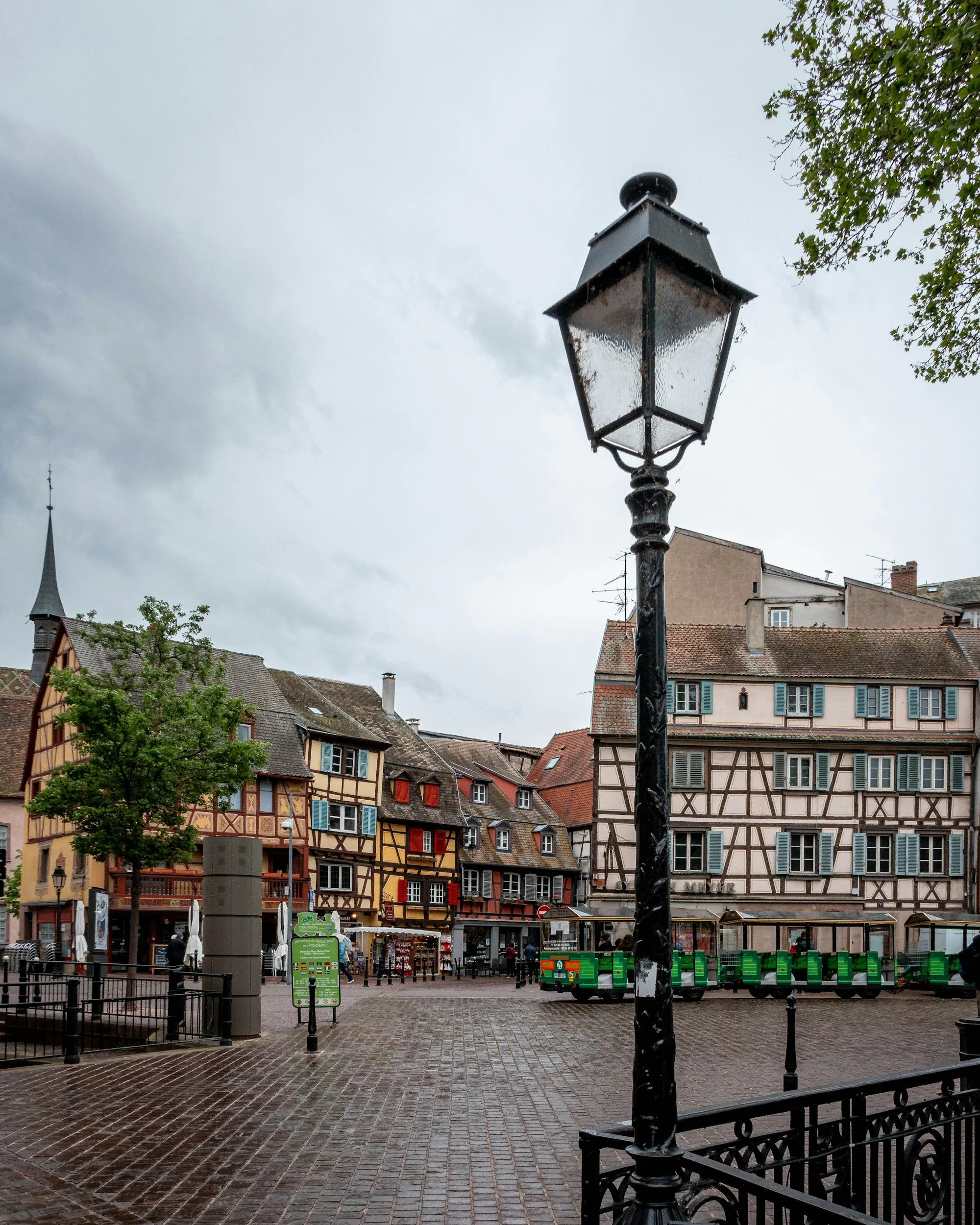
And then there is the culture of those places, which matters just as much as the view. In small towns and villages across France, life still turns around recurring rituals: weekly markets, school schedules, local festivals, church calendars, lunches taken seriously, conversations that begin with practical matters and wander somewhere else entirely. One of the things I admire most here is the seriousness given to ordinary pleasures. Bread matters. Cheese matters. The tomatoes in season matter. The condition of a public square matter. A meal with friends is not treated as something extra. It is part of life being properly lived.
The Beauty of French Cities
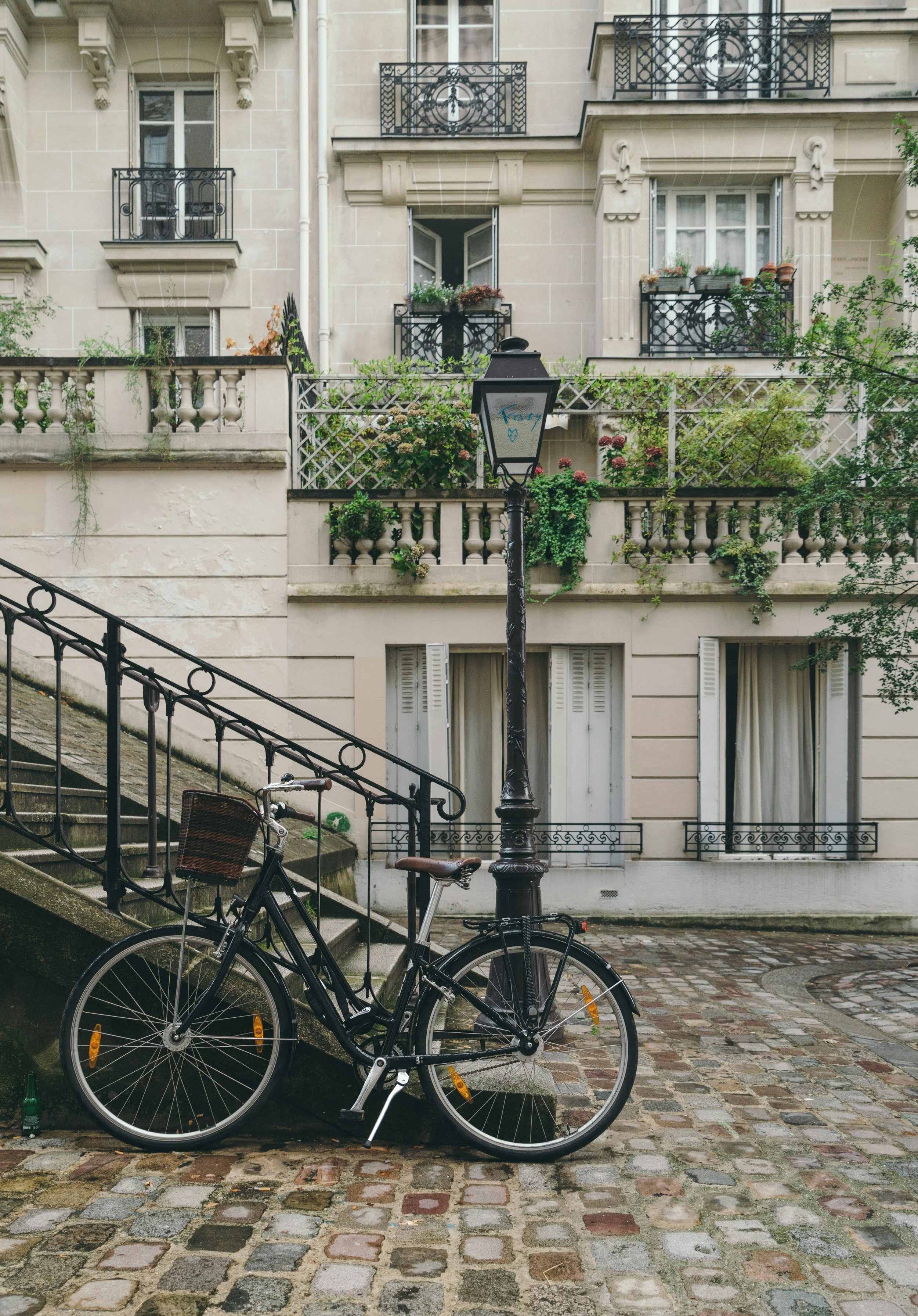
The cities, of course, offer another kind of beauty. What I’ve always liked about French cities is that even when they are grand, they are rarely only about display. They are meant to be used. Squares are crossed, not just admired. Riverbanks are walked. Parks are occupied. Cafés spill into the street as if they were a natural extension of home. In many French cities, beauty feels public, shared, and woven into the pattern of ordinary life.
Paris: A City Meant to Be Lived
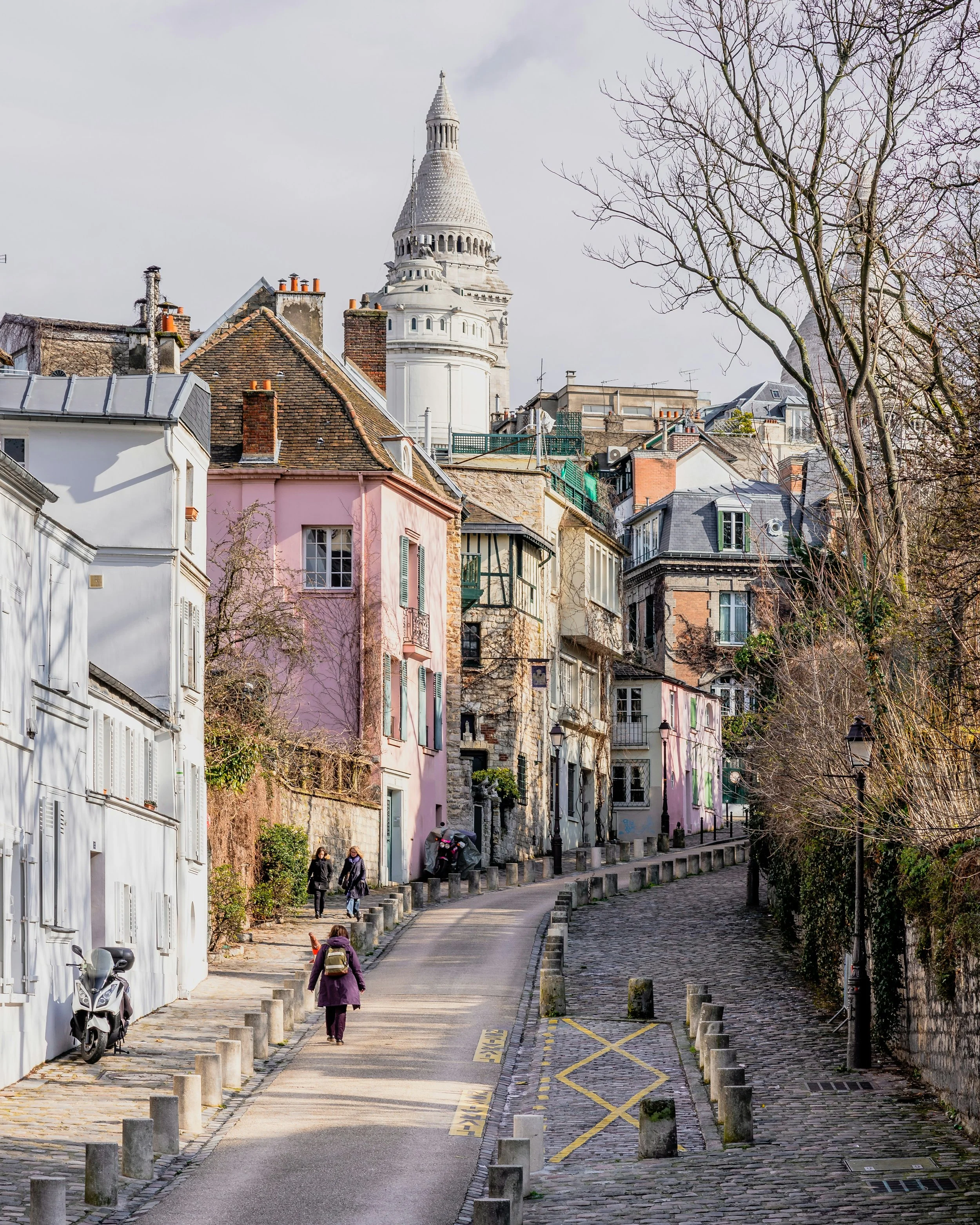
Paris is where many of these ideas come together most vividly. Living in Île-de-France means seeing Paris not only as a famous city, but as part of the rhythm of the region—a place people move into and out of every day for work, study, errands, culture, and all the rest of ordinary life.
That perspective makes Paris more interesting to me, not less. It is so photographed and written about that it risks becoming a little flat in the imagination. But it feels layered, busy, contradictory, and very much alive.
What I still find moving about Paris is that its beauty lives alongside everything else: commuting, shopping, school runs, work, rent, errands, impatience, pleasure. People hurry, linger, argue, laugh, carry groceries, wait for trains, meet friends. The city is beautiful, yes, but it is also fully lived in, and I think that is what keeps it honest.
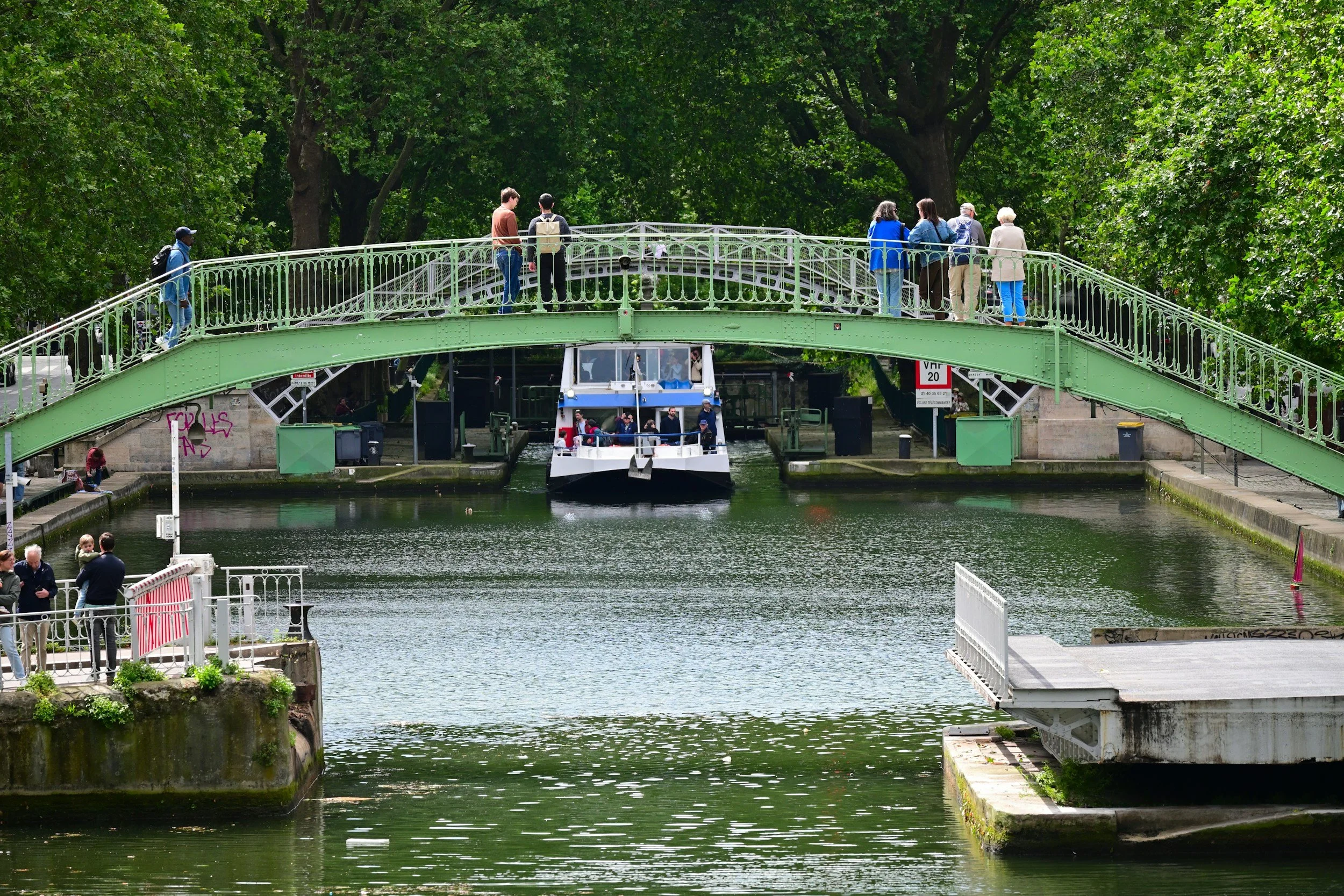
I always come back to the Seine when I try to explain Paris, because the river seems to hold so much of the city’s character. It doesn’t just divide Paris; it gives it rhythm. Along the quays, the city can feel monumental and intimate at the same time. The facades have that unmistakable Parisian harmony—stone, proportion, restraint—but life below them remains wonderfully casual. Someone is reading by the water, someone is running, someone is eating a sandwich, someone is simply on their way somewhere else. Paris holds elegance and looseness together, and that balance is part of its charm.
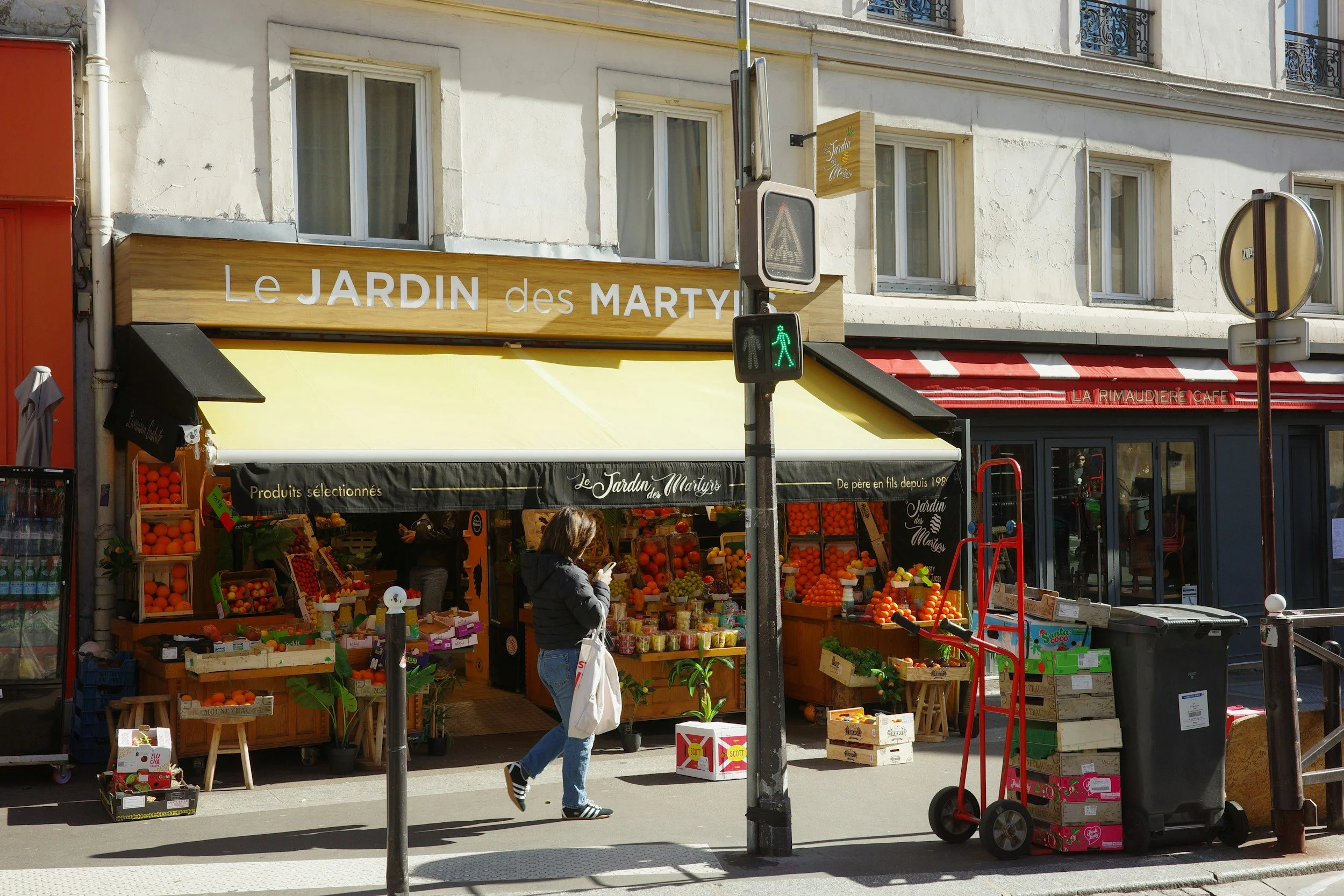
What makes Paris so endlessly photogenic, though, is often not the landmark view but the neighborhood one. A florist arranging buckets outside, a wine shop catching the late light, a small café at the corner, a market stall being packed up, children crossing a square after school, a waiter wiping down the terrace in the evening—these are the scenes that stay with me. Paris is full of moments that feel cinematic without ever looking staged.
Life in Île-de-France Beyond Paris
Still, Paris makes the most sense when you think of it as part of Île-de-France, the region that surrounds it and quietly explains so much about it. Living here makes that hard to ignore.
Île-de-France is a region of movement and contrast: dense neighborhoods, business districts, royal towns, suburbs, farmland, forests, market streets, ring roads, school gates, apartment blocks, and sudden flashes of old France where you least expect them. It is metropolitan, certainly, but also deeply local. That is one of the reasons I find it so compelling.
It is not merely the backdrop to Paris. It is one of the clearest expressions of contemporary France: busy, layered, ordinary, beautiful in ways that are not always obvious at first glance.
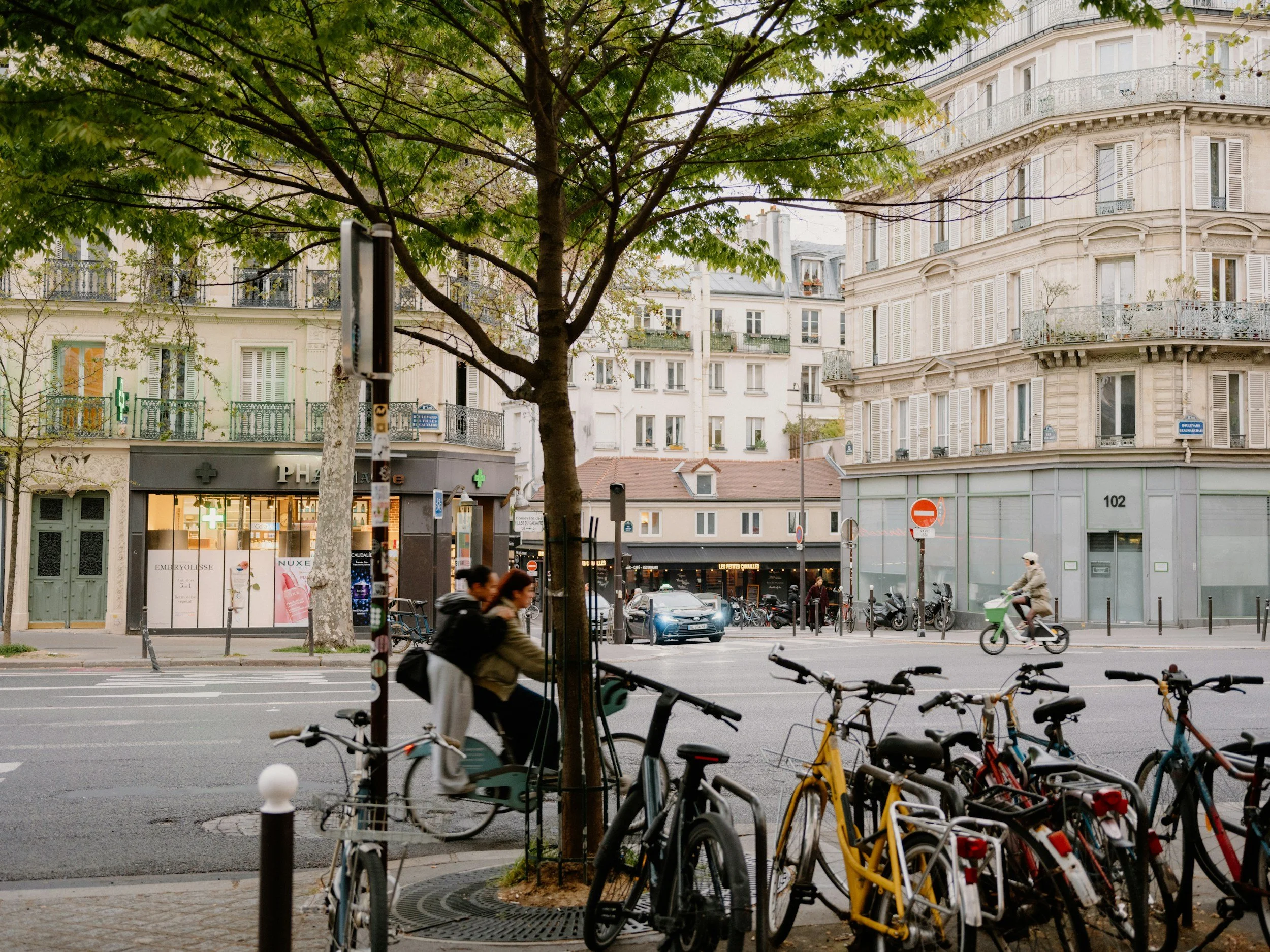
What living here has shown me is that Île-de-France broadens the idea of what beauty can be. It is not always the grand view or the famous monument. Sometimes it is a suburban market under a covered hall, a line of trees along an avenue, a train platform at the edge of town, a family picnic in a park, someone carrying flowers home. The region contains extraordinary places, of course, but it also contains the beauty of ordinary life, and sometimes that says more about France than any palace ever could.
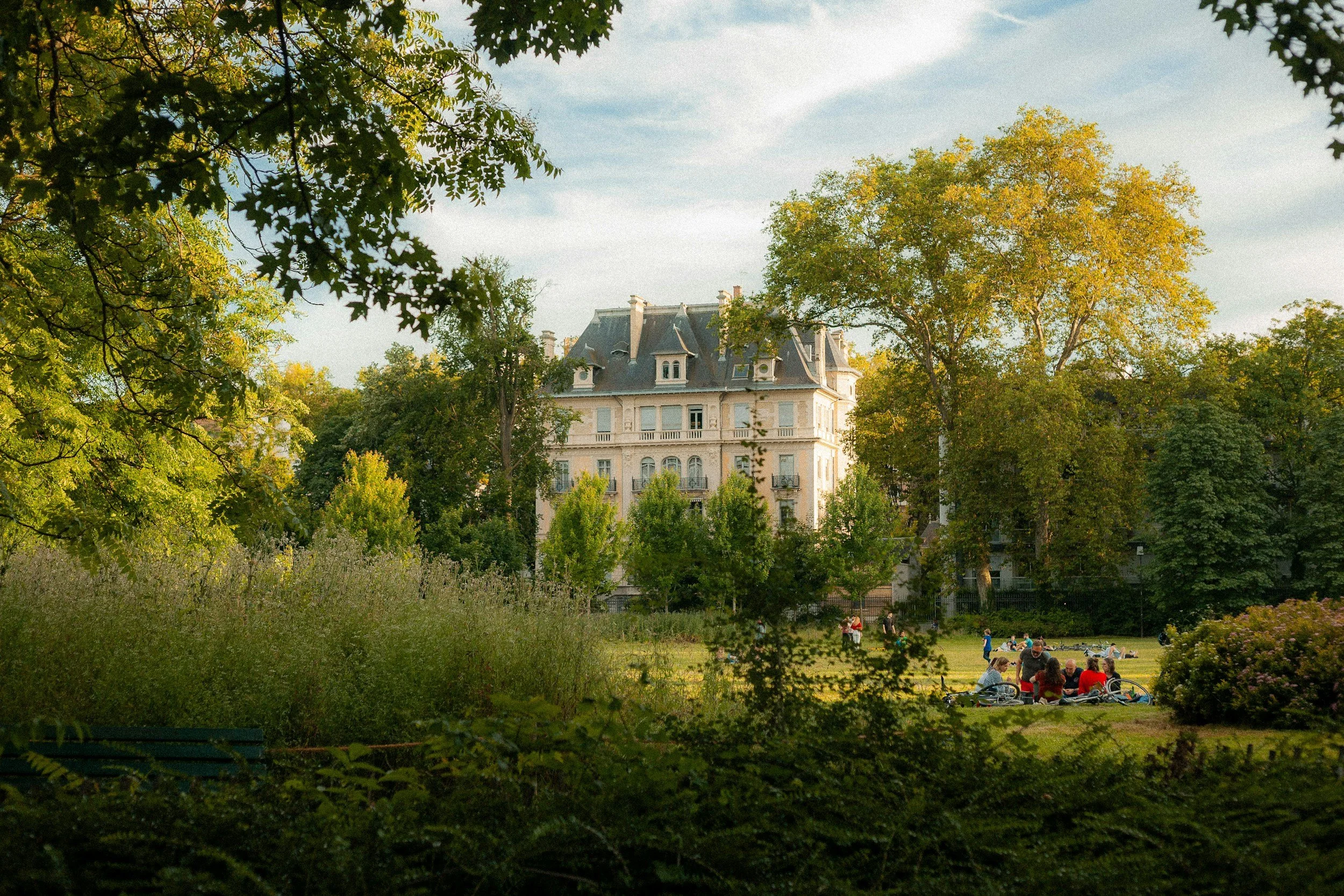
There is also something very modern about life in Île-de-France. Millions of people move through it each day for work, school, family, culture, and simple necessity, and yet so much of life remains rooted in local habit. Someone commutes into Paris and returns at night to a quieter suburb with a bakery, a school, and a market square that gives shape to the week. Someone else lives near woodland and still feels entirely connected to the capital. That tension between movement and rootedness is part of what gives the region its depth.
Seen from here, Paris becomes even more interesting. It is not only a destination, but a center of gravity, drawing people in and sending them back out again, gathering ambition and fatigue, pleasure and pressure, elegance and disorder. That may be one reason the city remains so alive in people’s minds: it never tries to simplify itself. It can be romantic, practical, impatient, expensive, crowded, bureaucratic, and funny, sometimes all in the same afternoon. And somehow that complexity only makes it more human.
The Beauty of Everyday France
Across France as a whole, what stays with me is the meeting of grandeur and nearness. A cathedral square opens onto a side street with laundry in the window. A grand museum is followed by an ordinary but memorable lunch. A formal garden sits not far from a village market or a commuter rail line. Repeatedly, France seems to suggest that beauty is not separate from life but built into it where people can manage it—sometimes carefully, sometimes casually, but often very convincingly.
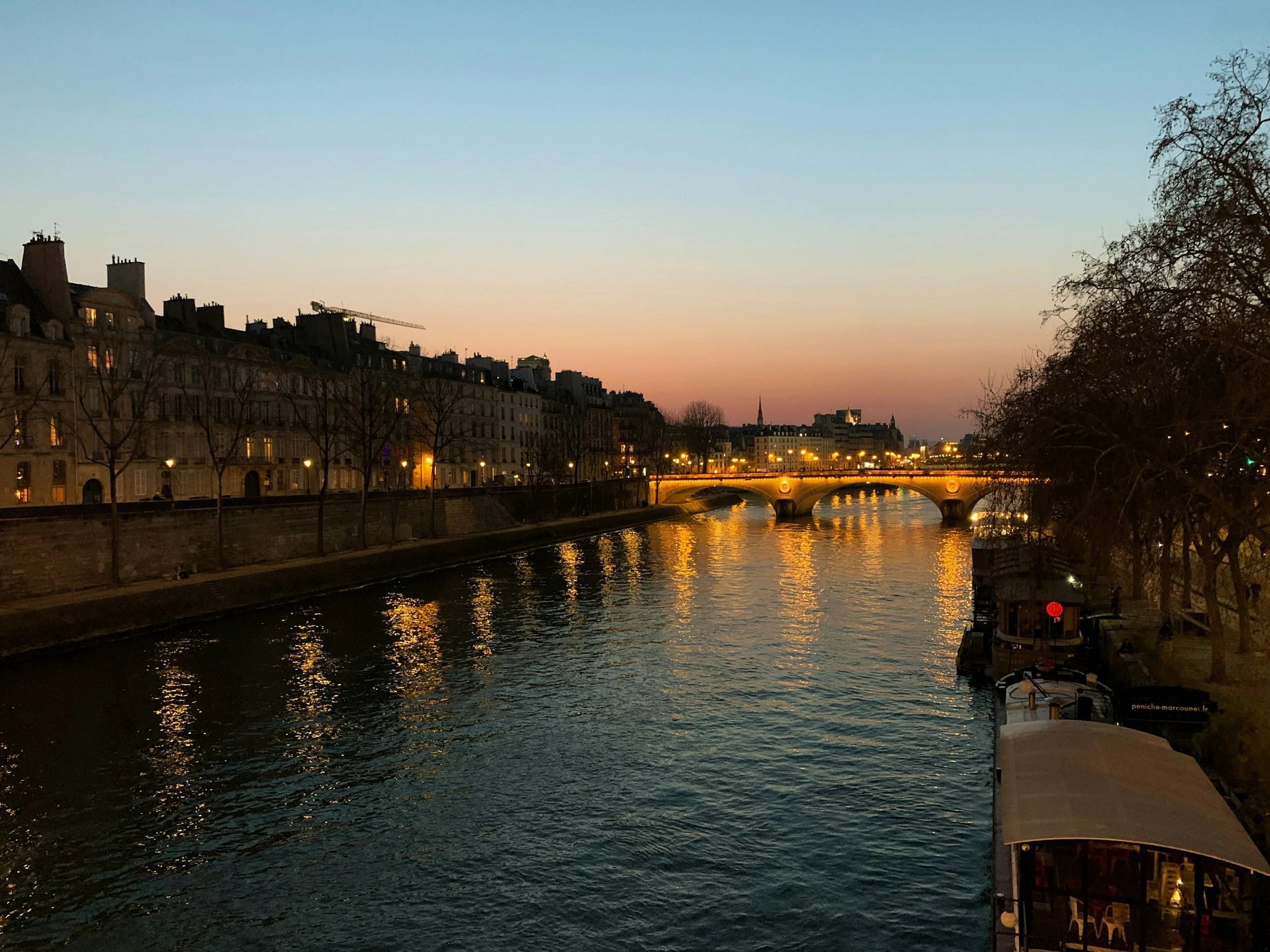
That, in the end, is why France continues to feel so dear to me. Not only because it is beautiful, though of course it is, and not only because it offers scene after scene that seems made for photographs. It stays with me because it rewards attention. It asks you to notice the bend of a river, the order of a market stall, the geometry of rooftops, the shade of trees on stone, the way people gather in public space, the small grace of a café table in late afternoon. Living in Île-de-France has only deepened that feeling. It has made France seem less like a collection of lovely images and more like a place where beauty, when you are lucky enough to live close to it, quietly becomes part of everyday life.