
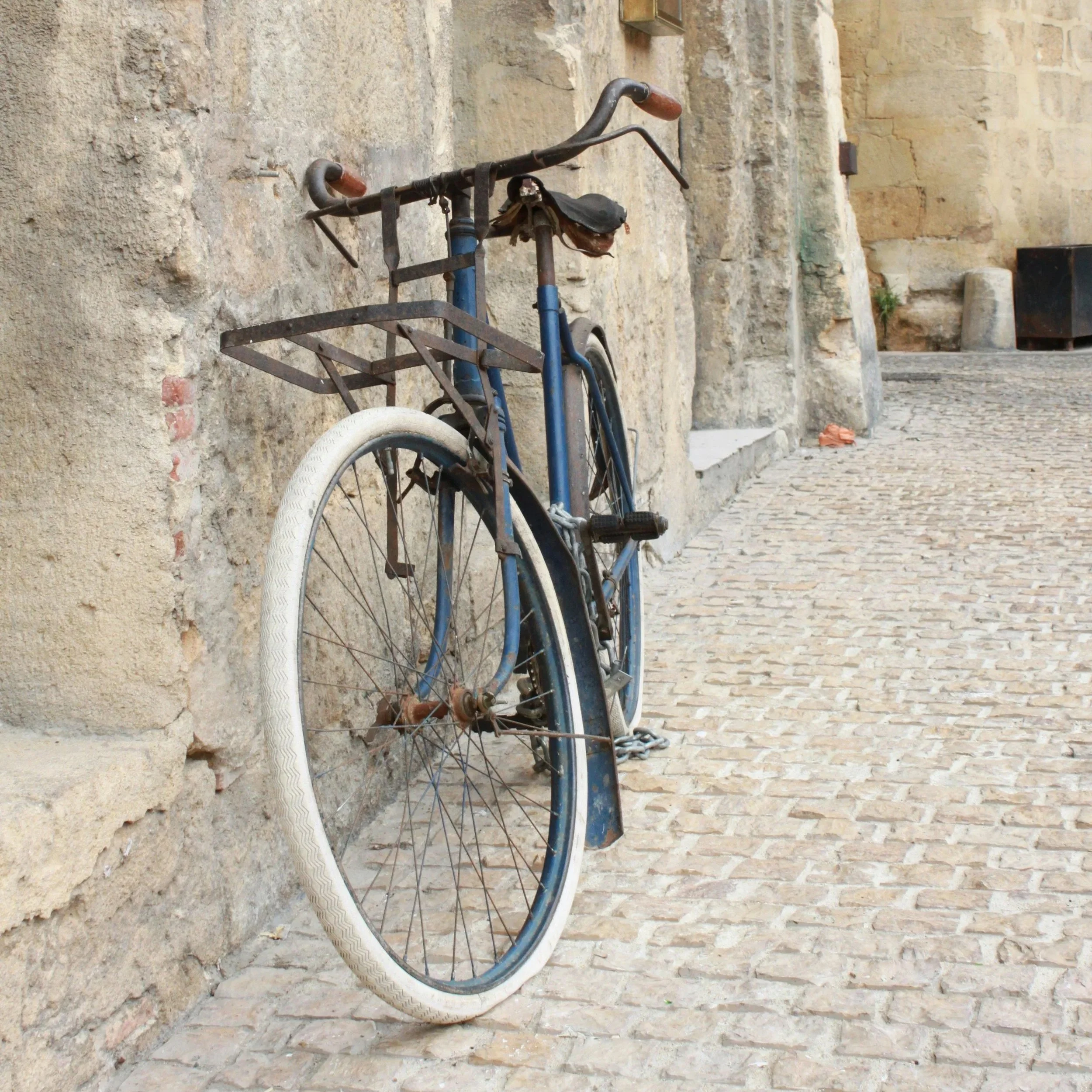
Handlebars and Habit: A Season on Two Wheels in Île-de-France
From a village corner to Rue de Rivoli, learning why the French don't bike for fun — they bike because they have somewhere to be.
The French don't ride bikes for fun. They ride because they have somewhere to be
Where It Starts
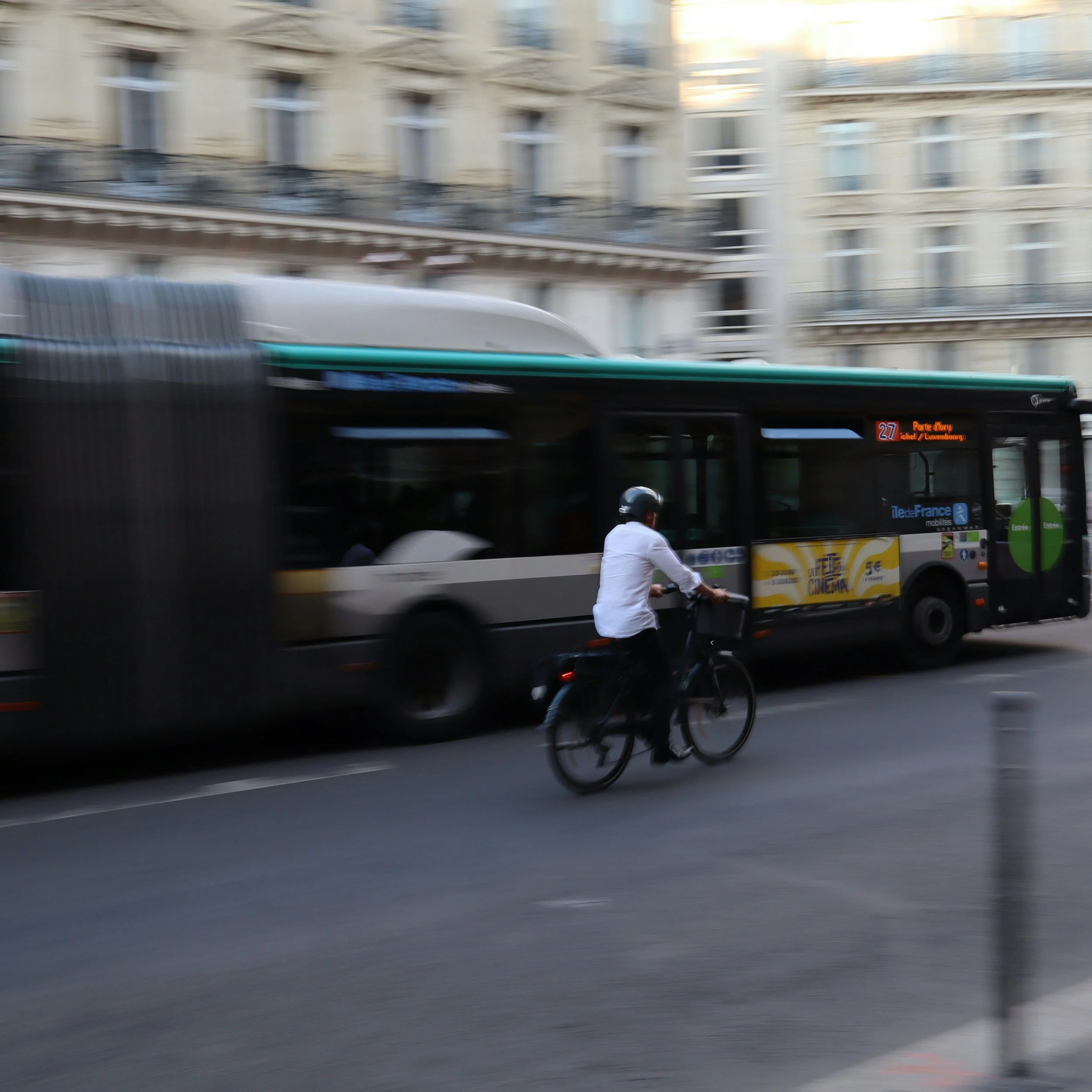
I didn't expect biking to be the thing that told me I'd actually moved to France. But standing at a corner in my village, waiting for traffic to clear, that's exactly what did it. A man in a suit rolled past on an upright city bike, briefcase balanced in the front basket, tie tucked neatly into his shirt. Right behind him was a mother speeding along on a longtail cargo bike with three small, chatty children on back, rolling through traffic, confident and natural. No one was wearing spandex or a helmet cam. They just looked like folks with someplace to be, who happened to be on a bike instead of in a car.
In many places, particularly in the U.S. or Canada, biking is something you schedule. You put on the right shoes, you drive to a trail, you track your mileage on an app, and afterward you feel virtuous enough to order fries. Here, biking is just how you get somewhere else. It's how the baker in my village gets his ovens started before sunrise, how the woman two doors down gets to the market with a basket already half full, how a teenager gets to school without waiting for a bus that may or may not show up on time. Nobody stretches first. Nobody checks the weather app for a "good biking day." They just go, rain or shine, because there's bread to buy and a train to catch and a friend expecting you by noon.
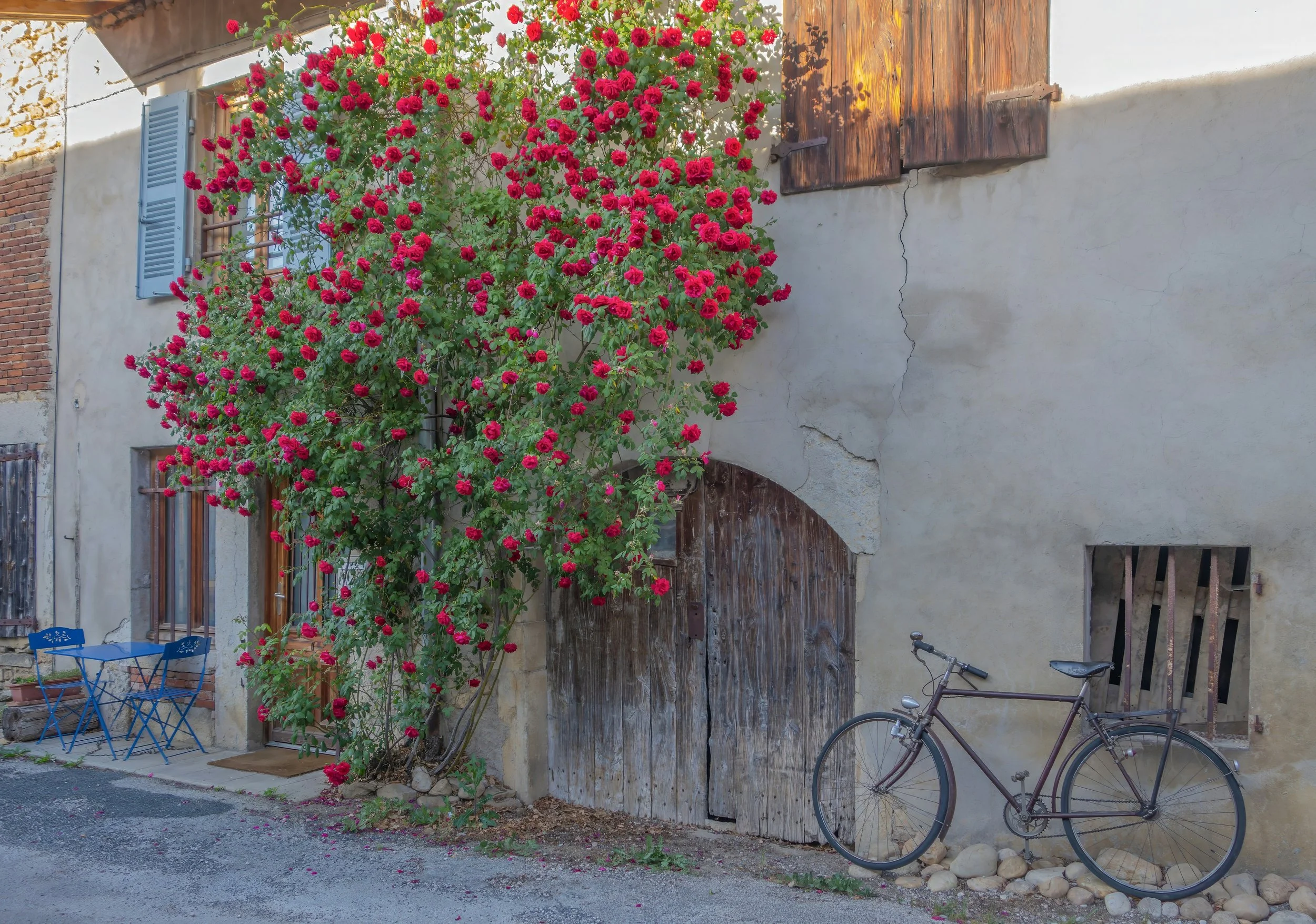
Prior to moving to France, I was that guy who bought used bikes during the pandemic, invested in the right car carrier and equipment, and drove to the controlled greenway to have a biking experience. This was partly out of necessity (there was not any safe bike infrastructure in the city that I lived in) and expectation that is what all the “cool kids” of a certain age did. Don’t get me wrong. I always enjoyed my rides. It was the genuine hassle of making the ride that was a bit unpleasant. While I enjoyed riding my bike, I could never just get it from the garage and go. My city just wasn’t built that way.
A Habit Older Than It Looks
Bicycles have been part of daily life here in France for a long time. The French were early and eager adopters, back in the 1800s, and the bicycle settled into the culture the way certain foods or holidays do, so deeply that nobody thinks to question it. For a stretch of the twentieth century, cars pushed bikes to the side, and pedaling to work started to feel like something you did because you had no other choice. That's changed. If you're curious about how that shift happened, Freewheeling France has a good rundown of the campaigns and city officials who pushed to bring bikes back into everyday life. But you don't need the history to feel it. You just need to stand on a street corner for ten minutes.
The Small Skills Nobody Teaches You
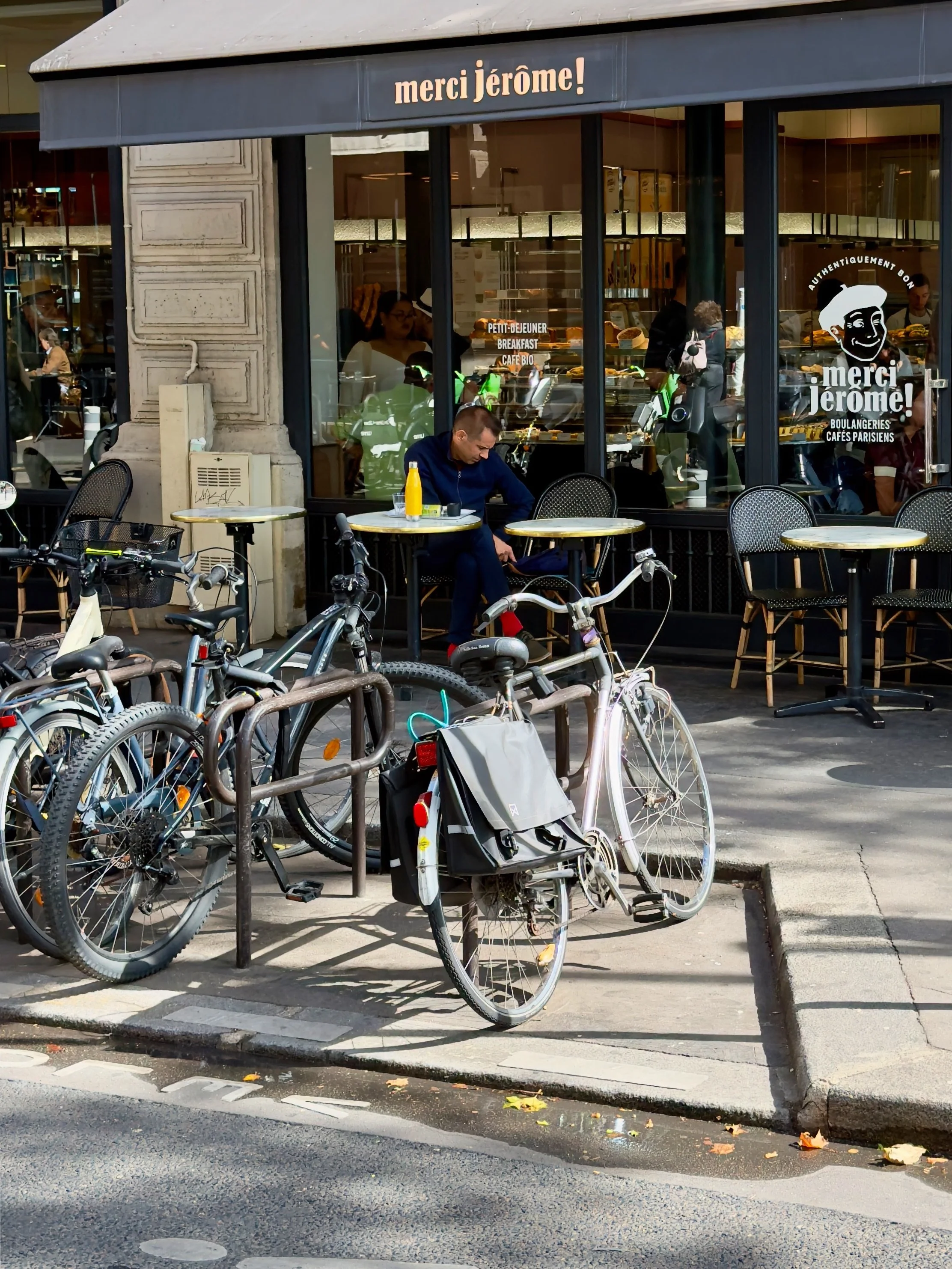
What you notice first is how little fuss is involved. Nobody here treats a bike ride like an event. I've watched a woman balance her groceries, a bottle of wine, and a small dog in her front basket, all at once, while chatting with the person riding beside her. Cyclists ring their little bells instead of shouting - somehow, it works. A polite ding replacing what would be a horn anywhere else. Kissing hello on both cheeks while straddling a bike, without ever quite dismounting, is its own small skill that I never fully mastered (still working on the kissing both cheeks too – lol).
Rivoli and the Rise of Vélib'
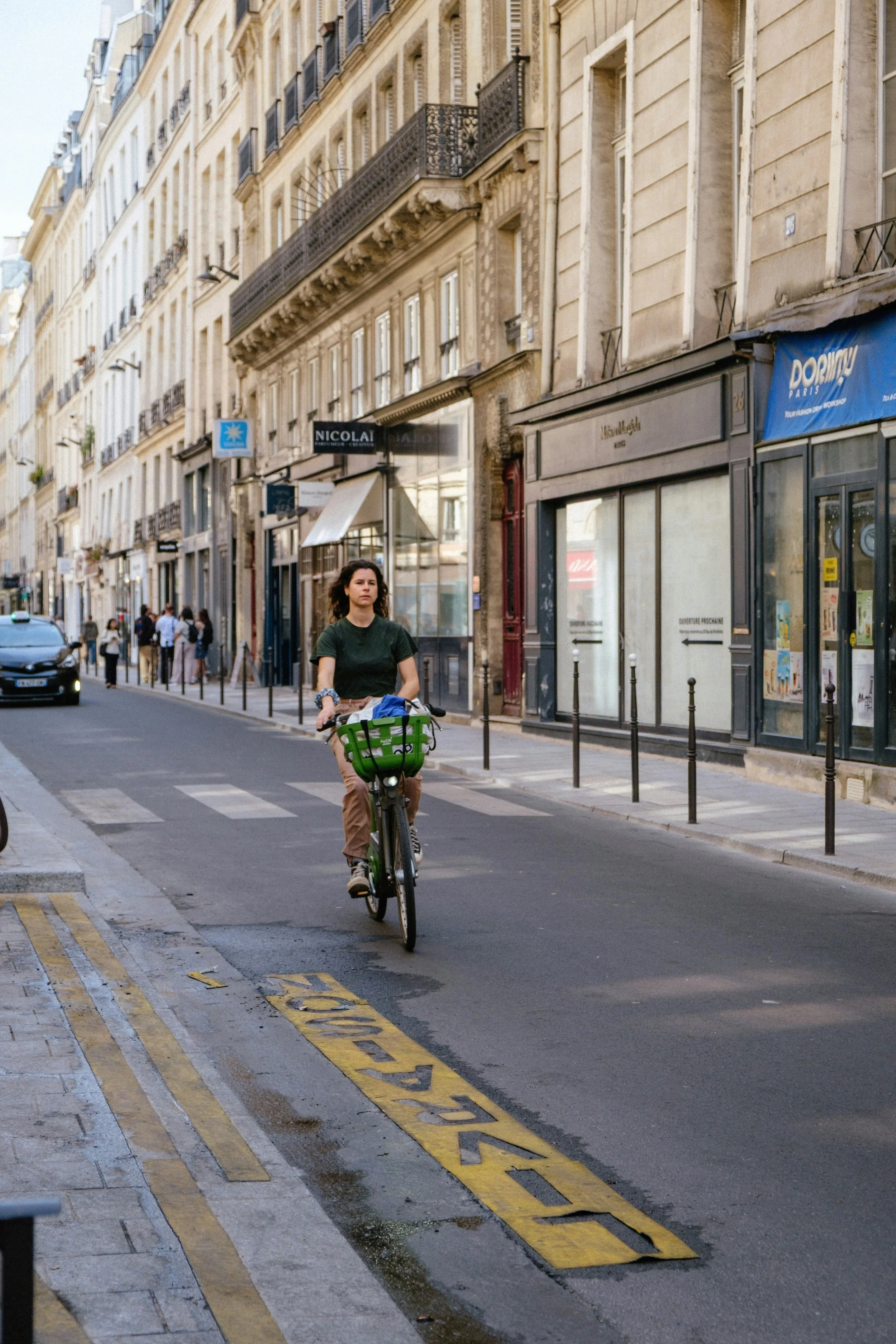
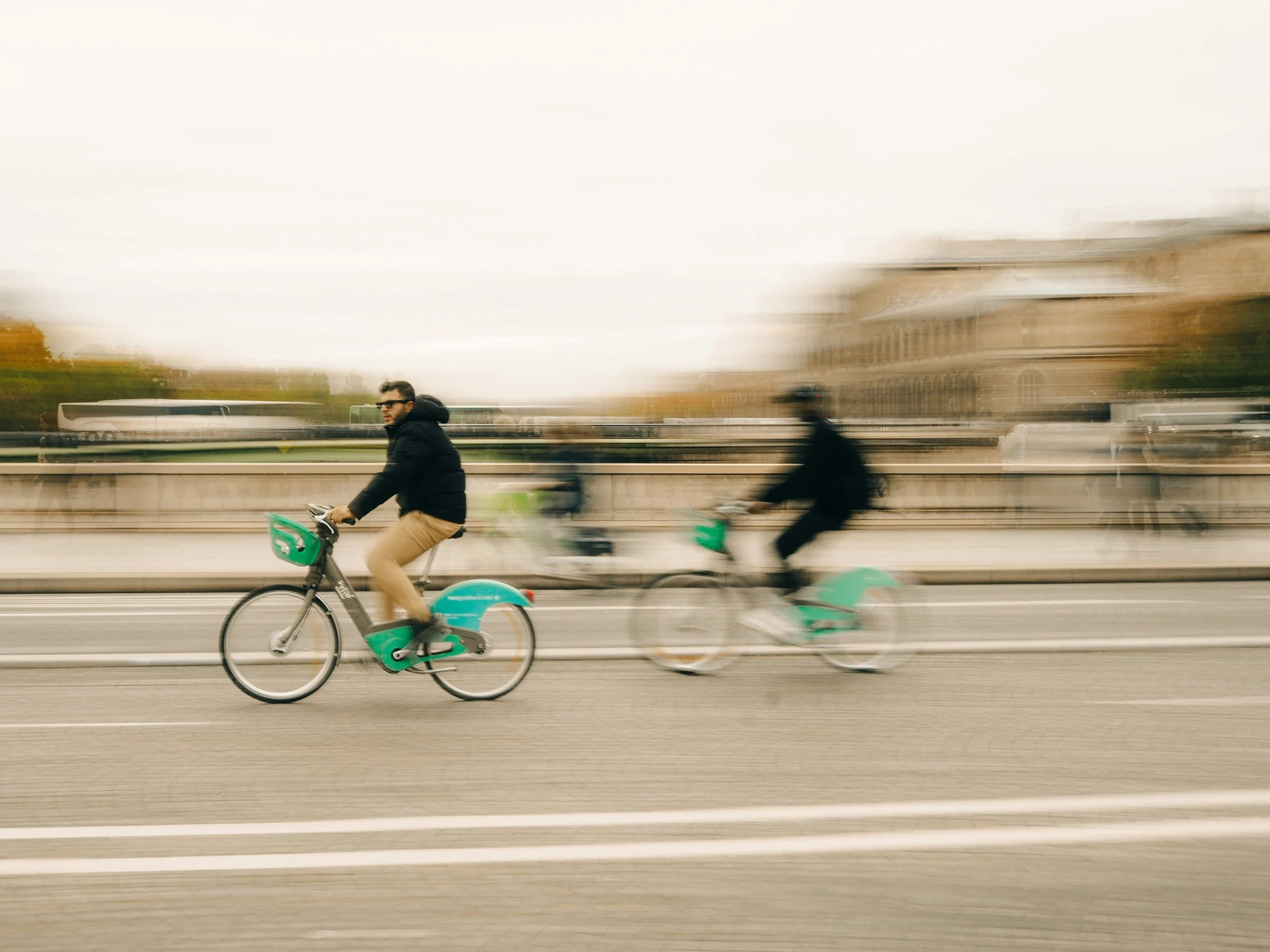
A lot of that ease comes down to Vélib', the city's bike-share system, which by now feels less like a program and more like part of the furniture. Grab a sturdy grey bike, ride it where you need to go, drop it at another station, done. Nowhere is that more visible than along Rivoli, where it runs past the Tuileries toward Place de la Concorde. The arcades stay busy almost any hour, and tucked among the tourists posing for photos, there's a steady stream of people docking or grabbing a bike without breaking stride, the way you'd grab a shopping cart. If you want the full story of how Vélib' grew from a shaky pilot program into a citywide habit, Wikipedia's entry has the details.
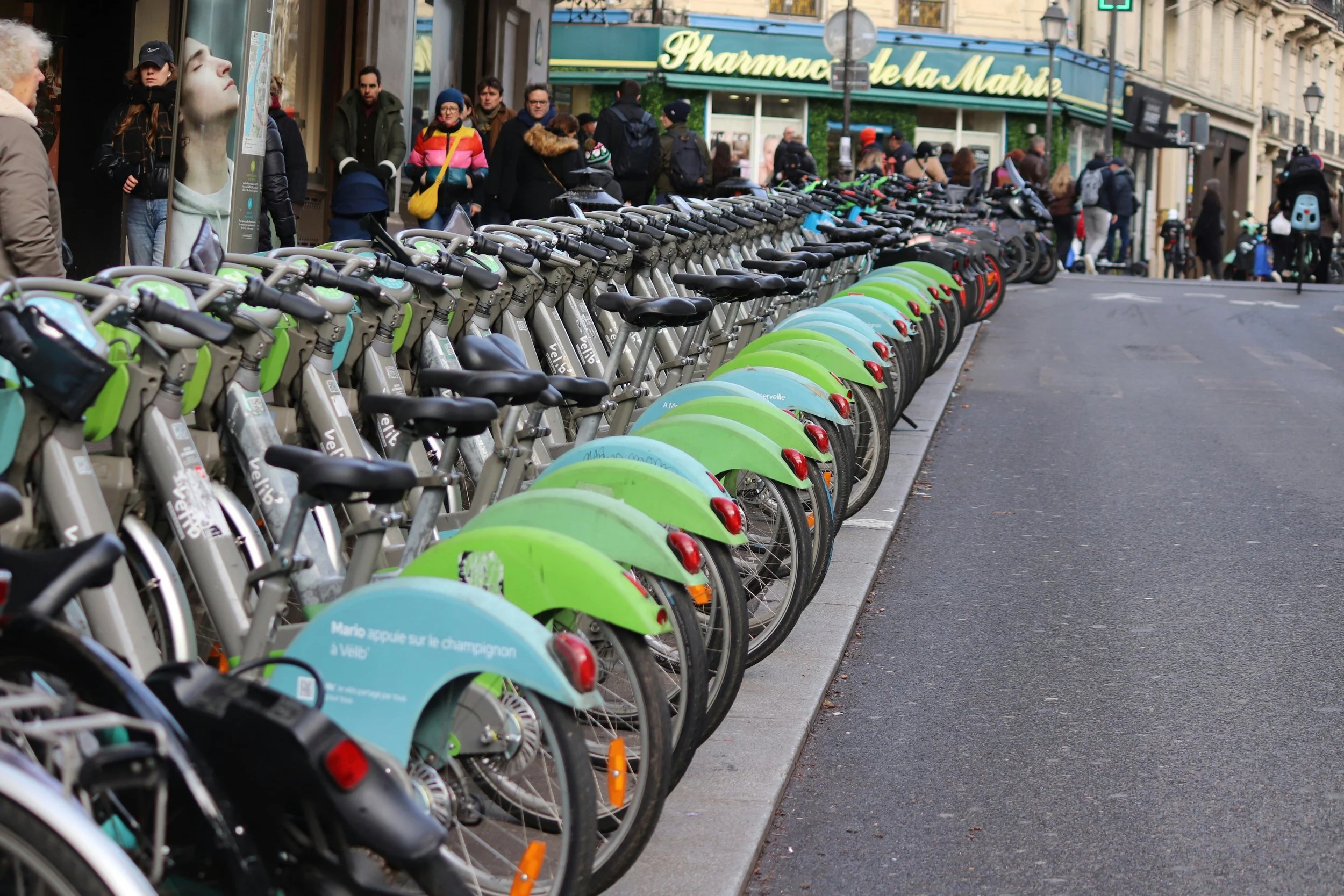
I saw this up close once, outside a ramen spot on a side street. Directly outside was a cluster of bike-share bikes, all crowded there, mish-mashed together. Folks were bringing bikes and parking, while others were walking up, phones in hand, to rent one. One young woman, I remember, looking like she’d just left a Pilates class or something, walked up, checked out a bike, pulled her hair back, strapped her stuff down and pedaled away in a hurry. She knew how it worked and was on her way.
Room to Ride Near the Opéra
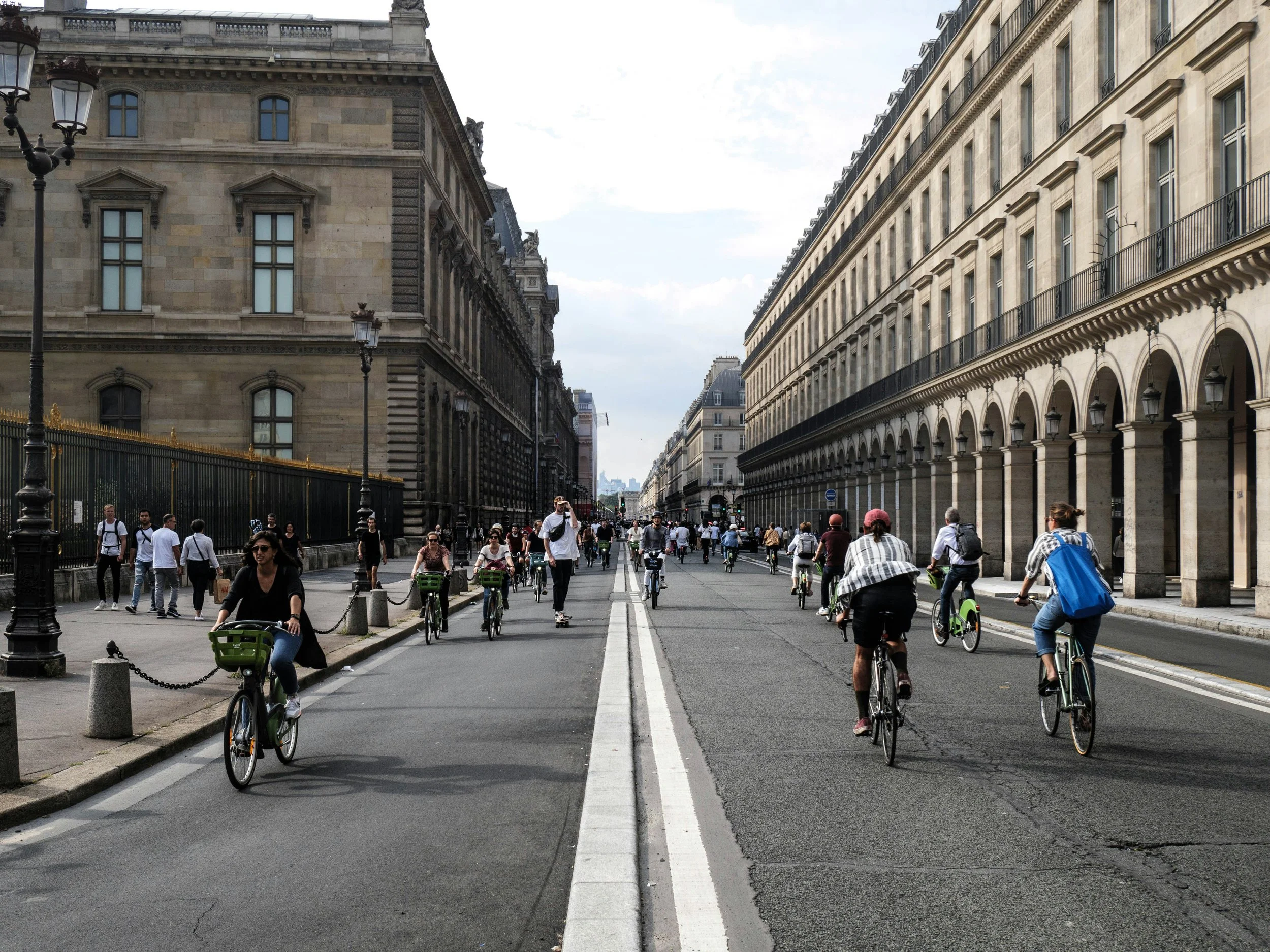
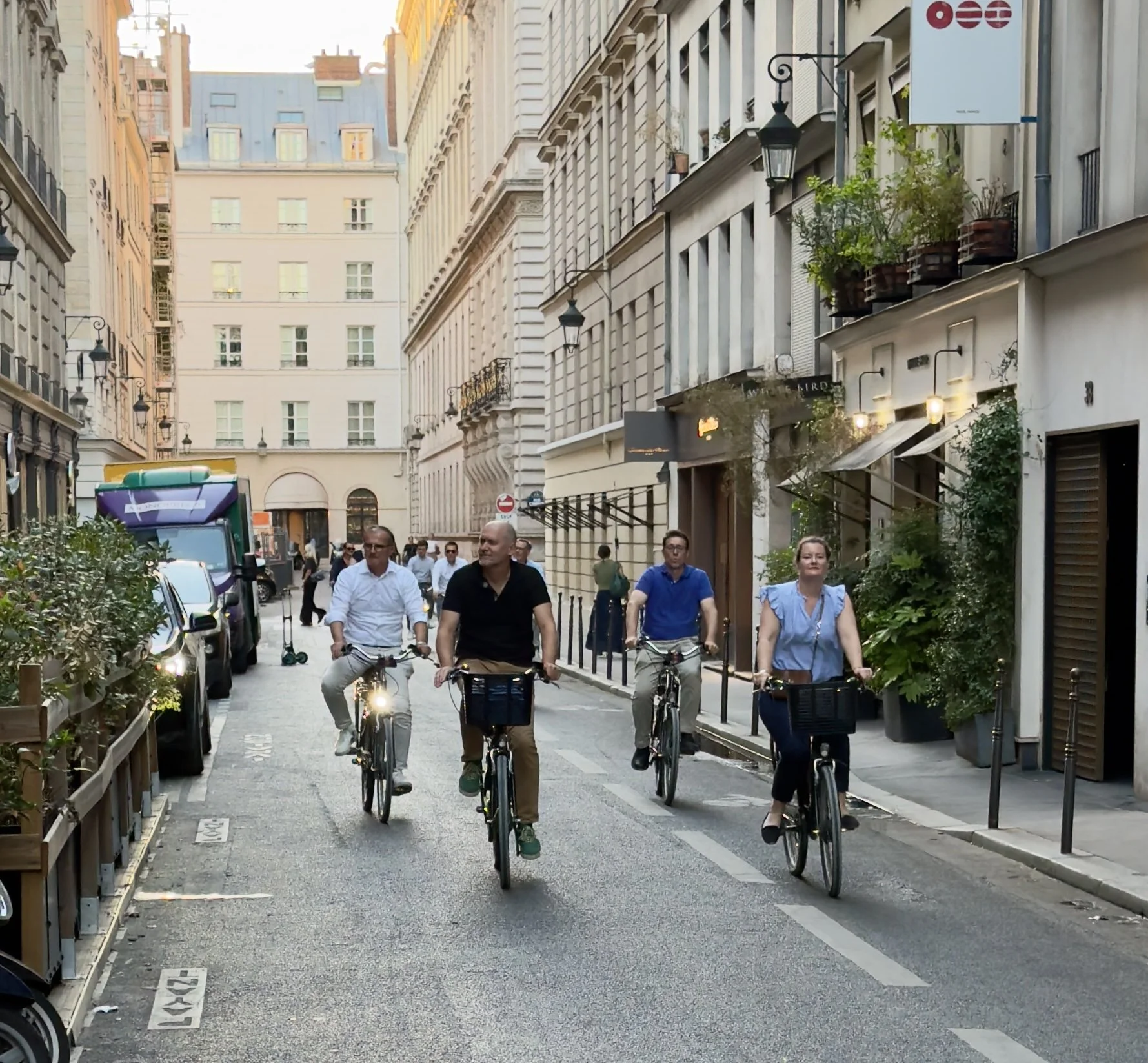
None of this ease happens by accident. The city has spent real money and real political capital carving out space for bikes, not just painting a line and calling it a day. Boulevard Haussmann, built wide enough for carriages back when that was the point, now carries a proper two-way bike lane running past the department store windows, cyclists moving down it in a steady current while buses and taxis stay penned into their own lanes beside them. You can feel the difference in how relaxed people look while riding there. Nobody's white-knuckling the handlebars. If you're the type who likes a little context with your coffee,ECF's coverage of Paris's push to become a 100% cycling city by 2026 wrote a solid piece on how far the city has committed to going with this.
Who's Actually Riding
What gets me every time, though, isn't the lane or the paint. It's who's riding. This isn't a city of people logging personal records. It's a city of people in work clothes, school uniforms, church shoes, moving at a pace that has nothing to do with fitness. I watched a woman in heels and a wool coat pedal down the bike lane near the Opéra one gray afternoon, unbothered, sipping what I can only assume was coffee from a to-go cup balanced against the handlebar. As if biking in heels, one-handed, were the most obvious thing in the world. Which, apparently, it is. She certainly made it look easy.
Back Home
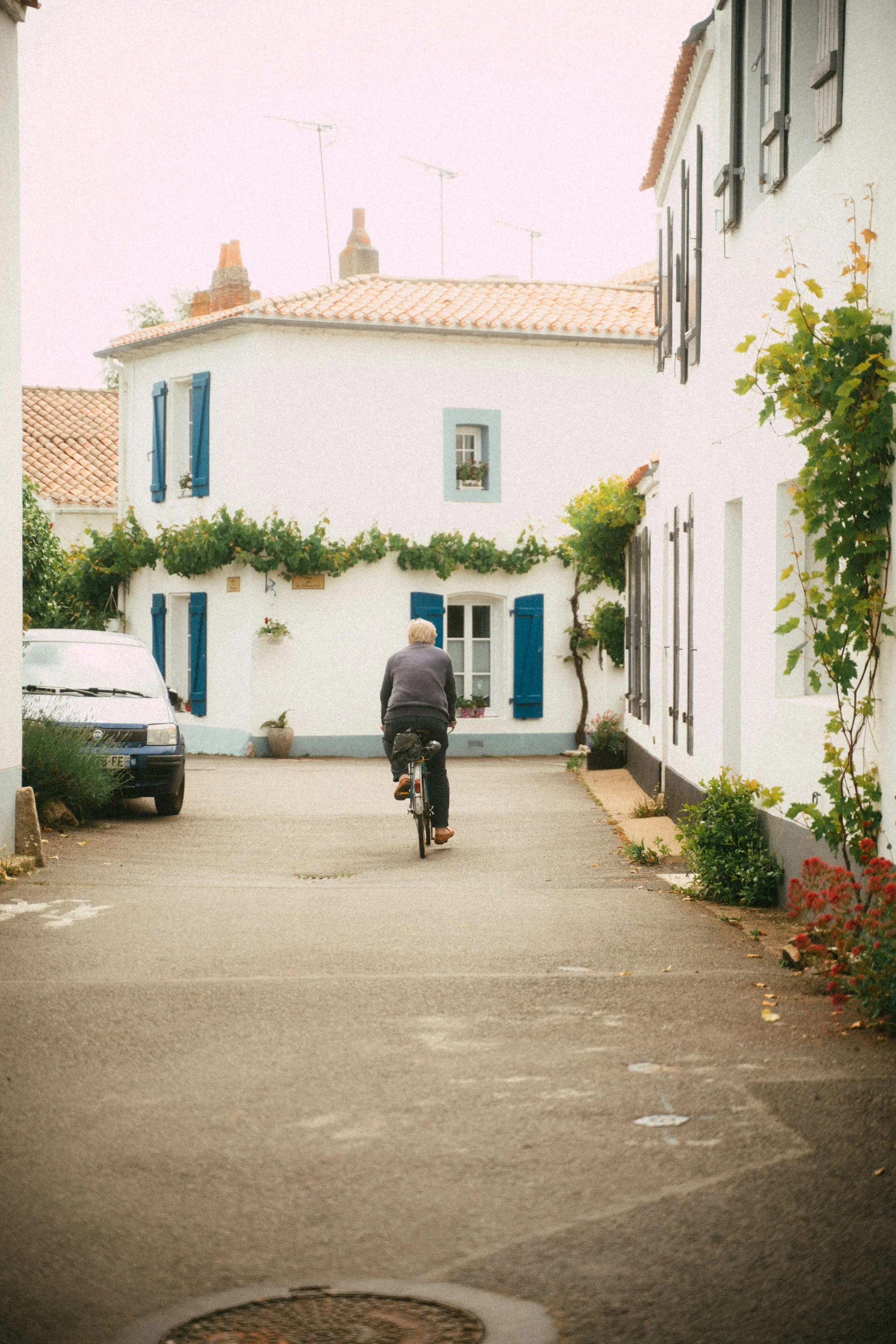
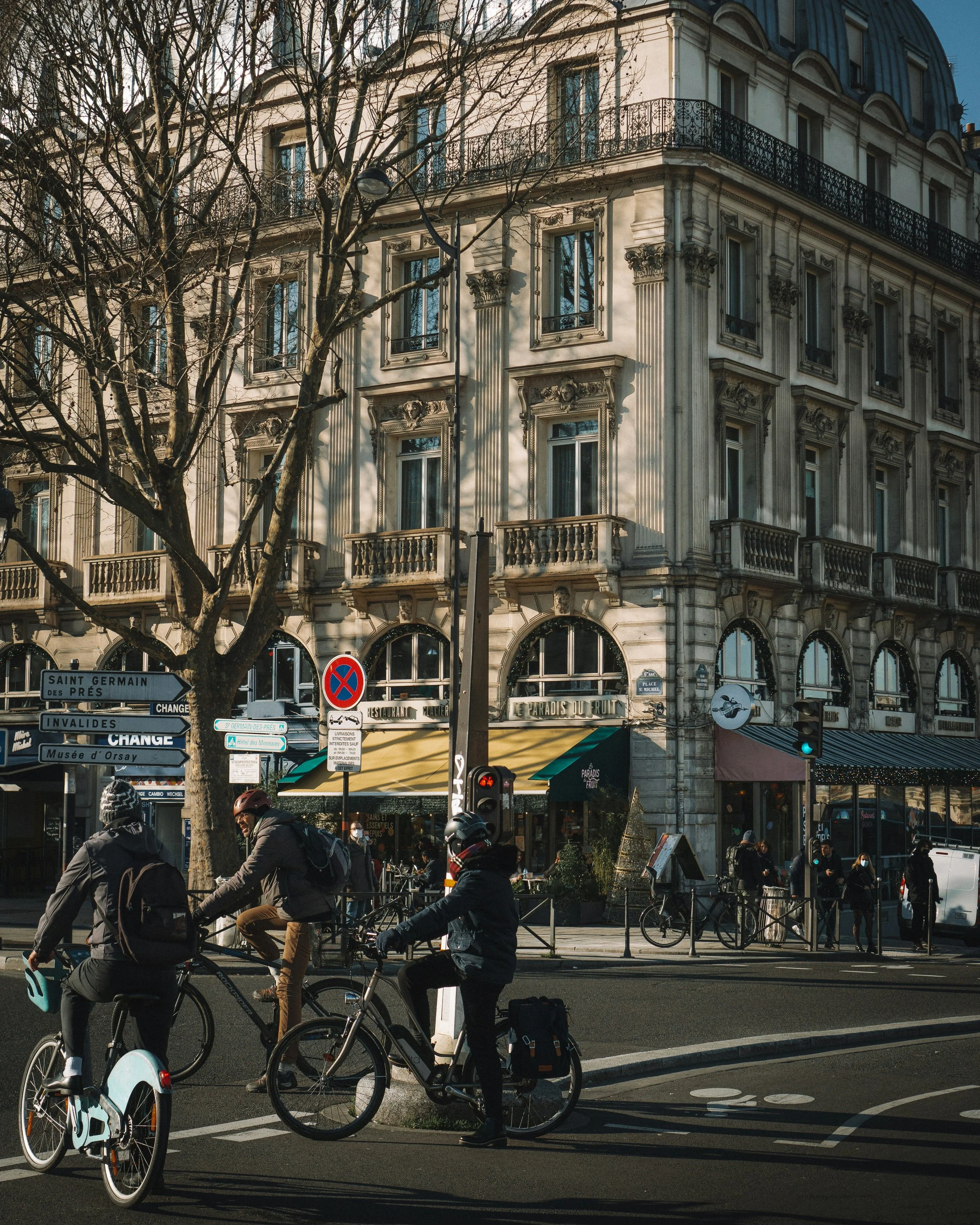
Back in my village, the rhythm is smaller but no less steady. Kids ride to school the way American kids ride to a friend's house, except this destination comes with homework. Retired neighbors pedal to the church square at a pace that would frustrate any serious athlete, stopping to chat wherever they please, because nobody's in a hurry. On Sundays, a few of them ride out past the edge of town just for the pleasure of it, which is the closest thing I've seen here to biking as a hobby. Even then, it looks less like exercise and more like an excuse to be outside.
I, myself, am still not the confident bike rider. I'm still getting used to riding in traffic and learning the rules and nuances of French cycling culture. I have not ventured into Paris proper on a bicycle — unlike the extremely confident (and sometimes oblivious) riders I see in the city, I still need to work up some nerve before I tackle that beast. What I am getting better at is my own village: there's a general respect for bicycles here, and I ride around for practice whenever I can. My new adventure is riding to the grocery store, doing my shopping, and loading up my side bags for the scenic ride home. For someone who lives here, that's probably nothing. For me, it's one more step toward riding with the "cool kids."
What I'm Taking With Me
By the time I got back to my own corner, none of it surprised me anymore. The suits near the Opéra, the tourists dodging Vélib' riders along Rivoli, the parents on cargo bikes, all of it had settled into something closer to normal, the way a new word in a foreign language eventually stops sounding foreign at all. Nobody here is trying to make a statement by riding a bike. They're just trying to get to work, or the market, or church, or a friend's kitchen table, and the bike happens to be the easiest way there. Watching a whole region quietly agree on that, one ordinary commute at a time, felt like something worth bringing home with me.
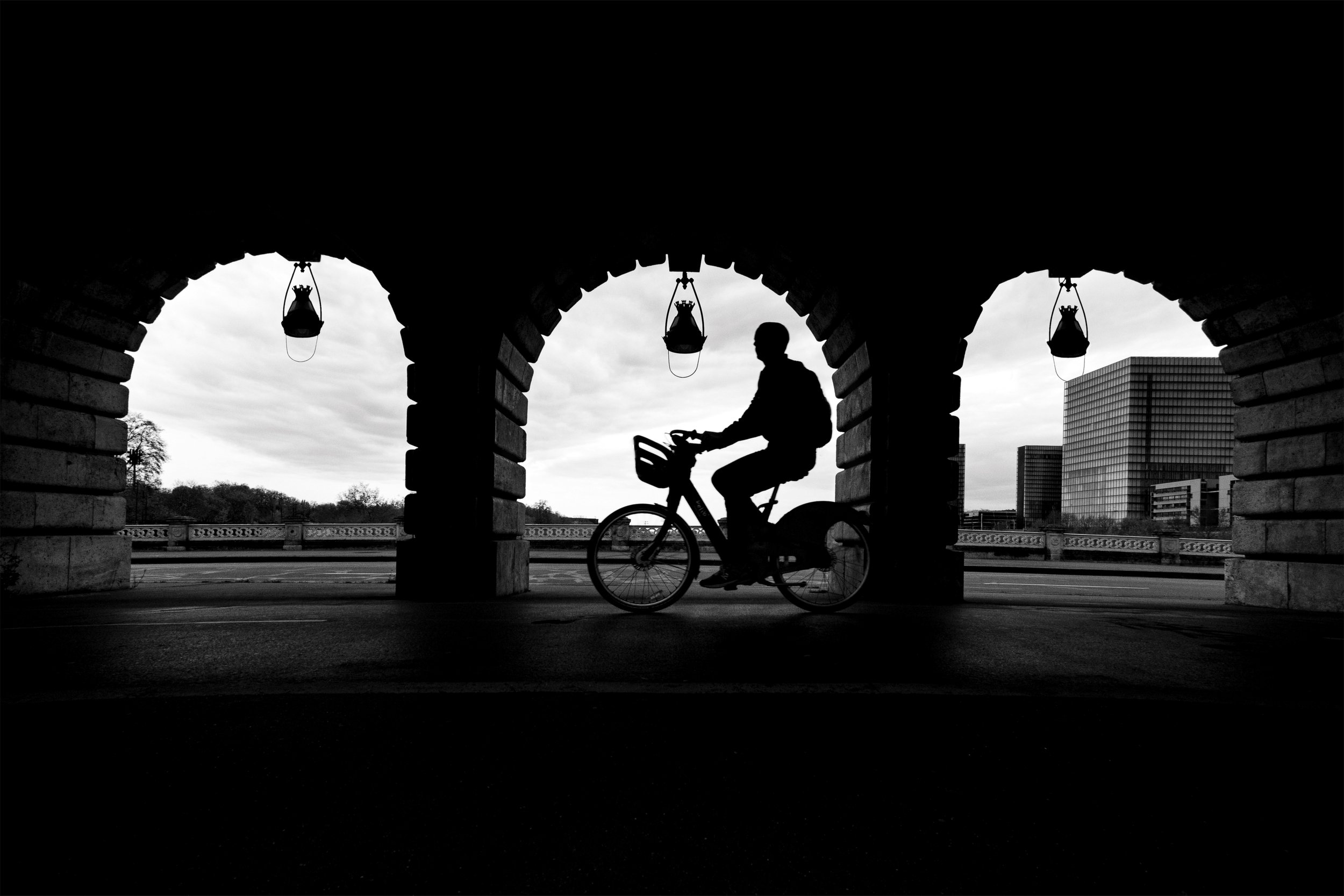
I'm still working on the ride in traffic near the Opéra, and Paris proper is still a beast I haven't worked up the nerve for. But the panniers are packed, the village roads are getting familiar, and somewhere between the bakery and the church square, I think I'm starting to get it. Ask me again once I've survived Rivoli.
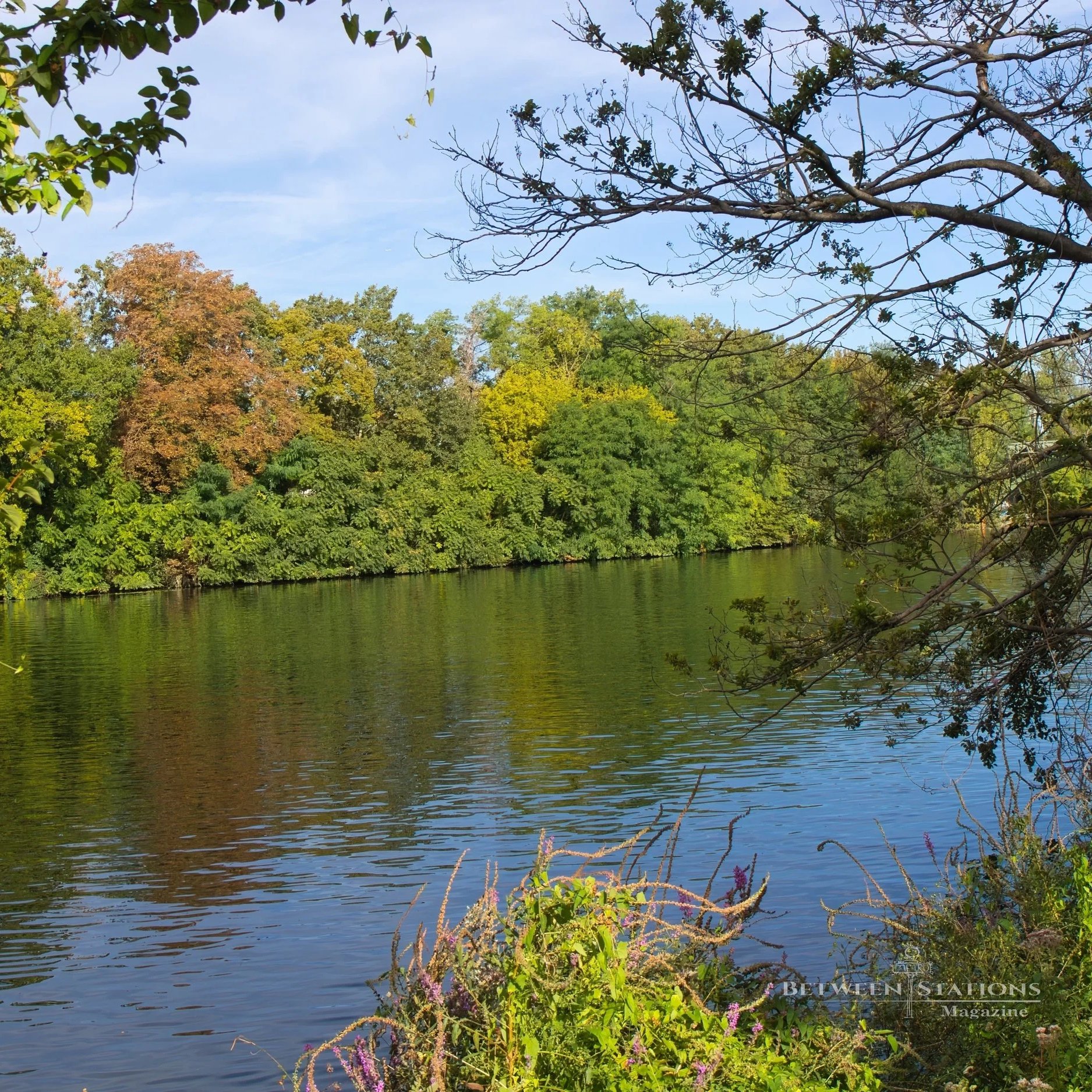
October Random Walk: A Wooded Stroll Along the Seine
This month's random walk isn't really a walk at all — it's a stroll, the kind where you let your pace slow down and just take in the view.
A quiet, unhurried walk through Rueil-Malmaison's riverside neighborhoods.
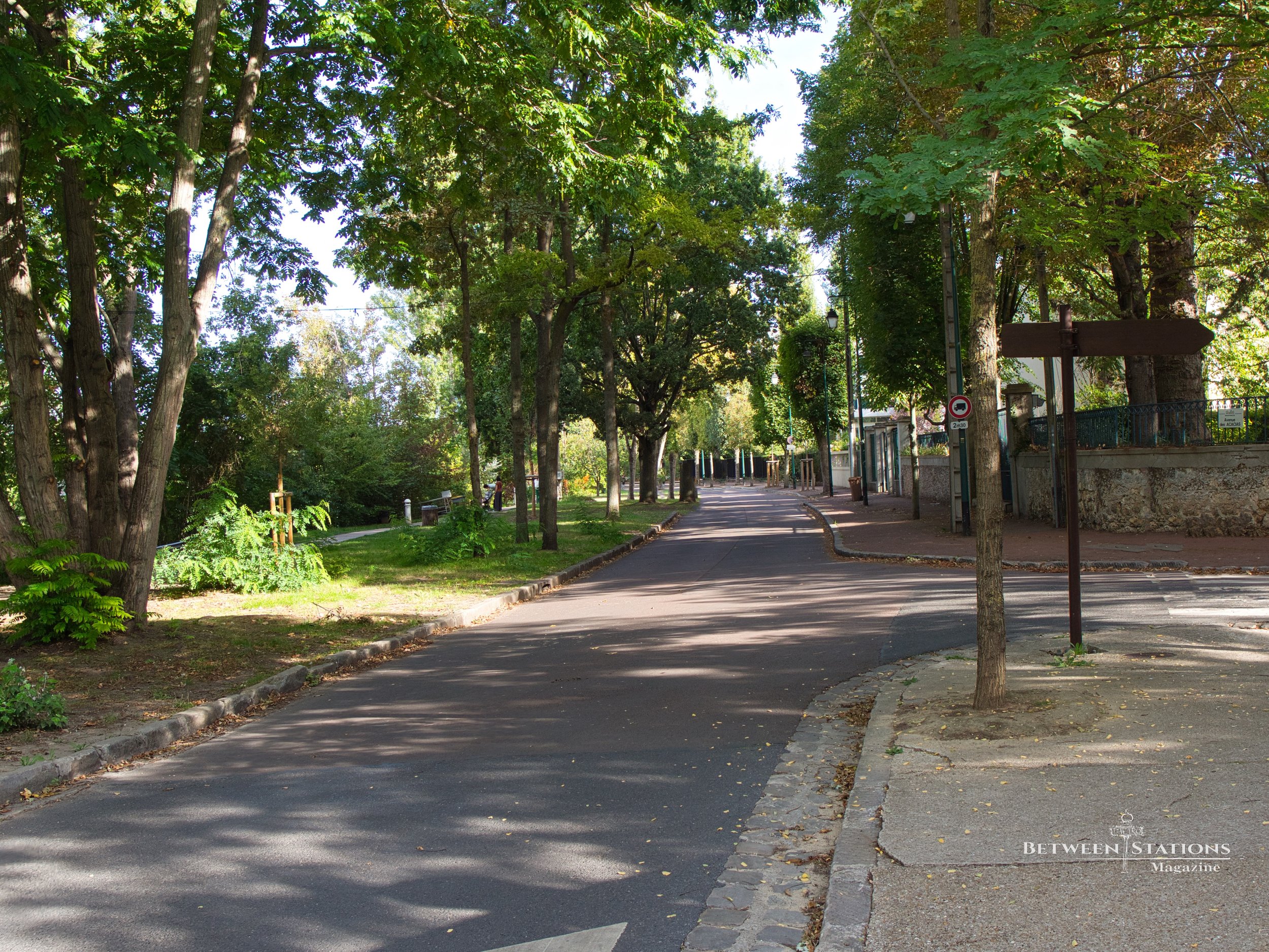
This month's random walk isn't really a walk at all — it's a stroll, the kind where you let your pace slow down and just take in the view. Our backdrop is a quiet, tree-lined stretch of Rueil-Malmaison that hugs the banks of the Seine, and honestly, it might be one of the most peaceful little corners we've featured yet.
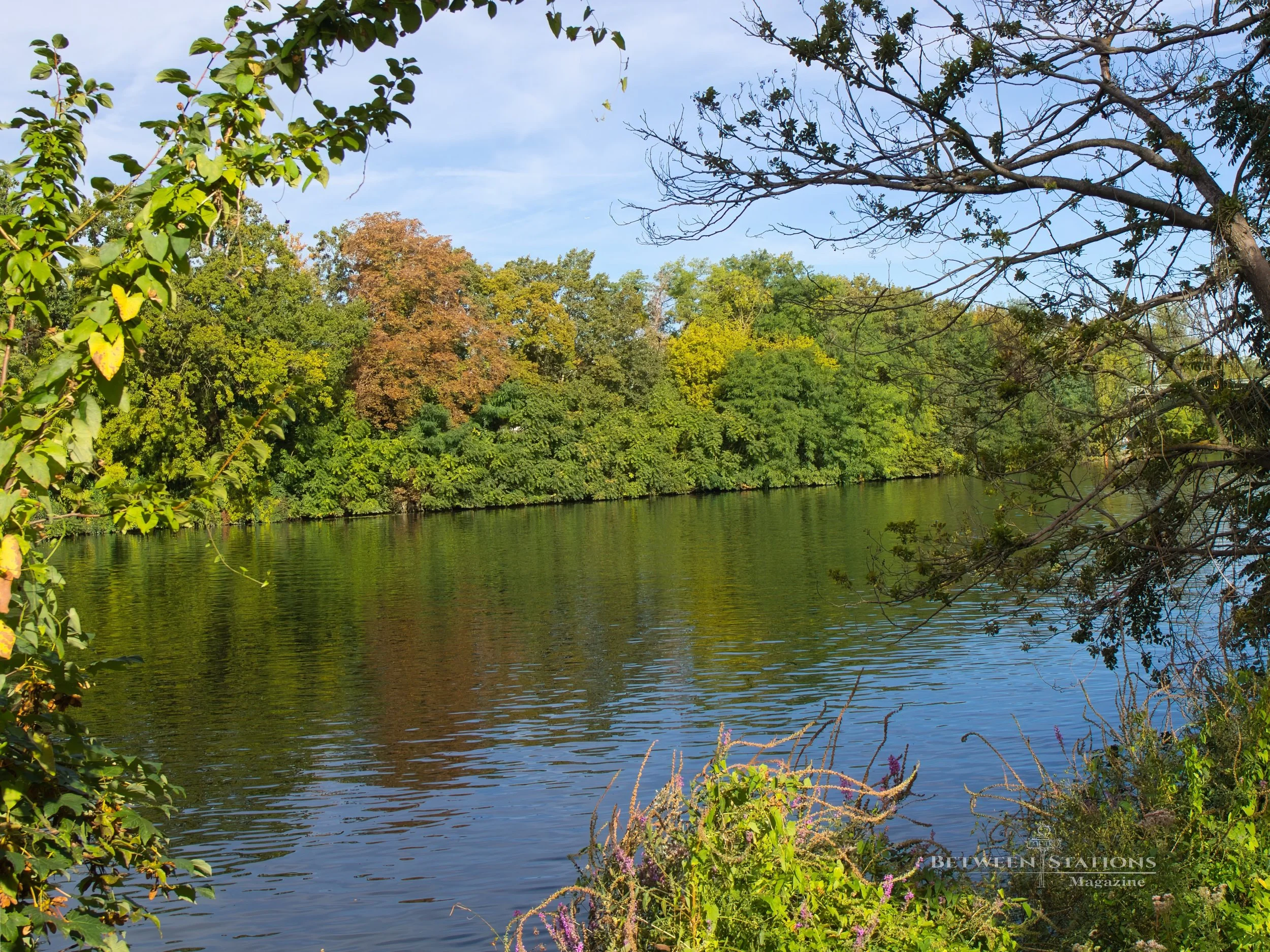
Getting Started
We begin at the Rueil-Malmaison RER A station, a quick ride from central Paris if you're coming from the city. Leave the station through the Avenue de Colmar exit, cross the street, and turn right. Keep an eye out for the first street on your left — it comes right before the rail overpass — and that's Avenue de Seine. From there, it's a straight shot down to the river, no turns, no guesswork.
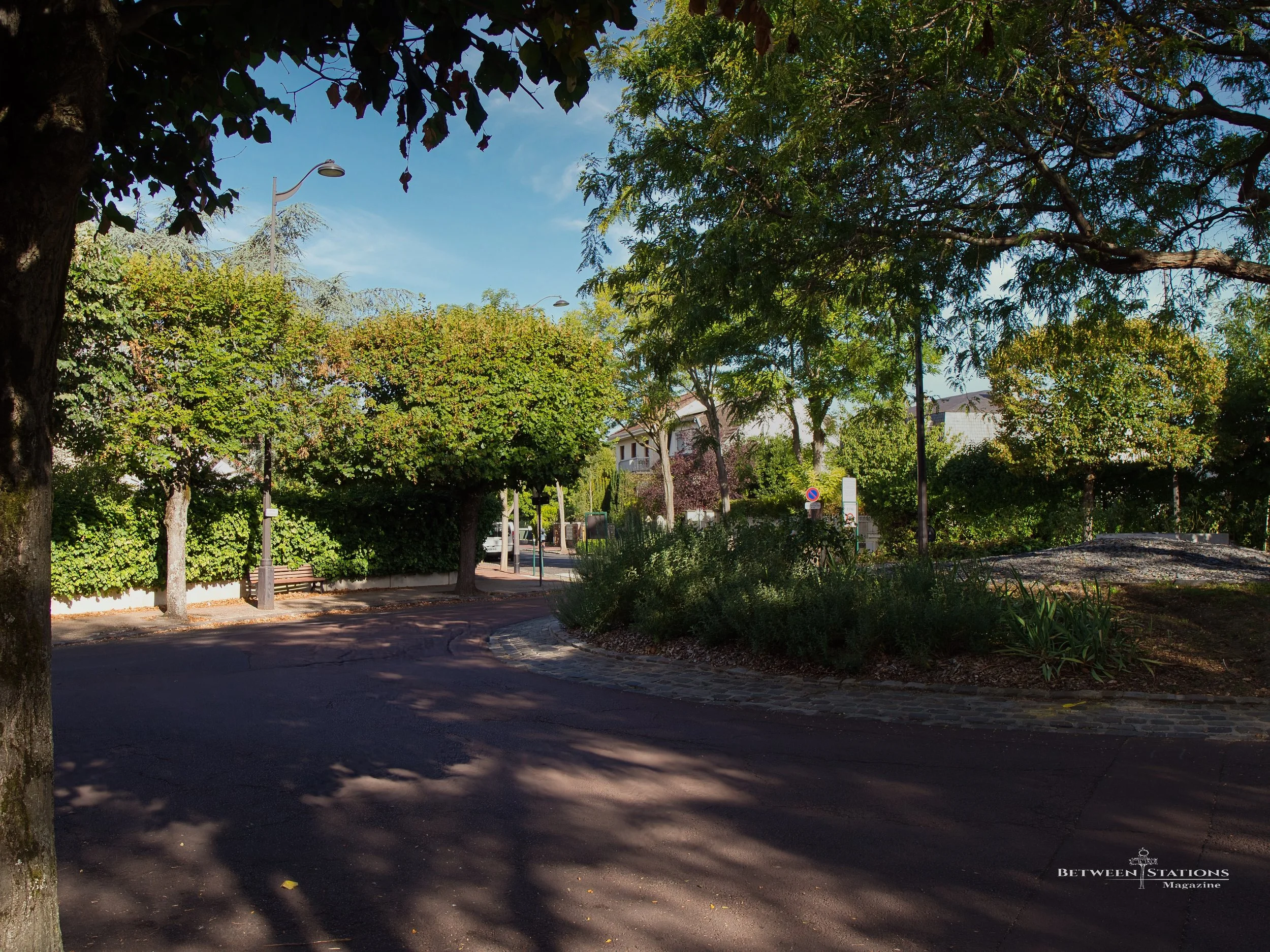
Avenue de Seine itself is worth slowing down for even before you reach the water. It's a quaint, tree-lined street with lovely homes lining one side, the kind of quiet residential charm you don't always expect to find just a few stops outside Paris. Keep walking until you reach the corner of Boulevard Bellerive — that's when the river comes into view, and that's also when the real tranquility of this walk begins.
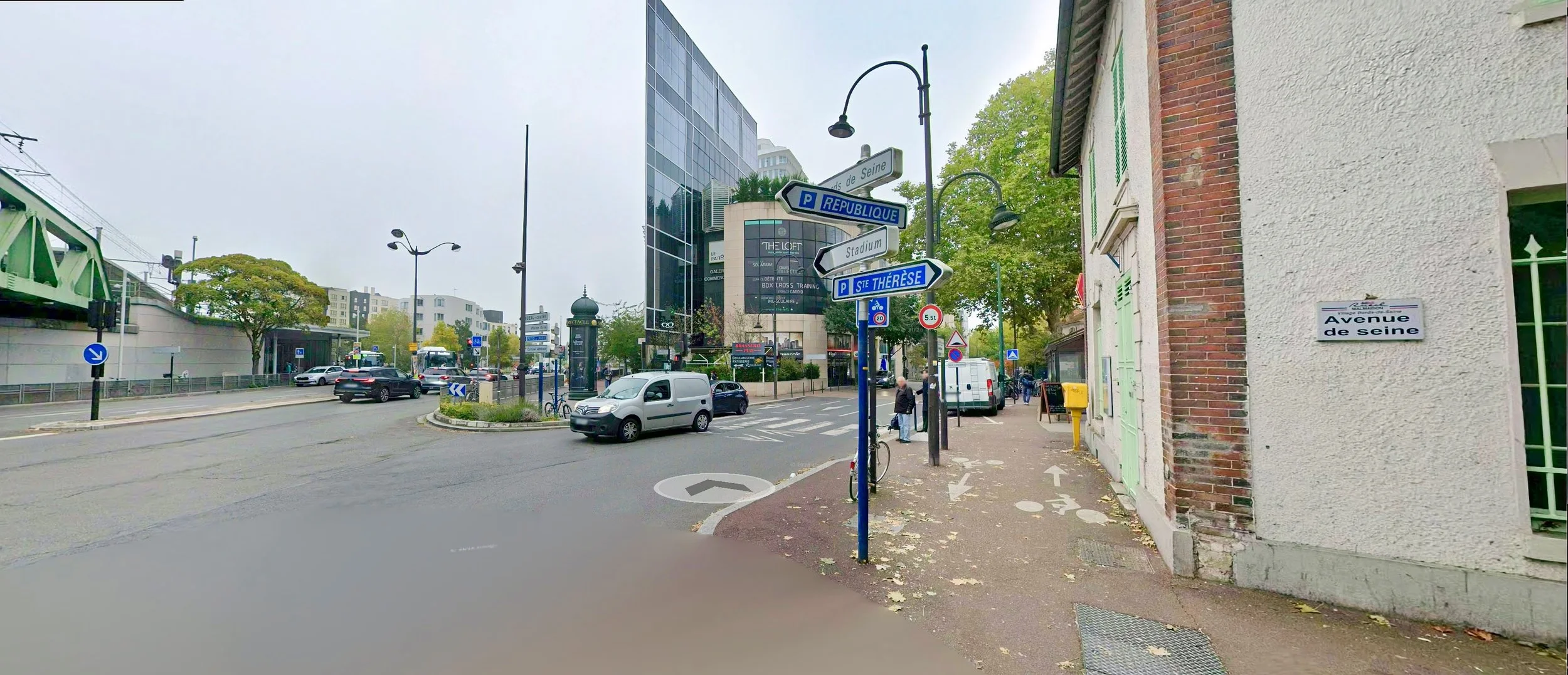
Avenue de Seine itself is worth slowing down for even before you reach the water. It's a quaint, tree-lined street with lovely homes lining one side, the kind of quiet residential charm you don't always expect to find just a few stops outside Paris. Keep walking until you reach the corner of Boulevard Bellerive — that's when the river comes into view, and that's also when the real tranquility of this walk begins.
Along the River
Turn left onto Boulevard Bellerive and settle in — this is the heart of the walk. It's a beautiful, tree-lined street bordered by gated homes on one side and the Seine on the other, and what makes it special is simply how calm it feels. Aside from the occasional electric car gliding past, the area is remarkably quiet, a real contrast to the bustle you just left behind on Avenue de Colmar. There isn't much more to say about this stretch, honestly — it's less about narration and more about noticing. Let your shoulders drop a little. Take in the sights and sounds. Watch the light move across the water.
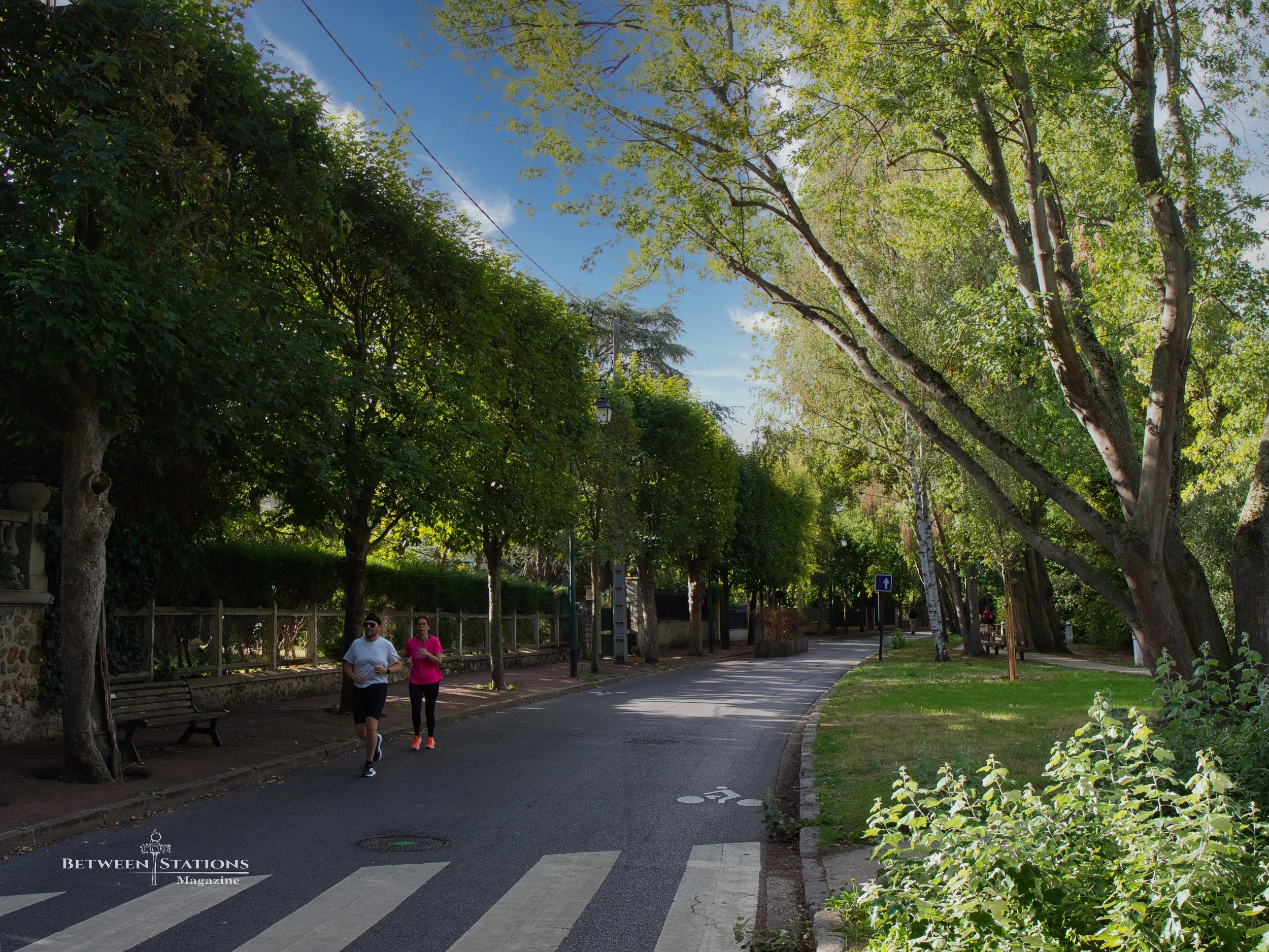
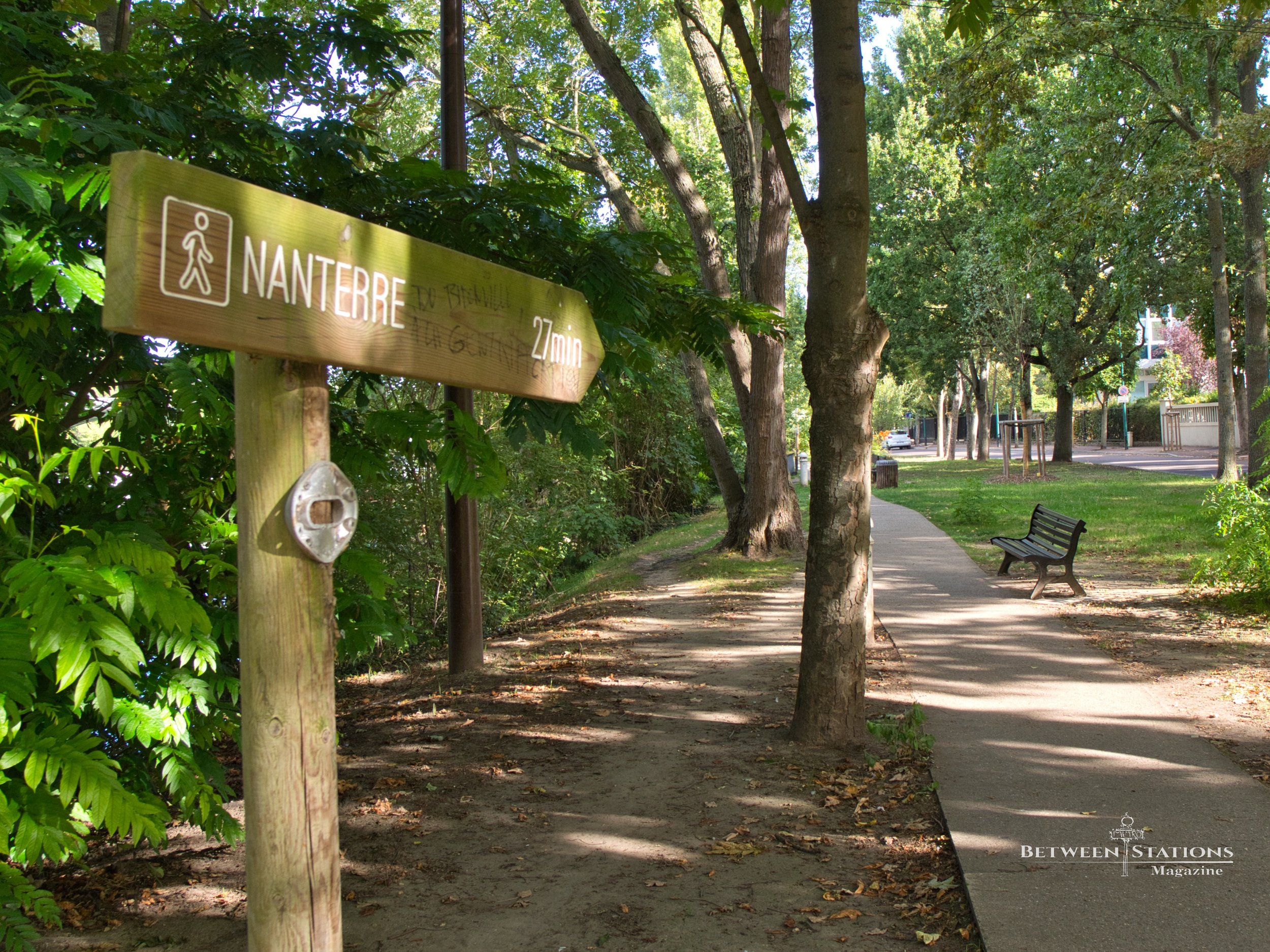
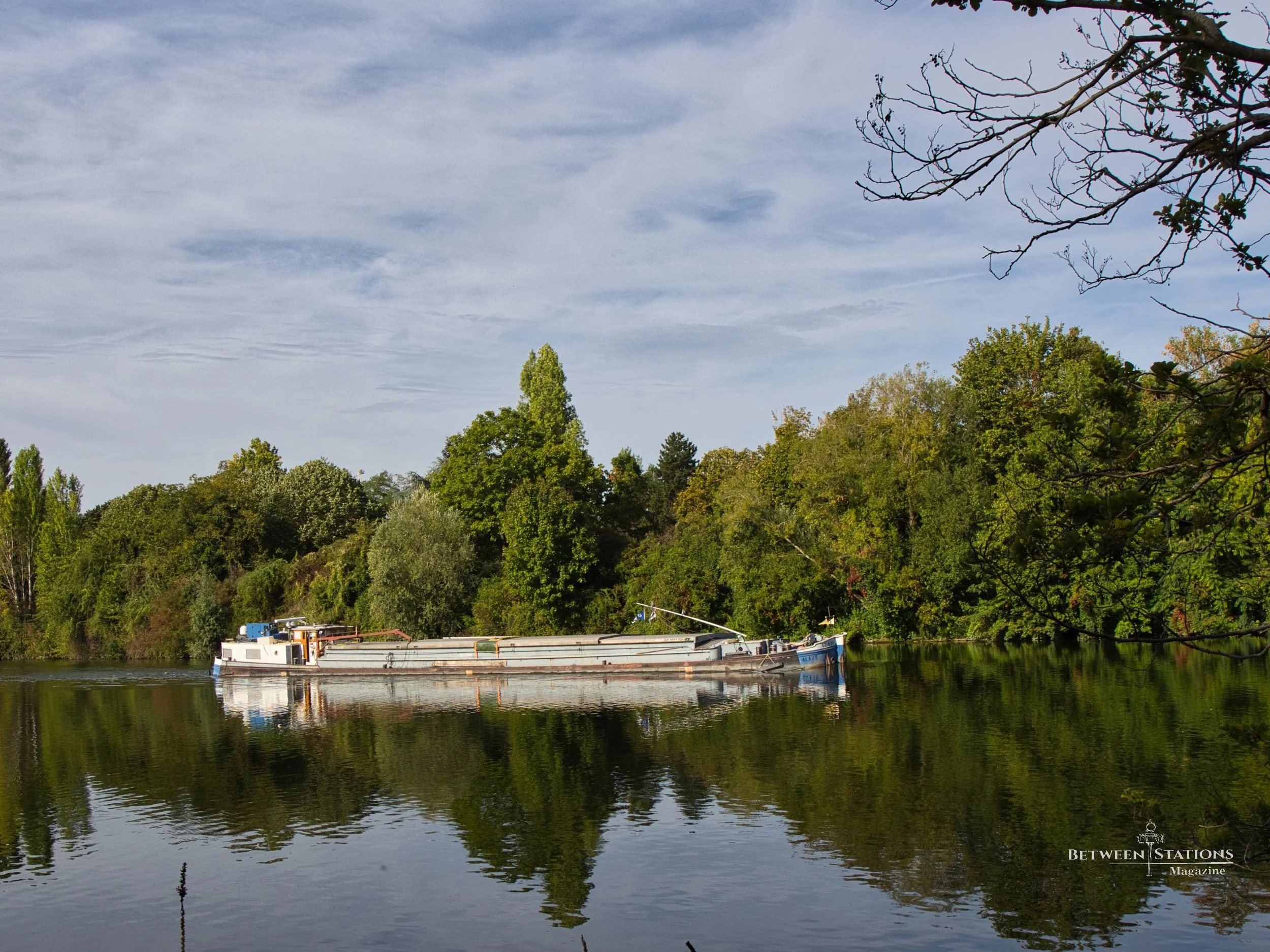
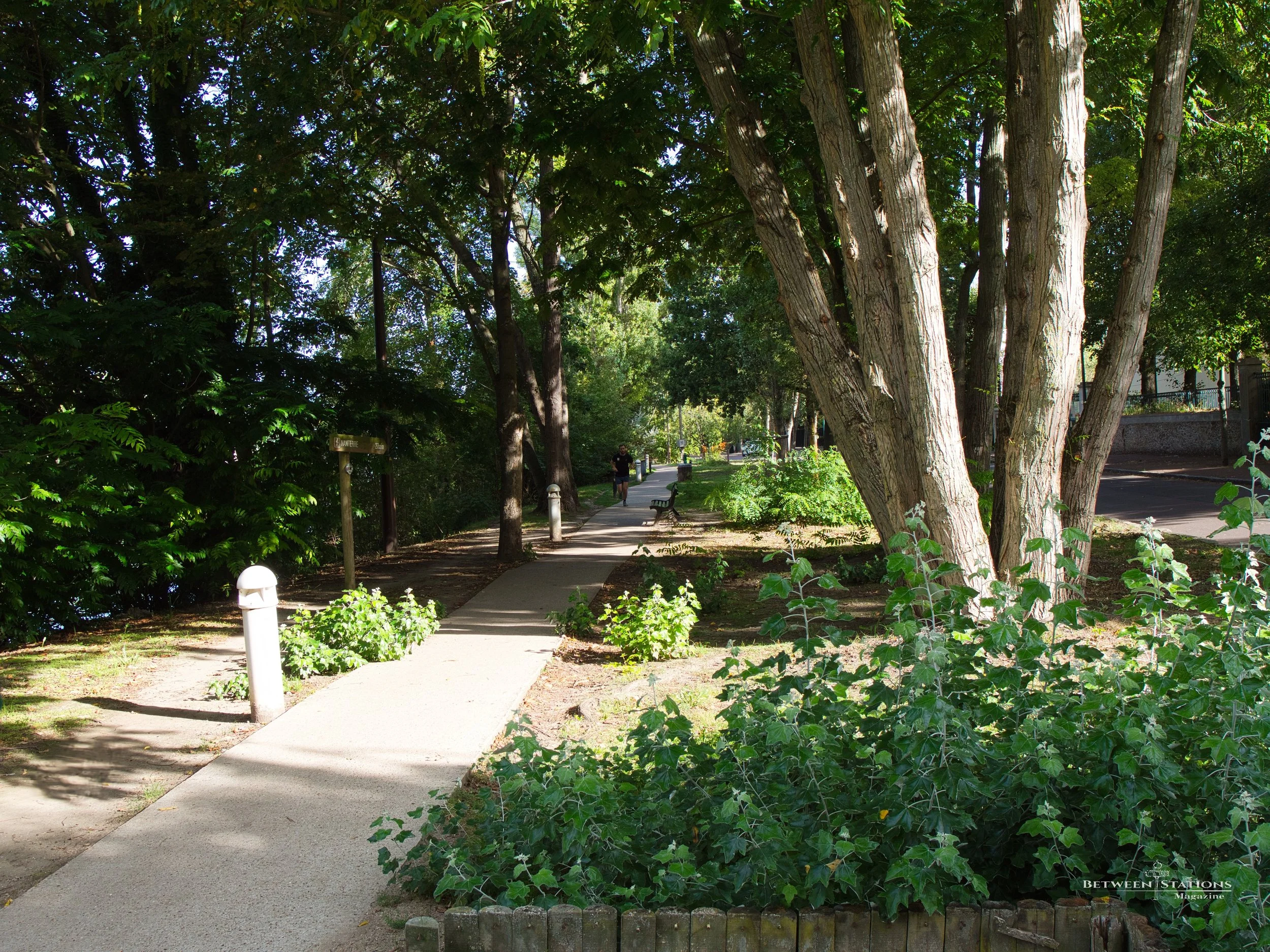
Eventually the paved street gives way to a semi-paved walkway, closed off from car traffic by a small barricade. This section belongs to walkers, runners, and cyclists, still tracing the curve of the Seine the whole way. You'll find benches scattered along the path if you'd like to sit for a while — and I'd encourage you to. This part of the walk is just as beautiful as what came before, maybe even more so with the water so close at hand.
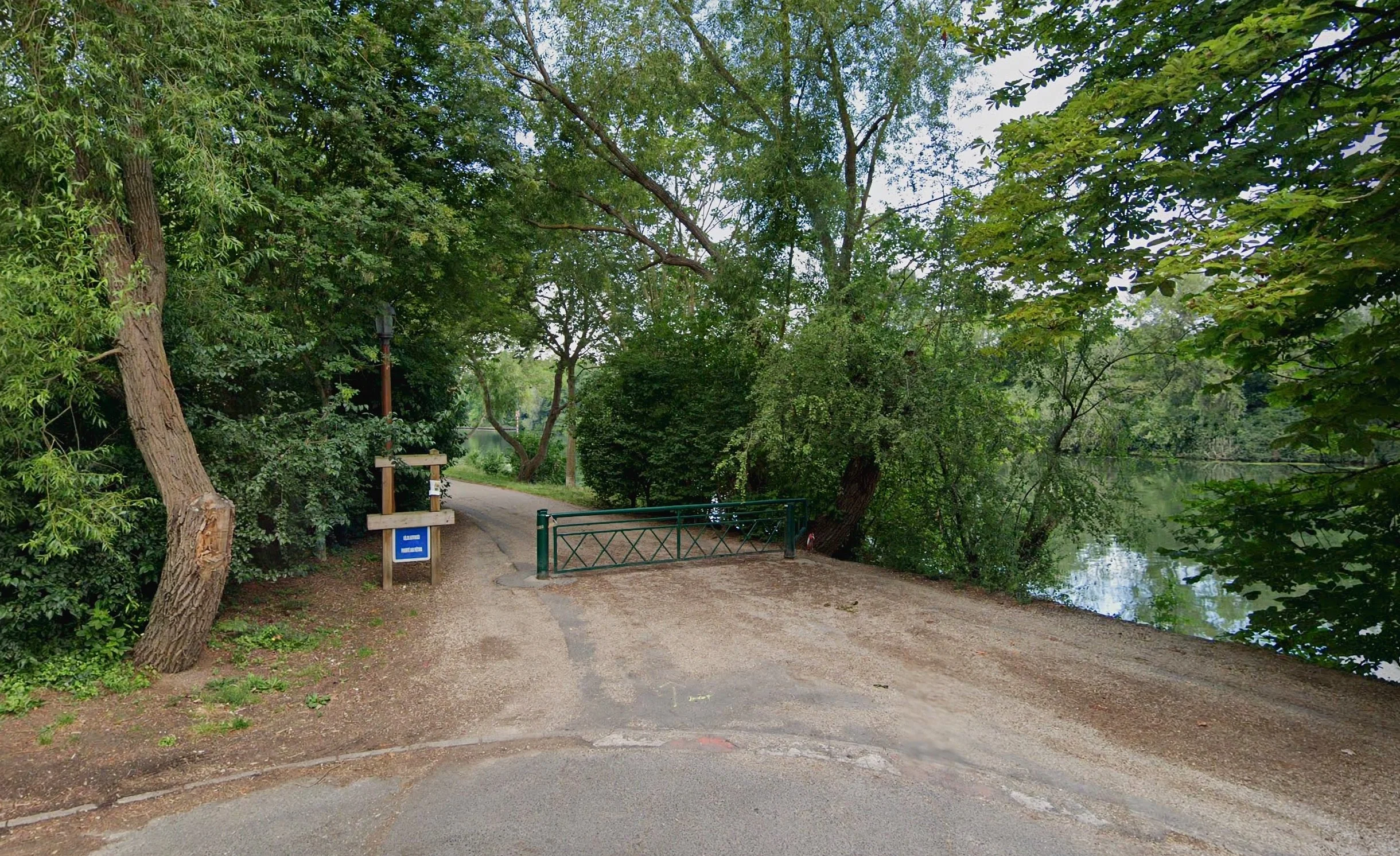
When you're ready to head back, the simplest option is to retrace your steps the way you came. But if you're up for a bit more exploring, here's a nice option: once you're back at Avenue de Seine, keep walking past it along the river, ducking under the rail overpass. This carries you into a few neighboring pockets of Rueil-Malmaison, each just as charming as the last. Follow that route and you'll eventually land back on Avenue de Colmar, a little further up from where the RER A station sits — a nice loop if you'd rather not backtrack.
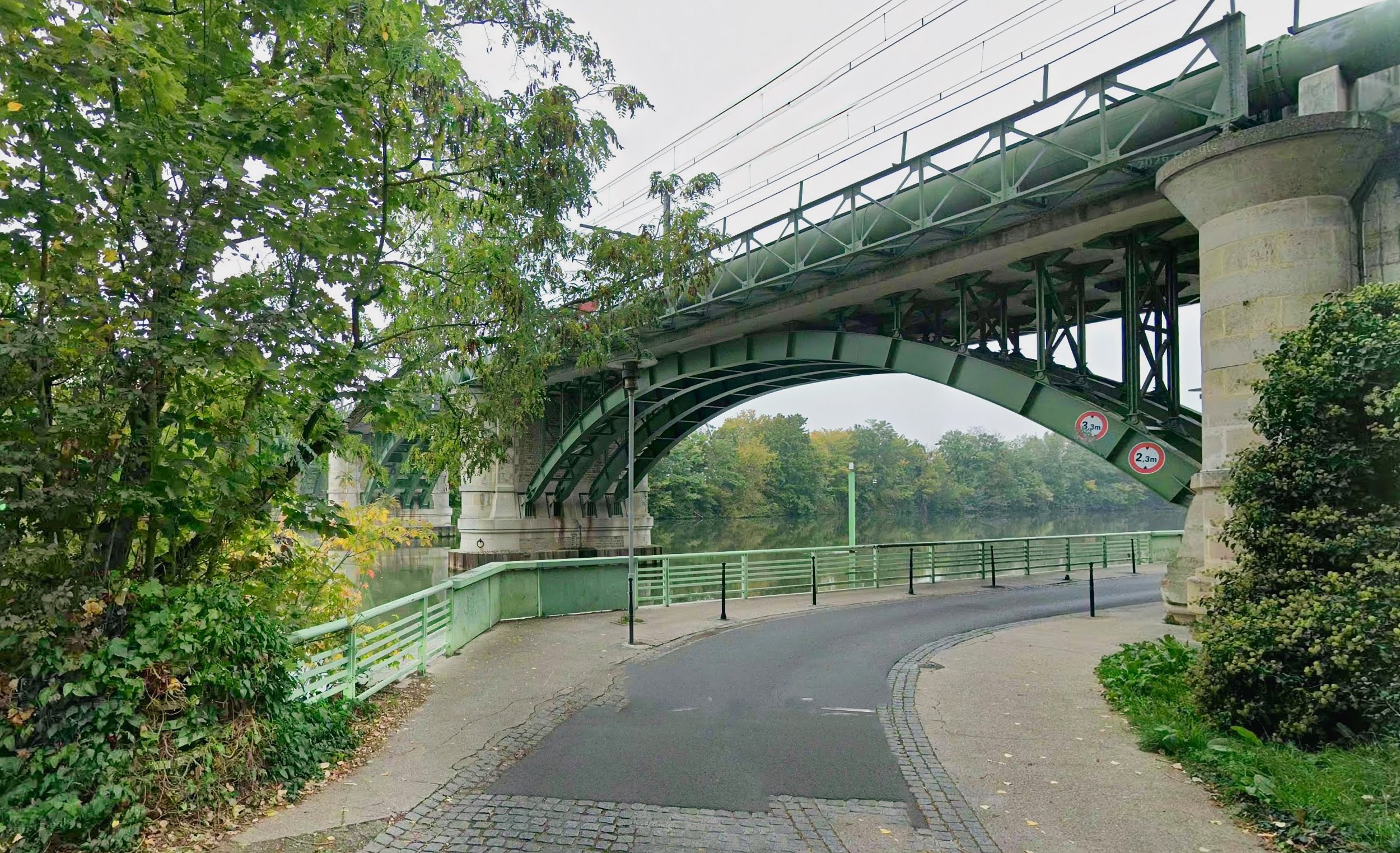
A Few Practical Notes
If you're planning your visit, it's worth checking the RATP journey planner ahead of time to confirm RER A schedules from central Paris, since weekend service can shift. Rueil-Malmaison itself has plenty of history beyond this walk too — the town is home to the Château de Malmaison, Napoleon and Joséphine's former residence, which makes for a lovely add-on if you want to turn this into a fuller day out. And for those curious about the Seine's path through the wider region, the official Seine tourism site has some nice background on the river's role in the towns it winds through.
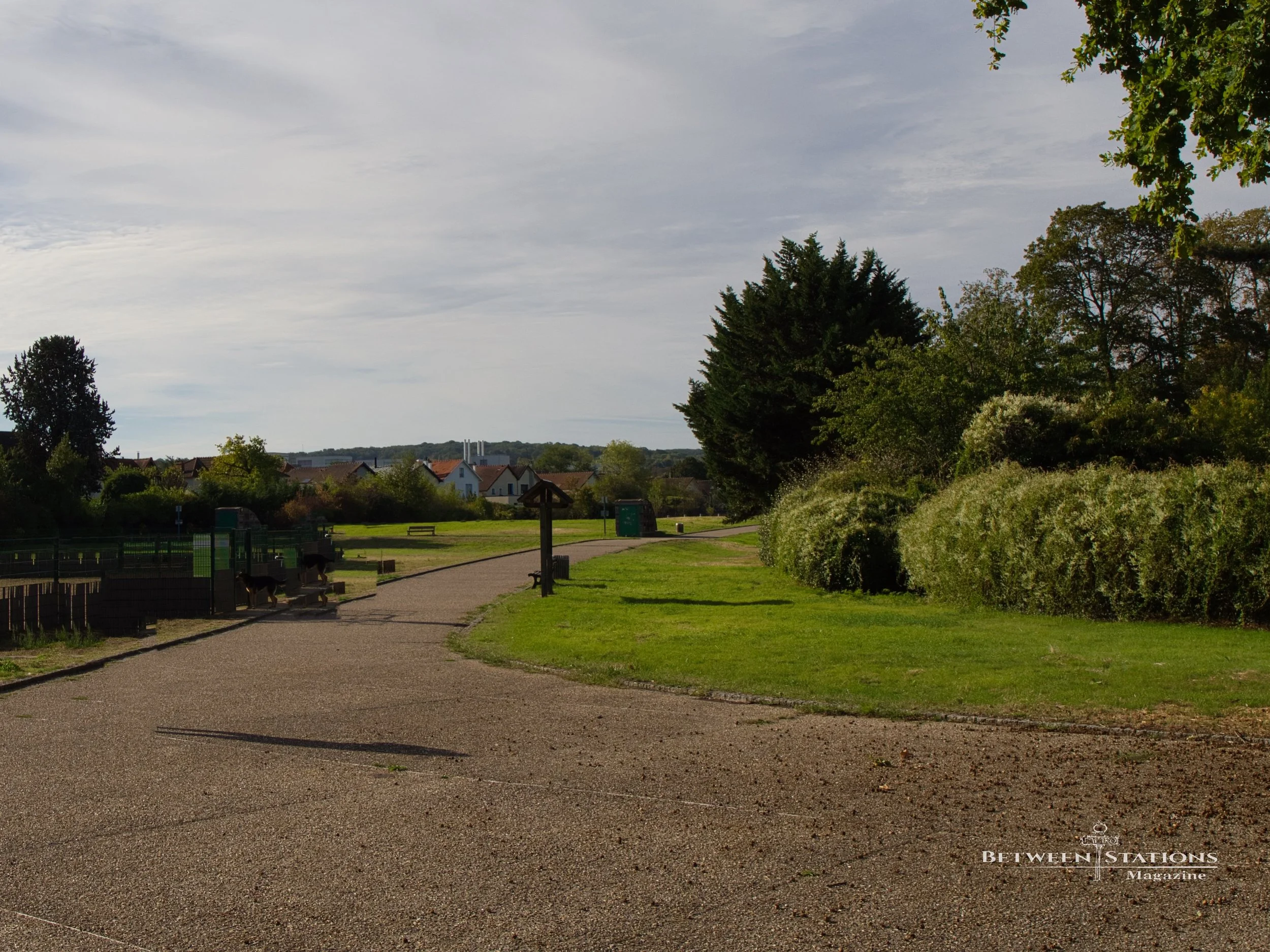
This is a completely unstructured walk, built entirely around the experience of the environment rather than any checklist of sights. It isn't fussy, and it doesn't ask much of you beyond showing up. Bring a coffee, bring a friend, bring nothing at all — just come ready to slow down for an hour and let the river do the rest. Autumn light on the water has a way of making even a short stroll feel like a small escape, and this one delivers that in spades. Once you've done it, don't be surprised if it becomes a habit — some walks are made for revisiting, and this quiet stretch of the Seine is exactly that kind.
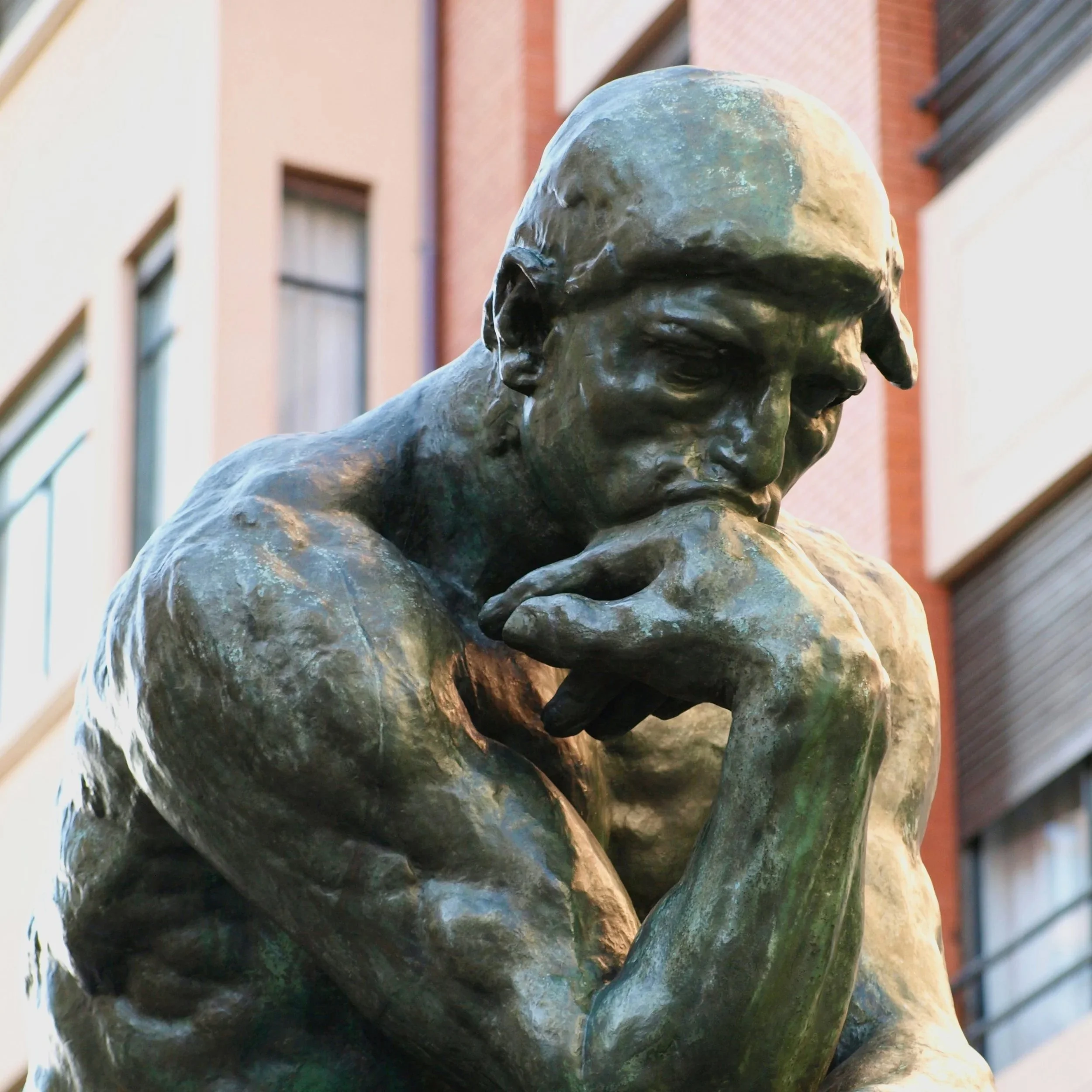
The Last Stop - A Closing Thought From Between Stations Magazine
Bend A Little
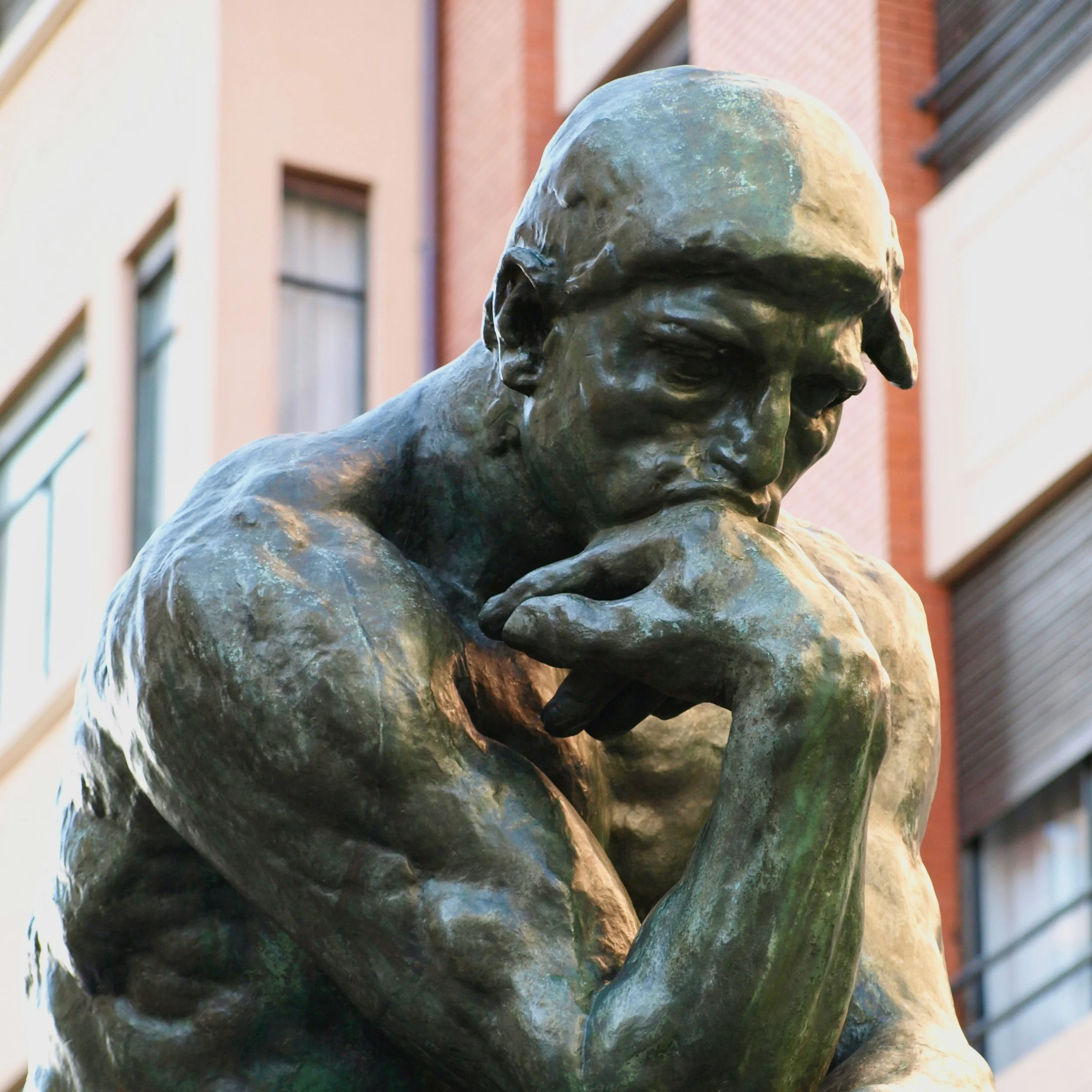
Bend a Little: The Skill That Makes Life Easier to Live
You don't need the perfect plan — you just need to know how to roll with the one you've got
When I was growing up, I loved the cartoon where Wile E. Coyote would shoot an Acme cannonball at the Road Runner. He was certain this was the time he'd finally get him. Wile E. gets Road Runner in his sights and lets the cannonball fly. Road Runner, running down the road just having fun (at full speed, mind you), sees this and... adjusts. He stops. He ducks. He steps aside. In short, he alters his plan. Without fail, the cannonball finds its way into a big, curved cutout and gets flung right back at Wile E. Mr. Coyote, stunned that his "certain" plan didn't work, makes no adjustment whatsoever and is soon seeing stars. When will that coyote ever learn?
And guess what? We're all a little bit Wile E. Coyote sometimes. We build a plan, get completely certain about it, and then act shocked when life sends it flying back at us. Here's something that happens to almost everyone at some point: you build a plan, and the plan doesn't stick. Maybe you had a timeline for when things "should" happen, or a picture in your head of how a certain year was going to go. Then something shifts, and suddenly the picture in your head doesn't match what's happening.
You've got two ways to handle that moment. You can hold on tight to the original plan and get frustrated every time life doesn't match it. Or you can loosen your grip a little and figure out what to do with what's in front of you. That second option is what flexibility looks like, and it might be one of the most useful skills you can build for yourself.
Why It's So Hard to Let Go of the Plan
A clear plan feels safe. It gives you something solid to hold onto, so when life pushes back against it, the first instinct is usually to push back harder and work extra hard to force things back on track.
I knew that I wanted to live in Europe, and my heart was set on Spain. I was fully in a "Spain or Bust" state of mind. That was my certain plan, and I started working toward it. But while doing my research, I started noticing things that made me think a little differently. I checked, and double-checked, and eventually realized Spain — while still a great country — wasn't going to be the best fit for me. I stepped back, widened my search, dug in a little more, and landed on France instead. That pivot turned out to be one of the best moves I've made, and France has been amazing.
Holding onto a plan that's already changed shape takes a lot of energy, and it can keep you stuck fighting for something instead of dealing with what's actually going on. Kevin Cronin, the guy who wrote "Roll with the Changes" for REO Speedwagon, put it best — the song's basically an anthem for embracing life's curveballs and moving forward anyway. So being flexible isn't the "giving up" move. It's the move that tends to work out better in the long run.
What Being Flexible Really Means
Being flexible doesn't mean you stop having goals or direction. It means you hold your goals a little more loosely, so they can bend without breaking. Instead of giving up on the goal completely when the timeline doesn't happen, you ask yourself what you want in the first place. Once you know that, you can find other paths that get you there, even if they look nothing like the one you first imagined.
It shows up in small, everyday ways too. Your weekend plans fall apart, so you come up with a new plan instead of writing the whole day off. You try something new even though it wasn't part of "the plan." A friendship changes over time, and instead of holding onto how it used to be, you let it grow into something different. None of this looks like a big deal on its own. But over time, it adds up to someone who can handle change without falling apart every time something shifts.
Why This Makes Life Better, Not Just Easier
Here's the part we sometimes miss: being flexible isn't just a way to survive hard times. It's a way to end up somewhere better than you planned. When you stay open to a different path, you sometimes find things you never would have found by sticking to the original one — like an entire country you weren't even considering.
A good life usually isn't the result of one perfect plan followed step by step. It's more like a bunch of small adjustments along the way — noticing when something isn't working, staying curious about what else could work, and trusting yourself enough to follow that new direction, even when it wasn't part of the original map.
How to Get Better at Bending
You don't need a big crisis to start practicing this. It can be as simple as asking "what else could I try?" instead of "why isn't this working?" the next time a plan falls apart. (I can tell you firsthand — my initial plan falling apart led to something even better.) Do that enough times, and it turns into a habit. And that habit builds a kind of steadiness — not the kind where nothing ever goes wrong, but the kind where you know you can land on your feet no matter what happens.
My "Spain or Bust" plan is probably still out there, filed in some drawer marked Certain at the Time. But I ducked when the research told me to duck, I stepped aside when the timeline stopped making sense, and I ended up in France — which, it turns out, was the big, curved wall I needed the whole time. Plans are going to fall apart. That part's non-negotiable. The only real question is whether you're the guy watching his cannonball come back around, or the one who saw it coming and moved.
So, here's to being the Road Runner and not the Coyote. Somewhere out there, ol' Wile E. is still waiting on his next Acme delivery, fully convinced this cannonball is the one that finally works. He never adjusts. He never learns. He just keeps getting launched into a canyon, dusting himself off, and ordering the same doomed contraption from the same catalog. Meep Meep, buddy — some of us have places to be.
As always, slow down, look around, and enjoy the journey…between stations.