
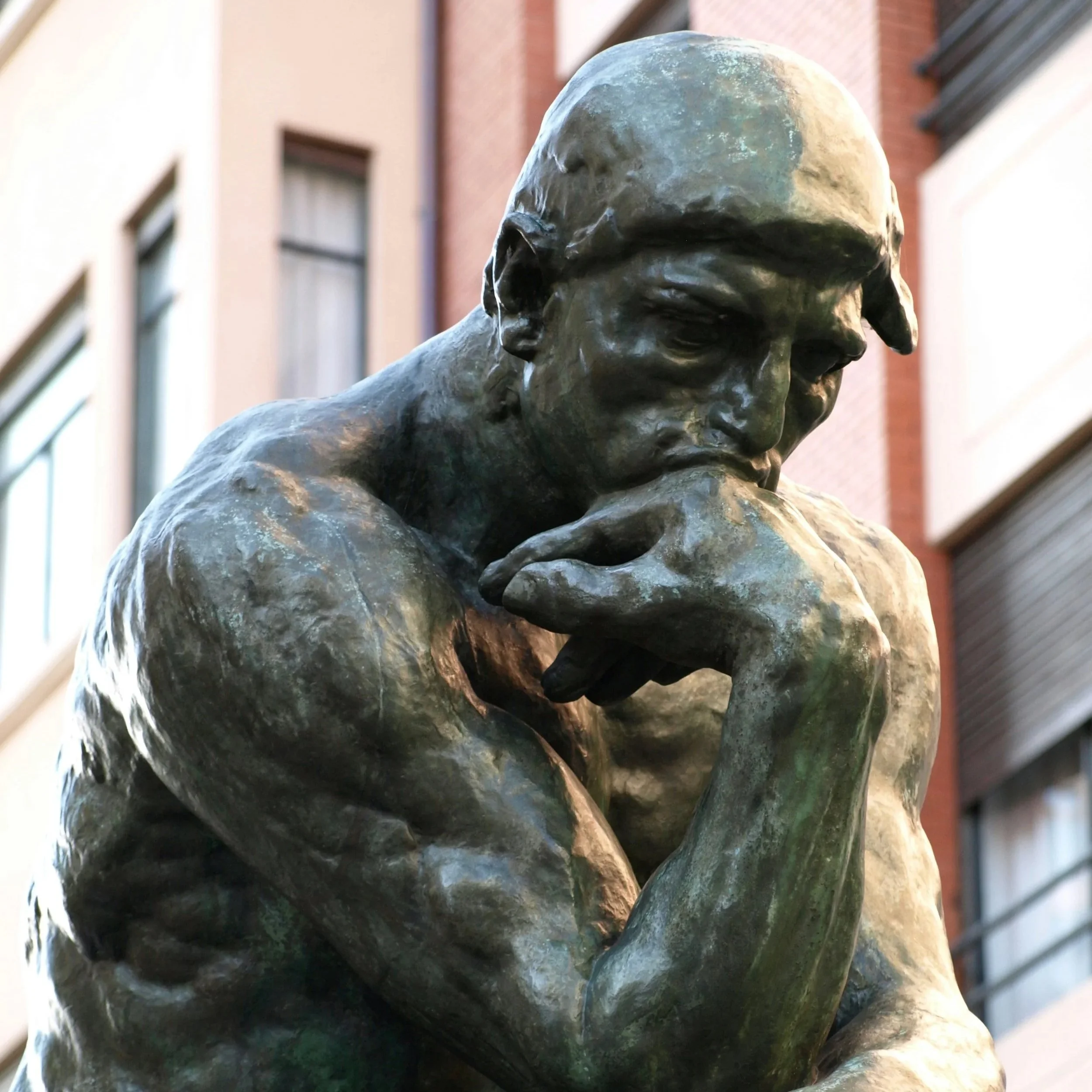
The Last Stop - A Closing Thought From Between Stations Magazine
A Sense of Wonder
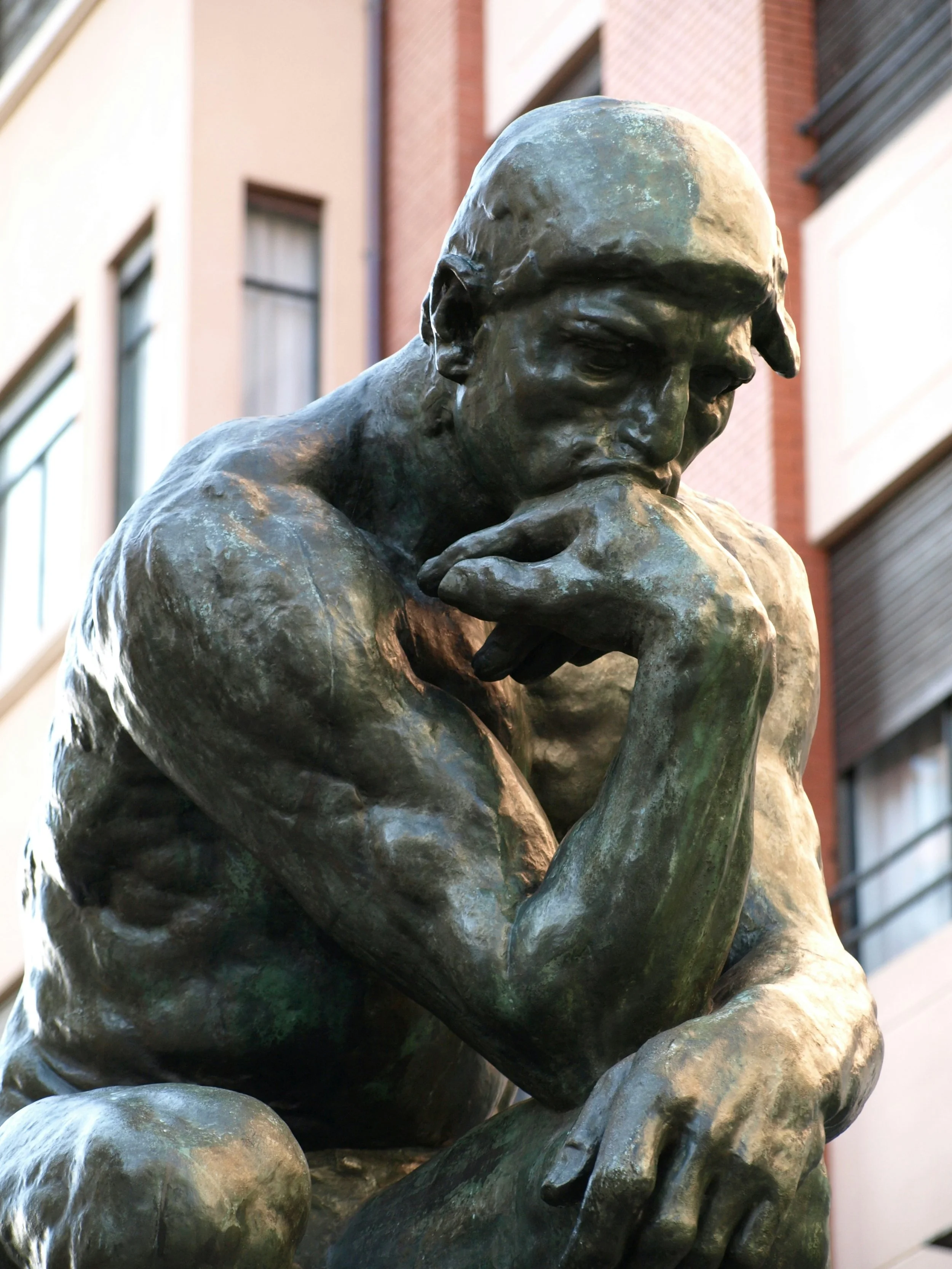
A Sense of Wonder
"A sense of wonder is the mind's way of reminding you that the world is bigger than your plans."
Think back to when you were a kid for a second. I bet you had some pretty big, wild plans. Not really about what you wanted to be when you grew up, but what you wanted to do. Fly a jet. Climb a mountain. Race a fast car. Go to space, even. Or maybe your version was a little quieter — sailing across the ocean, biking across the whole state, or just landing somewhere far away and completely new. Whatever it was, there were no limits on it. No budget, no logistics, no "but how would that even work." Looking back, honestly, that was a great headspace to live in.
When Wonder Gets Buried
And then... we grow up. And somehow that sense of wonder just gets buried under everything else — work, bills, deadlines, all the little responsibilities that pile up day after day. You don't even notice it happening. One day you look up and adulting has basically taken the wheel. "It's gonna happen" turns into "one day it'll happen," and then eventually just kind of fades into "one day... maybe." Nobody decides to let go of that wonder. It just gets crowded out, a little at a time.
And look, that makes sense. When life gets full, you focus on what's right in front of you, because it matters. We build careers, buy homes, raise families, take care of the people we love. A lot of us are genuinely happy living that life. But here's the thing — that sense of wonder, those dreams you had as a kid? They never actually left. They're still in there somewhere, kind of jumping up and down, waving their arms, trying to get your attention. That curiosity, that itch to go see or try something new — it didn't disappear. It's just resting. Waiting for you to give it a little nudge. And the fact that it's still there tells you something: you've still got what it takes to go after it, in whatever shape makes sense for your life now.
Finding Wonder Again
Maybe you can't climb Everest — but you can find a trail near you and fall in love with hiking. Maybe race cars aren't happening — but a road trip with no real plan can scratch that same itch. Maybe space is off the table — but you could join a stargazing group and finally learn what you're looking at up there. And hey, if some of those bigger dreams are still within reach, go for it. If new ones have taken their place along the way, that's great too. This is your story, and whatever you're chasing — big or small — it's worth going after. So, take that first step. Or if you've already started, just take the next one.
Whatever else happens, try not to let go of your sense of wonder. It's one of the things that reminds you you're really here, really living — still curious, still able to be surprised by the world. Life will try to convince you that wonder is something you outgrow, something for kids. Don't buy into that.
It never left you, you know. It's just been sitting quietly in the back of the room this whole time, waiting for you to notice. So go say hi. Tap it on the shoulder like you're catching up with an old friend. Don't be surprised if it lights up the second it sees you — it's been waiting a long time for this.
As always, slow down, look around, and enjoy the journey…between stations.
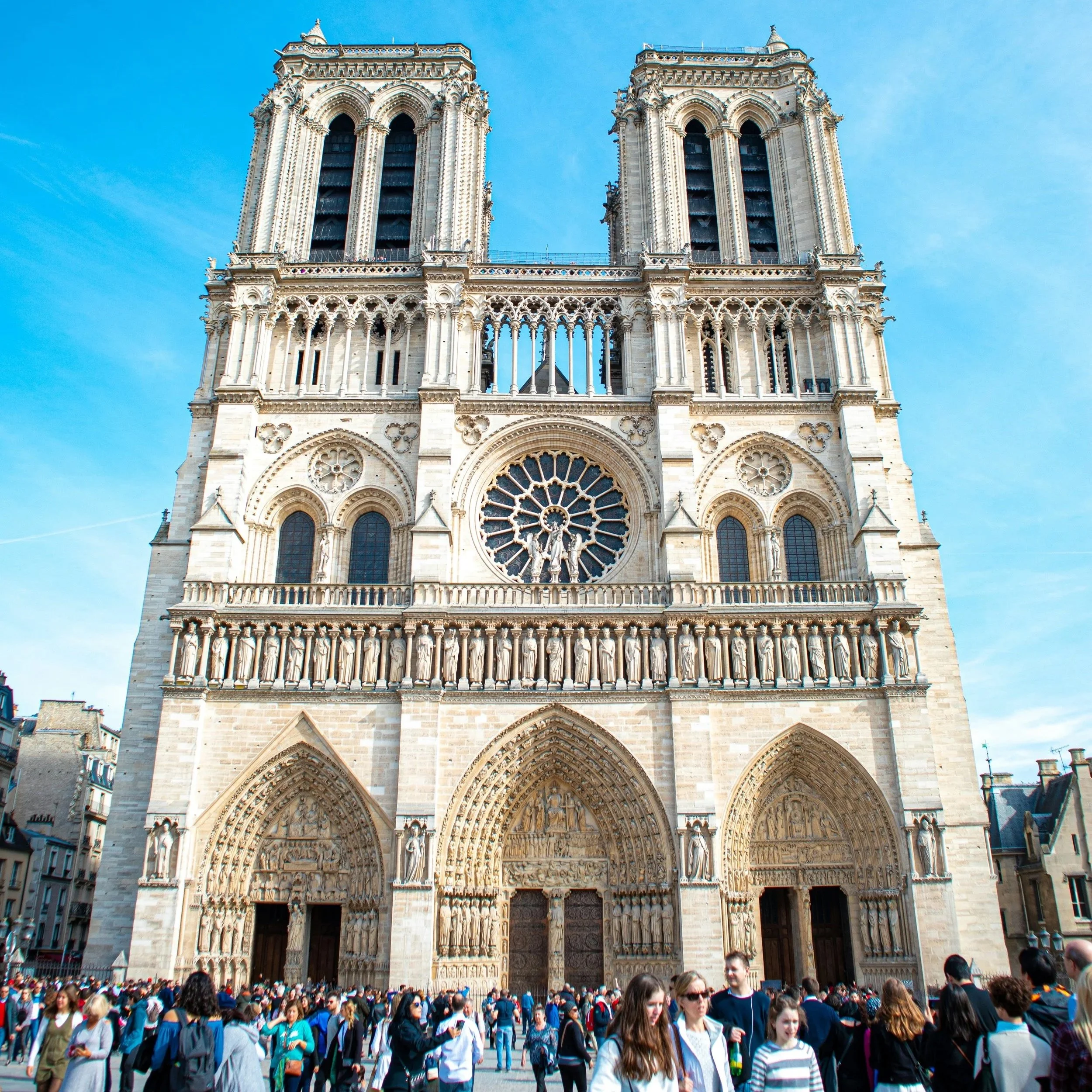
August Random Walk: Notre-Dame to the Tuileries
A simple walk across Paris reveals three very different experiences.
This walk looks almost too simple on a map — just a straight shot across central Paris from one landmark to another. Don't be fooled. There's a lot packed into this short stretch, and it's one of my favorite ways to spend an unhurried afternoon in the city. We're heading from the stunning Notre-Dame Cathedral to the calm, leafy grounds of the Jardin des Tuileries. On paper, it's about 3 km, or 1.75 miles — roughly 40 to 45 minutes of walking. In reality, the distance never changes, but the time absolutely does. You'll see why soon enough. So, let's get walking.
Starting at Notre Dame
Whenever I'm in the city, I love starting a walk at or near a landmark everyone knows. There's a certain buzz to those spots, and Notre-Dame Cathedral has that in spades. Families wrangling kids, tour guides waving little flags to keep their groups together, clusters of students posing with that jaw-dropping cathedral behind them — it's a lot of energy in one place, and I mean that in the best way. Even if you skip going inside, you can wander the grounds for a while and just take in the facade, all that incredible stonework and detail up close. The cathedral’s restoration and ongoing preservation have made Notre-Dame one of the most closely watched heritage projects in France. Honestly, it's easy to lose thirty minutes or more just standing there, soaking it all in. Street musicians drift in and out, someone's always selling something, and there's a kind of hum to the whole plaza that makes you want to slow down before you've even started walking. It makes for the perfect launch point.
Three Ways to Reach the Tuileries
This is where things get interesting. Your route west toward the Tuileries isn't just one path — you've got a choice, and each one gives you a completely different afternoon. I think of them as three options: River View, the Beautiful Detour, and Rue de Rivoli. None of them is the "right" one. It just depends on the mood you're in that day.
Three routes from Notre-Dame to Tuileries
The River View hugs the banks of the Seine, and it's probably my favorite of the three. This stretch of the river is part of the historic Paris landscape recognized for its cultural significance and relationship to the city's identity. There are benches to sit on, secondhand booksellers with their green stalls lined up along the quay, and endless spots for a good photo. The water moves slowly beside you the whole way, and there's an overall calm that makes the walk feel more like a stroll than a commute. If you're in the mood to just breathe and let your mind wander, this is the one.
River View: This is a beautiful walk - Perfect for first-timers!
Next up is the Beautiful Detour, which winds through nearby streets and cuts through the grounds of the Louvre — yes, past the glass pyramid — before spilling out right at the entrance to the Tuileries. There's something almost cinematic about walking through that courtyard, especially if the light's hitting the glass just right. It's the route to take if you want a little grandeur mixed into your walk, and it doesn't add much distance at all for the payoff you get.
Beautiful Detour: A great walking route for art and architecture
And then there's Rue de Rivoli, for anyone who wants the full city-street experience. From the cathedral, head straight north on Rue de la Cité, which turns into Rue Saint-Martin once you cross the river, then take a left onto Rue de Rivoli. This one is loud, fast, and completely alive — bikes weaving everywhere, cars, delivery trucks, pedestrians dodging each other like it's a full-contact sport. It's controlled chaos, and somehow, it's exactly what makes it feel so Parisian. Your head will be on a swivel the whole way, in the best sense. The upside is that you'll pass shop after shop, plus cafés and little convenience stores if you need a snack, a coffee, or just an excuse to duck in somewhere for a minute. Just keep walking straight, and the Tuileries will show up on your left.
Rue de Rivoli: Best route for city vibes, cafes and shopping
The Journey is the Destination
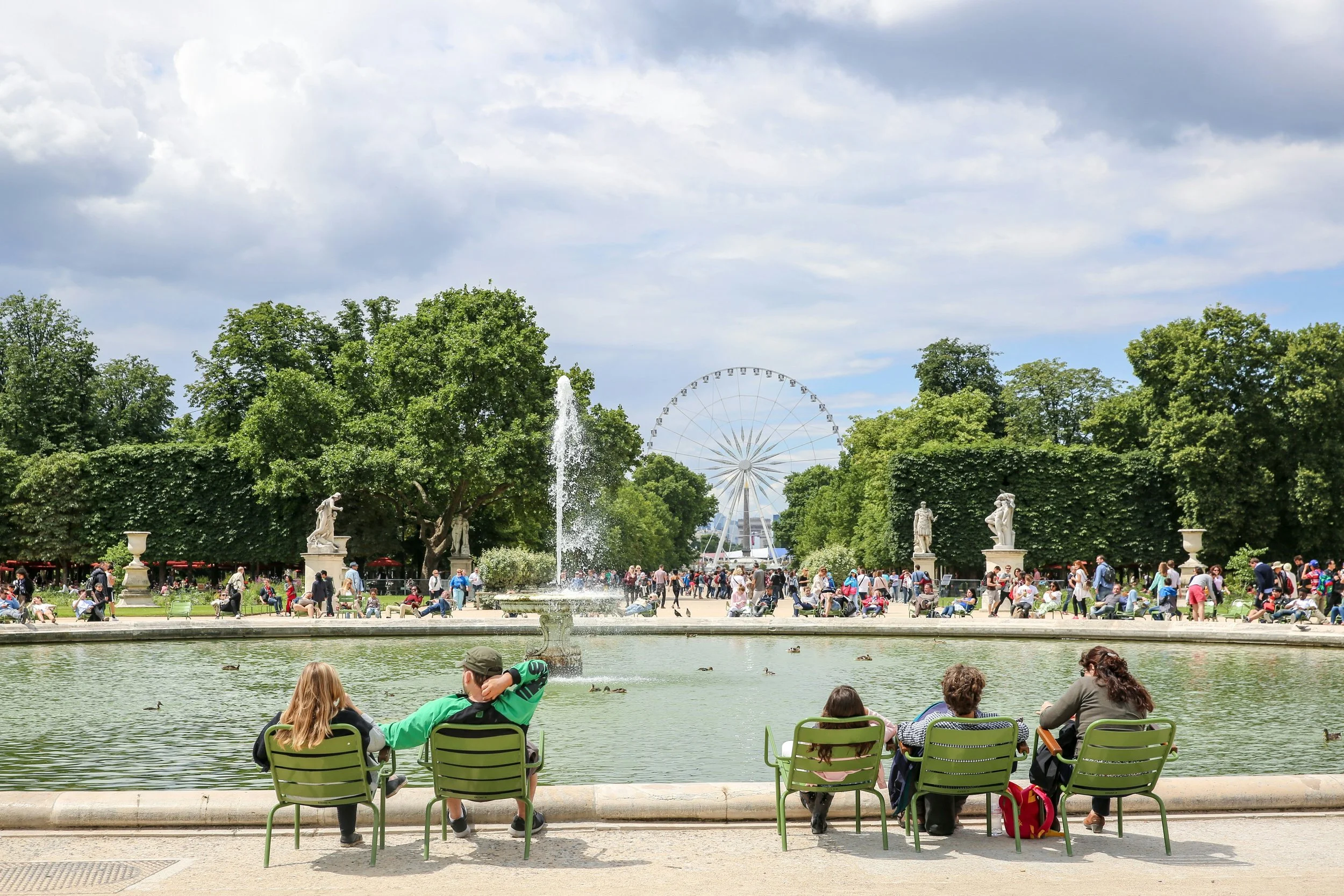
However you get there, arriving at the Tuileries feels like a reward. Open lawns, wide gravel paths, little tucked-away seating areas, fountains catching the afternoon light — it's enormous, honestly, easily worth another hour of wandering on its own. The Jardin des Tuileries has been part of Parisian life for centuries, connecting the Louvre with the Place de la Concorde. This is your moment to grab a shaded bench, sit back, and just let the calm wash over you. You've earned it, especially if you took the Rivoli route and your nervous system needs a minute to recover.
One more thing worth knowing: the terrain shifts a lot along this walk — cobblestones, smooth stone, concrete, gravel, patches of dirt. It adds up over a few kilometers, so wear shoes you trust and build in a break or two. Your feet will thank you later.
A Walk Worth Taking
This little walk might look ordinary on paper, but it never really is. Whichever route pulls you in — the quiet river, the grandeur near the Louvre, or the chaotic pulse of Rivoli — you'll end up somewhere unforgettable either way. And that's the real charm of it: Paris keeps finding ways to turn a simple 3 km stroll into something worth remembering. So, lace up, take your time, and let the city do what it does best.
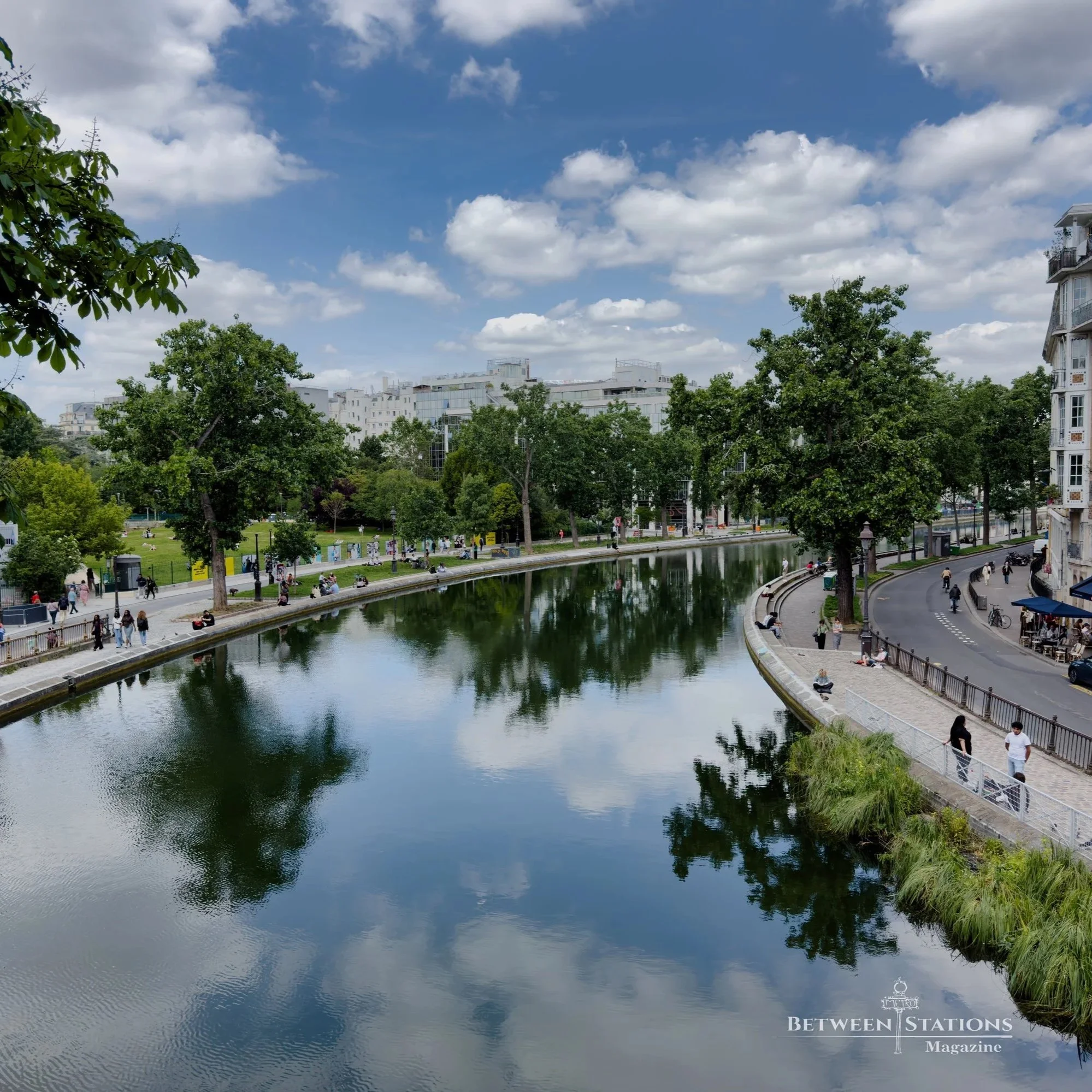
Canal Saint-Martin, Paris: A Quiet Corner of the City
Away from the grand monuments and crowded boulevards, Canal Saint-Martin offers a quieter side of Paris.
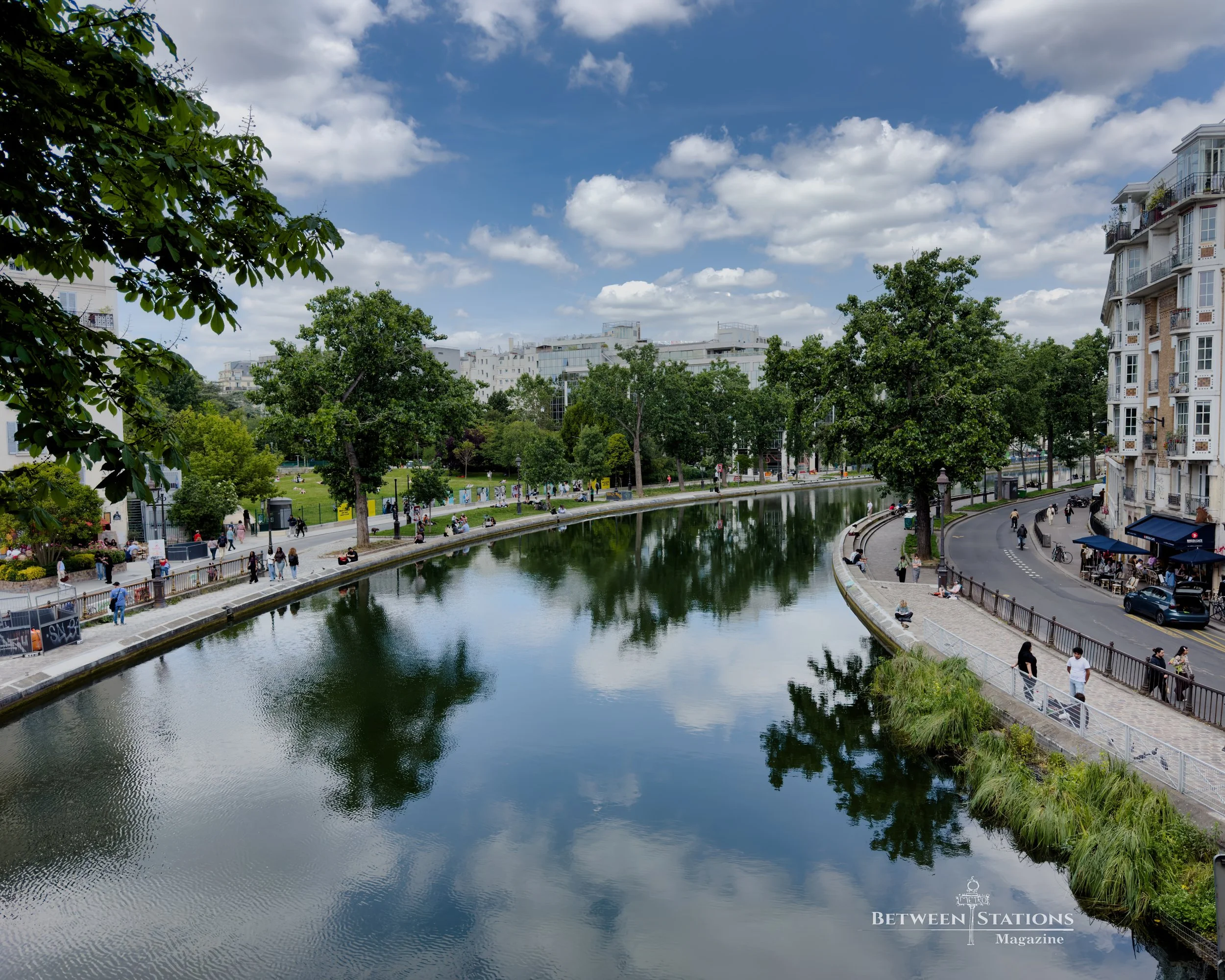
If you've only seen the postcard version of Paris — the Eiffel Tower, the Louvre, the wide sweep of the Champs-Élysées — you're missing one of my favorite parts of the city. Tucked into the 10th and 11th arrondissements, the Canal Saint Martin is this lovely, almost secret stretch of water lined with trees and cast-iron footbridges. I love the monuments and attractions of the city as much as anyone, but being at the canal, it feels like a completely different city than the one most tourists see. It's quirky, rugged, earthy and real. More importantly, it has a simple, approachable beauty that doesn't ask anything of you except to slow down for a while.
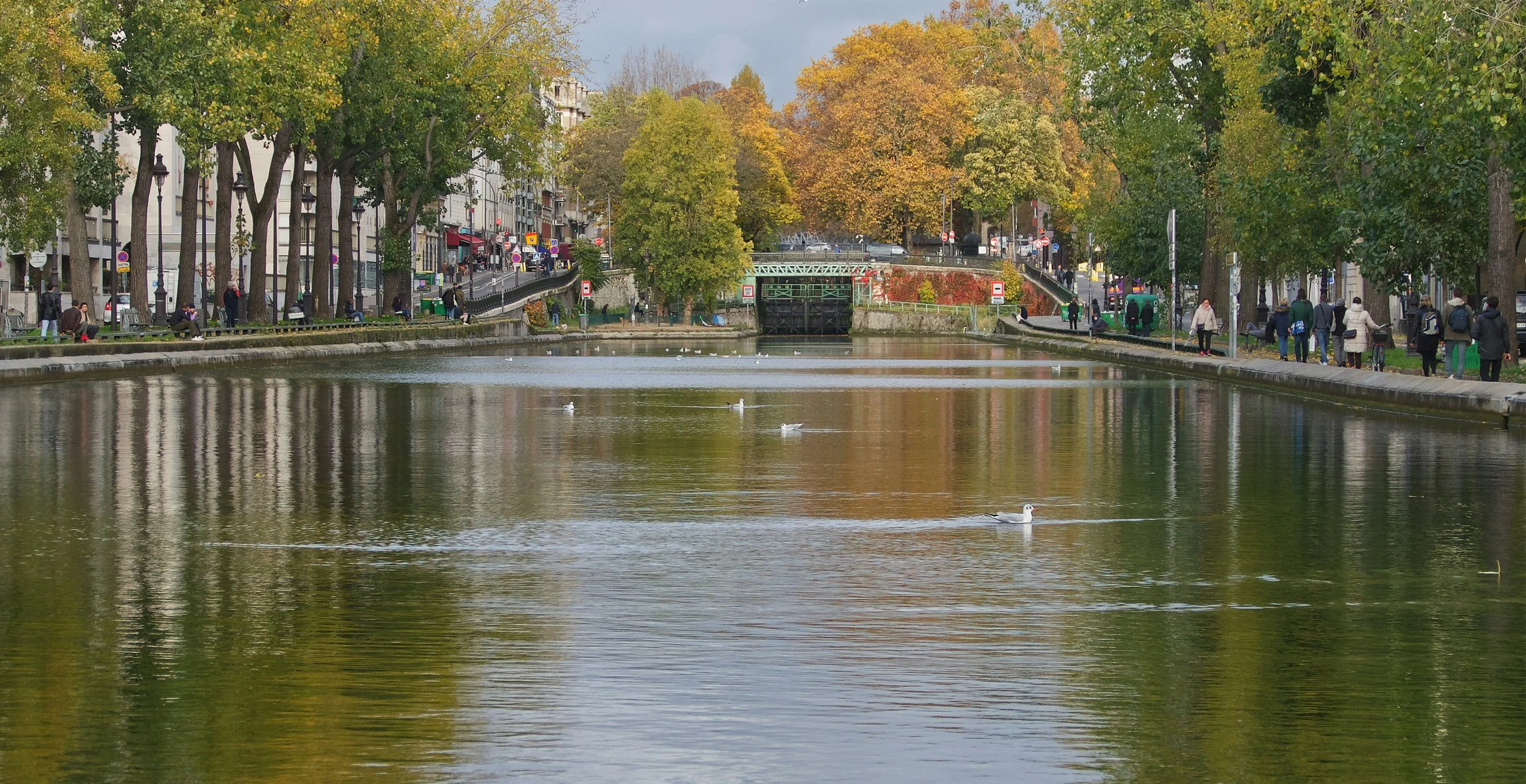
It started life as a Napoleon-era infrastructure project back in the early 1800s — fresh water and trade routes, that kind of thing. The history, while fascinating, is the least interesting part to me. What I love about the canal is what it's become. It's the kind of place that's had a few different lives — working waterway, industrial artery, forgotten backwater, and now, this. A place people want to be.
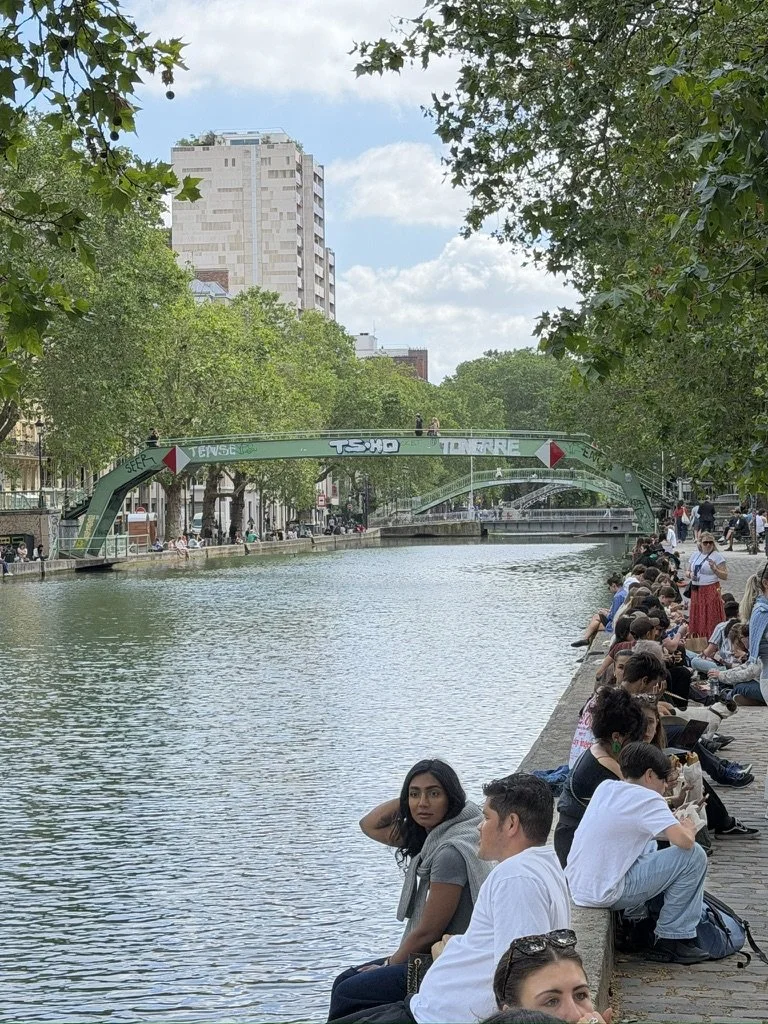
Walk along it on a sunny afternoon and you'll see exactly what I mean. The stone quays are basically one long, informal picnic blanket. People sprawl out in twos and threes with baguettes, cheese, and a bottle of wine, feet dangling toward the water, in absolutely no hurry to be anywhere else. Someone's always got a guitar somewhere nearby, playing just well enough to be pleasant and not quite well enough to be a performance. It's one of those spots where you can just sit for hours and nobody thinks it's strange.
The Neighborhood Around the Canal
The neighborhood that's grown up around the water is just as much the draw as the canal itself. Over the last twenty years or so, it's turned into one of the coolest, most lived-in corners of Paris: small independent boutiques, secondhand bookshops, cafés, and the kind of wine bars where the owner remembers your order after the second visit. There's a famous bakery along the water that draws a line out the door every morning for its pistachio-chocolate pastry, and a few brunch spots nearby that get packed on weekends — the kind of packed where you'll wait forty-five minutes and not really mind.
My first visit to the area started with a "new lunch adventure" at an up-and-coming vegan café just a few blocks away from the canal. Exiting the République metro station and walking to Monument à la République, I could immediately feel a different side of Paris. Skateboarders. Street vendors. Throngs of people sitting and eating lunch around the monument. Genuine neighborhood energy. I was hooked from the start. Lunch was amazing, then off to the canal.
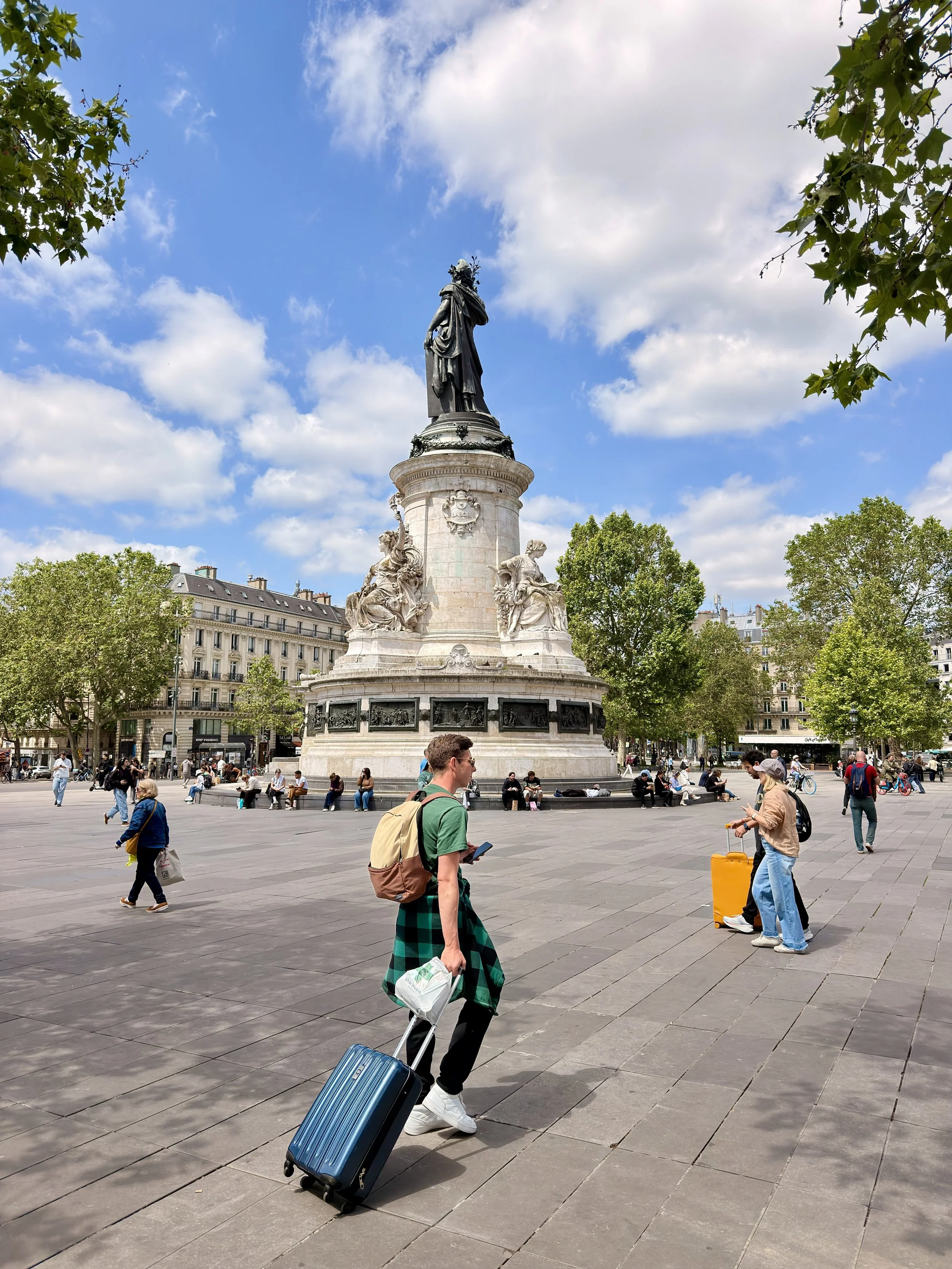
What I like most is that none of it feels staged for visitors. It has a real neighborhood feel — less "tourist attraction," more "place where people actually live." If you want to dig into the history and landmarks a bit more, Paris's official tourism office keeps a good guide to the canal that's worth a look before you go.
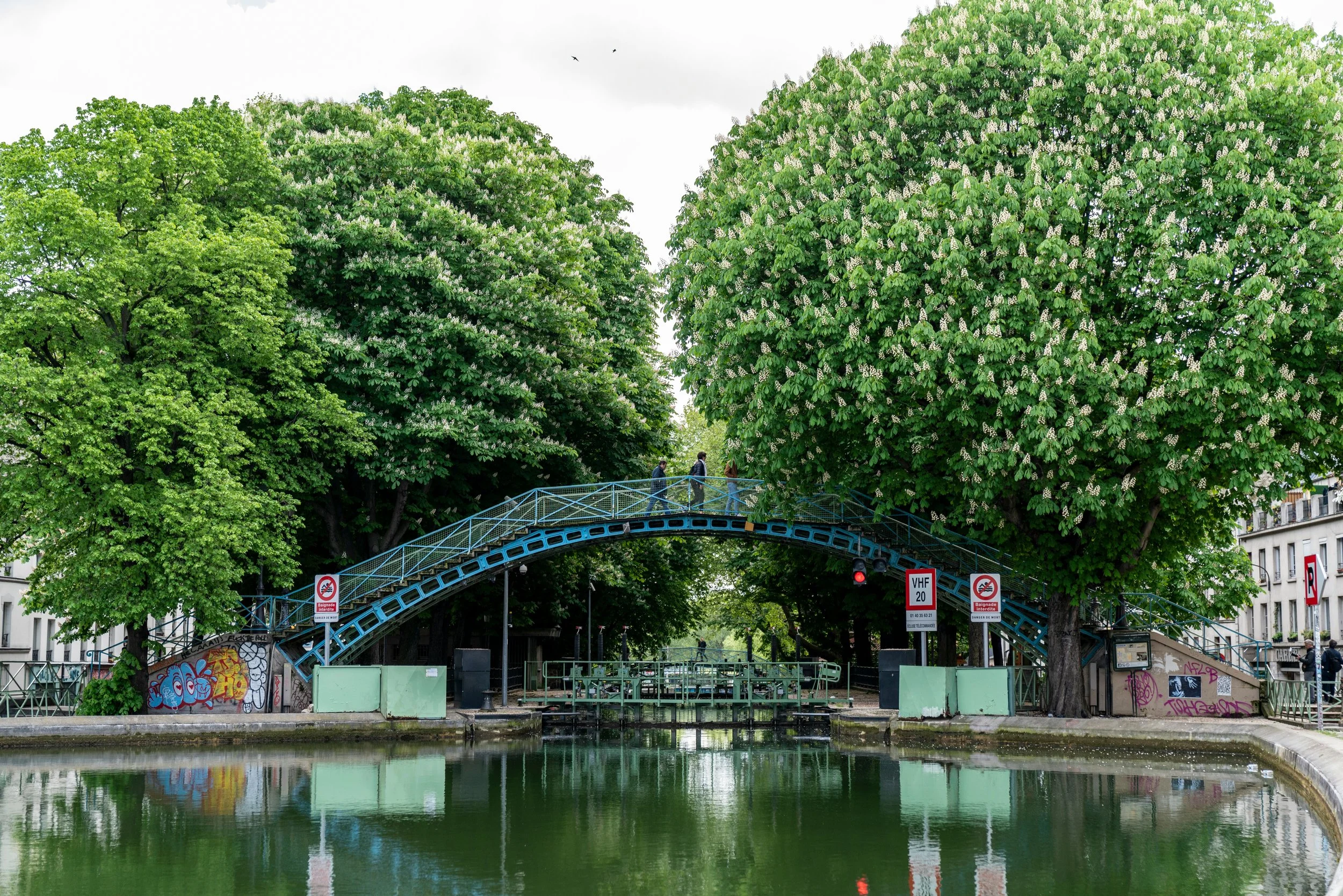
Boat Tours, Locks, and the Underground Tunnel
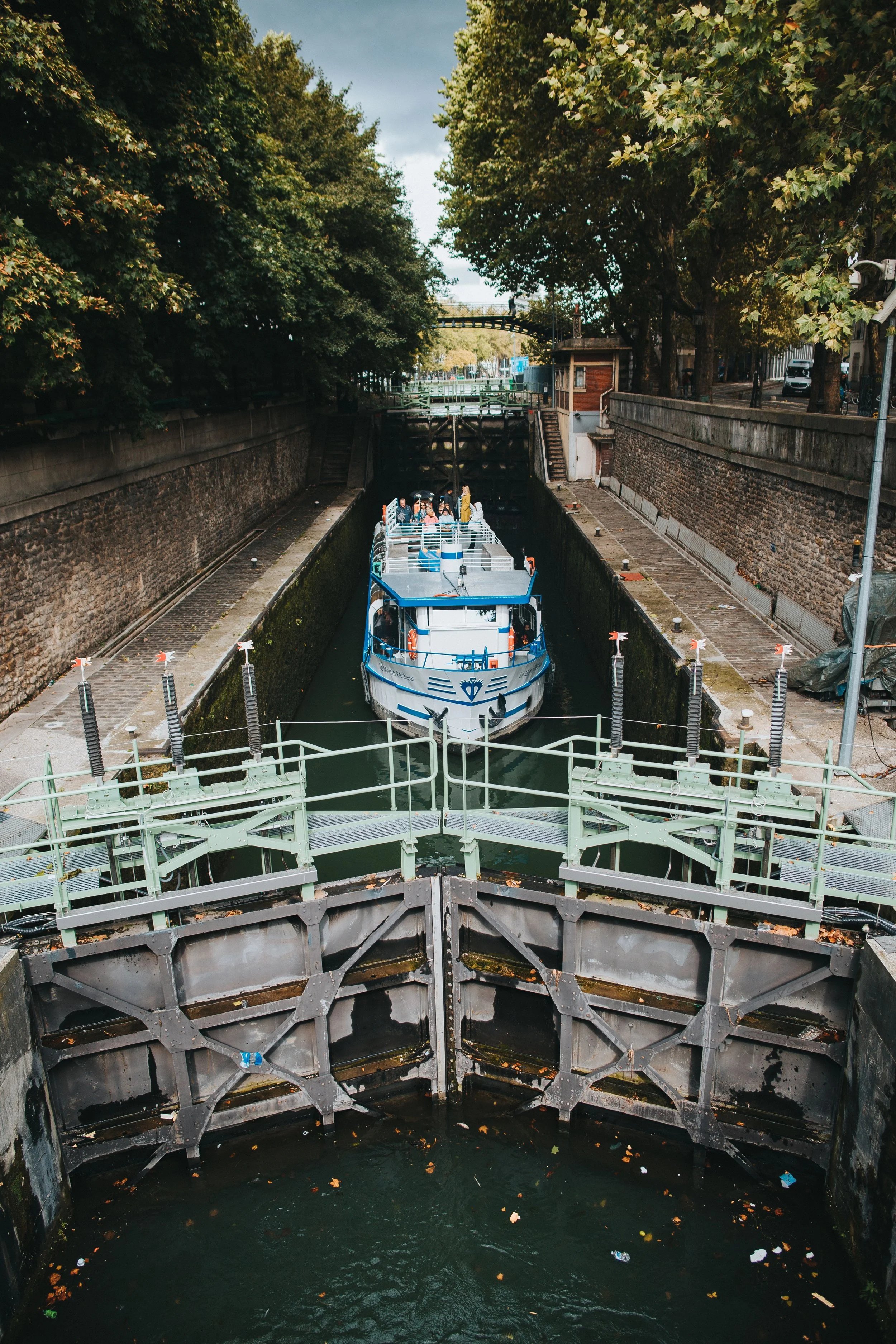
The canal itself is still very much alive and working, in a low-key way. Locks rise and lower the water level as you move along its length, and on weekends you'll often catch a small boat easing through them, water churning up around the gates while a handful of onlookers pause to watch.
The real showstopper, though, is the tunnel. At a certain point, the canal disappears underground, running beneath Place de la République for nearly two kilometers before resurfacing near the Seine. It's a strange, almost dreamlike experience to glide under the city like that. If you'd rather see the locks from the water than the bank, Canauxrama runs a canal cruise that passes through the tunnel and comes out near the Seine.
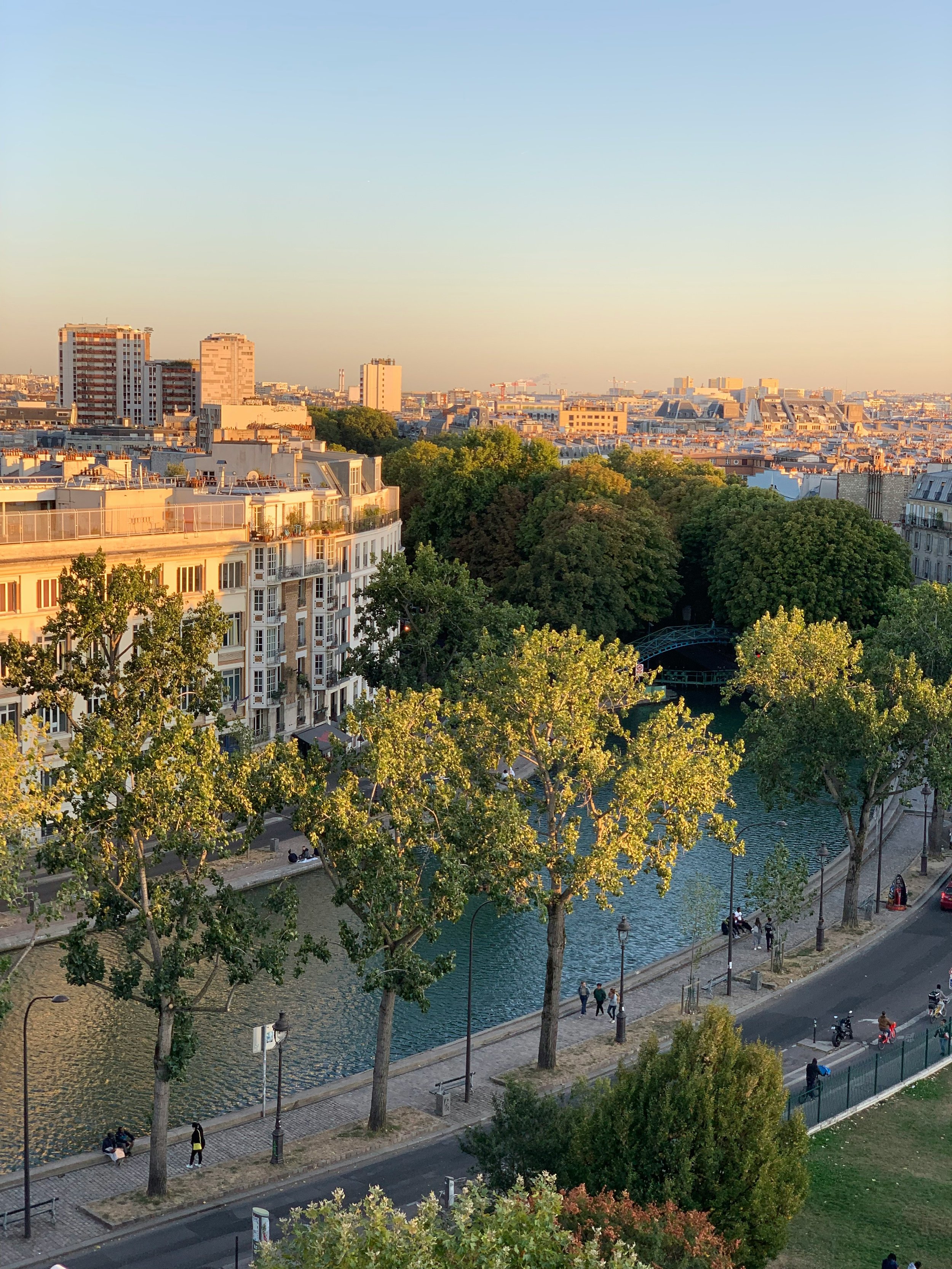
Come evening, the whole vibe shifts. People start gathering on the bridges with drinks, the bars along the water fill up, and there's this easy, social energy that feels distinctly Parisian: unhurried, a little scruffy around the edges, completely unpretentious.
Swimming in Canal Saint-Martin
Here's the part that genuinely surprised me, and it's pretty recent. Paris has started letting people swim in the Canal Saint-Martin during heat waves, which is a wild change for a city that spent years chasing people out of the water with police whistles.
All of that came to a head during a brutal heat wave that's been going since spring 2026, which we're still in the middle of. With temperatures climbing toward 40°C, plenty of Parisians, especially teenagers, just started jumping in anyway, from the banks and footbridges, while police spent their time pulling people out rather than letting anyone enjoy a legitimate dip. Eventually, city officials admitted the whole approach was backwards. Rather than fighting it, they decided to lean into it: open a supervised swimming zone and let people cool off safely instead.
So now, during heat waves, as Paris is experiencing currently, a stretch of the canal opens as a free, lifeguard-supervised swimming spot — the Bassin des Récollets, between 116 and 126 quai de Jemmapes in the 10th. The mayor's office has half-jokingly called it the biggest pool in Paris, and honestly, that's not far off. Whether you call it an unofficial pool or a "swimmin' hole" (which is what we called our own spot when I was a kid), it's a hit with Parisians. The basic rules are swimming only in the marked zone, and no jumping or diving off the bridges — though you're bound to see brave swimmers regularly doing just that, much to the disapproving eye of the local police.
It's now routine to see young people jumping off bridges, splashing down to cheers from whoever's watching from the quay. Neither bridge jumps nor swimming in the canal are my vibe, if I'm being honest. There are, however, plenty of Parisians willing to take my spot. The good news is that swimming is genuinely open to anyone, free of charge, with no booking required. Hours shift depending on the heat and water quality, so it's worth checking the City of Paris's live page for the swimming zone before you head over.
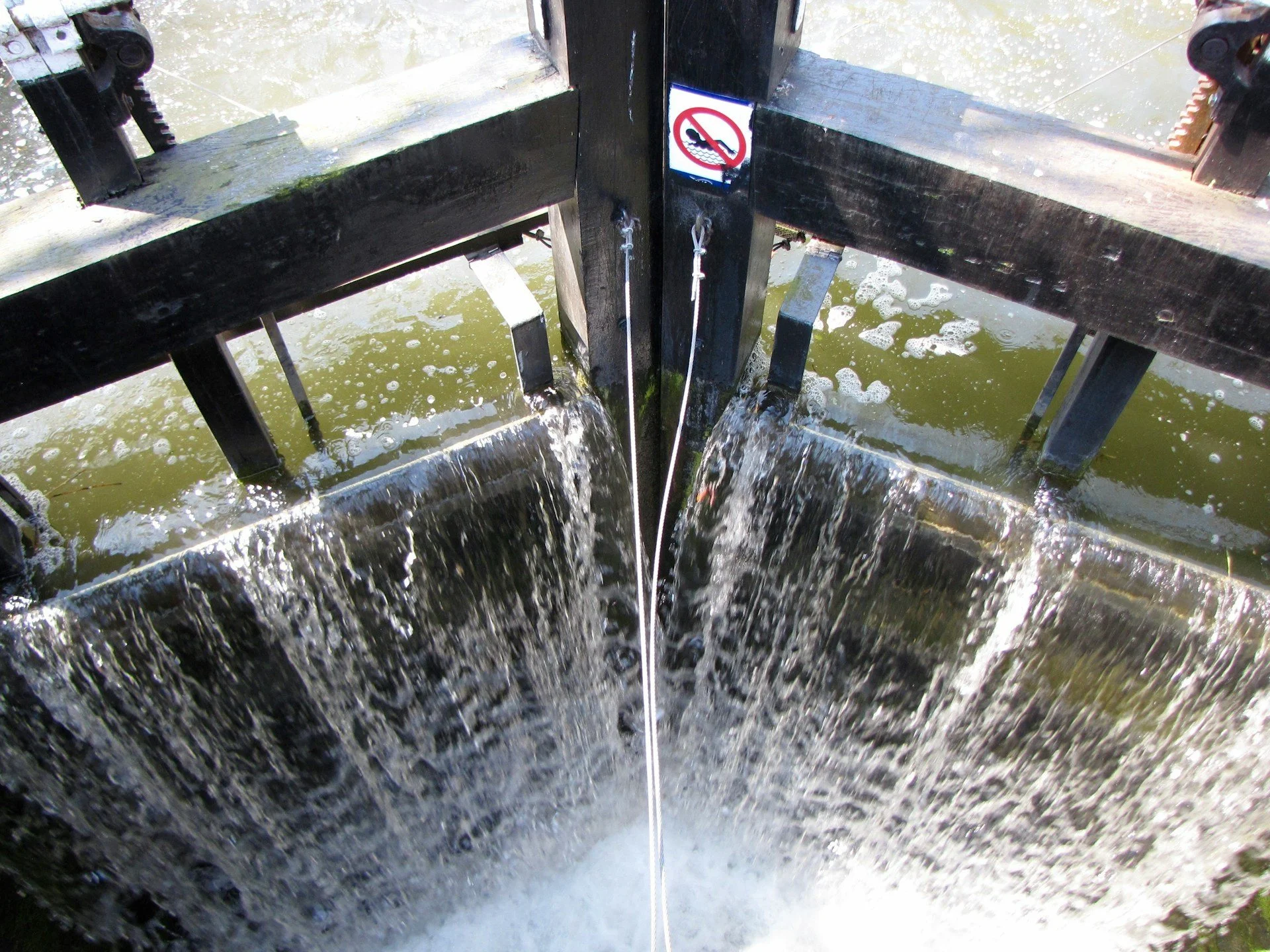
A Different Side of Paris
This is the part that gets me. The canal was never built to be admired from a distance; it was infrastructure, then industry, then just a nice spot to sit, relax, or soak your feet. Now, on the hottest days of the year, it's something even more useful: a place where an entire neighborhood can wade in together, lifeguards watching from the bank, kids splashing under a bridge that's been standing for two hundred years. The canal, and its surrounding neighborhoods, reflect a unique slice of urban life in Paris, away from the well-known landmarks and attractions — the kind of communal, unpolished city feel that's genuinely hard to find elsewhere in Paris.
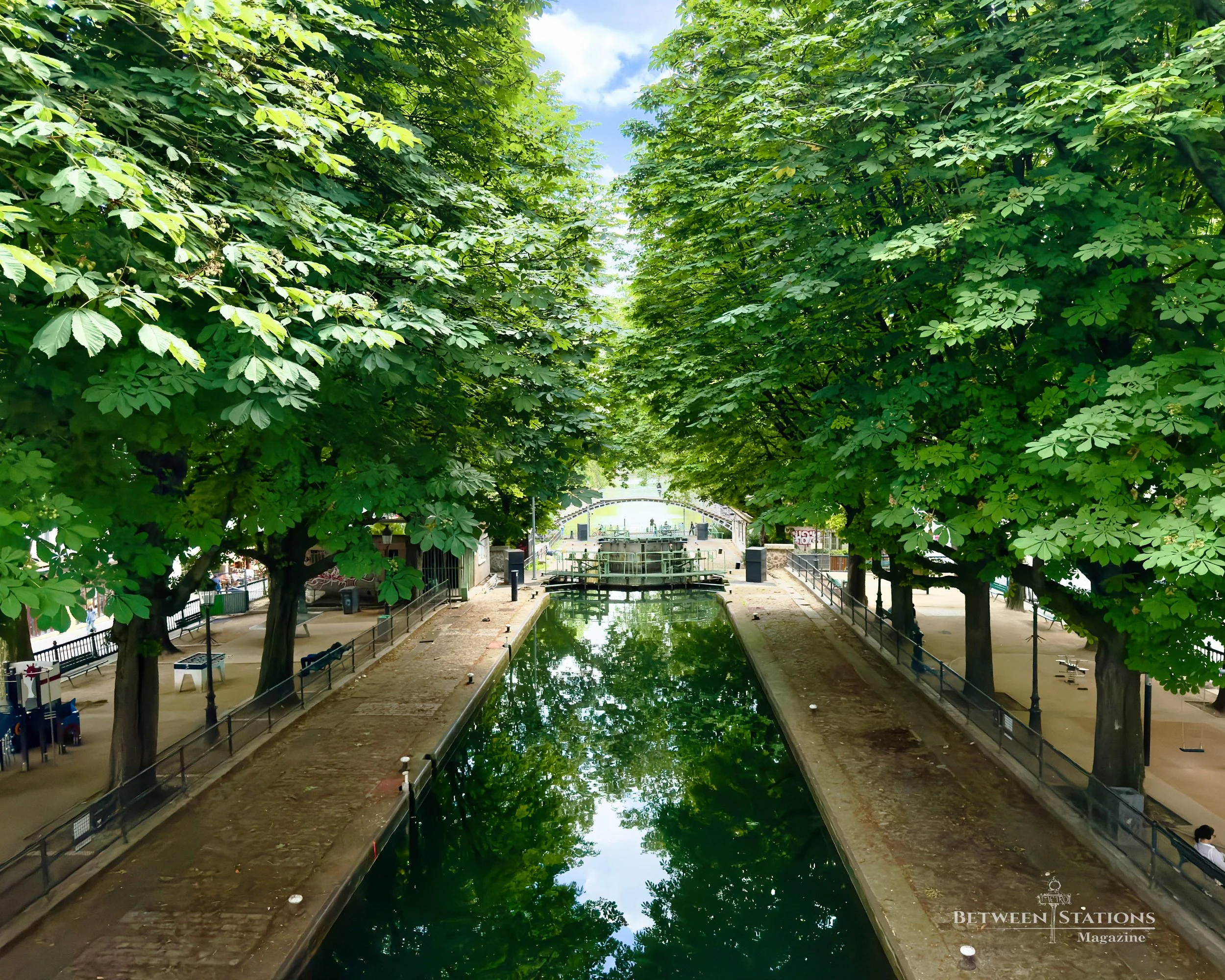
That's the Canal Saint-Martin for you. It's not trying to impress anyone. It's just a place where people live their lives — picnicking, drinking, swimming, lingering — which, in a city as monument-heavy as Paris, can feel like the most refreshing thing in the world.
The Canal Saint-Martin is as wondrous as it is ordinary. Those two very things are why it's such a special place — and easily one of my favorites in the entire city.
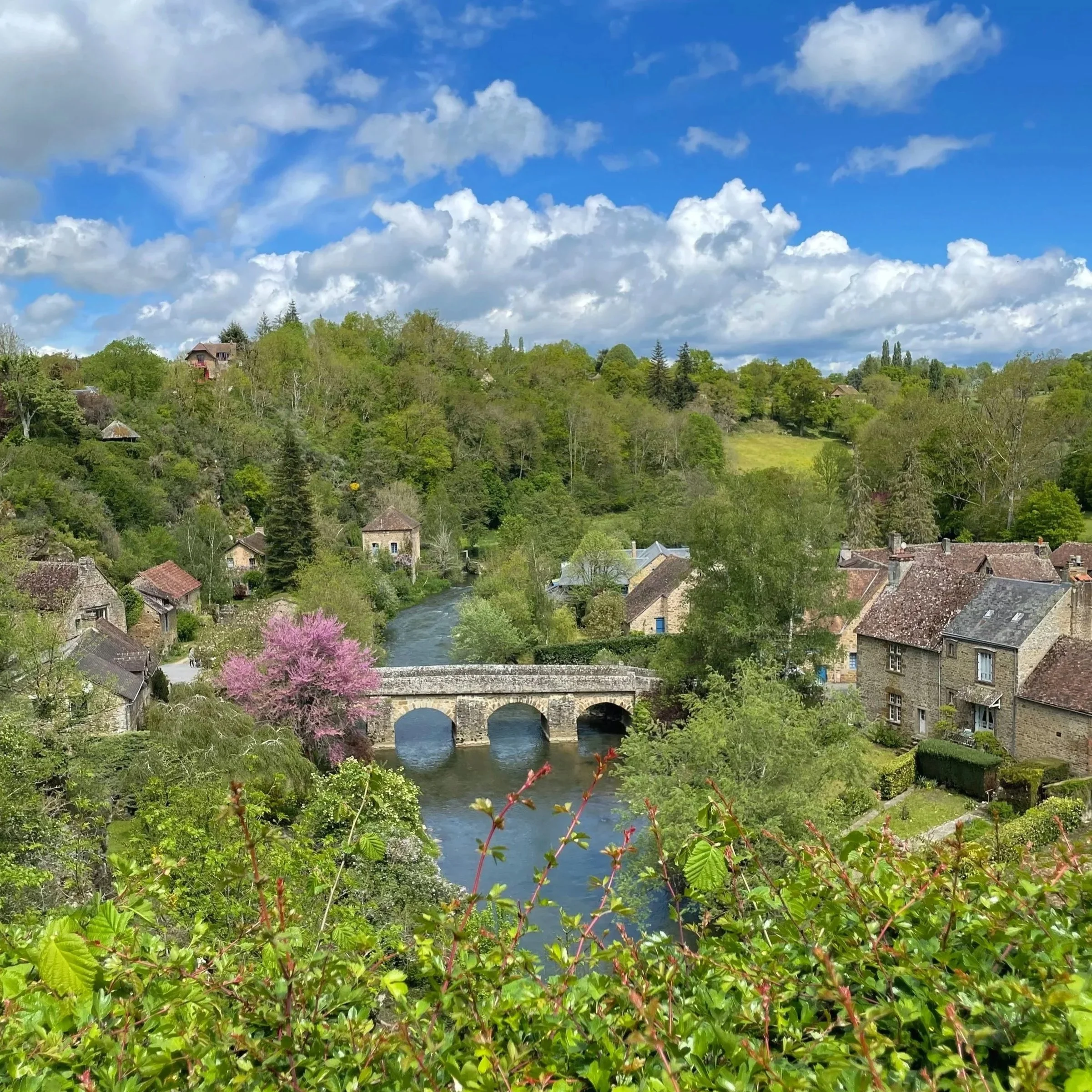
Life in a French Village: The France Most People Never See
This journey explores the everyday charm and timeless character of the places that many visitors pass by but rarely experience.
Everyone knows Paris — the Eiffel Tower, the cafés, the cinematic charm of it all. But just outside the city is a France most people never see: small villages where mornings start at the boulangerie, markets double as social hours, and strangers slowly become neighbors. Here's what I've learned since making one of them home.
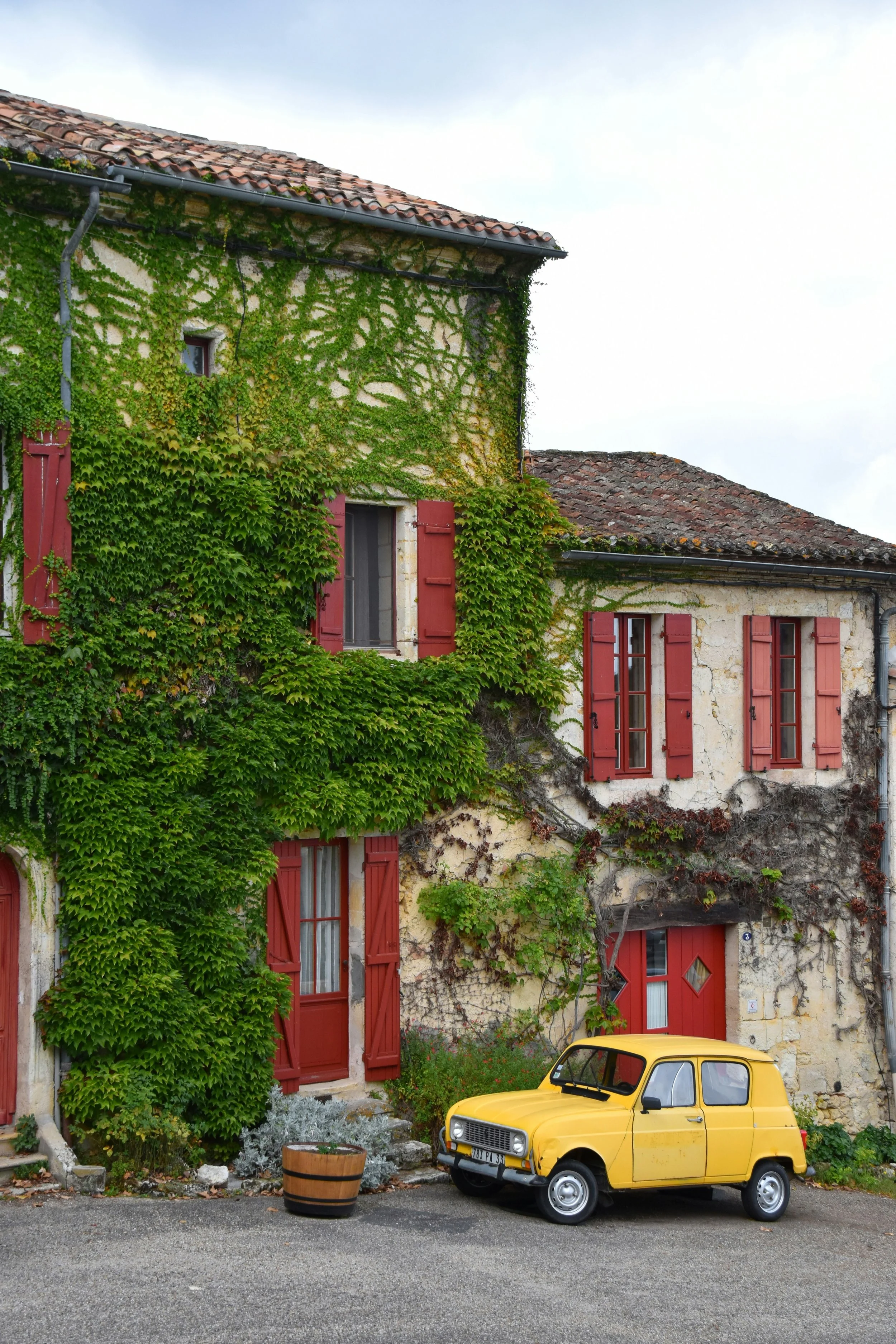
Okay, so when most people think of France, their brain goes straight to Paris. And I get it — Paris is everywhere. It's in every movie, every commercial, every travel show, half of Instagram. The Eiffel Tower lit up at night, the Seine winding through the city, croissants so flaky they seem fake, the Moulin Rouge, all those cobblestone streets from An American in Paris or Emily in Paris. It's magnetic. I'm not knocking it.
But here's the thing nobody tells you: France isn't just Paris. The France that most French people actually live in — the one that shapes families and holidays and just the everyday rhythm of a week — is happening quietly in the villages and small towns scattered around the city and across France. You won't see them in a movie montage. But honestly? This is where the real heart of the country is.
I live in one of those small towns now, just outside Paris. And what's struck me most is that this isn't some slower, watered-down version of Parisian life. It's a completely different world. Before I settled here, I assumed that I'd end up living much closer to Paris, but after starting my life in this town, I'm still amazed at how rewarding living outside central Paris truly is.
Mornings Here Move Differently
If you want to understand a French village, forget the lazy tourist brunch hour — watch what happens at real morning, when the town is just waking up.
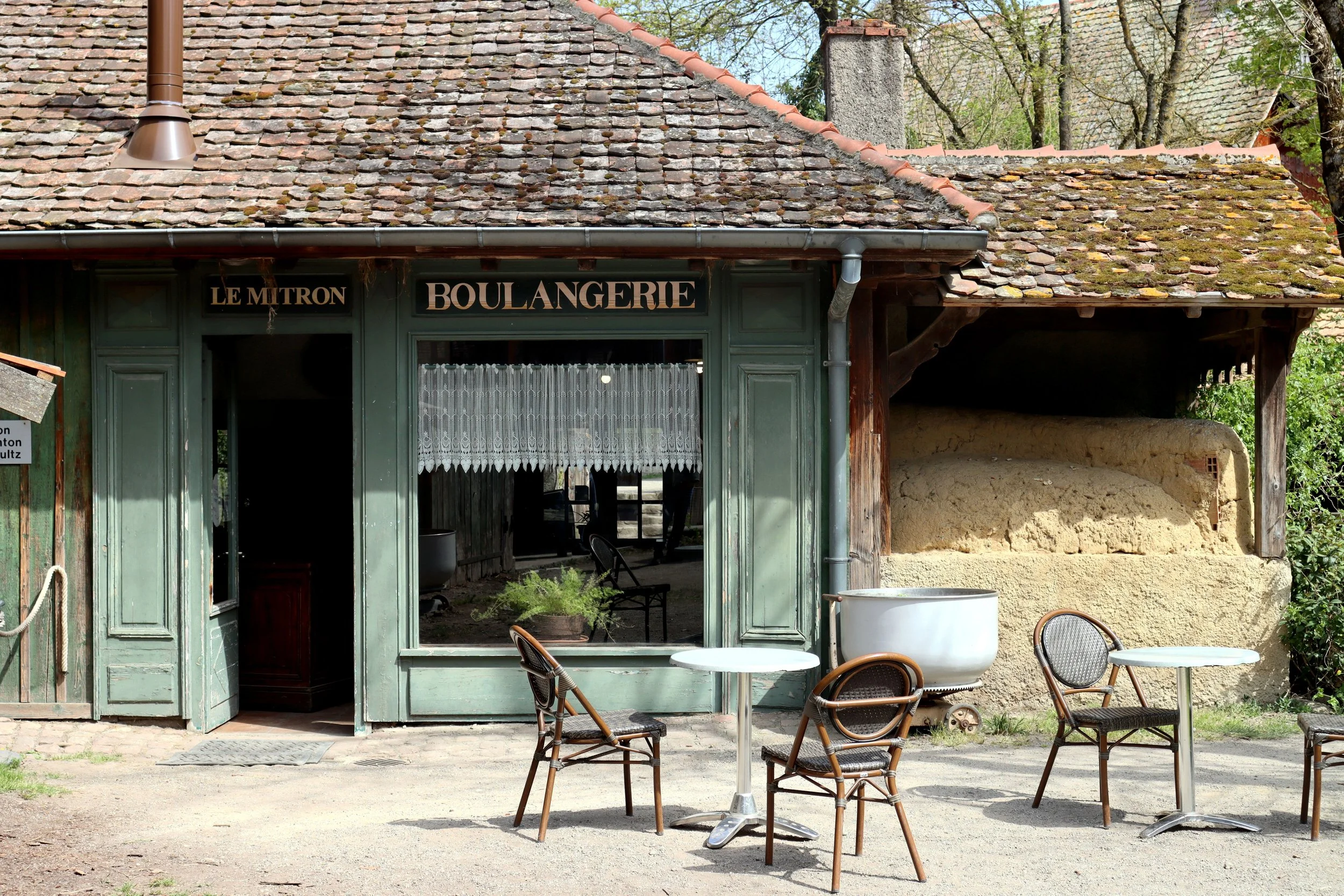
There's this little choreography to it. You know the boulangerie has opened before you even see the lights on, because the smell of warm bread is already drifting down the street. People pop in for a baguette or a pain au chocolat, but nobody's in a hurry. There's always a quick exchange — a "bonjour," a comment about the weather, a laugh about something. It's not performative politeness. It's just... how mornings work here. You show up, you say hello, you're part of it.
Outside, shutters open one by one. Someone's sweeping their front step. A neighbor's watering flowers. Kids walk to school with backpacks nearly as big as they are, talking a mile a minute the way only kids can. Moms race down the street on their cargo bikes with three little ones piled on back. It's not loud out there, but it's not silent either — the street just hums.
My own morning ritual is a trip to my local boulangerie, where I buy the same thing every time — baguette tradition. I so rarely deviate that the ladies who work there usually have it bagged and waiting at the counter before I've said a word. Funny thing is, I'm not the only one. The staff know their regulars and make sure you feel welcomed. That's part of the beauty of living somewhere small and communal.
It feels lived in. Familiar. Like everyone's quietly doing this together.
The Market Is Where Everything Happens
Paris has its grand boulevards and famous cafés. Villages have their markets — and honestly, I think the markets might win.
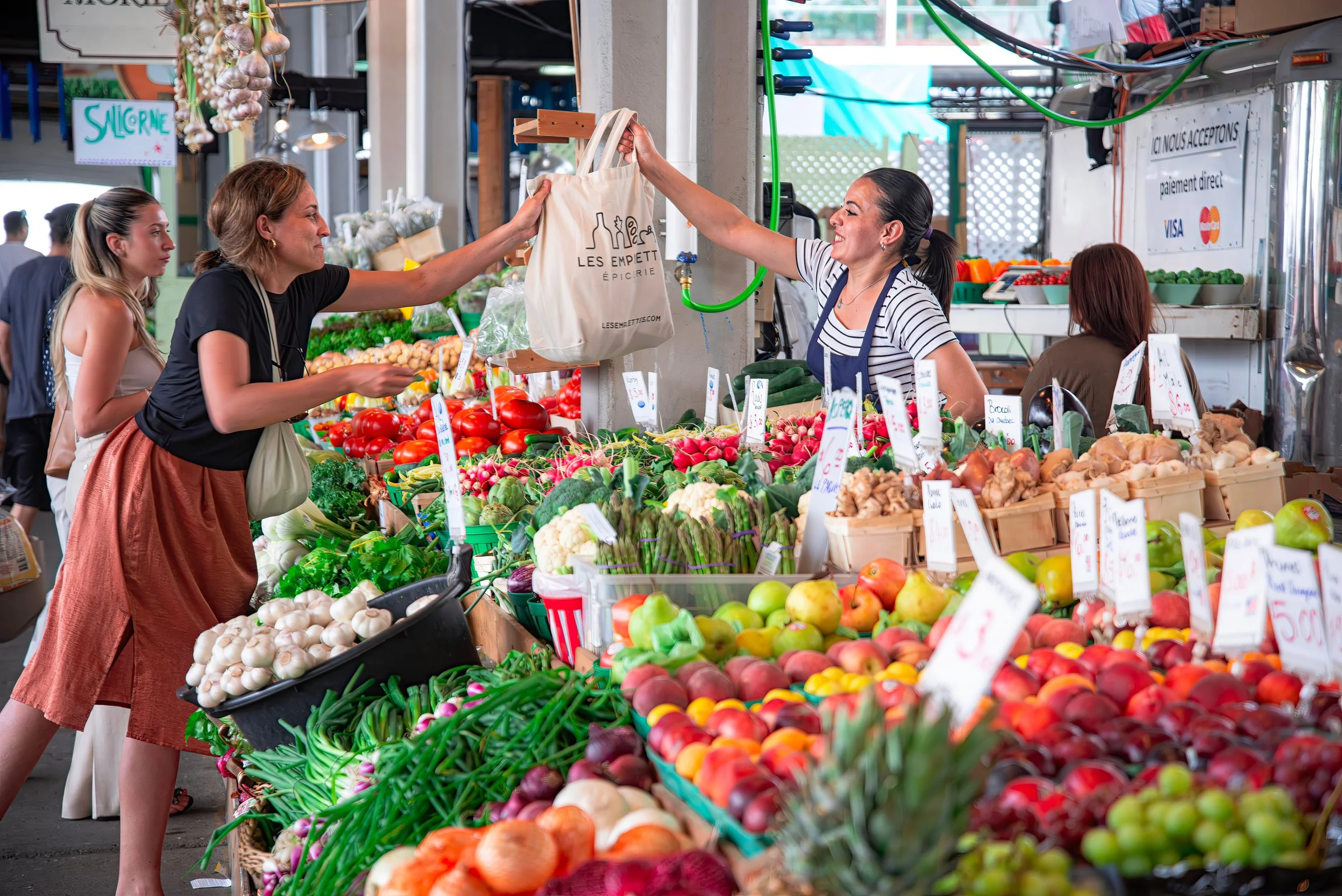
Most towns have one weekly market, usually set up in the main square or along a central street. It's not just grocery shopping — it's the social event of the week. Vendors are out early, laying their produce in these neat, almost artistic rows. The tomatoes in summer are so red they don't look real. The strawberries smell like strawberries. Someone at the cheese stand hands you a taste of something you've never heard of, and you're hooked.
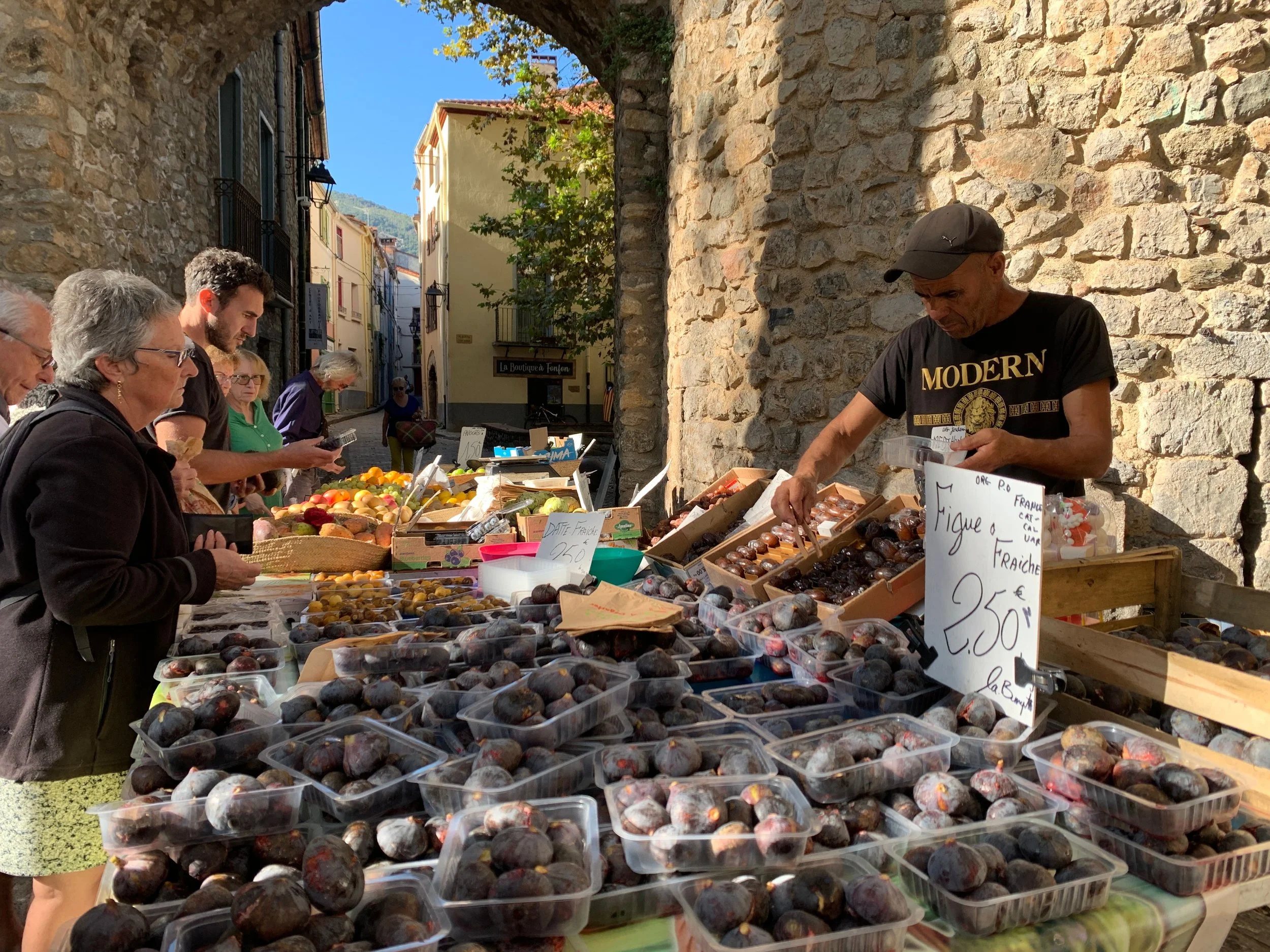
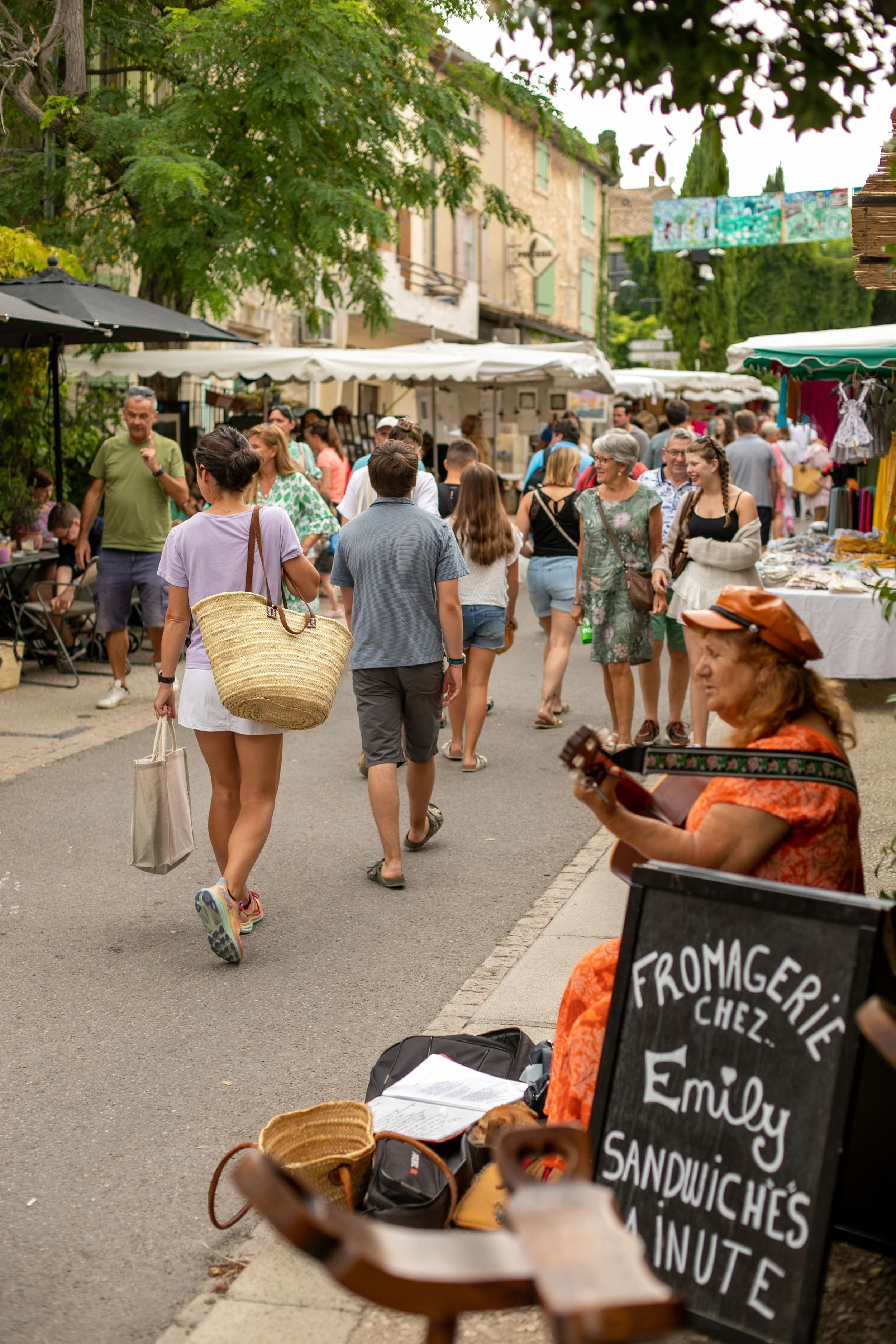
People aren't just there to buy things — they're there to talk. You'll see older couples walking hand in hand, families picking out fruit together, teenagers grabbing a crêpe on their way to school. This is where you feel the pulse of the place.
And unlike the rushed grocery runs a lot of us grew up with, nobody's trying to get in and out fast here. You browse. You chat. You take your time. My nut guy holds full conversations with me between orders, without missing a beat. Food isn't just fuel — it's woven into how people connect.
Nobody's in a Rush to Fill Every Minute
One of my favorite things about life here is how comfortable people are with just... pausing. Not taking a break from something, not squeezing in a rest — just letting a moment be a moment.
Late morning, you'll spot people outside cafés with tiny cups of espresso, not going anywhere, just talking or reading or watching the street. In the afternoon, older folks sit on benches in the shade, saying hello to whoever walks by. After school, kids hang around the local park kicking a ball or messing around on scooters.
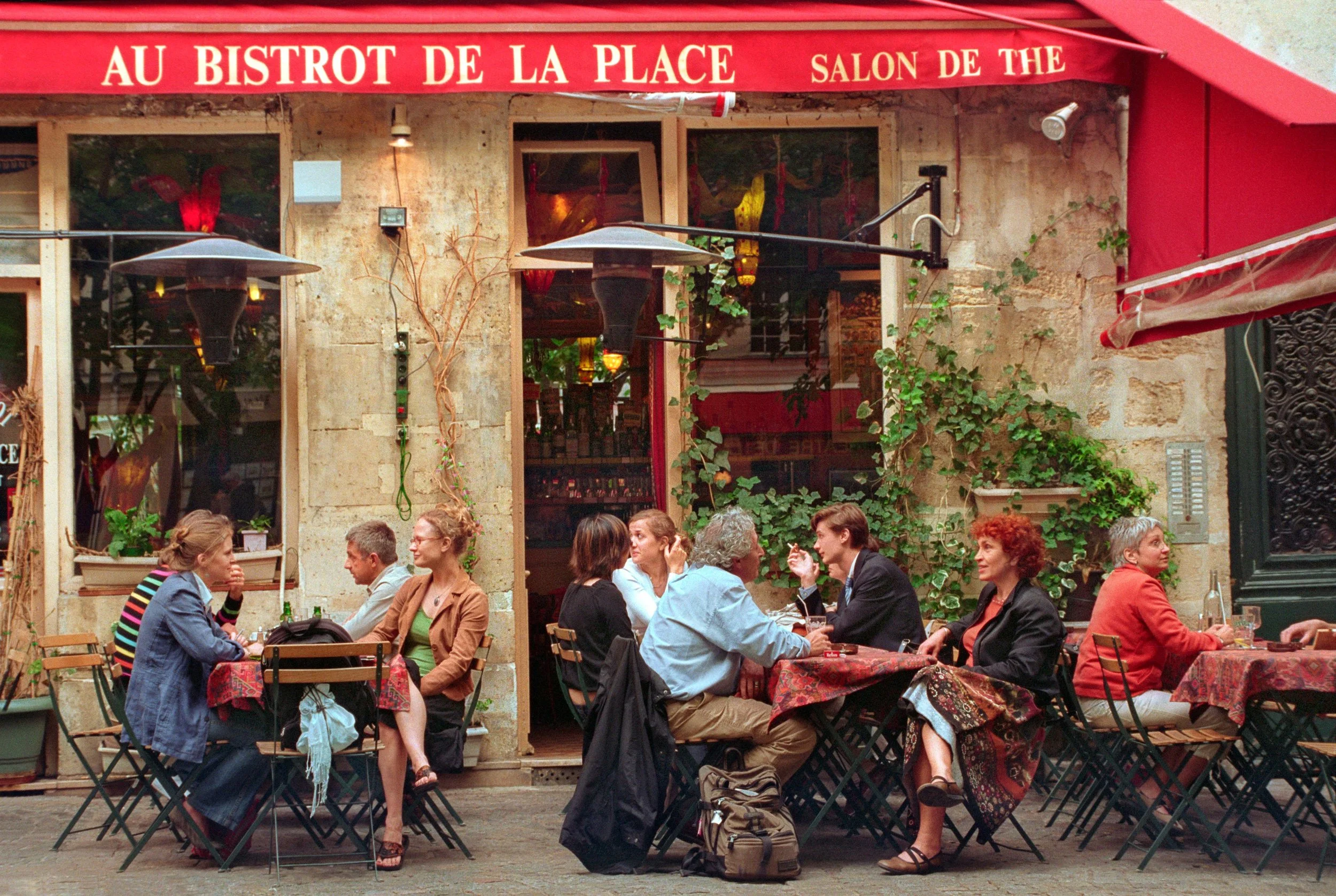
There's no unspoken pressure to always be doing something. The pause isn't an interruption to the day — it's just part of it.
Every Village Has Its Own Personality
These towns really aren't interchangeable. Each one has its own quirks, its own history, its own way of being itself. Across France, many communities have preserved their unique character, architecture, and traditions, a heritage celebrated by organizations such as Les Plus Beaux Villages de France.
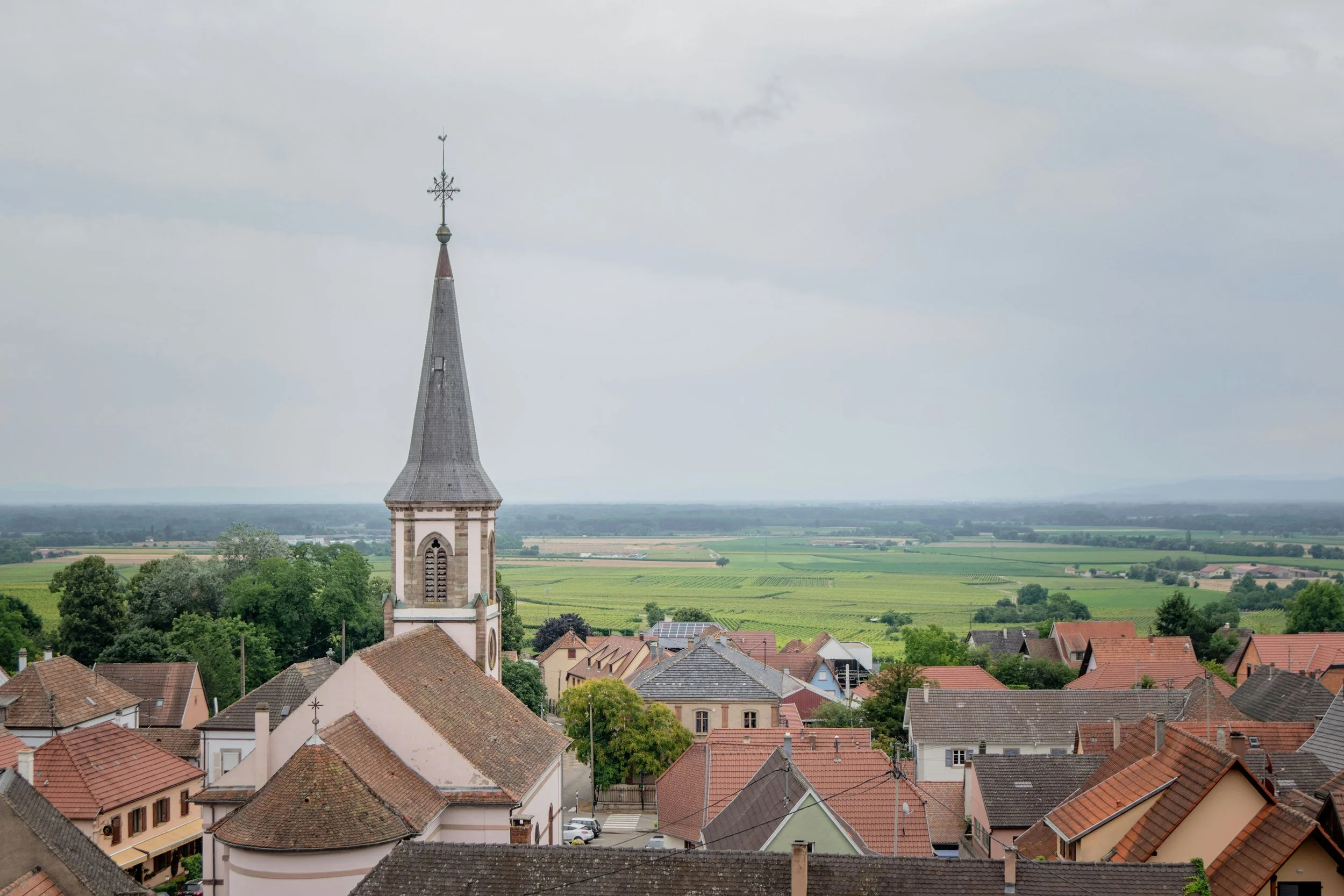
Some are perched up on hills with winding streets and stone houses that look like they've stood there forever. Others wrap around a central square, cafés and shops forming a cozy little circle. A lot of them have a church that acts as the town's landmark, even for people who never set foot inside — the bells still mark the hours, and there's something comforting about that. In fact, a church is an ever-present fixture of nearly every village square, and no two are alike — each one its own bit of history.
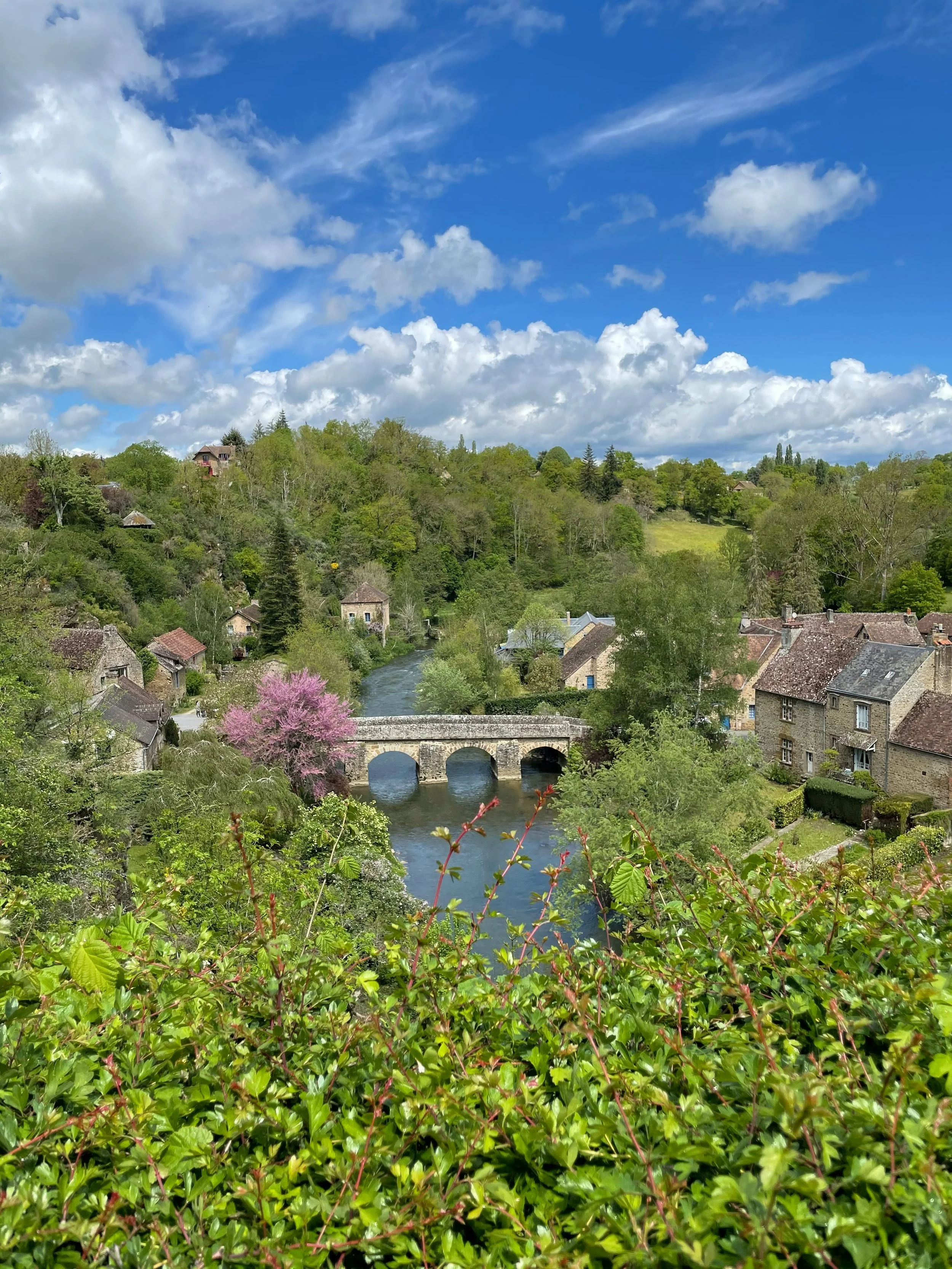
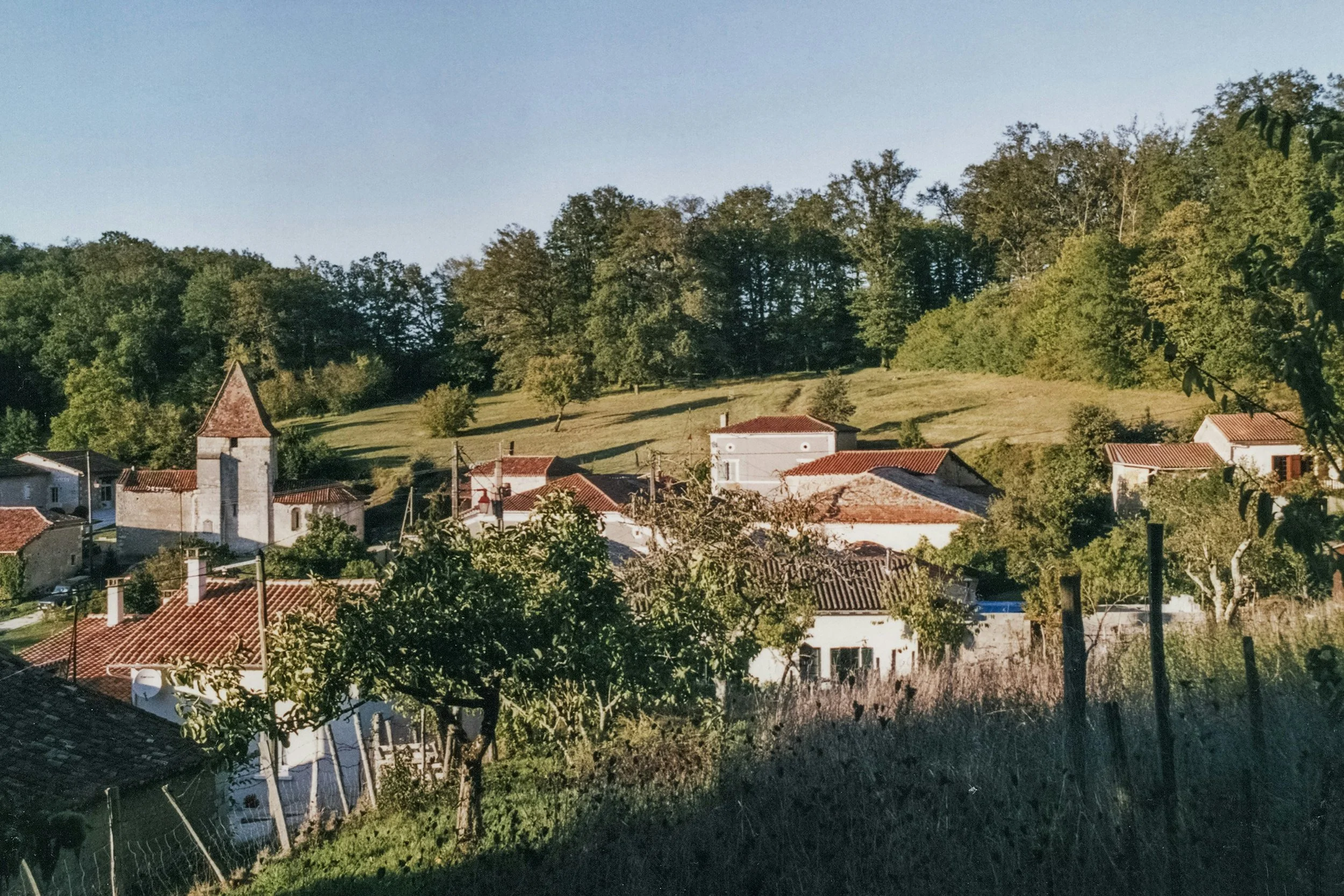
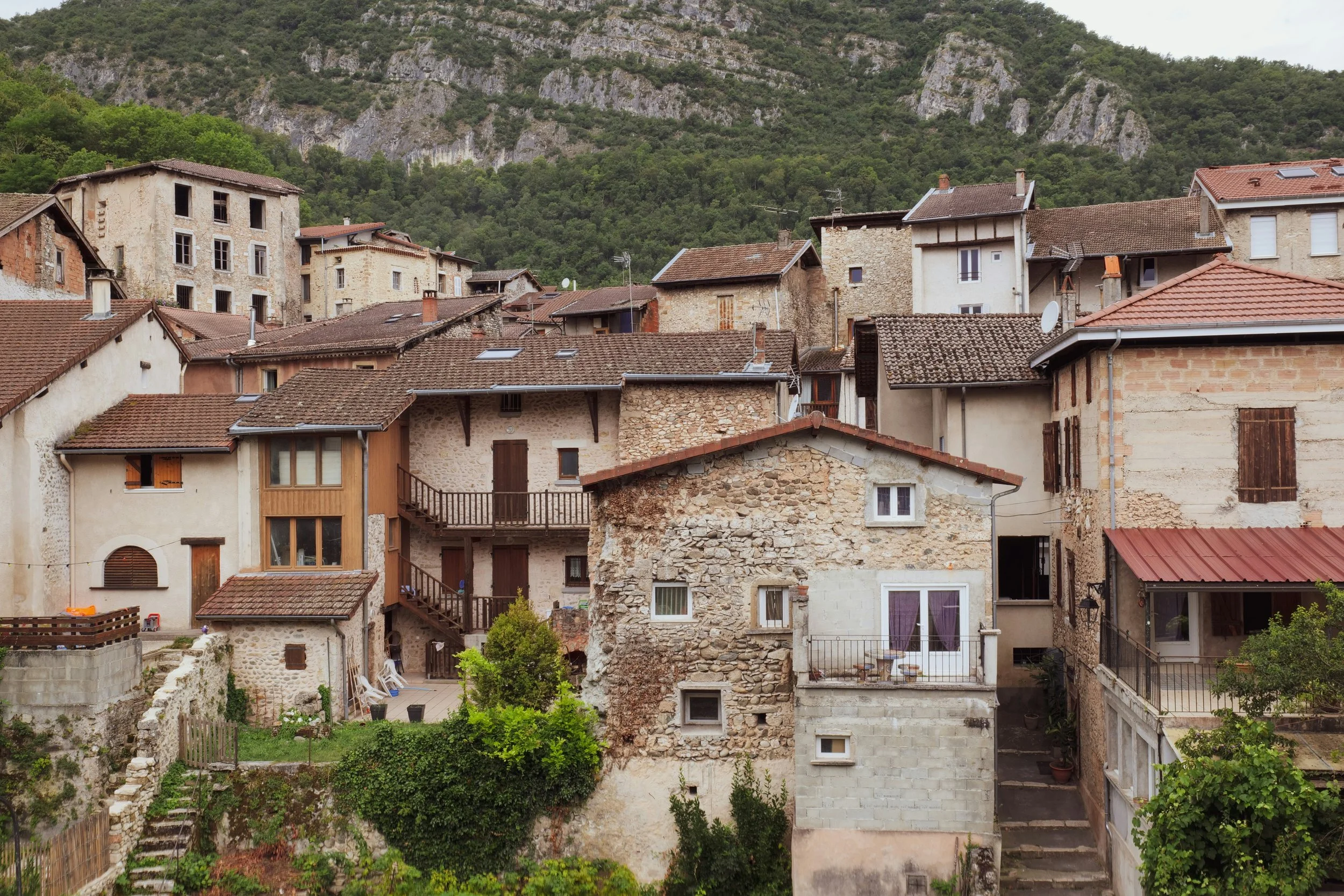
The buildings are this easy mix of old and new — centuries-old stone next to a modern apartment block, and somehow it all just works. The colors are soft: creams, pale blues, muted greens. Shutters aren't decoration here — people use them, closing them at night, opening them in the morning. Flowers spill out of window boxes in summer. In winter, you catch warm light glowing behind curtains as you walk by.
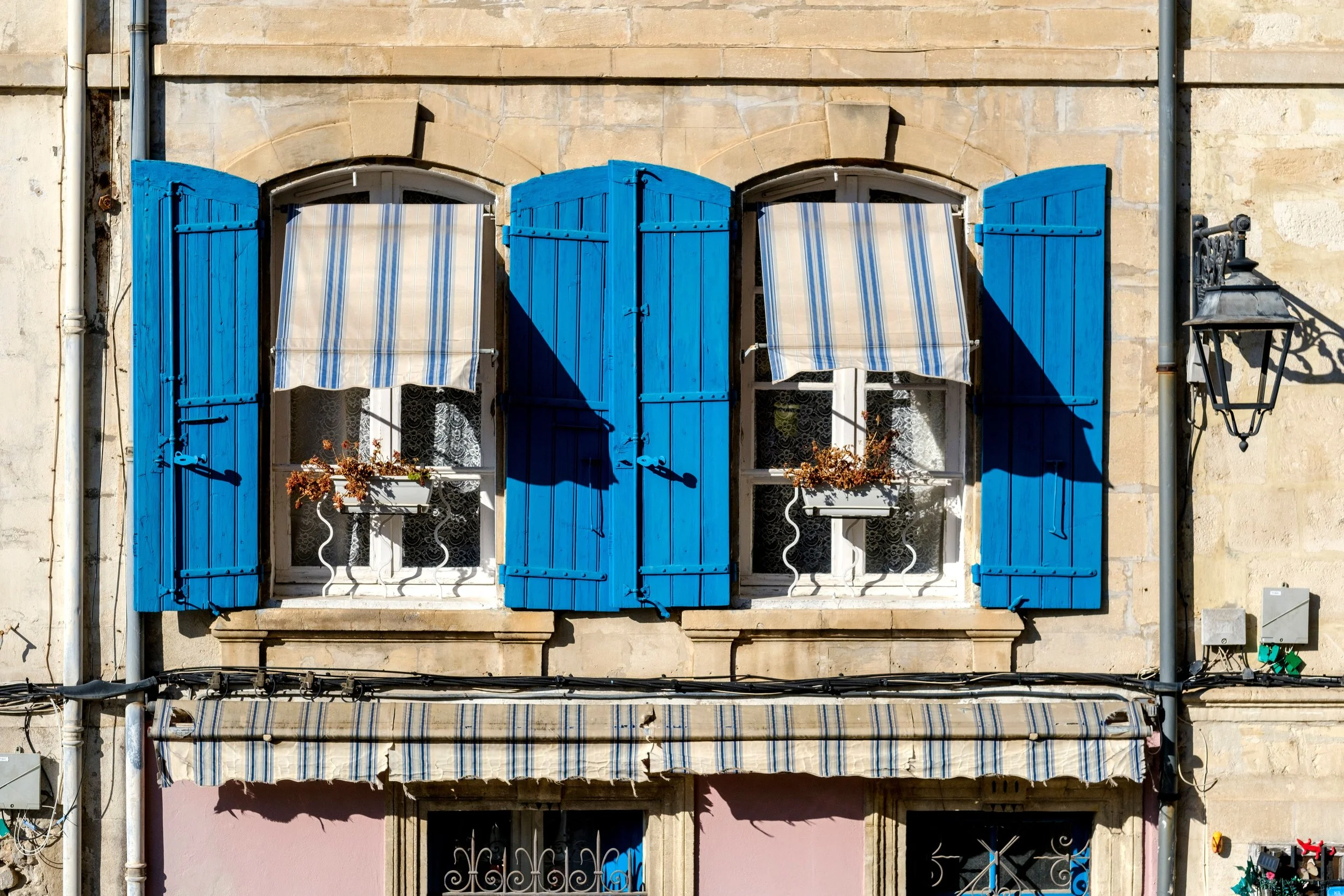
It's the kind of place where you notice the little details, because the pace of life gives you room to.
You're Never Really Anonymous Here
The biggest difference between Paris and the towns around it might be this sense of community. Parisians are friendly enough, but the city is big and constantly moving. Here, you feel connected — and not in some forced, small-talk way. It's just natural.
Neighbors know each other. They say hello without fail. They'll help you carry your groceries up the stairs. They'll tell you which plumber to call, which restaurant to try, which doctor is good with kids. They show up for the local festival, the school fundraiser, whatever's happening that week.
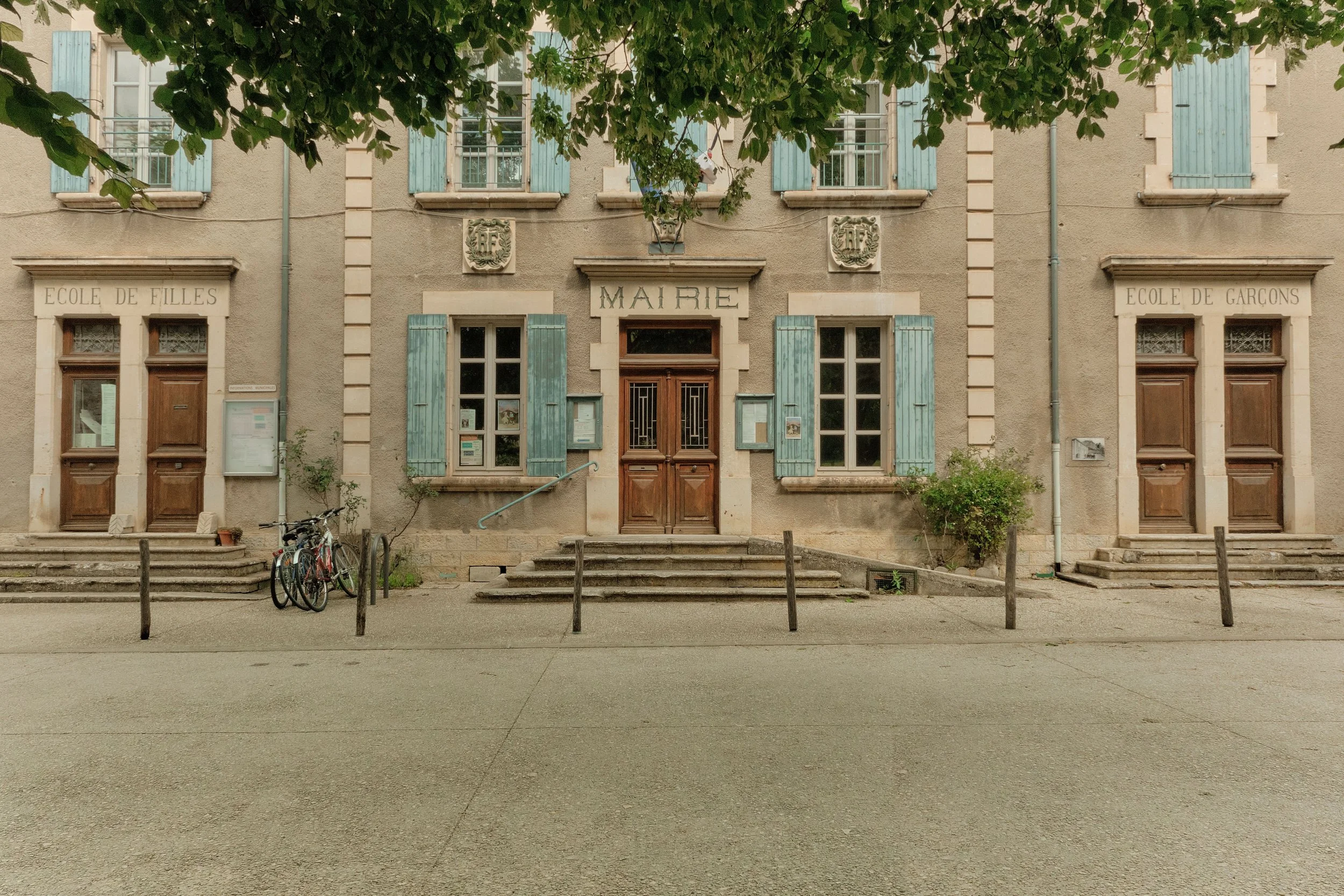
In my own experience, there's a bit of a "warming up" period. When I first arrived in my village, I was, for all intents and purposes, a stranger. My interactions with shopkeepers and locals were pleasant, but efficient — nothing more. After a couple of weeks, people started to recognize me and engage a little more. After a month or so, I'd become familiar enough that locals began asking where I was from, genuinely curious to know more. And finally, once enough time had passed and they realized I live there — not just passing through — I started feeling properly accepted as part of the community. I walk the same paths, ride my bike, shop in a lot of the same places, and regularly see the same familiar faces in the town square. As a result, I've been able to have these open, energetic conversations with my neighbors — them in broken English, me in broken French.
There's this quiet sense that everyone belongs to something bigger than themselves. You're not just passing through. You're part of the town's story.
Life Moves at a Human Pace
People love to call village life "slow," but I don't think that's quite right. It's not slow. It's human. It moves at a pace that leaves room for connection, for paying attention, for being present.
People still commute into Paris for work. Parents still juggle busy schedules. Modern life still shows up here in all its usual forms. But it's balanced out by little rituals and traditions, and this cultural sense that life is meant to be lived, not just managed.
There's time for a real conversation. Time to sit down for a meal. Time to walk somewhere instead of rushing. Time to notice the seasons turning.
Food Isn't an Event — It's Just Life
Food here isn't treated like some special occasion. It's just part of the day. People cook. They shop for fresh ingredients. They eat at home. Lunch is an actual break, not something eaten at a desk between emails.
Dinner tends to happen later than a lot of us are used to, and it's almost always shared. Even the simplest meal feels intentional somehow. There's always bread on the table. Cheese shows up without any fanfare. Dessert might just be a piece of fruit, some yogurt, or something picked up from the local pâtisserie.
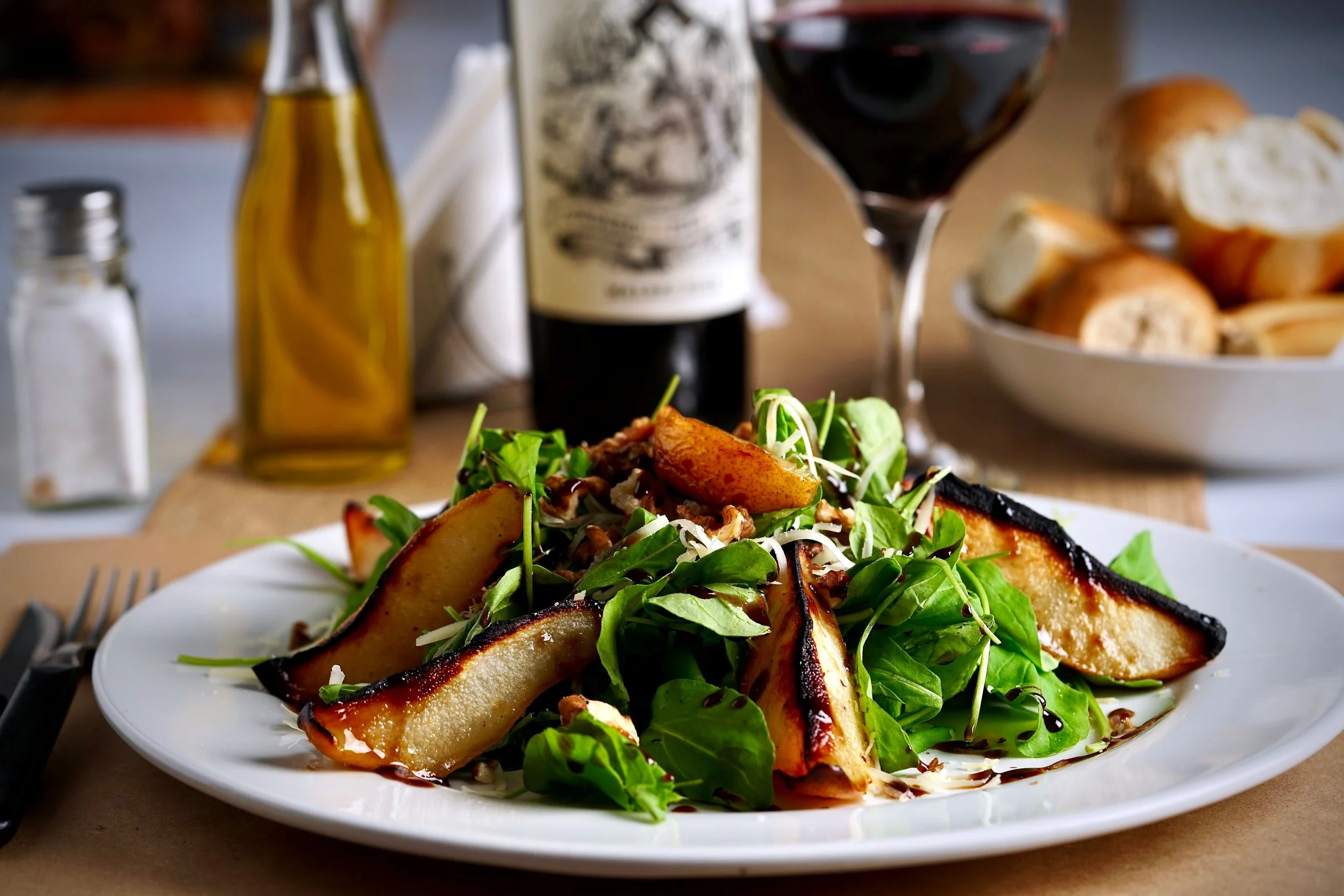

It's not about fancy dinners. It's about food being a normal, genuinely enjoyable part of the day — nothing more, nothing less.
Evenings Have Their Own Kind of Quiet
Evenings here have a particular feel to them. The streets soften. Lights come on behind windows. People are out walking their dogs or just strolling or sitting outside with a glass of wine. You catch laughter drifting out an open window, the clink of dishes, snippets of conversation.
It's peaceful, but it's never empty. It feels warm. Lived in. Safe.
Close Enough to Paris, Far Enough Away
Living just outside Paris means you get to feel the city's energy without carrying its intensity around with you all day. The trains run often, and plenty of people commute. You can spend the whole day in Paris — museums, a walk along the Seine, all that buzz — and then come home to somewhere quieter and more grounded.
These towns aren't suburbs in the way Americans might picture that word. They're their own communities, with their own identities and histories. They exist alongside Paris, not in its shadow. That same idea exists within Paris itself, where certain neighborhoods retain a slower rhythm and a stronger sense of everyday community.
The France Where People Actually Live
If Paris is the France people dream about, these villages are the France people live in. This is where traditions get passed down, where families grow up, where daily life unfolds in all its quiet, ordinary beauty.
It's not glamorous. Not by any means. But it's deeply charming. It's not dramatic. But it's profoundly human. It's not the France on the postcards — but it's the France that stays with you long after you've left. It's everyday France, with everyday, ordinary people doing ordinary things. Incredibly, it's that ordinary, mundane rhythm that ends up being most of the charm.
And honestly, once you've spent enough time here, you start to realize the real magic of France was never just in its monuments or its famous streets. It's in the small rituals - the small rituals and shared moments that make everyday life meaningful. The shared moments. The quiet rhythm of a Tuesday morning at the boulangerie.
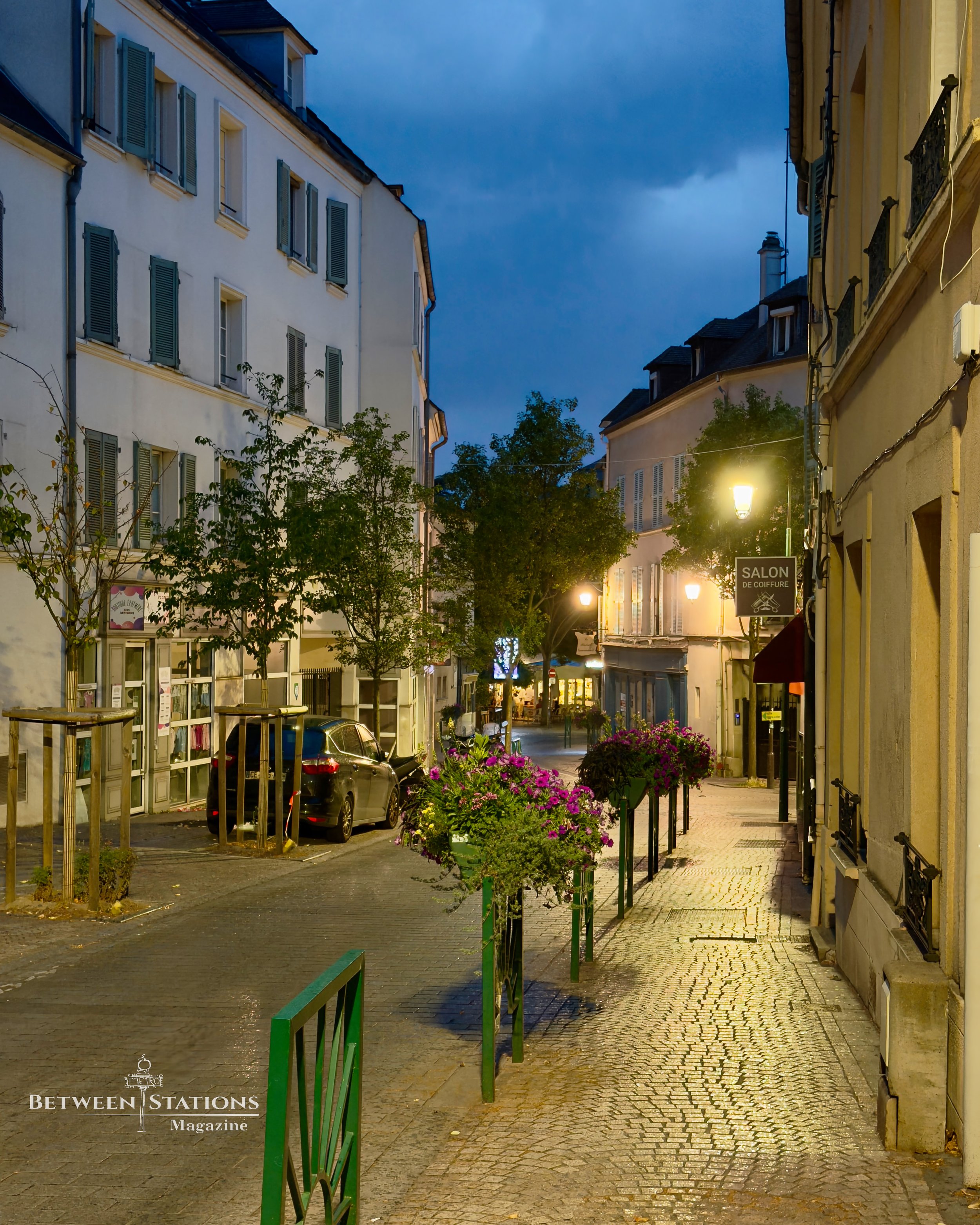
It's the France most people never see. But it's the one worth knowing. I know that I love it.