
Life in a French Village: The France Most People Never See
Everyone knows Paris — the Eiffel Tower, the cafés, the cinematic charm of it all. But just outside the city is a France most people never see: small villages where mornings start at the boulangerie, markets double as social hours, and strangers slowly become neighbors. Here's what I've learned since making one of them home.
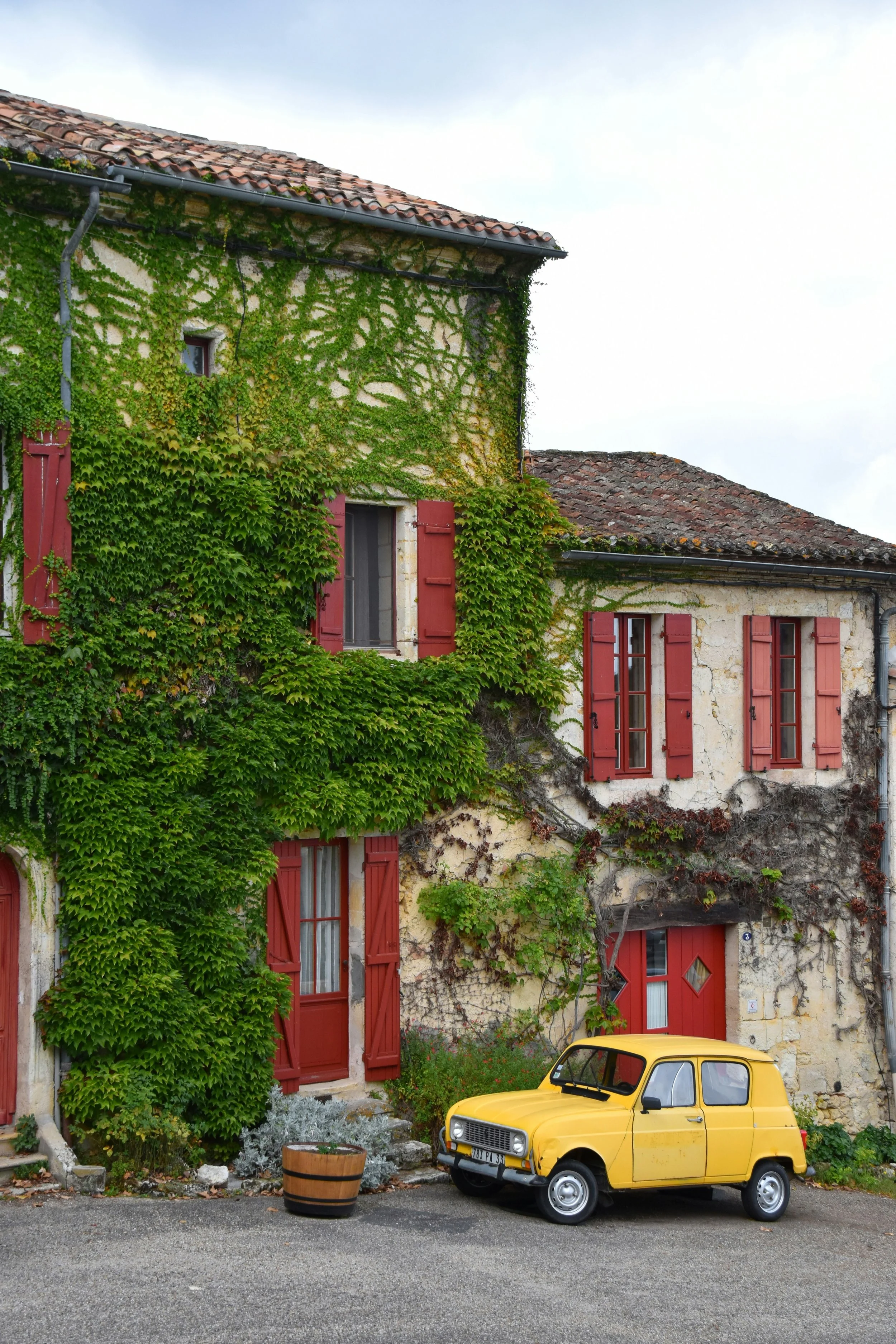
Okay, so when most people think of France, their brain goes straight to Paris. And I get it — Paris is everywhere. It's in every movie, every commercial, every travel show, half of Instagram. The Eiffel Tower lit up at night, the Seine winding through the city, croissants so flaky they seem fake, the Moulin Rouge, all those cobblestone streets from An American in Paris or Emily in Paris. It's magnetic. I'm not knocking it.
But here's the thing nobody tells you: France isn't just Paris. The France that most French people actually live in — the one that shapes families and holidays and just the everyday rhythm of a week — is happening quietly in the villages and small towns scattered around the city and across France. You won't see them in a movie montage. But honestly? This is where the real heart of the country is.
I live in one of those small towns now, just outside Paris. And what's struck me most is that this isn't some slower, watered-down version of Parisian life. It's a completely different world. Before I settled here, I assumed that I'd end up living much closer to Paris, but after starting my life in this town, I'm still amazed at how rewarding living outside central Paris truly is.
Mornings Here Move Differently
If you want to understand a French village, forget the lazy tourist brunch hour — watch what happens at real morning, when the town is just waking up.
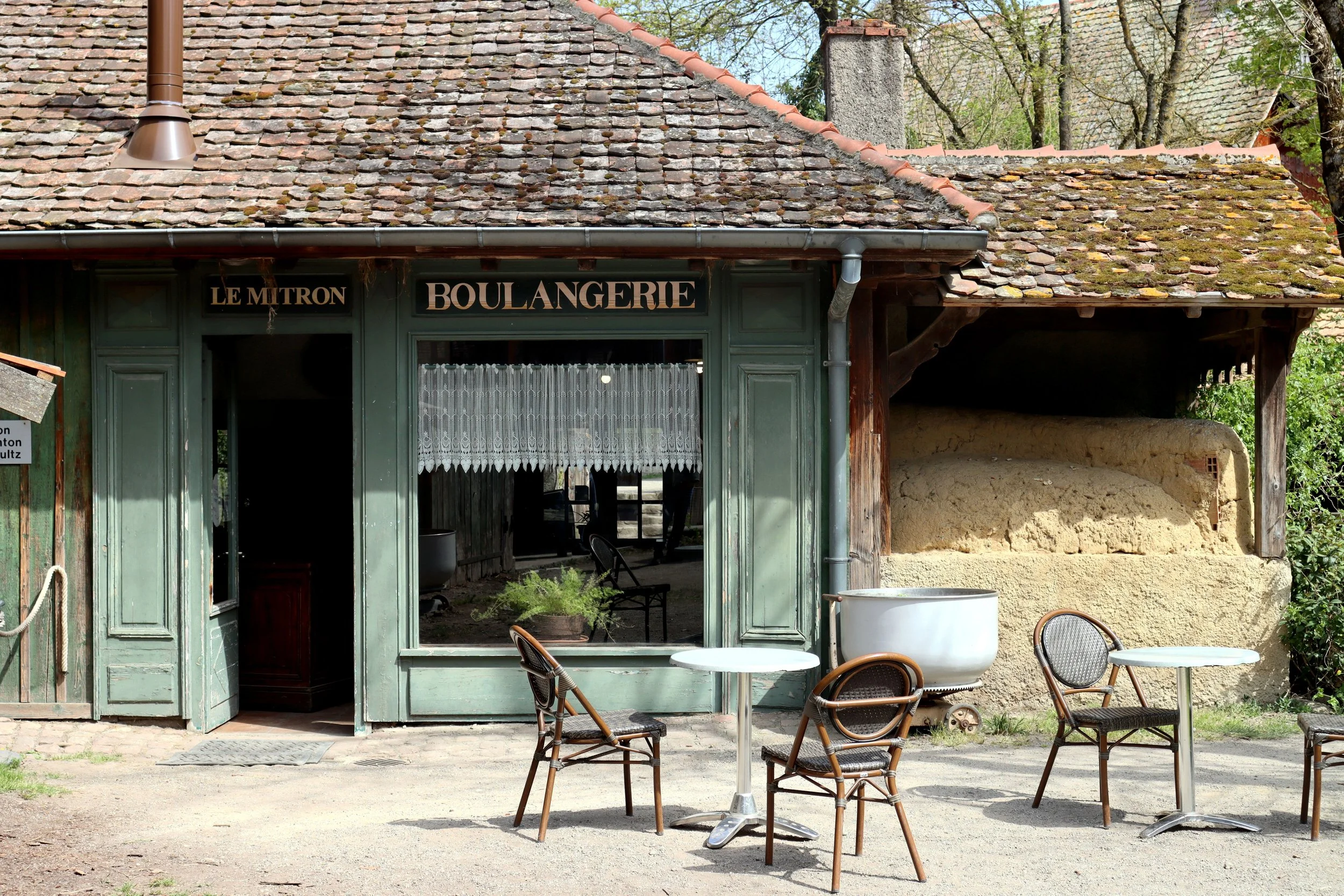
There's this little choreography to it. You know the boulangerie has opened before you even see the lights on, because the smell of warm bread is already drifting down the street. People pop in for a baguette or a pain au chocolat, but nobody's in a hurry. There's always a quick exchange — a "bonjour," a comment about the weather, a laugh about something. It's not performative politeness. It's just... how mornings work here. You show up, you say hello, you're part of it.
Outside, shutters open one by one. Someone's sweeping their front step. A neighbor's watering flowers. Kids walk to school with backpacks nearly as big as they are, talking a mile a minute the way only kids can. Moms race down the street on their cargo bikes with three little ones piled on back. It's not loud out there, but it's not silent either — the street just hums.
My own morning ritual is a trip to my local boulangerie, where I buy the same thing every time — baguette tradition. I so rarely deviate that the ladies who work there usually have it bagged and waiting at the counter before I've said a word. Funny thing is, I'm not the only one. The staff know their regulars and make sure you feel welcomed. That's part of the beauty of living somewhere small and communal.
It feels lived in. Familiar. Like everyone's quietly doing this together.
The Market Is Where Everything Happens
Paris has its grand boulevards and famous cafés. Villages have their markets — and honestly, I think the markets might win.
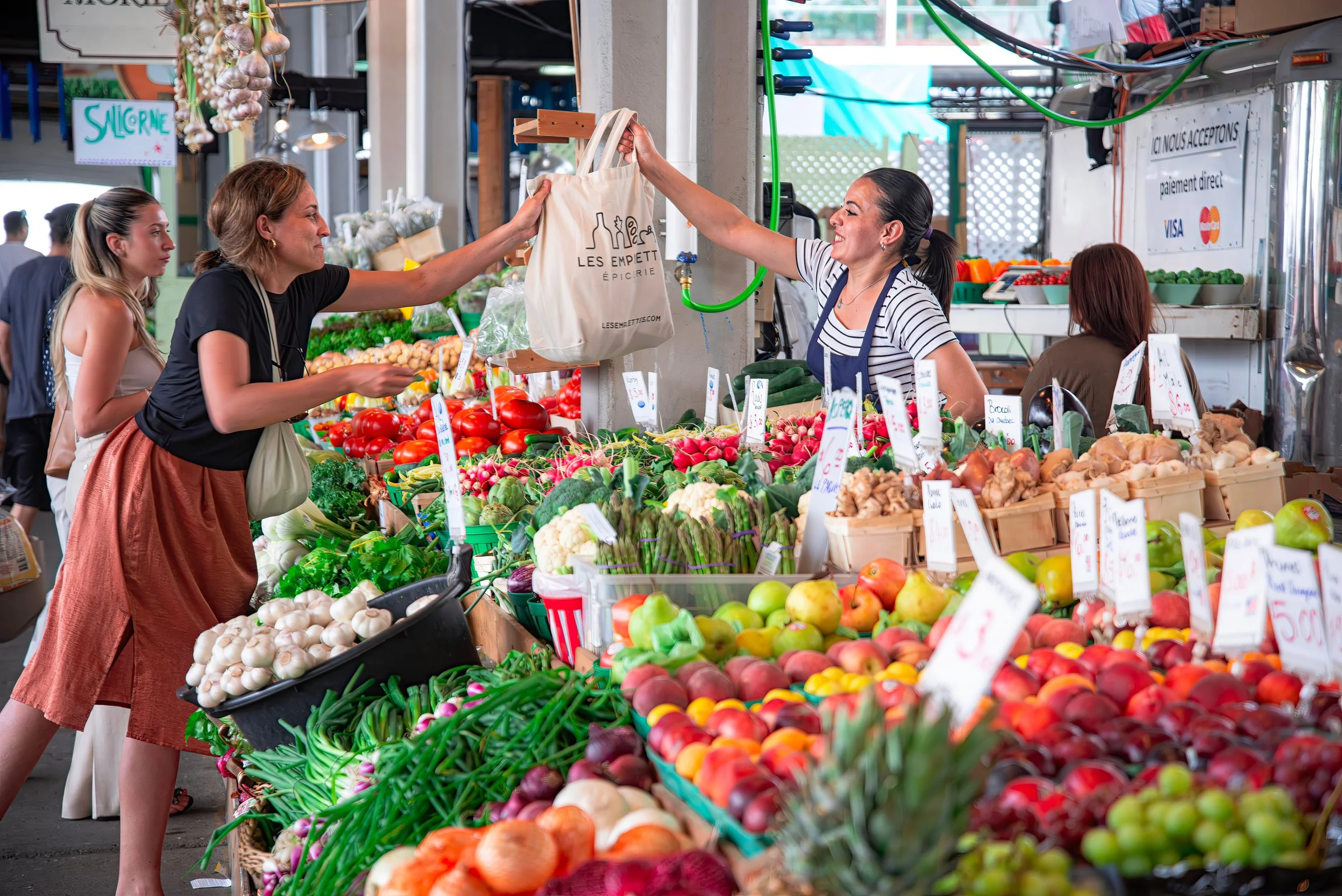
Most towns have one weekly market, usually set up in the main square or along a central street. It's not just grocery shopping — it's the social event of the week. Vendors are out early, laying their produce in these neat, almost artistic rows. The tomatoes in summer are so red they don't look real. The strawberries smell like strawberries. Someone at the cheese stand hands you a taste of something you've never heard of, and you're hooked.
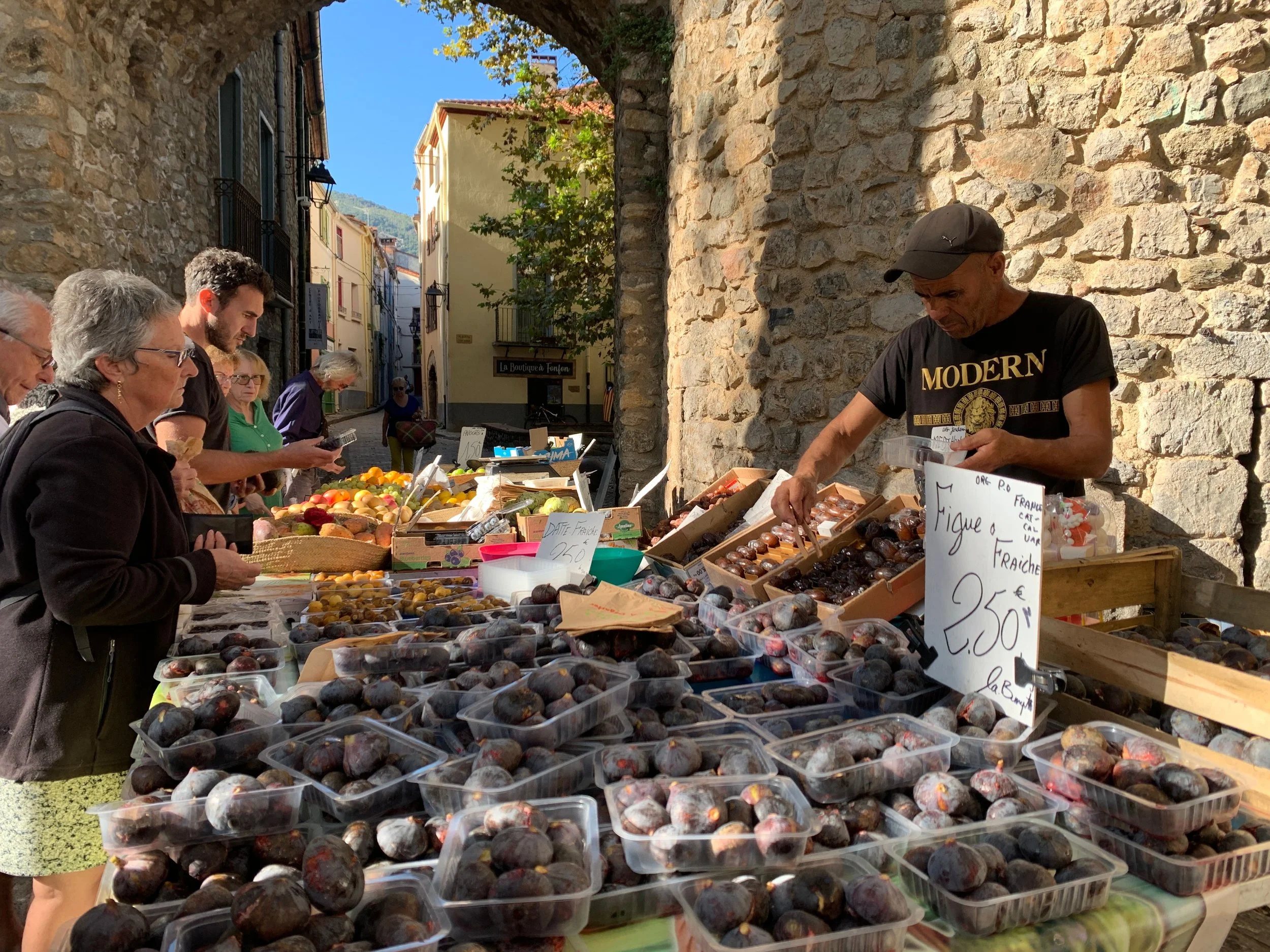
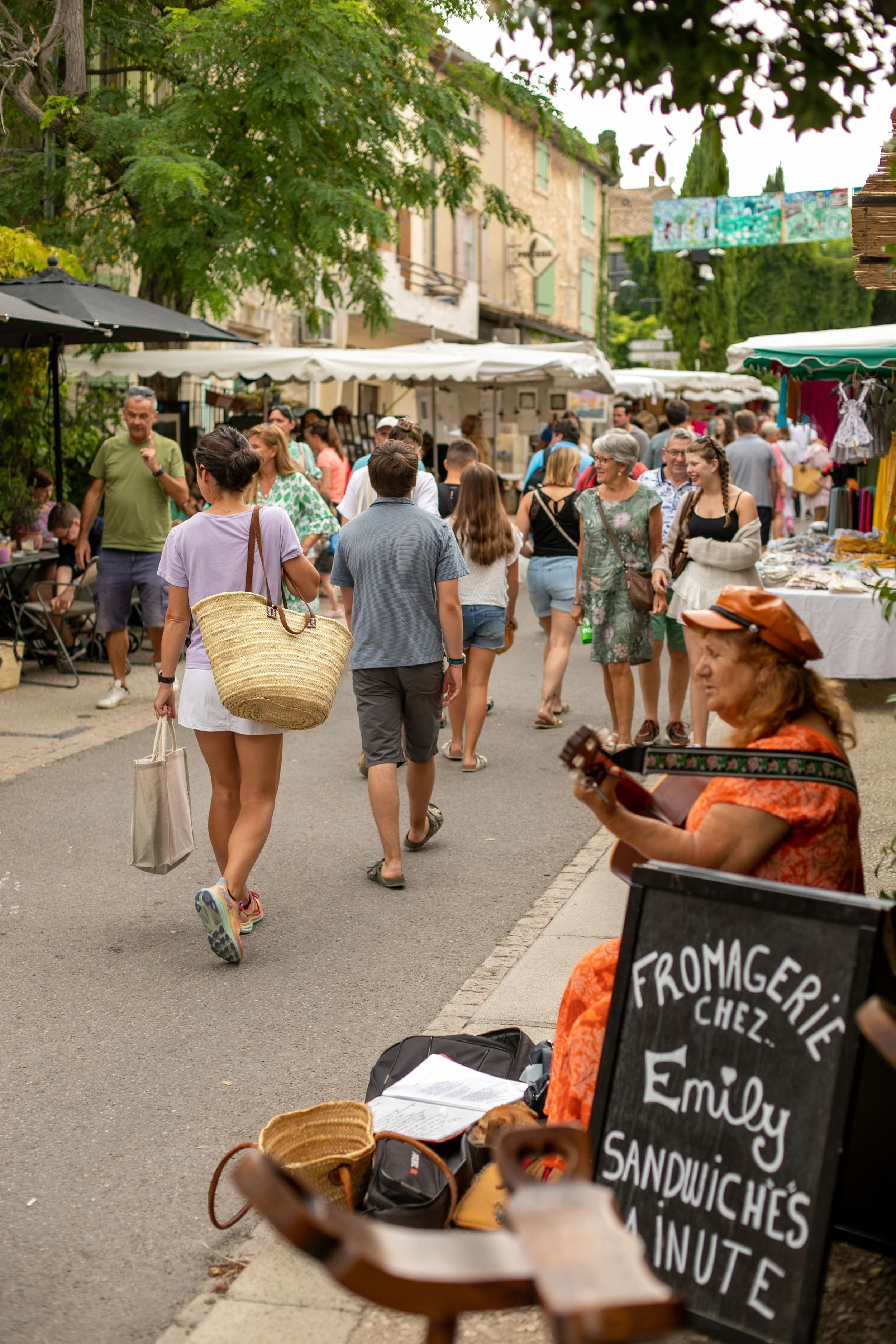
People aren't just there to buy things — they're there to talk. You'll see older couples walking hand in hand, families picking out fruit together, teenagers grabbing a crêpe on their way to school. This is where you feel the pulse of the place.
And unlike the rushed grocery runs a lot of us grew up with, nobody's trying to get in and out fast here. You browse. You chat. You take your time. My nut guy holds full conversations with me between orders, without missing a beat. Food isn't just fuel — it's woven into how people connect.
Nobody's in a Rush to Fill Every Minute
One of my favorite things about life here is how comfortable people are with just... pausing. Not taking a break from something, not squeezing in a rest — just letting a moment be a moment.
Late morning, you'll spot people outside cafés with tiny cups of espresso, not going anywhere, just talking or reading or watching the street. In the afternoon, older folks sit on benches in the shade, saying hello to whoever walks by. After school, kids hang around the local park kicking a ball or messing around on scooters.
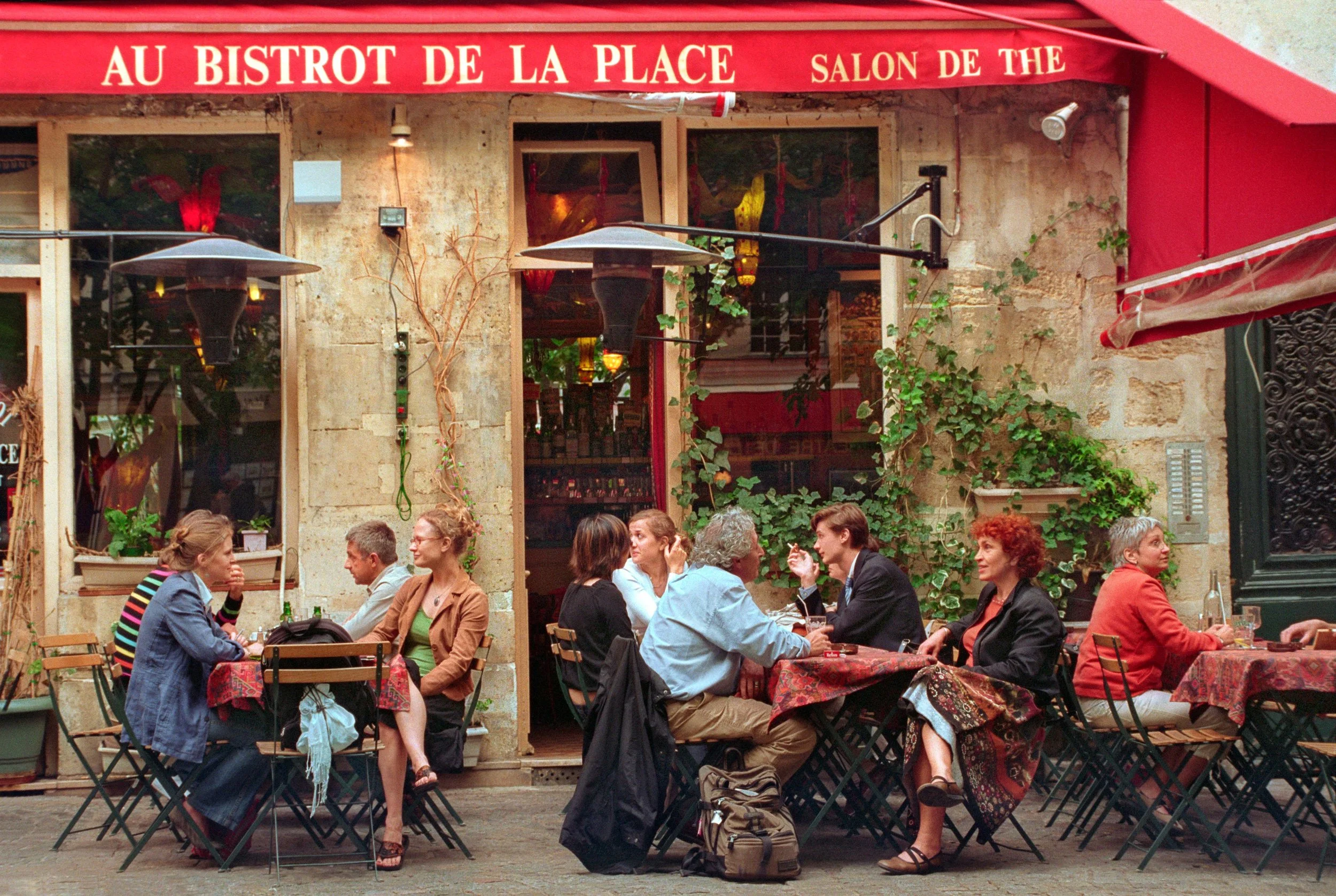
There's no unspoken pressure to always be doing something. The pause isn't an interruption to the day — it's just part of it.
Every Village Has Its Own Personality
These towns really aren't interchangeable. Each one has its own quirks, its own history, its own way of being itself. Across France, many communities have preserved their unique character, architecture, and traditions, a heritage celebrated by organizations such as Les Plus Beaux Villages de France.
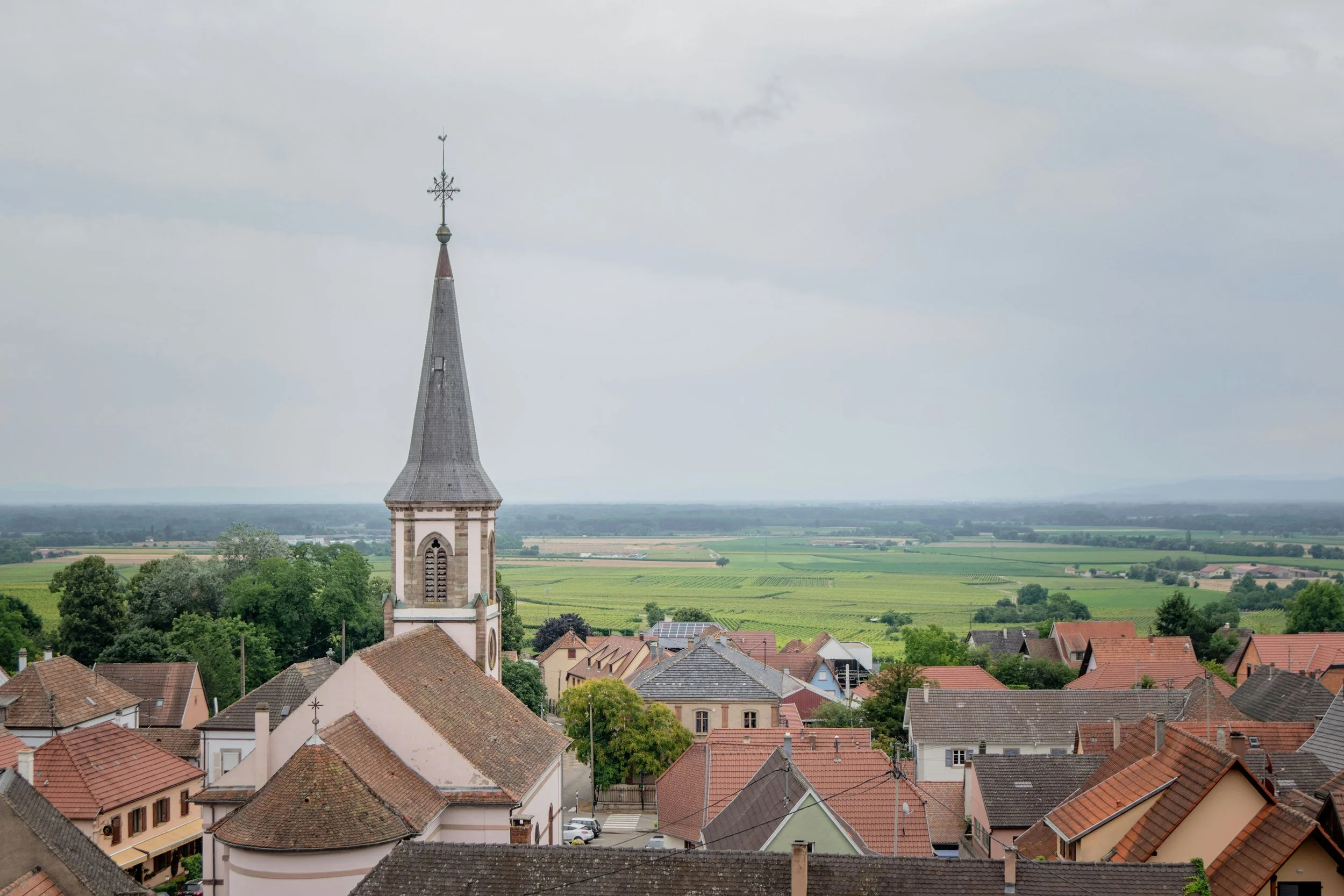
Some are perched up on hills with winding streets and stone houses that look like they've stood there forever. Others wrap around a central square, cafés and shops forming a cozy little circle. A lot of them have a church that acts as the town's landmark, even for people who never set foot inside — the bells still mark the hours, and there's something comforting about that. In fact, a church is an ever-present fixture of nearly every village square, and no two are alike — each one its own bit of history.
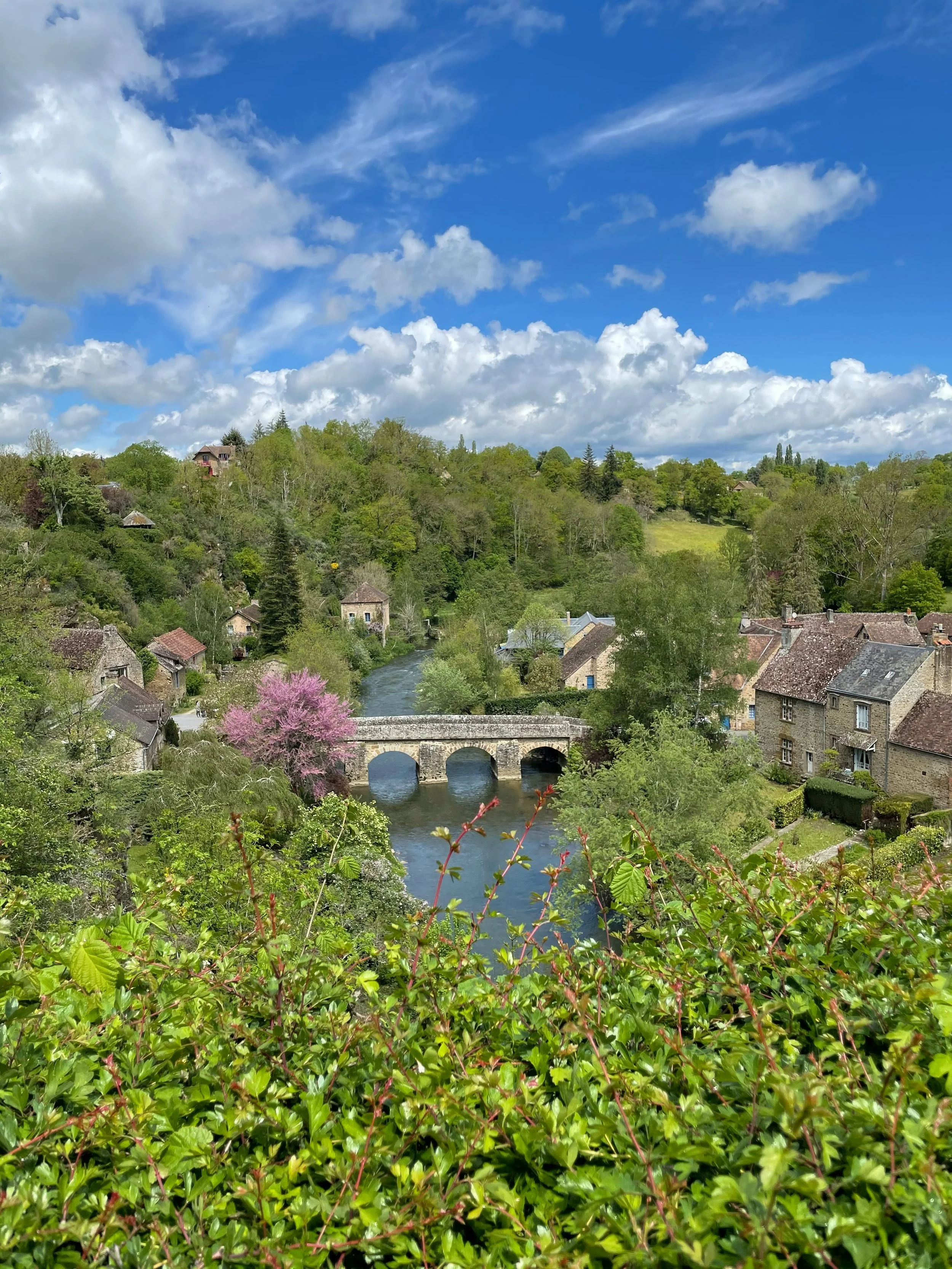
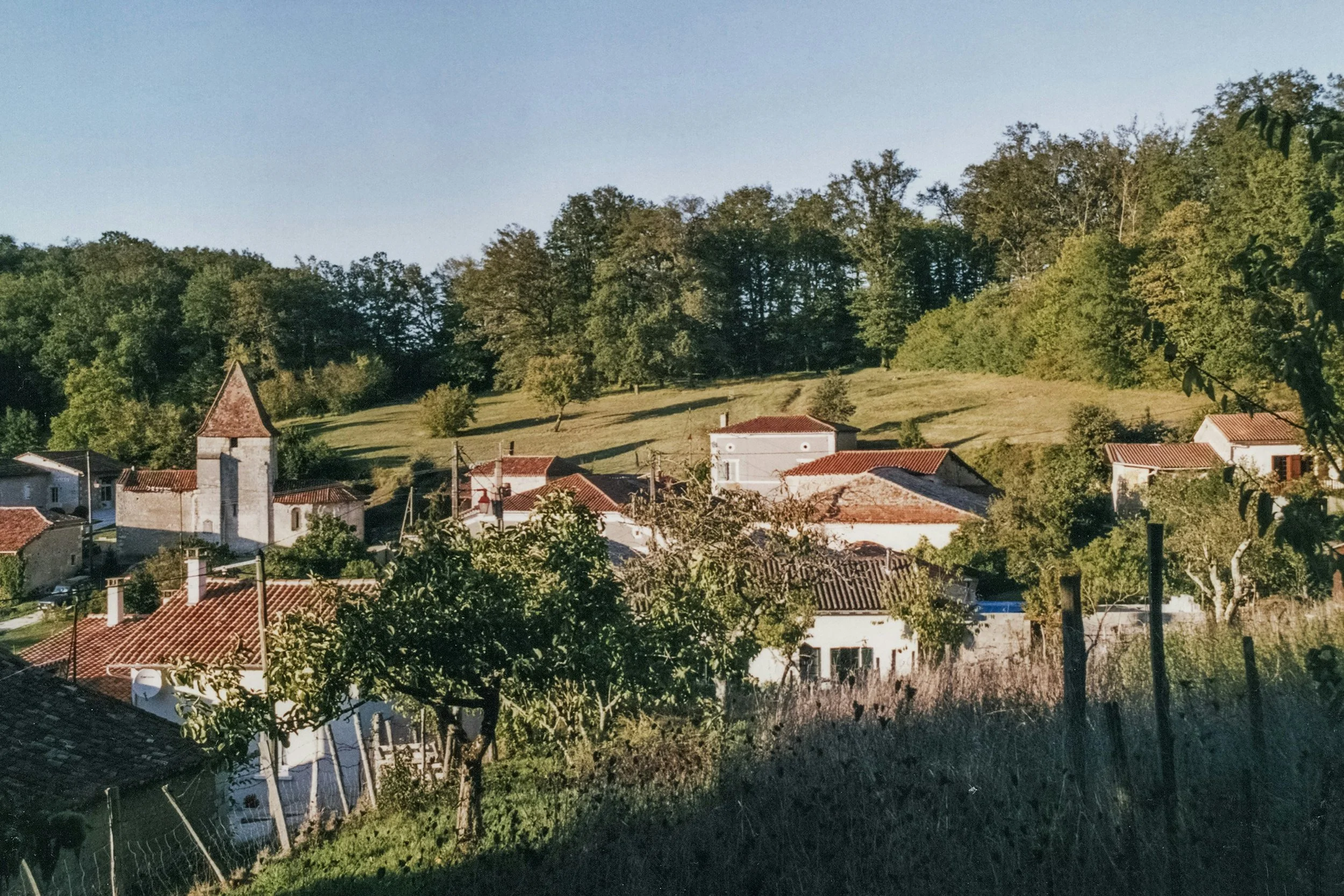
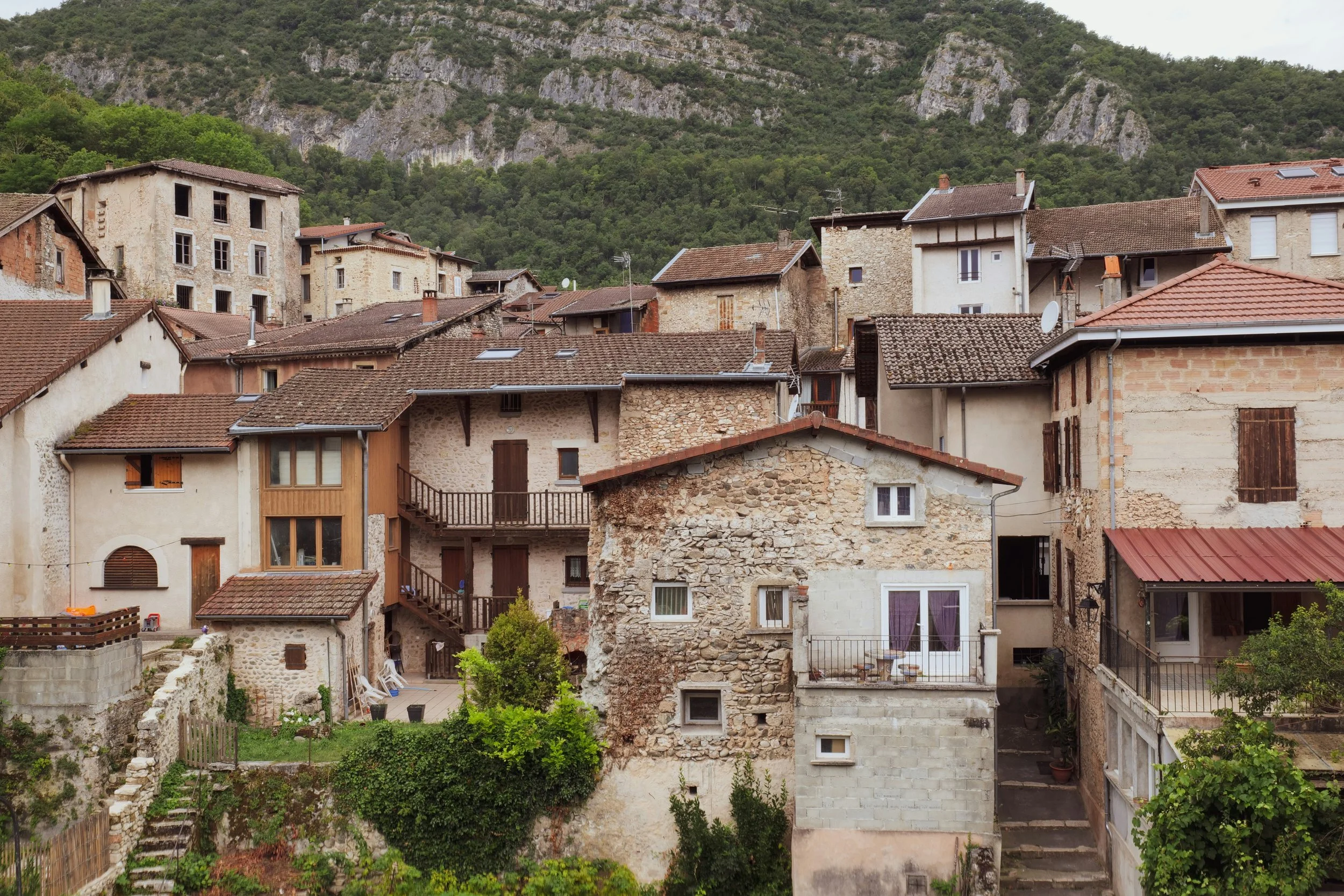
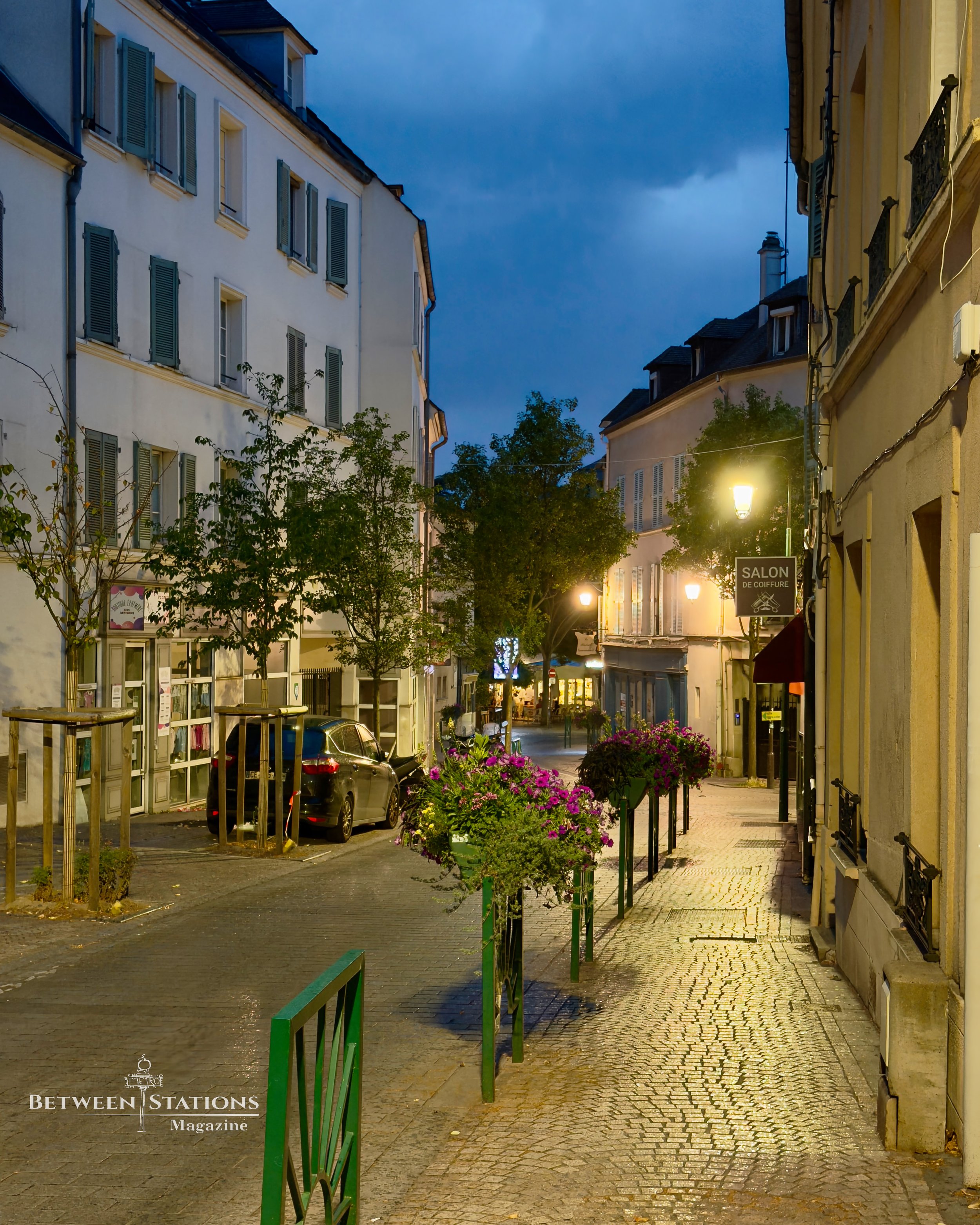
The buildings are this easy mix of old and new — centuries-old stone next to a modern apartment block, and somehow it all just works. The colors are soft: creams, pale blues, muted greens. Shutters aren't decoration here — people use them, closing them at night, opening them in the morning. Flowers spill out of window boxes in summer. In winter, you catch warm light glowing behind curtains as you walk by.
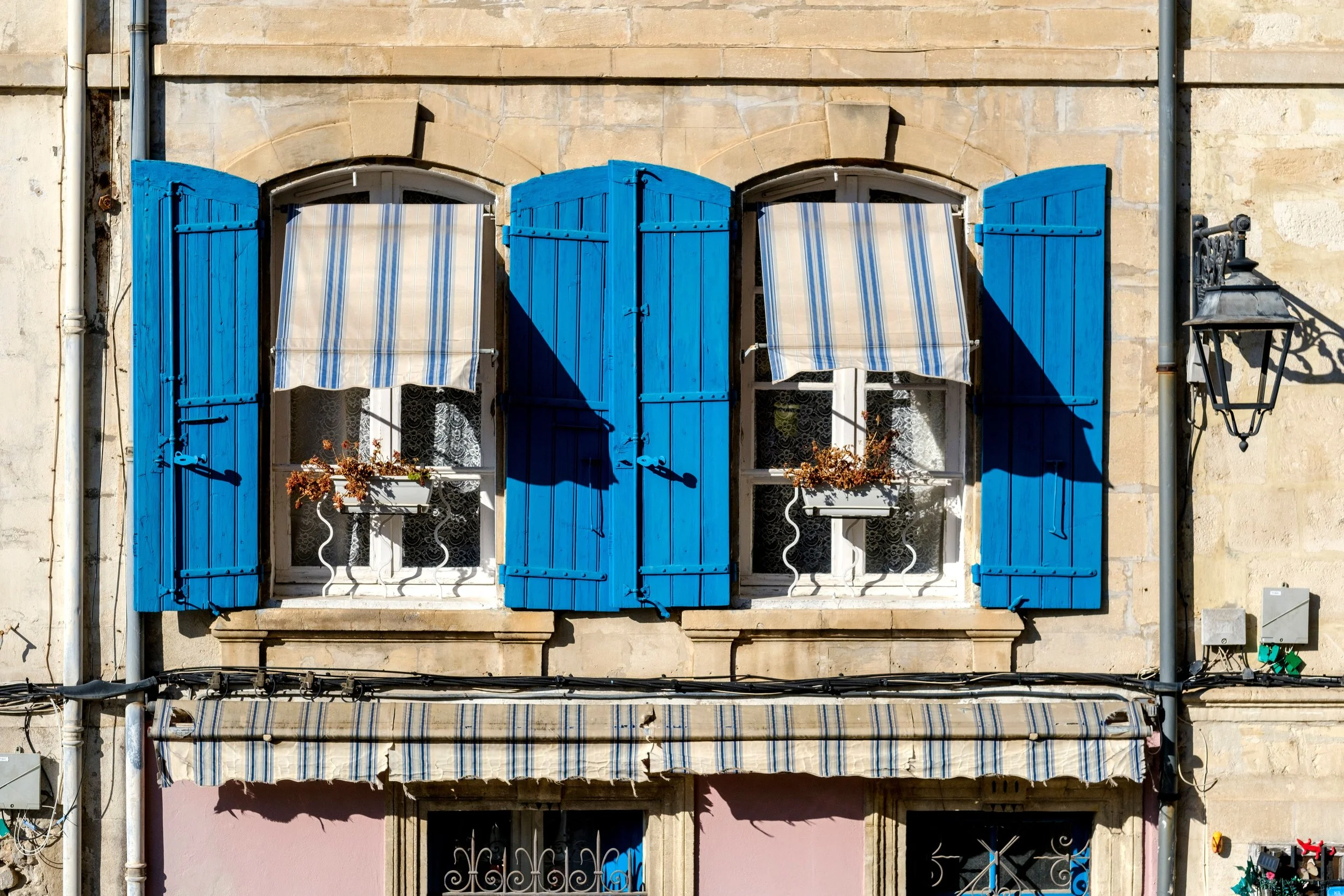
It's the kind of place where you notice the little details, because the pace of life gives you room to.
You're Never Really Anonymous Here
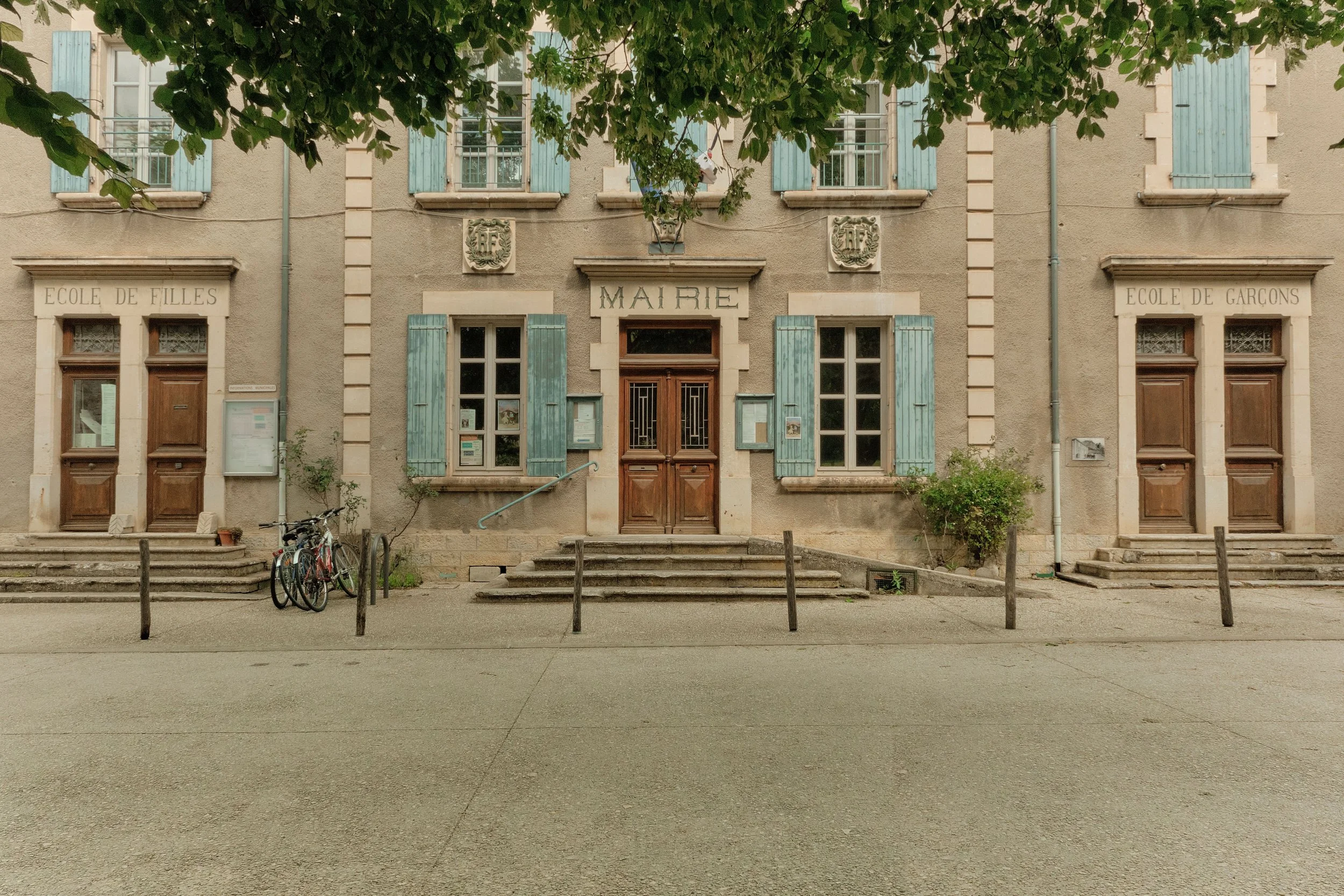
The biggest difference between Paris and the towns around it might be this sense of community. Parisians are friendly enough, but the city is big and constantly moving. Here, you feel connected — and not in some forced, small-talk way. It's just natural.
Neighbors know each other. They say hello without fail. They'll help you carry your groceries up the stairs. They'll tell you which plumber to call, which restaurant to try, which doctor is good with kids. They show up for the local festival, the school fundraiser, whatever's happening that week.
In my own experience, there's a bit of a "warming up" period. When I first arrived in my village, I was, for all intents and purposes, a stranger. My interactions with shopkeepers and locals were pleasant, but efficient — nothing more. After a couple of weeks, people started to recognize me and engage a little more. After a month or so, I'd become familiar enough that locals began asking where I was from, genuinely curious to know more. And finally, once enough time had passed and they realized I live there — not just passing through — I started feeling properly accepted as part of the community. I walk the same paths, ride my bike, shop in a lot of the same places, and regularly see the same familiar faces in the town square. As a result, I've been able to have these open, energetic conversations with my neighbors — them in broken English, me in broken French.
There's this quiet sense that everyone belongs to something bigger than themselves. You're not just passing through. You're part of the town's story.
Life Moves at a Human Pace
People love to call village life "slow," but I don't think that's quite right. It's not slow. It's human. It moves at a pace that leaves room for connection, for paying attention, for being present.
People still commute into Paris for work. Parents still juggle busy schedules. Modern life still shows up here in all its usual forms. But it's balanced out by little rituals and traditions, and this cultural sense that life is meant to be lived, not just managed.
There's time for a real conversation. Time to sit down for a meal. Time to walk somewhere instead of rushing. Time to notice the seasons turning.
Food Isn't an Event — It's Just Life
Food here isn't treated like some special occasion. It's just part of the day. People cook. They shop for fresh ingredients. They eat at home. Lunch is an actual break, not something eaten at a desk between emails.
Dinner tends to happen later than a lot of us are used to, and it's almost always shared. Even the simplest meal feels intentional somehow. There's always bread on the table. Cheese shows up without any fanfare. Dessert might just be a piece of fruit, some yogurt, or something picked up from the local pâtisserie.
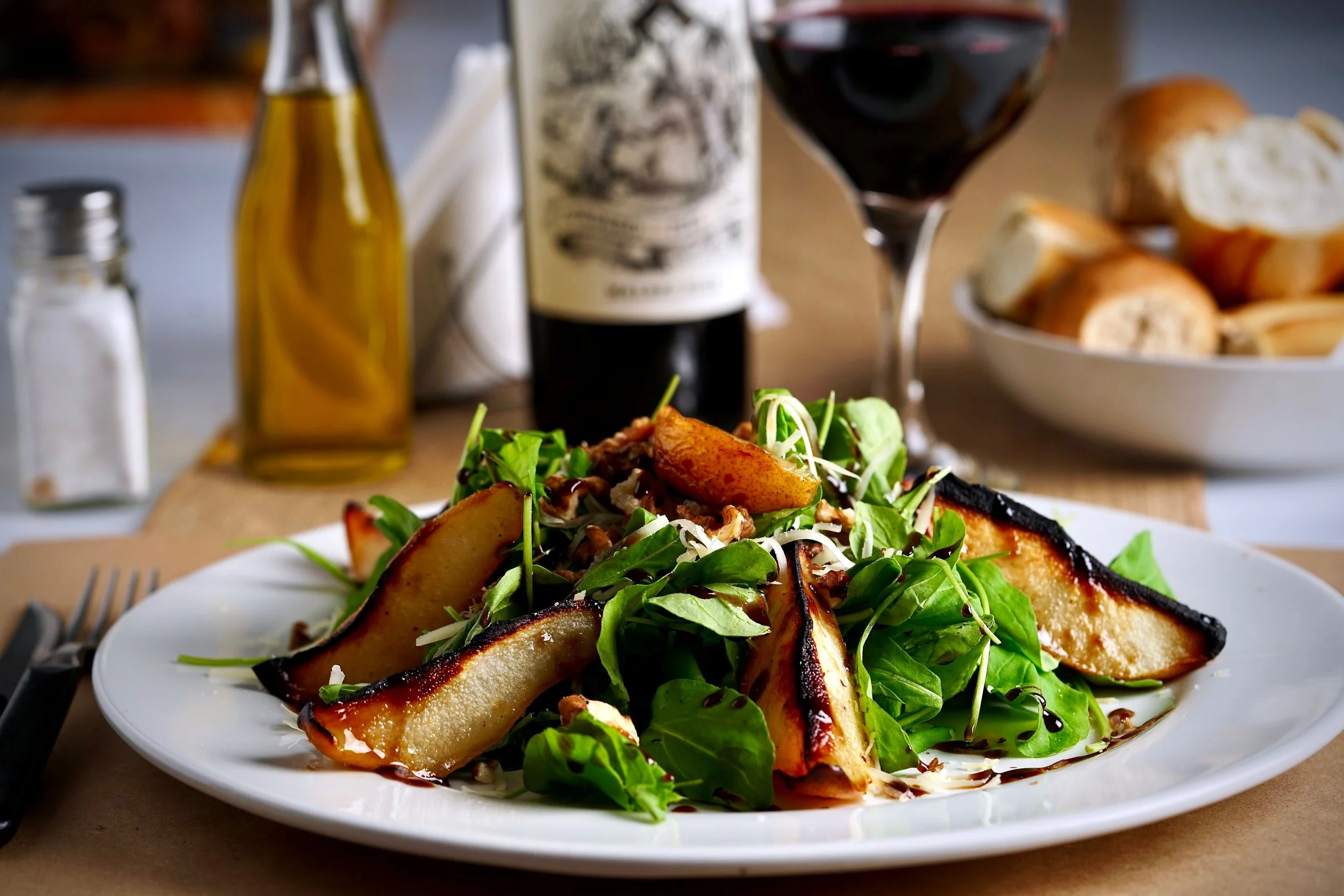

It's not about fancy dinners. It's about food being a normal, genuinely enjoyable part of the day — nothing more, nothing less.
Evenings Have Their Own Kind of Quiet
Evenings here have a particular feel to them. The streets soften. Lights come on behind windows. People are out walking their dogs or just strolling or sitting outside with a glass of wine. You catch laughter drifting out an open window, the clink of dishes, snippets of conversation.
It's peaceful, but it's never empty. It feels warm. Lived in. Safe.
Close Enough to Paris, Far Enough Away
Living just outside Paris means you get to feel the city's energy without carrying its intensity around with you all day. The trains run often, and plenty of people commute. You can spend the whole day in Paris — museums, a walk along the Seine, all that buzz — and then come home to somewhere quieter and more grounded.
These towns aren't suburbs in the way Americans might picture that word. They're their own communities, with their own identities and histories. They exist alongside Paris, not in its shadow. That same idea exists within Paris itself, where certain neighborhoods retain a slower rhythm and a stronger sense of everyday community.
The France Where People Actually Live
If Paris is the France people dream about, these villages are the France people live in. This is where traditions get passed down, where families grow up, where daily life unfolds in all its quiet, ordinary beauty.
It's not glamorous. Not by any means. But it's deeply charming. It's not dramatic. But it's profoundly human. It's not the France on the postcards — but it's the France that stays with you long after you've left. It's everyday France, with everyday, ordinary people doing ordinary things. Incredibly, it's that ordinary, mundane rhythm that ends up being most of the charm.
And honestly, once you've spent enough time here, you start to realize the real magic of France was never just in its monuments or its famous streets. It's in the small rituals - the small rituals and shared moments that make everyday life meaningful. The shared moments. The quiet rhythm of a Tuesday morning at the boulangerie.
It's the France most people never see. But it's the one worth knowing. I know that I love it.
