
Falling for the Iron Lady, One Sparkle at a Time
Why does an iron tower built for a fair still stop Parisians mid-conversation? A personal look at the history, culture, and quiet pull of the Eiffel Tower.
A love letter to the landmark Parisians pretend not to notice
An Opening I Didn't See Coming
Say the words "Eiffel Tower" to a room full of strangers, anywhere on the planet, and watch what happens. Someone will sigh. Someone will mention a honeymoon. Someone, without fail, will bring up how they climbed the stairs and regretted every one of them by the second landing. Few structures on earth get people talking the way this one does. It has been stamped on t-shirts, folded into postcards, and dropped into the backgrounds of movies where nobody in the plot has any reason to be in Paris. It is, by most measures, the most photographed monument in the world. And yet ask a person who lives near it what they think, and you will often get a shrug.
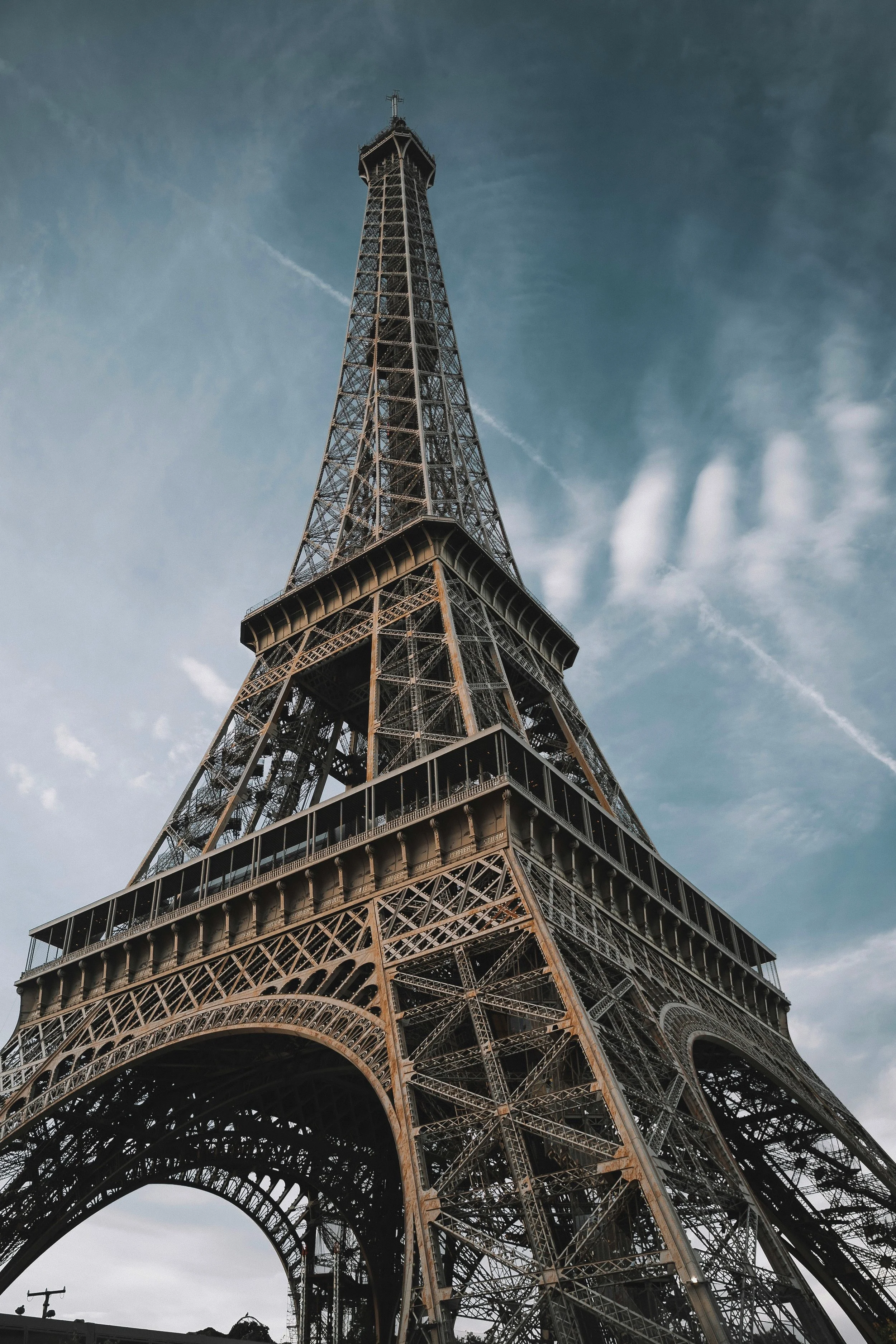
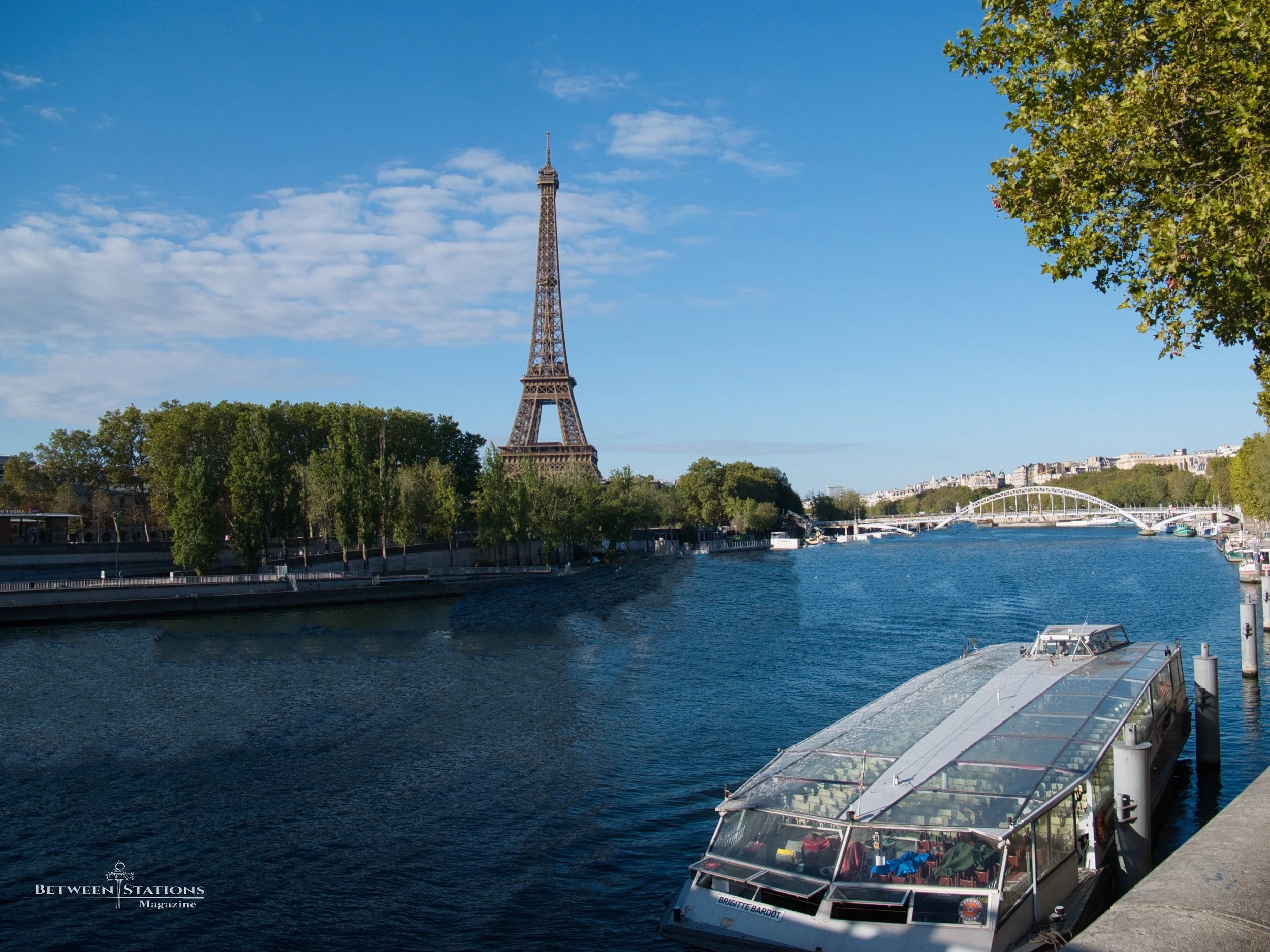
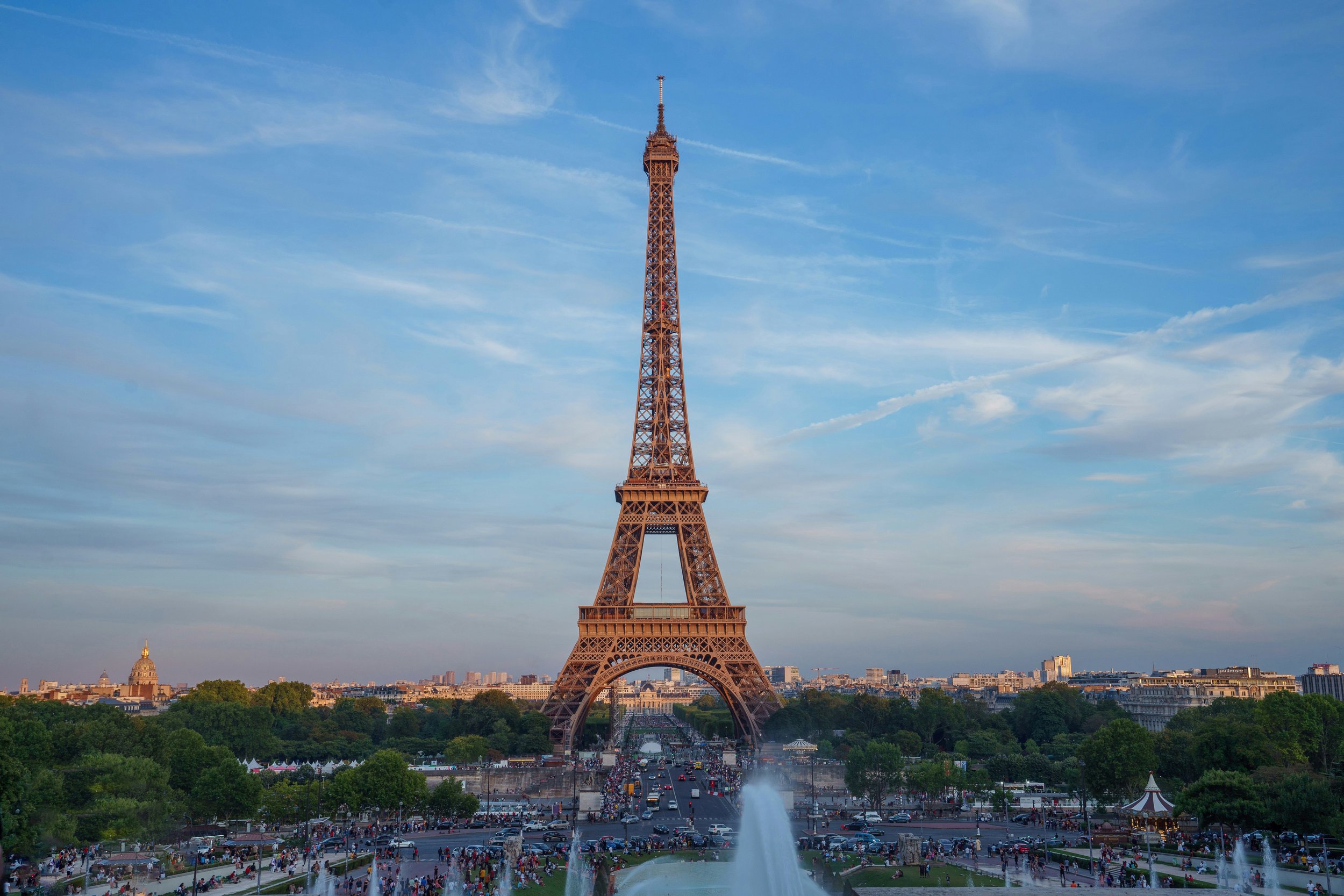
My very first introduction to the tower was in December 2018. It was my very first trip to Europe. My daughters were with me, and, in fact, urged me to go to Paris, saying that "Once you are in Paris, you will never be the same." On the evening of our arrival, they insisted that we go to the tower. Being who I am, I kind of shrugged off the notion that anything could be that "awesome." They got me to the edge of the Seine, told me to look up, and... WOW! My attitude changed in a hurry. There it was. Lit up and twinkling, with its massive spotlight sweeping into the night sky from the top. Seeing it in a movie or photo is one thing. Seeing the tower up close and personal is a completely different experience. Be it awe-inspiring, emotional, or both, seeing the Eiffel Tower for the first time has left a lasting impression. If I have people coming to visit Paris and they want to know where to meet, it's always the Trocadéro, which, in my opinion, is one of the most iconic views of the tower in the city. Cliché, I know, but breathtaking, nonetheless.
An Accident That Refused to Leave
The tower was never meant to stick around. It went up for the 1889 World's Fair, built to mark the hundredth anniversary of the French Revolution and to show off what French engineering could do. Gustave Eiffel's design won out over more than a hundred competing proposals, and his crew put the whole thing together in a little over two years, using nothing but iron, rivets, and a wildly ambitious amount of confidence.
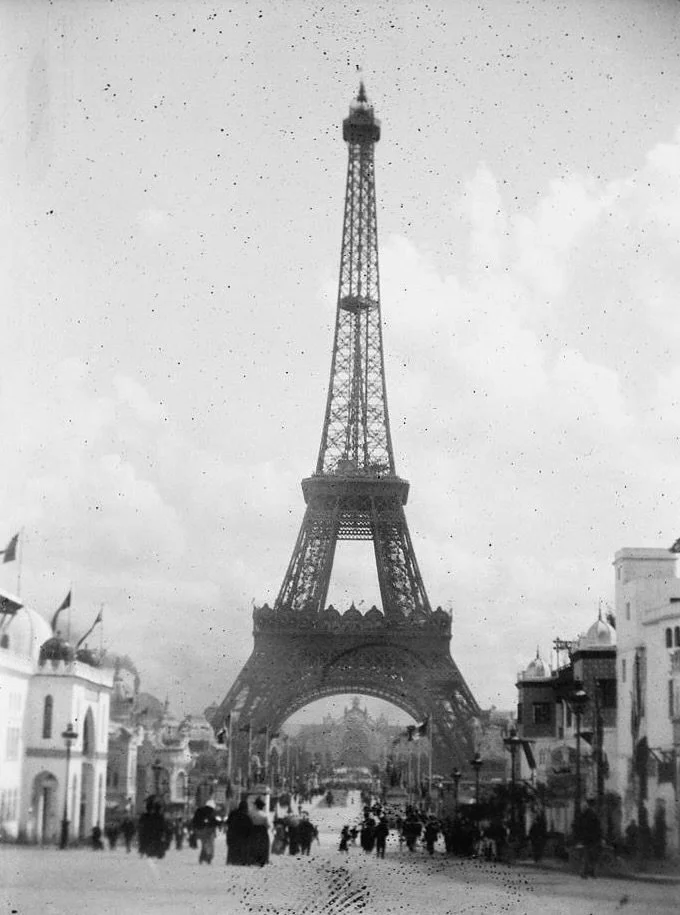
Parisians did not love it at first. A group of the city's most respected writers and artists signed a public letter calling it a "truly tragic streetlamp" and begging the government to tear it down before it ruined the skyline for good. The plan, in fact, was to dismantle it after twenty years. It survived because someone realized you could bolt a radio antenna to the top of it, and suddenly a decorative eyesore became a piece of essential infrastructure. During the First World War, transmissions from the tower reportedly helped intercept German communications. A structure built to celebrate a fair ended up helping win a war. Not bad for something half of Paris wanted gone.
If you want the fuller story of how a "temporary" monument became a permanent fixture of French identity, this account of the tower's history is worth the ten minutes.
The Iron Lady Everyone Recognizes and Almost No One Visits
Ask a Parisian about the tower and you will likely hear it called la Dame de Fer, the Iron Lady. It is a nickname with real affection in it, even from people who have not set foot inside since a school trip decades ago. That is the strange thing about living near a global icon: it stops being a destination and becomes furniture. Locals will point tourists toward the best photo angle without a hint of irony, then go about their day without a second glance upward.
Here is a detail that tends to surprise people at dinner parties. Daytime photos of the tower are yours to use however you like. But the lighting display added in the 1980s is treated differently. French copyright law counts it as a separate work of art, so publishing a nighttime photo for profit technically requires permission from the company that runs the tower. Nobody is coming to arrest you for an Instagram post, but the rule is real, and it says something about how seriously the tower's image is guarded. You can read the odd legal backstory in this breakdown of the rule, which somehow makes the tower feel even more like a celebrity with its own publicist.
What the Tourists See, and What the Rest of Us See
For visitors, the tower tends to arrive with a script already written. You have seen it in a hundred photos before you get there, so the real version must compete with the one in your head. Some people describe the moment they round a corner and see it in person as the closest thing to a religious experience they have had on vacation. Others admit, usually a little sheepishly, that it looked smaller than expected, or that the crowds and the security lines took some of the shine off. Both reactions are fair. A landmark this famous carries an enormous amount of expectation, and expectation is a heavy thing to live up to.
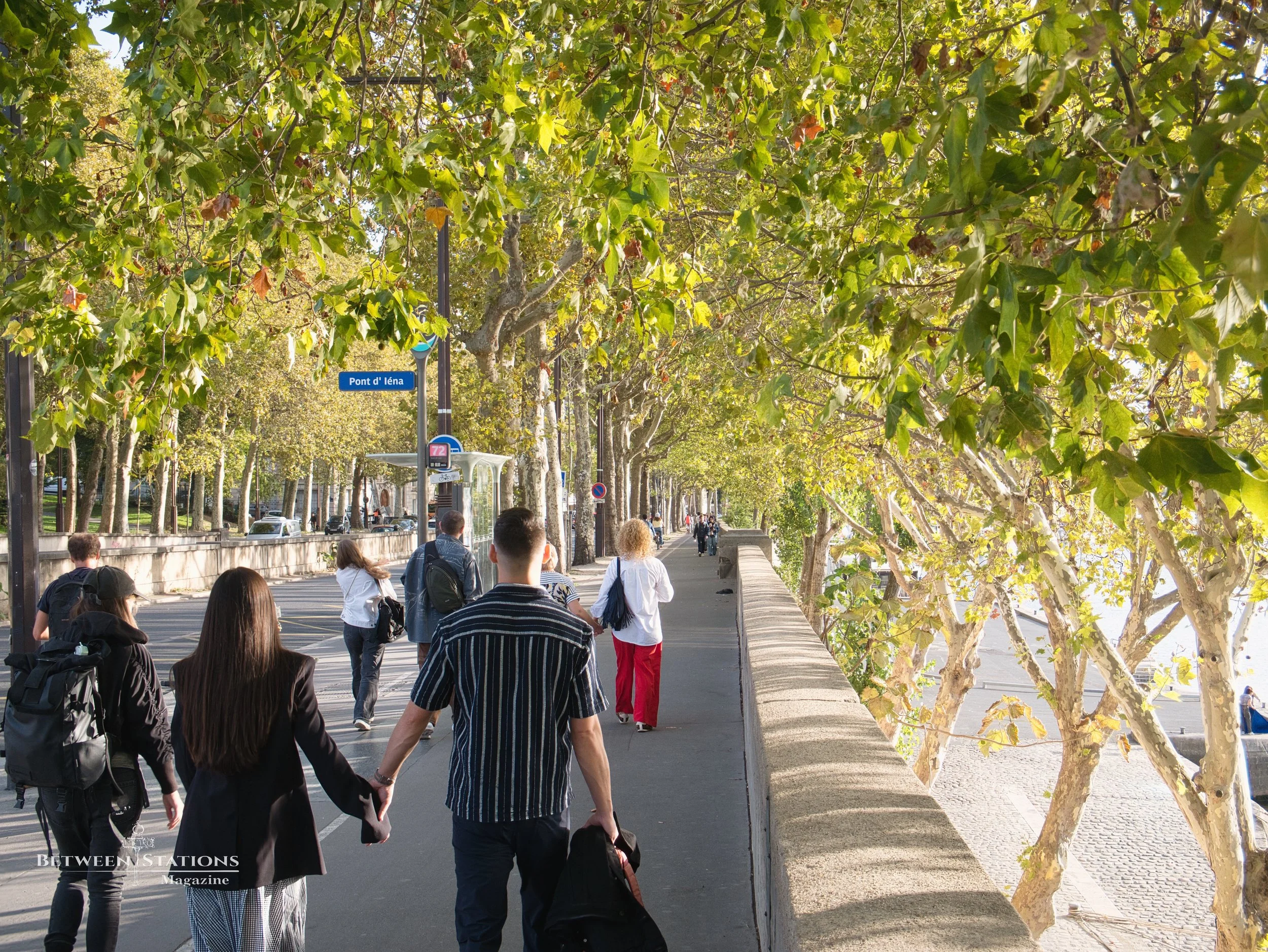
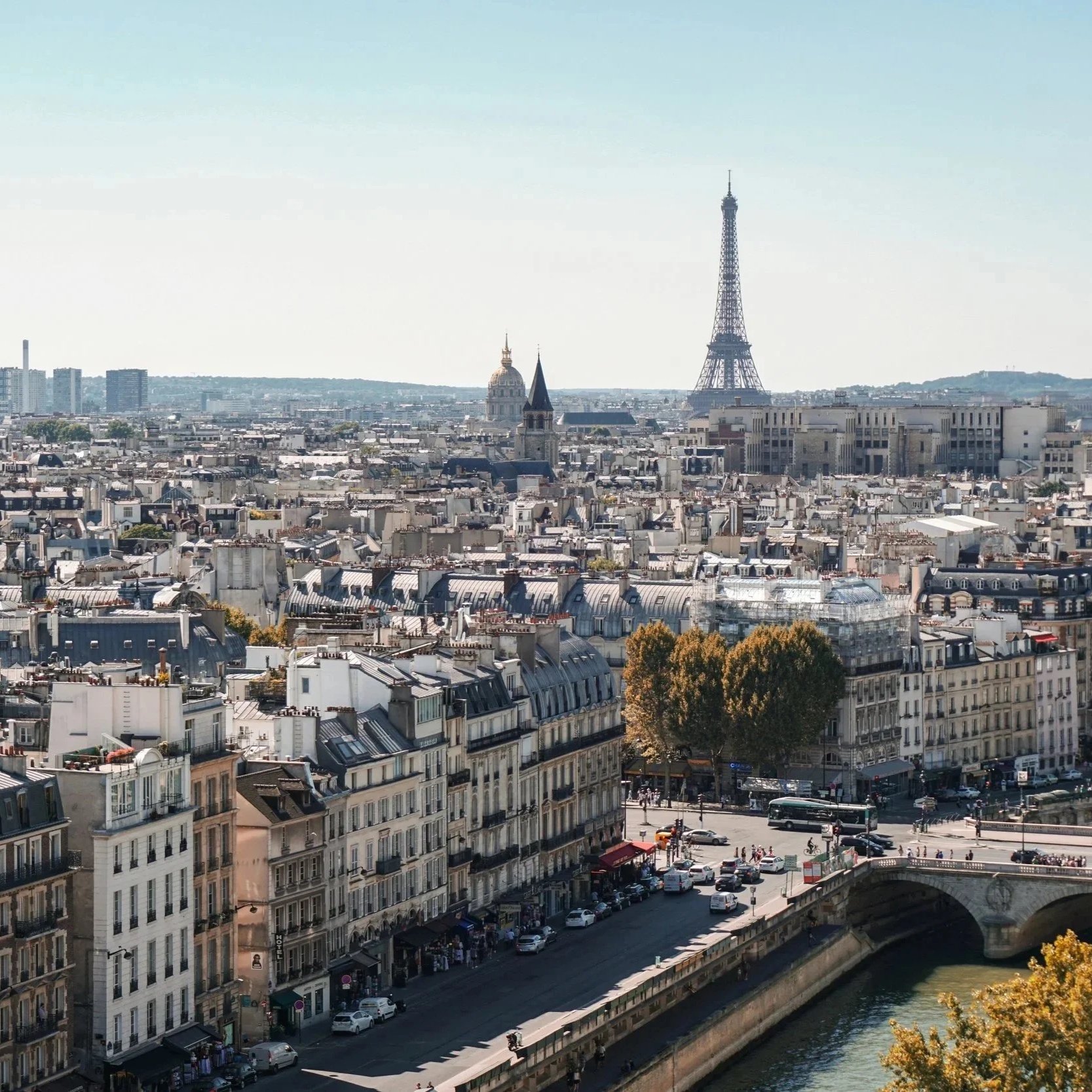
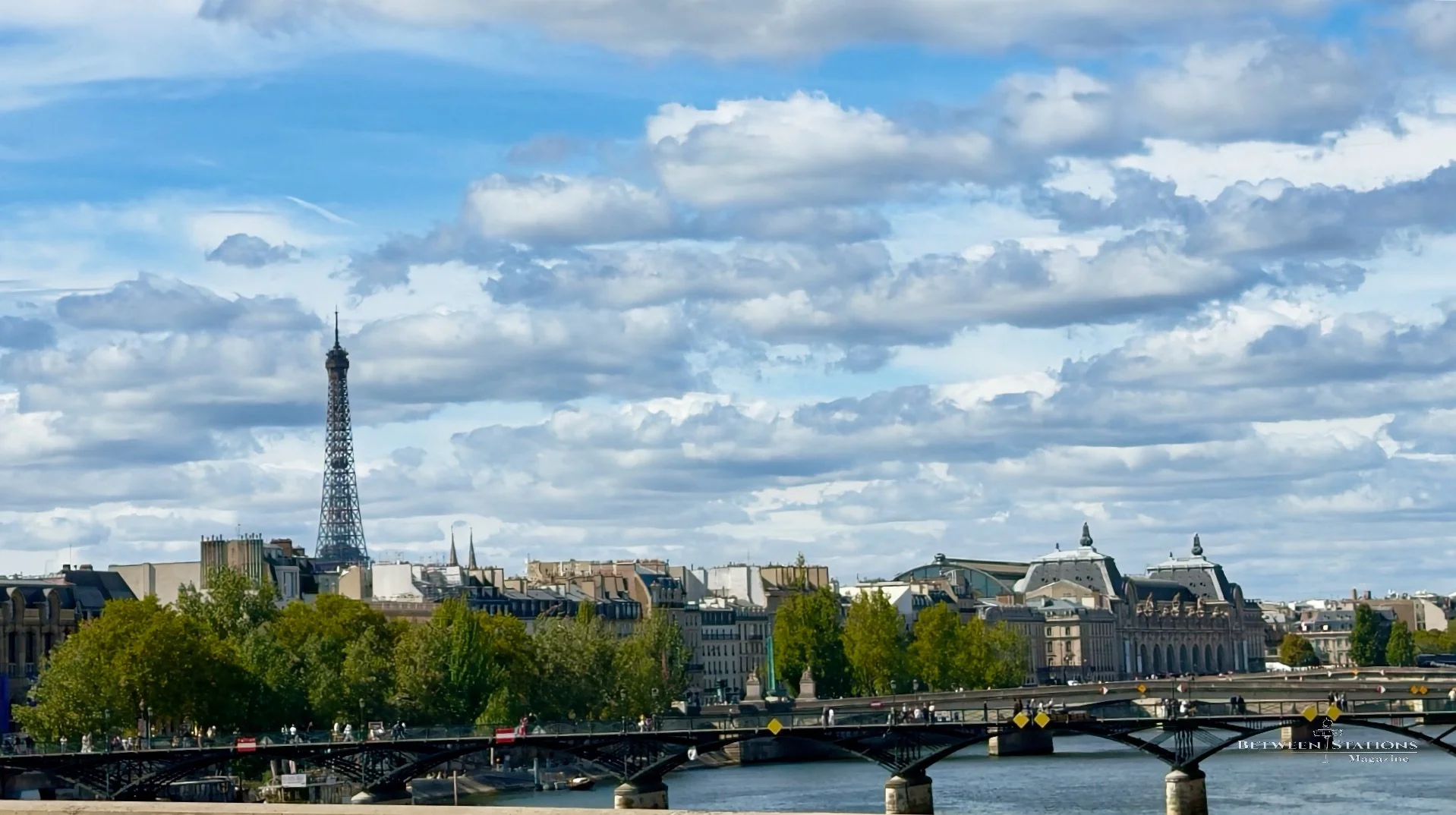
What tourists rarely see is the version residents know: the tower as a landmark you use for directions rather than admiration, the one that tells you which way is west when you come up out of a metro station disoriented. Greater Paris and the wider Île-de-France region orient themselves around it in ways that have nothing to do with romance. It shows up on maps, on weather broadcasts, on the horizon from a dozen different neighborhoods, each with its own claim to the best view.
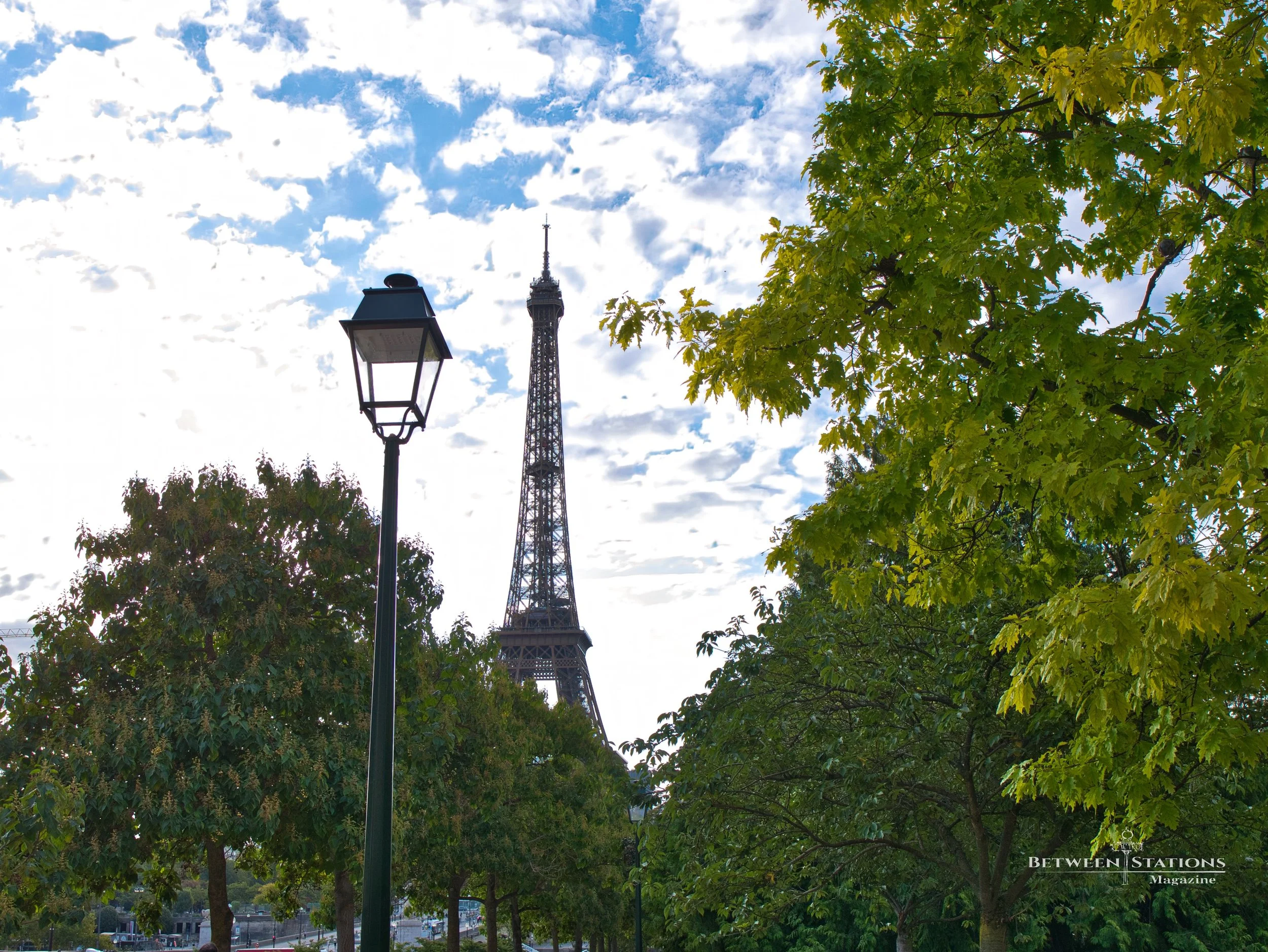
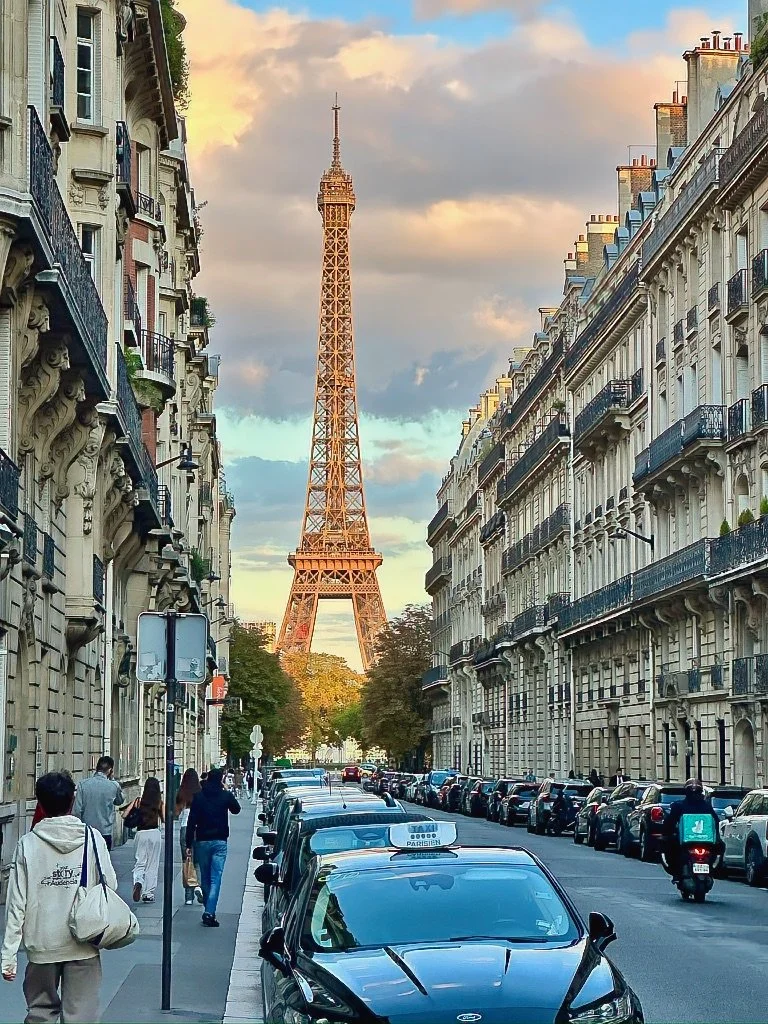
I always get a kick when I am out in the city and look up to see the tower in view. Sometimes it's from the metro, a bus window peeking between passing buildings, or other times when I'm walking down a random street and turn a corner. There are certain areas, like in the 16th arrondissement, where you are bound to see the tower easily and with greater frequency. But it's those times, in my opinion, where you stumble across a sighting by accident that are the most satisfying. I call those "happy accidents," and it never gets old. In fact, when I was visiting the overlook at a park in Saint Germain-en-Laye (quite a distance from Paris proper), I happened to see the tower in the far distance, which was both pleasantly unexpected and satisfying.
More Than a Postcard
It is easy to reduce the Eiffel Tower to a symbol of romance, but its real job in the region is closer to that of a steady old relative everyone assumes will always be there. It anchors the skyline the way a lighthouse anchors a coastline. It also brings in a huge share of the tourism economy that keeps hotels, cafés, and river cruise operators in business across the region, not just in the seventh arrondissement where it stands. During the Second World War, German forces occupied Paris. The story goes that the elevator cables were cut, so Hitler had to climb the stairs to get his view. Whether every detail of that story holds up to scrutiny or not, people still repeat it with a kind of pride, because it fits how the tower is meant to be understood here: stubborn, a little theatrical, quietly defiant. You can find the tower's own account of its history and its ongoing role in the city on its official site, which treats each anniversary and renovation like a family milestone.
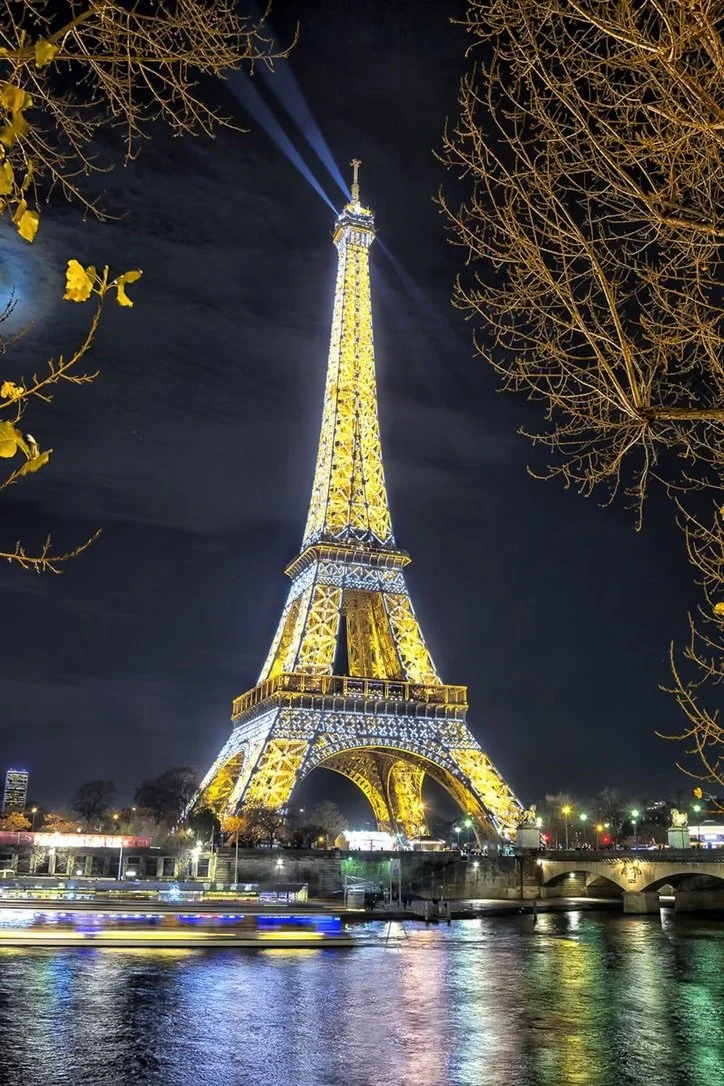
Every night, once darkness falls, the tower puts on a five-minute sparkle show at the top of each hour, thousands of small bulbs flickering like it is shaking off the day. Parisians who have seen it a thousand times will still occasionally stop mid-conversation on a bridge to watch it happen and then act as though they were not the least bit impressed. I have never once believed that act.
The Argument Paris Won
The Eiffel Tower has survived being called an eyesore, nearly getting torn down for scrap, a world war, and about a century and a half of tourists asking if the elevator line is really this long. It has earned its spot the hard way, by being useful when it needed to be and beautiful when it did not have to try. Maybe that is the real lesson buried under all that iron: the things that last are rarely the ones anyone plans to keep forever. They are the ones that make themselves impossible to get rid of.
So, the next time someone brings up the Eiffel Tower at a dinner party, and someone else rolls their eyes and calls it a tourist trap, let them. The Iron Lady has survived far worse opinions than that, and she is not going anywhere.
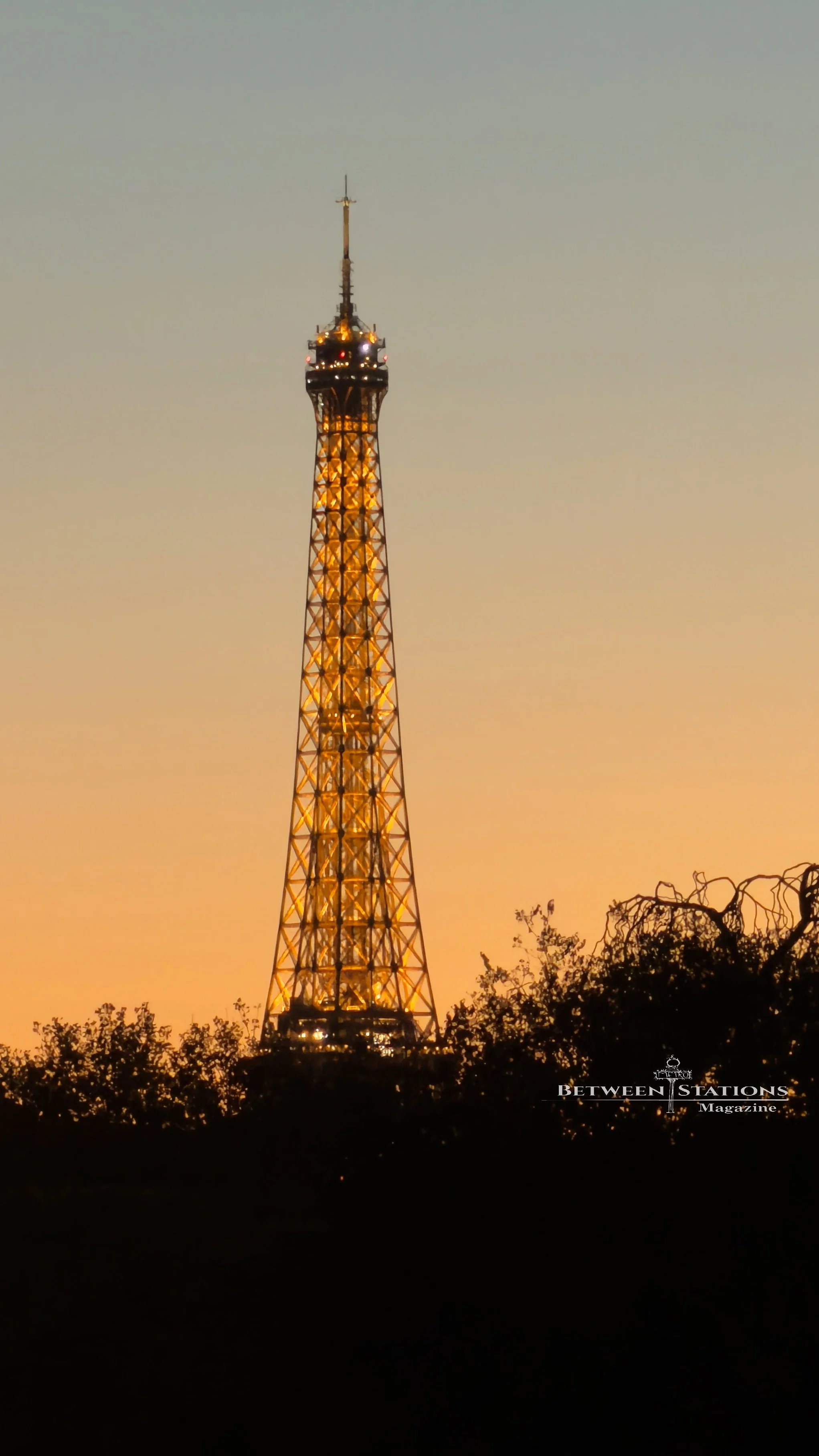
My opinion hasn't changed, and it probably never will. The Eiffel Tower, for me, is my introduction to Paris. Seeing it, even briefly from a distance, still creates an emotional connection to the city that I can't quite explain. Over time, it has become one of my favorite landmarks to photograph. There are plenty of sights in Paris, for sure. But the sight of the Eiffel Tower is grounding, reassuring, and comforting — so Paris, so Parisian, even when the people who live here try to play it cool about it.
To my daughters... thank you, girls! You were right — "Once you are in Paris, you will never be the same." I am not the same. Being able to regularly experience a view of the Eiffel Tower helps to cement that.